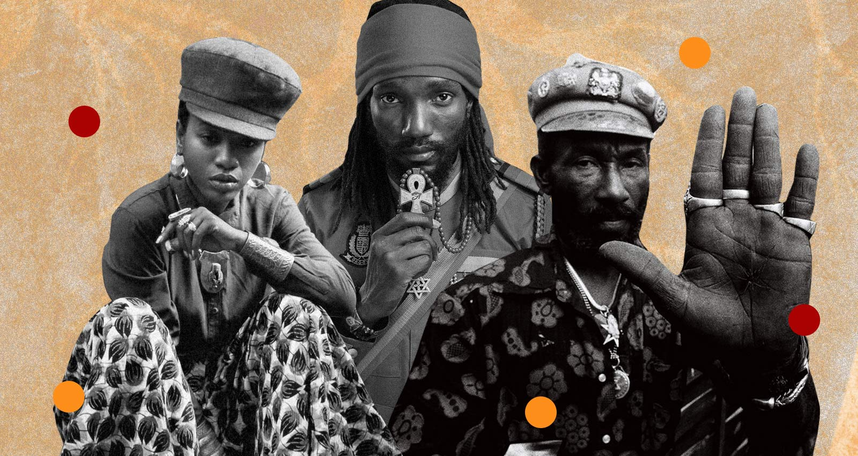

If you have ever used the terms reggae and dancehall interchangeably, you are in good company. Having both originated from Jamaica, and with only subtle details to separate them on the surface, reggae and dancehall are often mistaken as being one and the same.
The confusion is understandable. Jamaica, a small island with an outsized cultural impact, has gifted the world two of its most influential music genres, and while both originate from the same soil and share deep cultural and social roots, they represent distinct eras, sounds, and expressions of Jamaican life.
The short answer: dancehall vs reggae is not a rivalry. It is a generational story. Dancehall grew directly out of reggae, inheriting its rhythmic DNA while shedding its spiritual weight and embracing a faster, more urban identity.
To understand exactly how and why they differ, you have to follow the music from its earliest Jamaican roots all the way to the digital studios of Kingston and the global pop charts of today.
The Family Tree: Where Both Genres Come From
Reggae did not arrive fully formed. It evolved through a lineage of Jamaican sounds that each built on the one before it, starting with mento, Jamaica’s original folk music: acoustic, rhythmic, rooted in African tradition and Caribbean life.
Ska originated in Jamaica in the late 1950s, combining elements of Caribbean mento and calypso music with American jazz and rhythm and blues.
In the early 1960s, ska became Jamaica’s dominant music genre and, following the island’s independence from Great Britain in 1962, it became something close to a national soundtrack: optimistic and forward-looking.
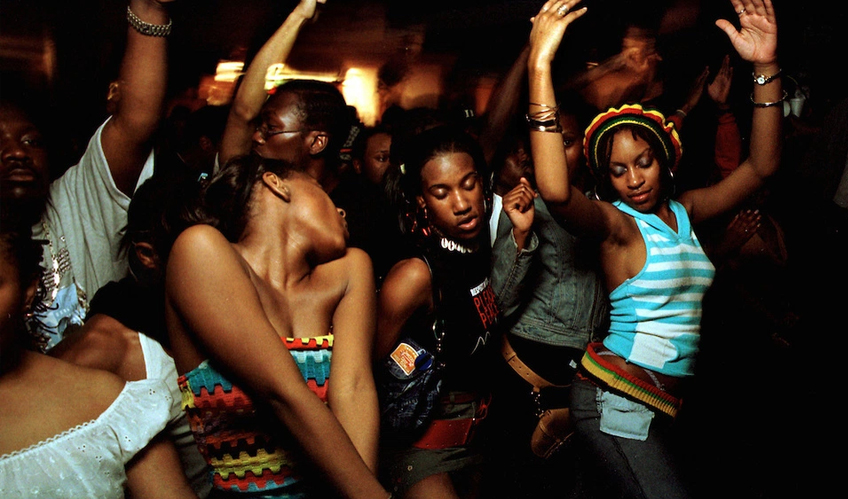
Ska’s dominance did not last long. Rocksteady evolved from ska in the mid-1960s, slowing down the tempo and incorporating smoother, soulful vocal harmonies.
This transition reflected the changing social landscape of Jamaica, with lyrics often addressing themes of love, heartbreak, and social consciousness. Rocksteady is a music genre that originated in Jamaica around 1966.
Then came reggae. It is the road through ska and rocksteady that takes us to reggae, which first emerged in the late 1960s.
Slower than rocksteady and featuring far more musical complexity than ska, reggae paid tribute to the music that came before it while still establishing itself as a distinct, brand-new sound.
Reggae was strongly influenced by traditional Jamaican mento, the earlier genres of ska and rocksteady, as well as American jazz and rhythm and blues, especially the New Orleans R&B practiced by Fats Domino and Allen Toussaint.
Reggae: The Spiritual Core
Reggae emerged in the late 1960s as a slower, more soulful evolution of earlier Jamaican genres like ska and rocksteady.
It is characterized by its offbeat rhythm, often referred to as the “one drop,” deep basslines, and socially conscious lyrics. Reggae is deeply tied to Rastafarian culture, with themes of spirituality, resistance, and unity.
Reggae emerged in the 1960s coinciding with the Rastafarian movement. For the most part, reggae artists were heavily influenced by this movement, which gave the genre its spiritual core. It addressed the struggle of a people centered around issues of poverty, politics, and oppression.
In terms of sound architecture, reggae runs at a measured pace. Its tempo sits at roughly 60 to 80 BPM, with prominent bass, rhythmic guitar chops, and steady drum patterns.
The live band is central to the form: bass, rhythm guitar, lead guitar, keyboards, and a full drum kit combine to create the signature sound that made reggae recognizable across continents.
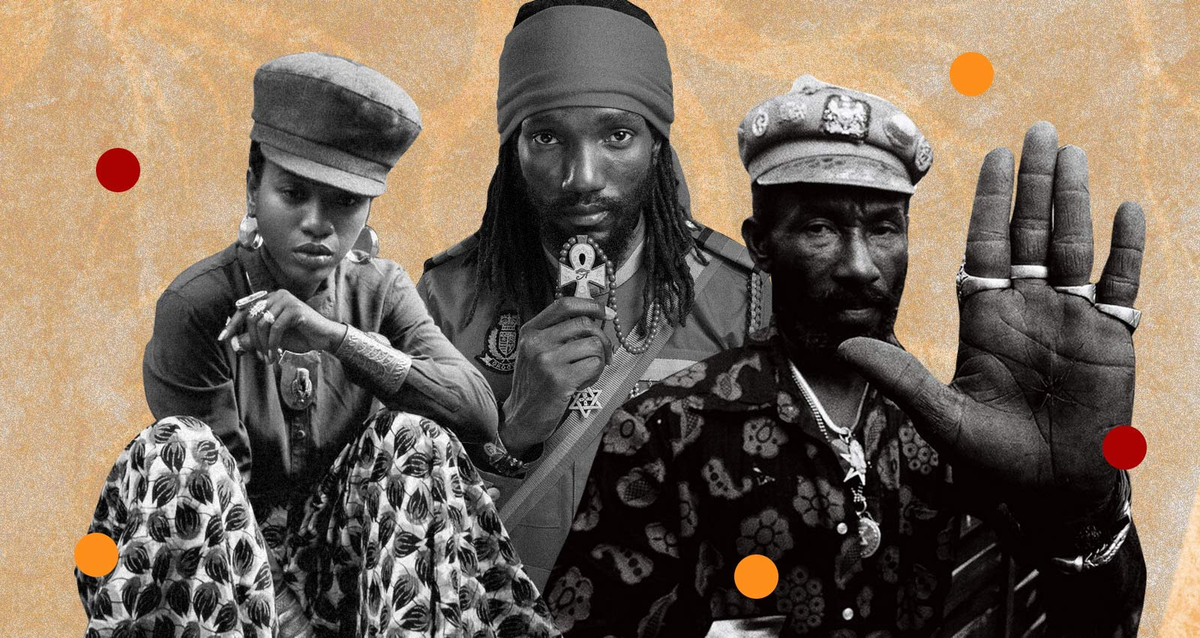
Reggae emerged in the late 1960s, evolving from earlier Jamaican genres like ska and rocksteady, and became globally recognized through artists like Bob Marley, Peter Tosh, Jimmy Cliff, and Burning Spear, who used the genre to spread messages of peace, resistance, spirituality, and social justice.
The genre’s international reach was accelerated in part by cinema. In the early 1970s, the film “The Harder They Come” made explicit the connection between reggae music and the Jamaican struggle against poverty and disenfranchisement. Starring reggae star Jimmy Cliff, it was an international success that helped introduce reggae to a worldwide audience.
The ultimate institutional recognition came in 2018. UNESCO inscribed Reggae Music of Jamaica on the Representative List of the Intangible Cultural Heritage of Humanity, recognizing its international cultural importance and its role in addressing injustice, resistance, love, and humanity.
In a statement, UNESCO said of reggae: “Its contribution to international discourse on issues of injustice, resistance, love and humanity underscores the dynamics of the element as being at once cerebral, socio-political, sensual and spiritual.”
Dancehall: The Urban Offshoot
Dancehall is a genre of Jamaican popular music that originated in the late 1970s. Initially, dancehall was a more sparse version of reggae than the roots style, which had dominated much of the 1970s.
The name itself is telling. Sound systems began stringing up on street corners attracting large crowds of locals, resembling a dance hall, hence its name.
Originating from the traditional street dances popular across Jamaica in the 1970s, especially in the inner cities, the post-Michael Manley years saw the emergence of the basis for the modern dancehall genre enjoyed all over the world.
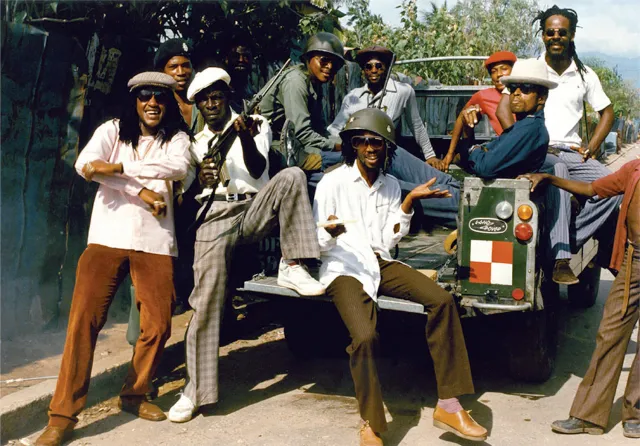
Dancehall emerged in the late 1970s and early 1980s as a faster, more rhythm-driven offshoot of reggae. It shifted focus from the spiritual and political themes of reggae to more everyday experiences, including partying, love, and social commentary. Dancehall is known for its energetic beats and the rise of the “deejay,” or MC, as a central figure.
Pioneers like Yellowman, Eek-A-Mouse, and General Echo brought humor, swagger, and street-wise storytelling to the forefront.
Dancehall then exploded in the 1990s with artists like Shabba Ranks, Buju Banton, Beenie Man, and Bounty Killer, introducing a more aggressive, energetic, and sometimes controversial lyrical style.
Where reggae is built on a live band, dancehall is dominated by digital riddims and deejays, or toasters, who ride the beat with rapid-fire lyrics.
The tempo is significantly faster: dancehall runs at around 90 to 120 BPM, with heavy use of digital instruments, synthesizers, and drum machines.
The Moment Everything Changed: 1985 and the Digital Revolution
No single event separates dancehall from its reggae origins more sharply than the release of one record. The release of “Under Mi Sleng Teng” in 1985 marked the beginning of the digital dancehall era.
The Sleng Teng riddim is recognized as one of the first fully computerized riddims influential in Jamaican music and beyond.
The riddim, the result of work by Noel Davey, Ian “Wayne” Smith, and Lloyd “King Jammy” James, was first released with Wayne’s vocals under the title “Under Mi Sleng Teng” in early 1985.
Davey drew inspiration from the Casio MT-40’s “Rock 2” preset, a simple, repetitive pattern featuring a deep digital bassline and minimalistic drum beats, which was unexpectedly adapted for reggae despite being designed for rock music.
King Jammy, a seasoned dub producer who had apprenticed under King Tubby, heard the demo and immediately recognized its revolutionary potential.
When it was played at a sound clash between Jammy’s sound system and Black Scorpio on February 23, 1985, it caused a musical earthquake.
The crowd went wild, demanding endless pull-ups. In an instant, the future of Jamaican music shifted.
The ensuing transition from live instrumentation to digital production sent shockwaves through the Jamaican music business, putting studio musicians out of work and contributing to the downfall of top Kingston studios such as Channel One, according to David Katz’s 2003 reggae history “Solid Foundation.
The democratizing effect was profound. Sleng Teng opened the door for producers and musicians with limited access to traditional studios. All that was needed was a drum machine or keyboard, making it possible to produce dancehall riddims from small studios or even bedrooms.
The riddim marked a pivotal shift from live band recordings to electronic production, revolutionizing the sound of reggae and ultimately spawning over 450 versions by various artists.
Key Musical Differences, Side by Side
Understanding dancehall vs reggae becomes clearer when the core musical and cultural elements are placed alongside each other.
Tempo and Rhythm
Reggae’s signature “one drop” beat places emphasis on the third beat of the bar, creating a rolling, hypnotic groove that sits between 60 and 80 BPM. Dancehall runs significantly faster, at around 90 to 120 BPM, prioritizing the drive of the riddim over melodic groove.
Instrumentation
Unlike reggae’s live band foundation, dancehall is dominated by digital riddims and deejays who ride the beat with rapid-fire lyrics.
In a roots reggae recording, you will typically hear a bass guitar carrying the melodic bottom end, a rhythm guitar chopping on the offbeats, and a full drum kit anchored in that one-drop pattern. In a dancehall track, those sounds are more likely to be synthesized or sampled
The Role of the Vocalist
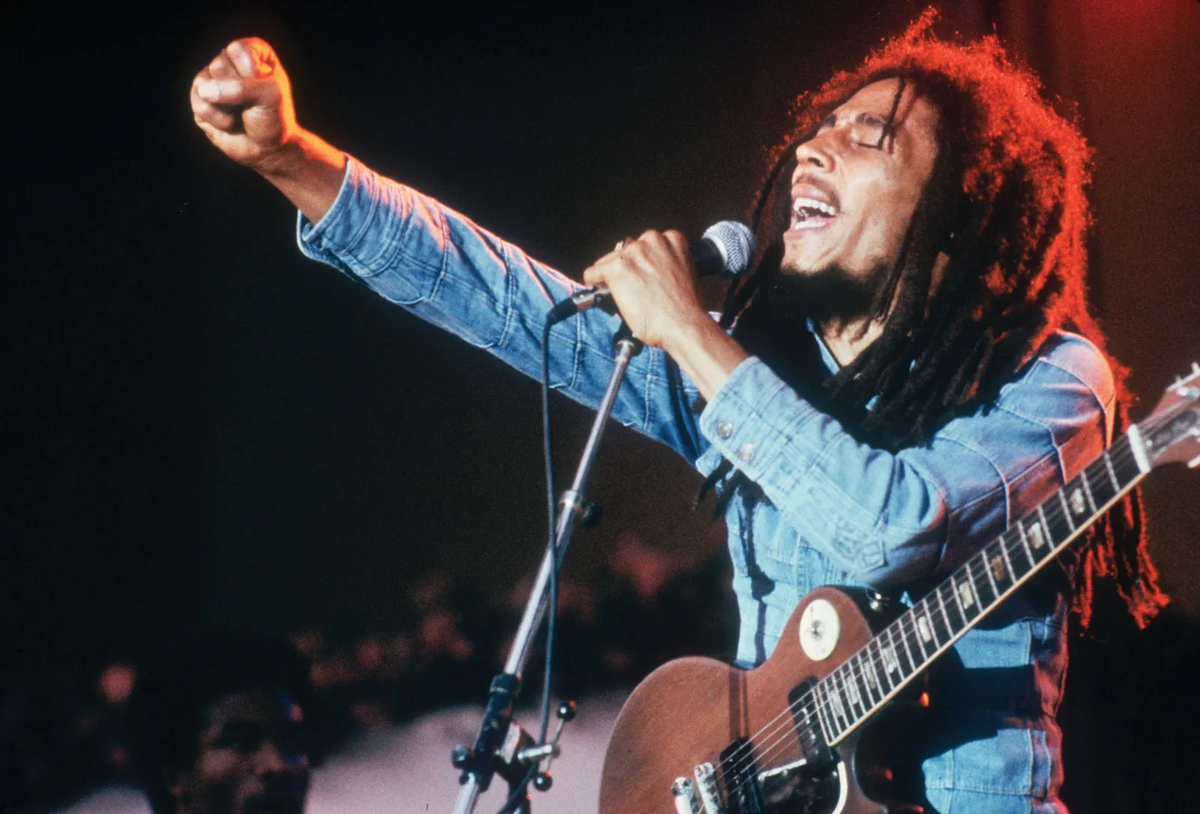
In reggae, the singer and the song are primary. Bob Marley, Dennis Brown, Gregory Isaacs, and their peers crafted songs built around melodic vocal performances.
In dancehall, the deejay or toaster takes centre stage. Artists would toast, a vocal style similar to rap, over digital riddims as opposed to the usual playing of prerecorded music.
Lyrical Themes
Reggae lyrics often carry social, political, and spiritual messages. The tradition runs from Bob Marley’s calls for liberation to Burning Spear’s Rastafarian meditations.
Dancehall shifted focus from the spiritual and political themes of reggae to more everyday experiences, including partying, love, and social commentary.
Dancehall lyrics span a wide range, from the playful and romantic to the explicit and confrontational, often reflecting the realities of inner-city Kingston life.
The Riddim System
Both genres share the concept of the riddim, but dancehall has taken it further as an organizing principle. Dancehall places a particular emphasis on riddims, and scholar Norman Stolzoff has described riddims as “the primary musical building blocks of Jamaican popular songs.”
In dancehall, a single riddim will typically be voiced by multiple artists, each recording their own song over the same instrumental track. This practice is far less common in reggae.
Cultural Context: Class, Community, and Identity
The dancehall vs reggae divide has always carried a social dimension as well as a musical one. Roots reggae emerged from and spoke to a broad cross-section of Jamaican society and found a global middle-class audience hungry for its spiritual messaging.
Dancehall was, from its earliest days, more firmly rooted in the yards and communities of Kingston’s inner cities.
The fast-paced tempo laid the foundation for a genre with dancing, sexuality, and street life at its heart. The dancehall market was initially concentrated in Jamaica, especially among members of inner-city communities.
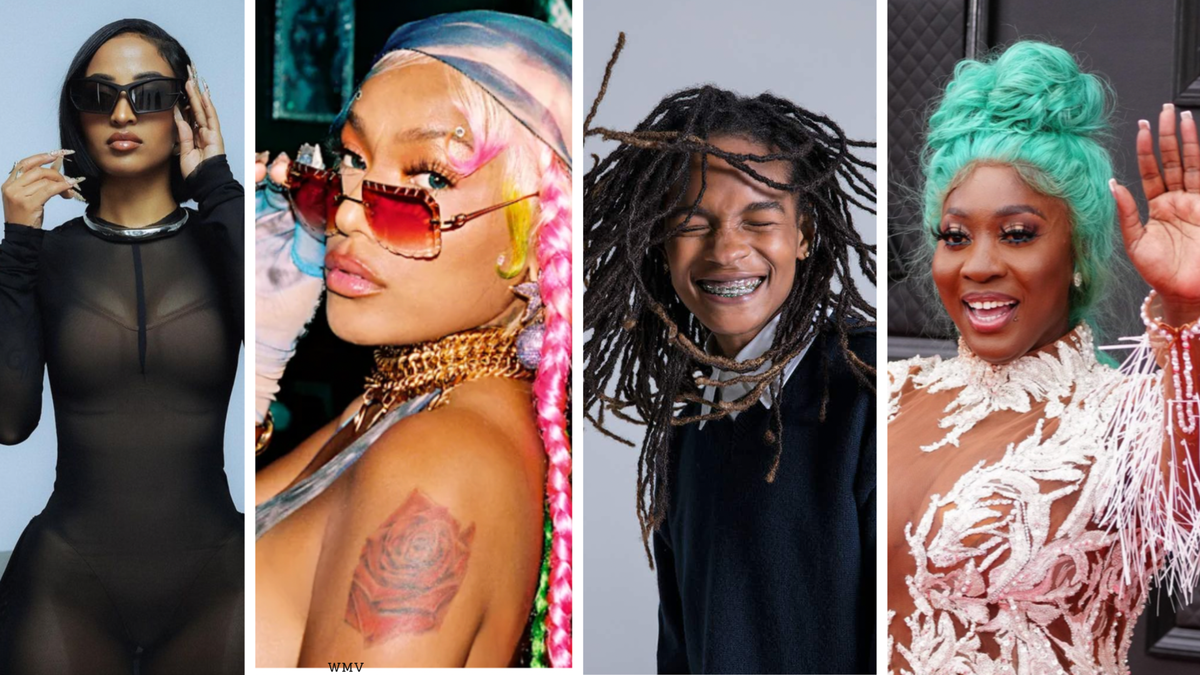
The sound system is the essential institution of dancehall culture. Street dances were the soundtrack of life, and Jamaica is where mixing first originated.
The selector and sound engineer would mix and cross sounds. Today, at the biggest soundclashes and performances, the phrase “Come My Selecta!” is still heard.
This distinction in cultural positioning has blurred considerably over the decades. Both genres now attract audiences across classes, nationalities, and demographics.
UNESCO itself noted that reggae, “while in its embryonic state the voice of the marginalised, is now played and embraced by a wide cross-section of society, including various genders, ethnic and religious groups.” The same could be said of dancehall.
Global Reach and Cross-Genre Influence
Both reggae and dancehall have extended their influence far beyond Jamaica, but they have done so in different directions and through different mechanisms.
Reggae’s global spread was driven largely by the Bob Marley phenomenon and amplified by the Jamaican diaspora in the United Kingdom, the United States, and Canada.
Reggae’s influence on punk, hip-hop, electronic music, and global popular music is immeasurable, and its capacity to carry lyrics of spiritual depth and social consciousness with deceptive musical simplicity remains unmatched.
Dancehall’s international moment arrived in the 2000s. Sean Paul’s 2002 album “Dutty Rock” pushed him into global superstardom, with huge hits like “Get Busy” and “Gimme the Light.”
That album won the Grammy for Best Reggae Album and spawned international hits that introduced dancehall rhythms to mainstream global audiences.
The genre’s downstream influence has been enormous. In Sean Paul’s own words, “dancehall itself has influenced all these genres: reggaeton, Afrobeat, soca and even pop is integrating it now.”
The reggae and dancehall sound, with its heavy bass lines and drums, has influenced countless artists and inspired many genres including reggaeton, dub, and dancehall.
Reggae and dancehall’s sound has also influenced other popular music styles like reggaeton and hip-hop.
Where the Lines Blur: Artists Who Inhabit Both Worlds
One reason the dancehall vs reggae debate can feel endless is that many of the genre’s most important artists refuse to stay on one side of it.
Buju Banton, for example, would move between hardcore dancehall and deeply conscious roots music over his career, becoming one of the most complex and celebrated artists the island has produced.
Sean Paul has addressed the overlap directly. “If you say reggae, that’s looked at as the father of our genre,” he told Billboard. He has described himself as doing both reggae and dancehall, noting that he heavily blends the two, as most artists do.
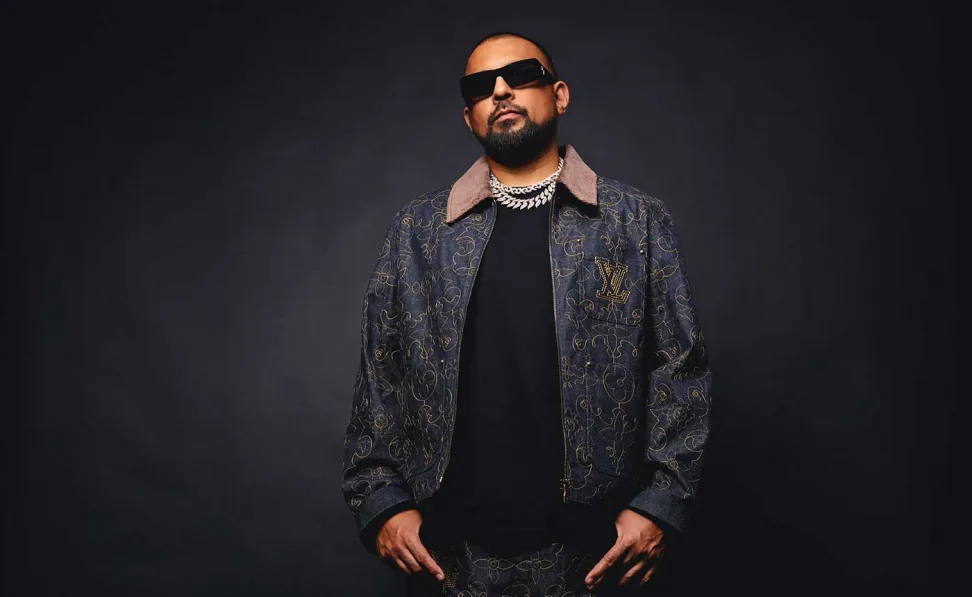
That blending is not a compromise. It is a reflection of how naturally the two idioms coexist in Jamaican musical practice.
From ska’s horn-driven optimism to rocksteady’s introspective groove, from roots reggae’s spiritual fire to dub’s studio alchemy, from dancehall’s digital energy to today’s genre-crossing fusions, the history of Jamaican music is the story of a small island’s extraordinary musical imagination, shared with the world.
The Bottom Line: Dancehall vs Reggae
The question of dancehall vs reggae does not have a winner. The two genres are chapters in the same story, written by the same island, separated by roughly a generation and a revolution in music technology.
Reggae arrived in the late 1960s, built on ska and rocksteady, and became the sound of Rastafarian consciousness, political resistance, and spiritual longing.
Its tempo is slow to mid-range, its instrumentation live and organic, and its lyrical ambition global and philosophical. It earned UNESCO recognition as an intangible cultural heritage of humanity in 2018.
Dancehall emerged a decade later from the sound system culture of Kingston’s inner cities, stripped reggae back to its rhythmic essentials, accelerated the tempo, and handed the microphone to the deejay.
The 1985 Sleng Teng riddim completed the break with live instrumentation and launched a digital era that transformed not just Jamaican music but popular music worldwide, giving birth to reggaeton, influencing Afrobeats, and providing the rhythmic blueprint for decades of global pop.
They are, as one writer put it, two generations of the same family. Knowing both of them is knowing Jamaica.