

The 2000s were the decade dancehall stopped knocking on the door of global pop and simply walked in.
Riddims built in Jamaican studios found their way onto American radio, into clubs around the world, and onto the Billboard charts.
At the same time, the songs that mattered most in Jamaica continued to live on sound systems, in street dances, and across a culture that was constantly creating new sounds and new movements.
Picking the best dancehall songs of the 2000s means following that journey from Jamaican riddims to international crossover success without losing sight of the records that kept the dancehall itself moving.
What follows are 12 records that helped define the era, ranked strongest first. Some became crossover giants, some remained rooted in Jamaican dancehall, and a few sit right on the line between dancehall and global pop. Together, they capture just how far the sound traveled during the decade.
1. Sean Paul, “Get Busy” (2003)
Few songs better represent dancehall’s breakthrough into the global mainstream than Sean Paul’s “Get Busy.”
Built on Steven “Lenky” Marsden’s famous Diwali Riddim, the track turned the riddim’s distinctive handclaps and bouncing rhythm into an international anthem. Sean Paul’s rapid-fire delivery gave the record an unmistakably Jamaican identity while making it instantly accessible to pop audiences.
“Get Busy” became Sean Paul’s first solo No. 1 on the Billboard Hot 100, spending three weeks at the top in May 2003. It also reached No. 1 in Italy and the Netherlands and became one of the defining records of the Diwali era.
Released internationally through VP and Atlantic as a single from Dutty Rock, the song helped turn Sean Paul from a major Jamaican dancehall artist into a global star.
The success of Dutty Rock followed. The album eventually went double platinum in the United States and won the Grammy Award for Best Reggae Album, cementing one of the most important dancehall crossover moments of the decade.
2. Sean Paul, “Temperature” (2005)
If “Get Busy” opened the door, “Temperature” showed that Sean Paul could stay on the other side of it.
Released from his 2005 album The Trinity, the song was built around a propulsive dancehall-pop rhythm and Sean Paul’s instantly recognizable vocal style. Its combination of repetition, melody and movement made it one of the biggest singles of his career.
“Temperature” reached No. 1 on the Billboard Hot 100 and spent 31 weeks on the chart, including 17 weeks in the Top 10. It also finished at No. 2 on Billboard’s 2006 year-end Hot 100, behind Daniel Powter’s “Bad Day.”
The record demonstrated that dancehall was no longer simply making occasional appearances on American pop radio. Sean Paul had become one of the format’s most reliable crossover stars.
More than two decades after its release, “Temperature” remains one of the defining dance records of the 2000s.
3. Sean Paul, “Gimme the Light” (2002)
Before “Get Busy” made Sean Paul a household name in America, “Gimme the Light” established the sound that would carry him there.
The song was built on the Buzz Riddim, produced by Troyton Rami and Roger Mackenzie of Black Shadow Records. It gave Sean Paul plenty of room for the rapid-fire, half-sung delivery that would become his trademark.
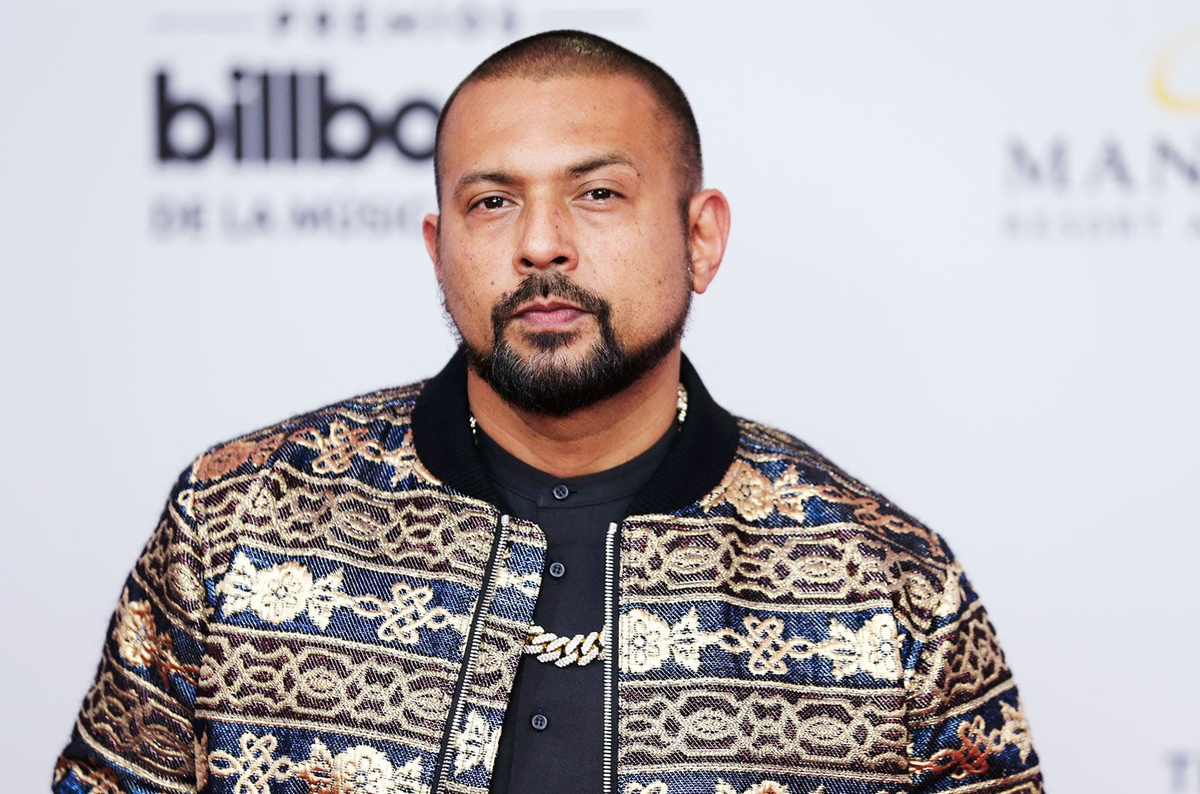
“Gimme the Light” became his breakthrough American hit, reaching No. 7 on the Billboard Hot 100 and helping set the stage for his eventual deal with Atlantic Records.
The song also showed how quickly Jamaican dancehall production was evolving. Its spare riddim left room for Sean Paul’s voice to dominate the track while keeping the rhythm firmly connected to Jamaican sound-system culture.
More than a breakthrough single, “Gimme the Light” was the beginning of the Sean Paul era.
4. Wayne Wonder, “No Letting Go” (2003)
The Diwali Riddim produced some of the hardest dancehall crossover records of the decade, but Wayne Wonder’s “No Letting Go” showed another side of the sound.
Rather than pushing the riddim toward aggression, Wonder turned it into a smooth, romantic record. His warm tenor floats over the handclap-driven production, giving the song a completely different emotional character.
“No Letting Go” became Wayne Wonder’s biggest international hit. It reached No. 3 on the UK Singles Chart and No. 11 on the Billboard Hot 100, while the song also earned an RIAA Gold certification in the United States.
The song also had a remarkably personal origin. Wonder has explained that the lyrics came from a personal experience and that he worked with Lenky to shape the song around the chords and bridge he wanted.
The result was one of the decade’s clearest examples of how a single dancehall riddim could produce radically different musical identities.
5. Beenie Man feat. Mya, “Girls Dem Sugar” (2000)
The decade opened with Beenie Man proving that Jamaican dancehall could comfortably share space with American R&B.
“Girls Dem Sugar,” featuring Mya, pairs Beenie’s unmistakable deejay delivery with a polished crossover production and Mya’s smooth vocal presence. The track appeared on Beenie Man’s 2000 album Art and Life.
It reached No. 54 on the Billboard Hot 100, No. 16 on the Hot R&B/Hip-Hop Songs chart and No. 13 in the United Kingdom.
The song became one of the strongest examples of the collaboration between Jamaican dancehall and American mainstream R&B at the beginning of the decade.
It also formed part of a particularly important period for Beenie Man. Art and Life went on to win the Grammy Award for Best Reggae Album, giving the album and its era an even larger international footprint.
“Girls Dem Sugar” remains one of Beenie Man’s clearest crossover records and one of the songs that helped define dancehall’s sound at the turn of the millennium.
6. Elephant Man, “Pon De River, Pon De Bank” (2003)
If one song captured the dance-craze energy of early-2000s dancehall, it was Elephant Man’s “Pon De River, Pon De Bank.”
The Energy God turned the song into something close to an instruction manual for the dancefloor, calling out movements and encouraging crowds to participate rather than simply listen.
That approach was perfectly suited to the era, when dancehall songs increasingly traveled through music videos, radio, clubs and emerging internet culture alongside traditional sound-system spaces.
The song reached No. 86 on the Billboard Hot 100, a notable achievement for a record so closely tied to a specific dancehall movement.
Its influence was about more than chart position. “Pon De River, Pon De Bank” became one of the records most closely associated with the dance culture of the period and helped establish Elephant Man as one of dancehall’s defining entertainers of the decade.
7. Mavado, “Real McKoy” (2005)
While Sean Paul and other artists were taking dancehall toward the international pop charts, Mavado was helping shape a darker and more melodic sound at home.
“Real McKoy,” recorded on the Anger Management Riddim associated with the Daseca camp, became one of the early records that established Mavado’s voice and identity.
His mournful delivery, melodic phrasing and street-centered writing helped lay the foundation for what became known as the Gully sound.
The song’s reach eventually extended beyond Jamaican dancehall. “Real McKoy” was featured in the fourth trailer for Grand Theft Auto IV in 2008, exposing Mavado’s music to another global audience.
His rise also unfolded alongside the increasingly intense Gully-Gaza rivalry with Vybz Kartel.
That feud dominated dancehall for years, but its story eventually changed. In June 2025, Mavado and Kartel publicly reunited in Miami while working around DJ Khaled’s “You Remind Me,” signaling a thaw in a rivalry that had defined much of dancehall’s previous era. The following year, the two shared the Reggae Sumfest stage in one of the most symbolic reunions in modern dancehall.
8. Elephant Man feat. Kiprich, Twista & Youngbloodz, “Jook Gal (Wine Wine)” (2004)
The Coolie Dance Riddim was one of the great production phenomena of the early 2000s.
In 2004, several songs built around the riddim reached the American mainstream, including Pitbull’s “Culo,” Mr. Vegas’ “Pull Up,” Nina Sky’s “Move Ya Body” and Elephant Man’s “Jook Gal.”
Elephant Man’s record, particularly the “Head Gawn” remix featuring Kiprich, Chicago rapper Twista and Atlanta group YoungBloodZ, brought together Jamaican dancehall and Southern hip-hop in a way that felt completely natural for the era.
The result was loud, playful and built for movement.
The Coolie Dance sound also proved remarkably durable. Its rhythmic DNA continued to appear in later pop performances and dancehall-influenced records, showing how quickly a Jamaican riddim could travel far beyond its original setting.
9. Bounty Killer, “Sufferer” (2002)
The Diwali Riddim became synonymous with crossover hits, but its importance cannot be understood through pop records alone.
Bounty Killer’s “Sufferer” represents the harder, more uncompromising side of the riddim.
Where Sean Paul used the same rhythmic foundation to create a global party record, Bounty Killer used it to deliver a grittier dancehall anthem. His commanding voice and street-focused lyrics gave the riddim an entirely different emotional weight.
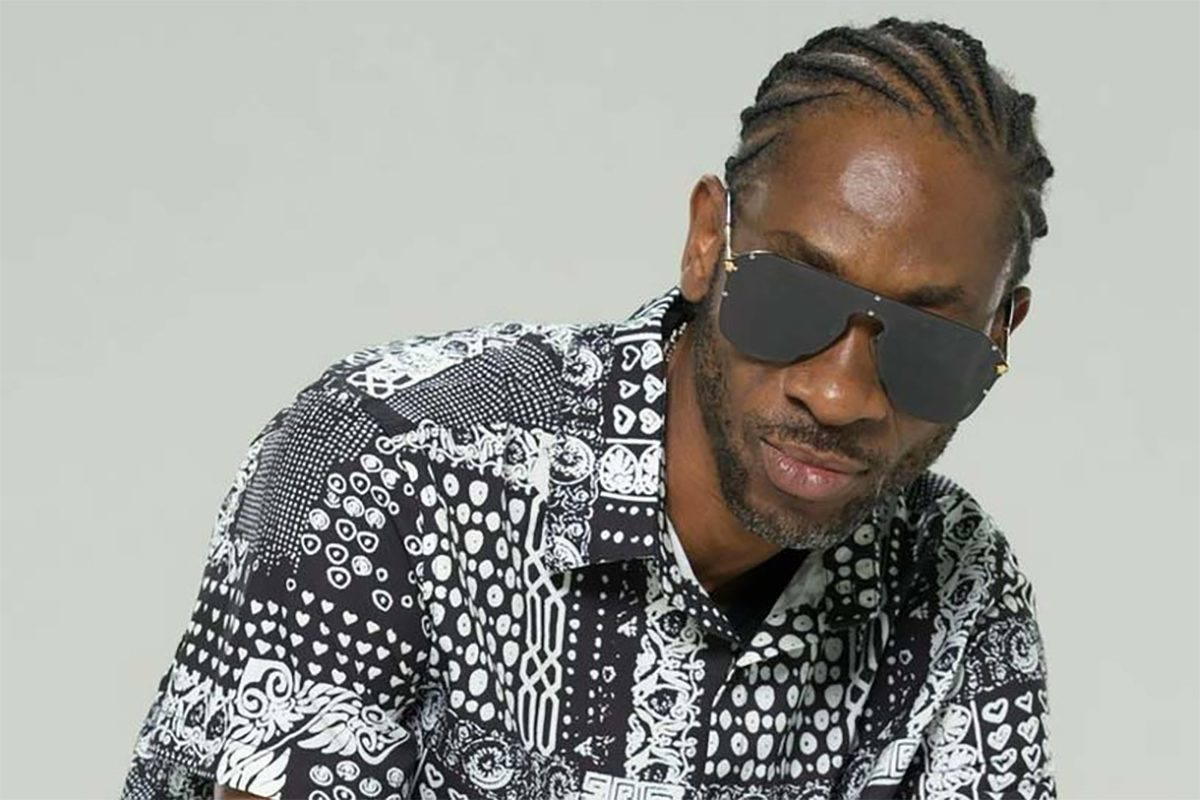
That contrast is one of the reasons Diwali became so important. The same basic rhythmic framework could support international pop, romantic reggae fusion and hardcore Jamaican dancehall without losing its identity.
“Sufferer” is essential listening for anyone who wants to understand why the Diwali Riddim became one of the defining productions of the decade.
10. Sean Paul, “Like Glue” (2003)
A third Sean Paul record might seem excessive, but “Like Glue” earns its place.
The song first appeared in Jamaica before becoming one of the major singles from Dutty Rock. Its tight rhythm and repetitive vocal hook gave Sean Paul another record that was immediately recognizable on radio and in clubs.
“Like Glue” reached No. 13 on the Billboard Hot 100, No. 6 in Canada and No. 20 in Australia.
The song also earned international recognition beyond its chart performance, winning Best International Artist Video at the 2003 MuchMusic Video Awards.
Its appeal was simple: a strong hook, a memorable rhythm and Sean Paul’s unmistakable vocal phrasing.
It remains one of the records that defined his extraordinary run during the first half of the decade.
11. Tanto Metro & Devonte, “Give It to Her” (2001)
Before Auto-Tune became a defining tool of mainstream pop, Jamaican dancehall artists were already experimenting with vocal processing.
Tanto Metro & Devonte’s “Give It to Her,” recorded on the Liquid Riddim, is an early example.
The combination of Tanto Metro’s playful deejaying and Devonte’s smoother singing gives the song a distinctive character, while the vocal effects make it sound surprisingly futuristic for an early-2000s dancehall record.
The song reached No. 85 on the Billboard Hot 100, giving the duo a place in the growing wave of Jamaican records breaking into the American mainstream.
The Liquid Riddim also carried other notable songs, including Sean Paul and Ce’cile’s “Can You Do the Work?”
“Give It to Her” captures an important moment when Jamaican producers were experimenting freely with new studio technology without abandoning the rhythmic foundations of dancehall.
12. Rihanna, “Pon de Replay” (2005)
Rihanna’s “Pon de Replay” is the crossover pick on this list, but its connection to dancehall is impossible to ignore.
Released in 2005 as Rihanna’s debut single, the song was written and produced by Vada Nobles, Carl Sturken and Evan Rogers for her debut album Music of the Sun.
Its title comes from Bajan Creole, essentially meaning “play it again,” and the song incorporates key elements of the Diwali Riddim’s rhythmic pattern into a polished pop framework.
“Pon de Replay” reached No. 2 on the Billboard Hot 100 and No. 1 in New Zealand, while also becoming a Top 5 hit in the United Kingdom.
The song helped introduce a teenage Rihanna to the international audience that would soon watch her become one of the biggest artists in the world.
Its success also demonstrated something dancehall had been proving throughout the decade: Jamaican rhythmic ideas did not need to remain inside a strictly Jamaican record to have a global impact.
Why the 2000s Still Rule the Dance
Look back at these 12 records and one thing becomes obvious: the 2000s were not defined by one dancehall sound.
They were defined by riddims.
Diwali, Coolie Dance, Buzz, Liquid and other Jamaican productions gave multiple artists a common rhythmic language while allowing each vocalist to create something completely different.
Diwali alone produced Sean Paul’s “Get Busy,” Wayne Wonder’s “No Letting Go” and Bounty Killer’s “Sufferer,” showing how one production could move from hardcore dancehall to romantic crossover reggae to an American No. 1 pop hit.
The decade also demonstrated that dancehall’s influence could travel in unexpected directions. Jamaican artists entered the American mainstream, American hip-hop artists jumped onto Jamaican riddims, and pop stars such as Rihanna built international careers using rhythms and ideas closely connected to Caribbean music.
And the influence did not stop when the decade ended. Songs from the era continued to appear in later samples, remixes, performances and new interpretations, while the riddims themselves remained part of dancehall’s musical vocabulary.
The 2000s were the decade when dancehall stopped being a sound the rest of the world occasionally discovered and became part of the global pop language.