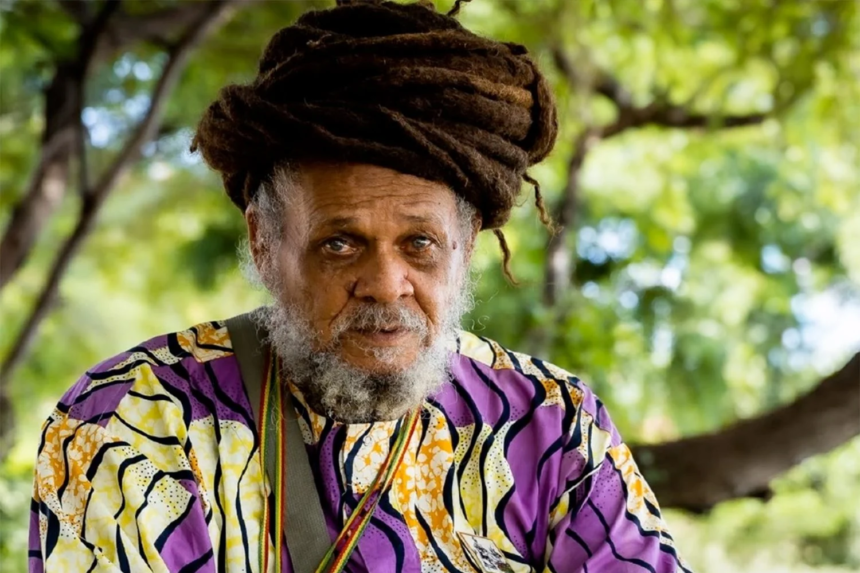

The song almost never got recorded at all. Fred Locks wrote “Black Star Liner” in 1968 at just 18 years old, sat on it for years because of a bad experience with a producer, and only agreed to cut it after a friend told him that burying a talent means losing it.
That friend was Hugh Boothe, and the line that pushed Locks into the studio has stuck with him ever since. “If yuh have a talent and bury it, yuh will lose it,” Boothe told him, and on the third attempt to track him down, Locks finally showed up and laid the track down on the Jah Love label.
The song’s origin is just as interesting as its journey to release. A brethren named Owen Goode handed Locks a melody and a single line, “Seven miles of Black Star Liner coming in the harbour,” and told him to build something from it. Locks went home, read a booklet called “The Philosophy and Opinions of Marcus Garvey” that his sister owned, and finished the whole song that same night.
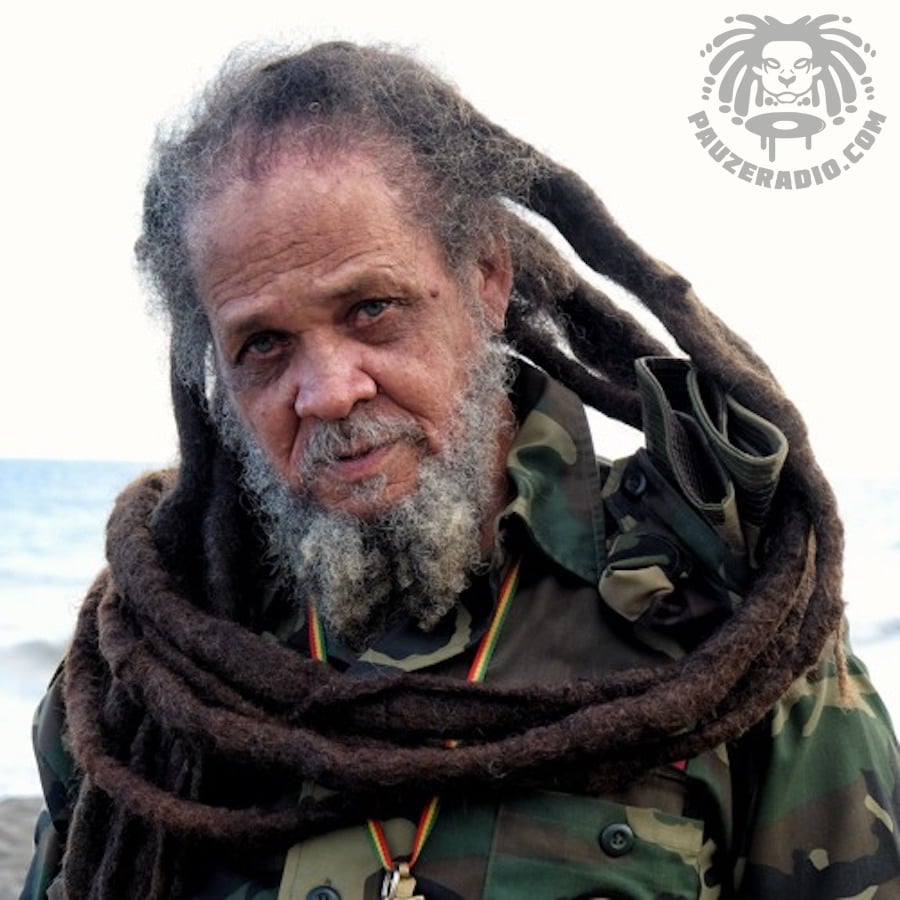
Even after it was recorded, “Black Star Liner” nearly stalled before it found an audience. Thousands of copies were pressed and both radio stations had been serviced, but the song wasn’t getting spins and wasn’t moving.
It took one phone call from Tommy Cowan to Don Topping and another to Errol Thompson for the track to finally hit the airwaves, and it played on both stations that same day. Within three months, 15,000 copies had sold.
Locks first performed the song live in 1972 at an event in Bull Bay, backed by Count Ossie and the Mystic Revelation of Rastafari, three years before it was ever officially released.
That gap between creation and release tells you something about the era and about how much the song meant to him personally before it meant anything to anyone else.
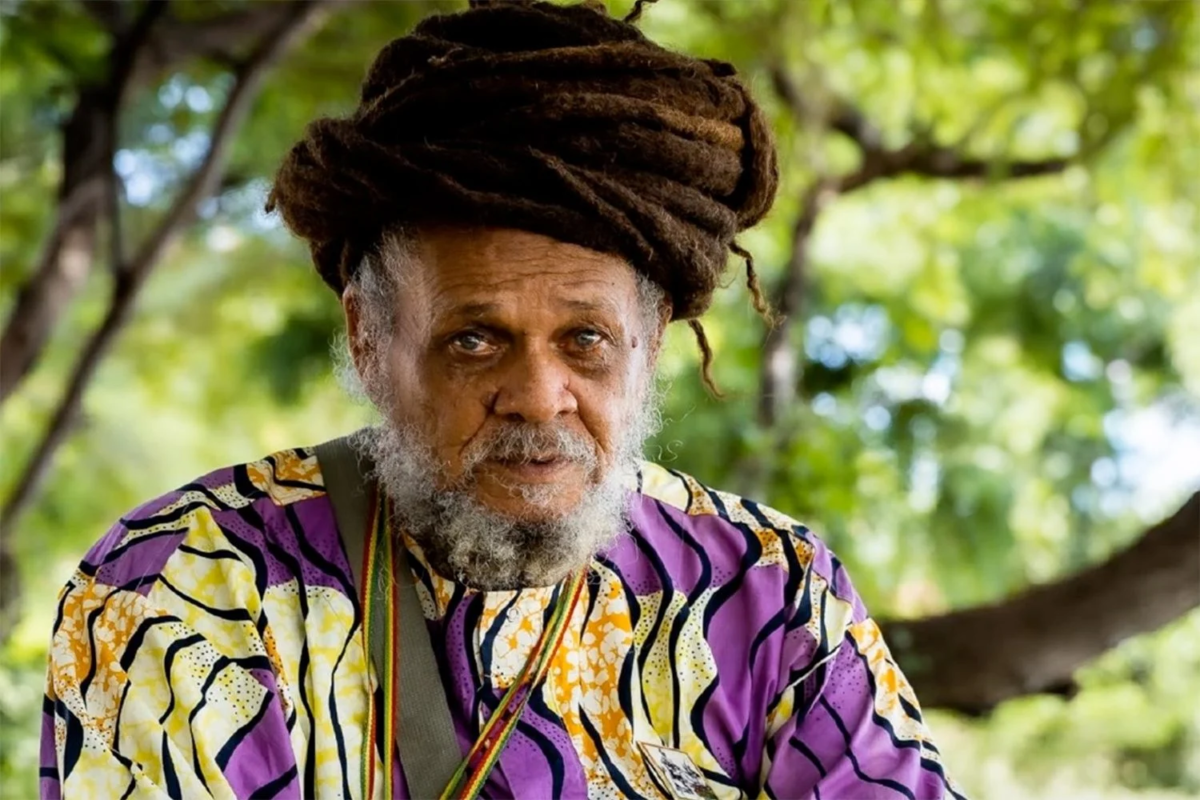
His connection to Garvey’s ideas runs deep and predates the song itself. I was 18 when I accepted the teachings of His Majesty and, as a young Rastaman, Marcus Garvey was the standard-bearer for repatriation and liberation,” Locks said. “Back to Africa was the way out and the ships of the Black Star Line would take us there.” The song was never just a tribute, it was a statement of belief.
Locks is modest about where the track sits in the canon, even as others elevate it. Is Burning Spear have the big Marcus Garvey song dem, but some people consider Black Star Liner an anthem,” he said.
Burning Spear is widely credited as the artist who has done the most musically to honour Garvey’s legacy, and Locks doesn’t push back on that, but the conversation around Garvey in reggae is wide enough to hold both of them, alongside Bob Marley, Freddie McGregor, Mutabaruka, and Culture.

Today, August 17, marks 139 years since Garvey’s birth, and Jamaica is observing it with more than nostalgia. The 17th Annual Marcus Mosiah Garvey Lecture and Harambee is taking place at the Garvey Great Hall in Kingston, with Professor Donna P. Hope delivering this year’s address under the theme “Educating for Liberation: Reclaiming Garvey’s Vision in the 21st Century.”
Faith Anderson, director of Liberty Hall, framed it plainly: “Education must not only prepare individuals to make a living, but also to lead with purpose, think critically, and contribute meaningfully to the development of the nation.”
Locks himself is performing “Black Star Liner” tonight at I Nation’s tribute event in Spanish Town, more than five decades after he first wrote it in a single sitting. The song keeps finding new rooms to fill.