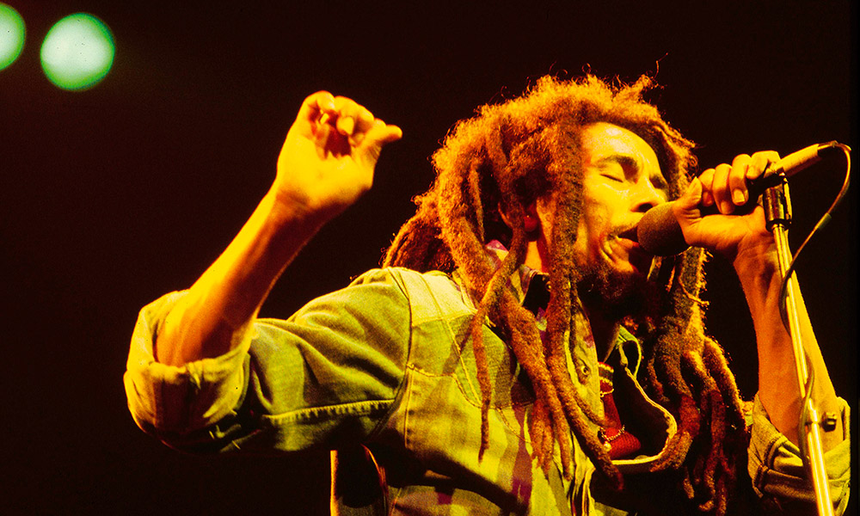

Bob Marley died on May 11, 1981, in Miami, Florida, at the age of 36. The cause was metastatic acral lentiginous melanoma, a rare and aggressive form of skin cancer that began under the nail of his right big toe and ultimately spread to his brain, lungs, and liver.
The question of how did Bob Marley die is one that resonates far beyond music history, because his case remains one of the most medically instructive and personally tragic stories in modern oncology.
What follows is a full timeline of his diagnosis, his treatment decisions, the spread of his cancer, and his final days.
What Is Acral Lentiginous Melanoma?
To understand how Bob Marley died, it is first necessary to understand the specific cancer that killed him. He was diagnosed with a rare, aggressive type of skin cancer called acral lentiginous melanoma (ALM), a name that comes from “acral,” an anatomical term for the peripheral parts of the body, and “lentiginous,” for freckled appearance.
Unlike melanomas that are caused by sun exposure, acral lentiginous melanomas form on non-hair-bearing surfaces of the body, including the palms of the hand, the soles and heels of the feet, and the nail beds of the fingers and toes.
Unlike most melanomas caused by ultraviolet radiation, ALM is more strongly linked to genetic factors and is the most common melanoma subtype found in people with darker skin tones.
Acral melanoma accounts for only about 2 to 3 percent of all melanomas, but makes up 36 percent of all melanomas in Black patients, 18 percent of all melanomas in Asians, and 1 percent of all melanomas in non-Hispanic whites.
In other words, this was not a disease of Marley’s own making. Its underlying cause remains poorly understood, and the soccer injury commonly associated with his diagnosis was not the origin of the cancer, but rather the event that led to its discovery.
1977: The Lesion, the Misdiagnosis, and the Real Diagnosis
The first indication that something was amiss with Bob Marley’s health was in the summer of 1977. Marley noticed that his right great toenail had become partially detached and painful after a soccer game in Paris, France, during a European tour.
He had received treatment months earlier for a soccer injury on that toe, and he described the site as “wounded” for years. This chronic, unhealed quality of the lesion is a clinically significant detail.
Contrary to urban legend, this lesion was not primarily caused by an injury during a football match that year, but was instead a symptom of already-existing cancer.
Two Doctors, a Biopsy, and a Confirmed Diagnosis
In 1977, Marley noted a pigmented lesion on the nail bed of his right great toe. After seeing two doctors, a biopsy was done and a diagnosis of melanoma made.
The first physician he saw thought a sports injury was a reasonable explanation. Since the lesion was growing, he saw a second physician, who was more suspicious and better informed, and performed a biopsy.
After consultation with the first physician, and although Marley reported that a “wound” at the same site had been “on and off” for years, the toenail was removed, but no specimen was sent for histopathologic examination. It was only the second opinion that produced the biopsy confirming cancer.
In July 1977, he was diagnosed with acral lentiginous melanoma on his right great toe, which presented as a pigmented subungual lesion.
The Decision That Changed Everything: Refusing Amputation
The medical staff recommended that the toe, and possibly even the foot, be amputated to prevent the cancer from spreading. At that stage, the melanoma was localized, and surgery offered a genuine chance of a cure.
There was a lack of effective treatment options for patients diagnosed with advanced melanoma in the 1970s. Ironically, the only one that might have saved or lengthened his life, surgery to remove the cancerous toe, was the one that he refused.
His Rastafarian religion considered it a sin to remove any part of the body. Marley attributed his reluctance to undergo surgery to his Rastafari faith, which considered deliberate cutting of the flesh to be an abomination.
There has also been speculation that concerns about his career played a role, since losing a toe could have affected his ability to perform and play soccer, a sport he loved at a near-professional level.
But the religious objection is the reason consistently cited in medical literature and accounts from people close to him.
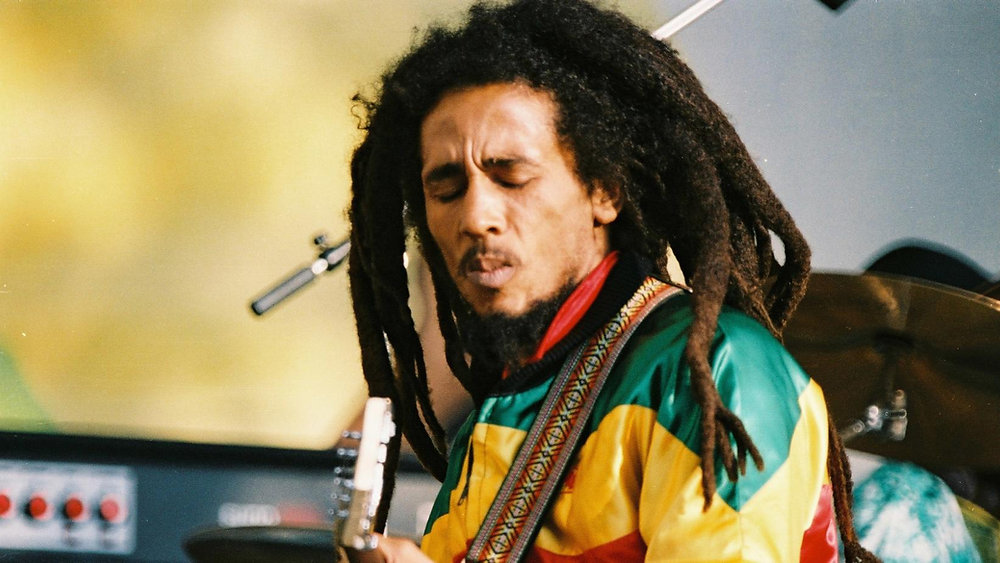
After a considerable amount of convincing, Marley submitted to a surgical excision to remove the cancerous tissue.
The operation and subsequent skin and tissue graft were performed by the renowned orthopedic surgeon Dr. William Baker at Miami’s Cedars of Lebanon Hospital.
Instead of amputating the toe as his doctors suggested, Marley opted to remove the nail and nail bed utilizing a skin graft obtained from his thigh.
The treatment was believed to have completely removed the cancerous lesion. That belief proved tragically incorrect.
1977 to 1980: Performing Through the Illness
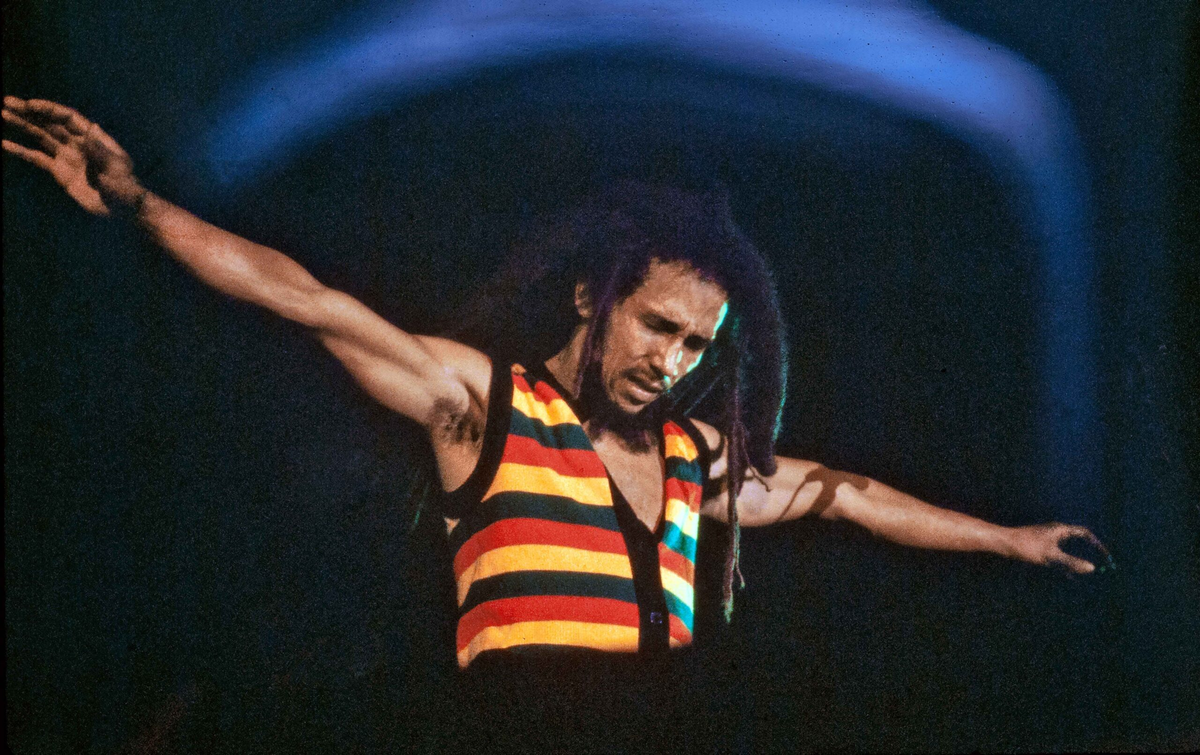
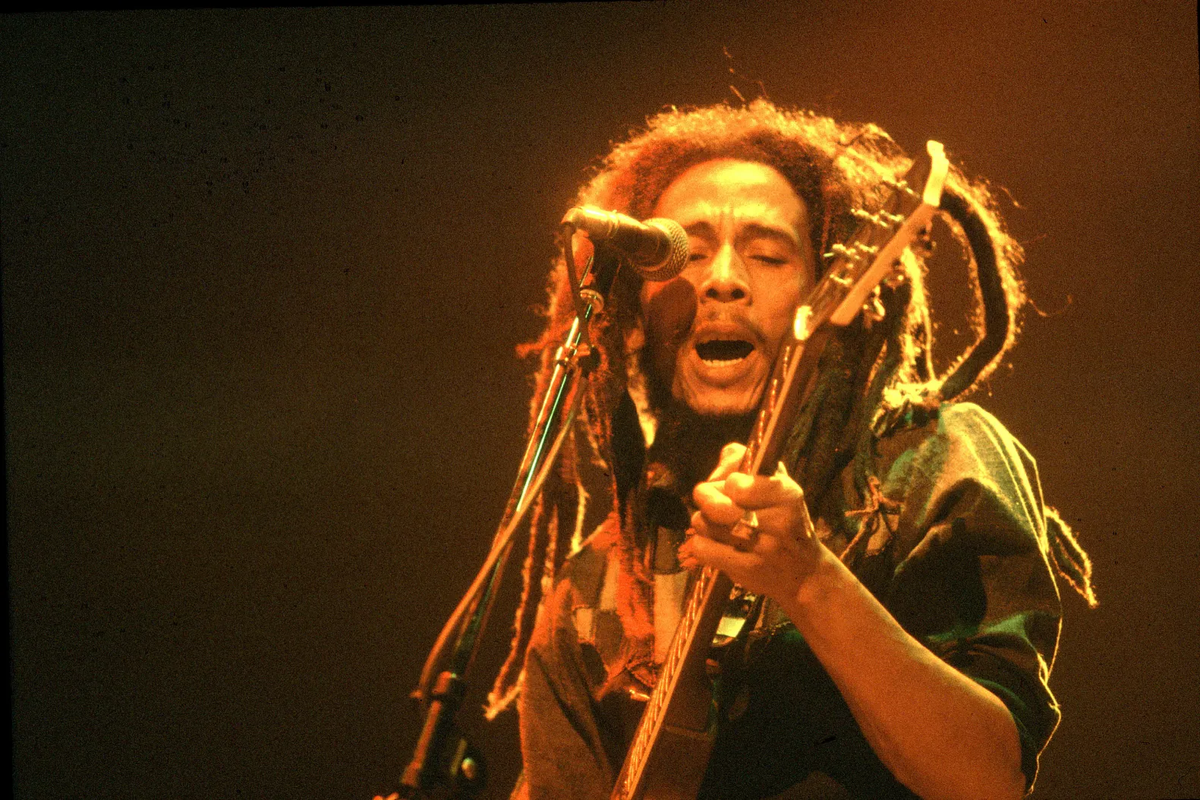
After the procedure, he continued to tour and perform for several years. This period saw some of the most celebrated recordings of his career, including the albums Exodus (1977), Kaya (1978), Survival (1979), and Uprising (1980). Outwardly, Marley appeared vital and prolific. Beneath the surface, the cancer was advancing.
The cancer’s spread was not publicly known during these years. Marley continued to be one of the most active touring musicians in the world, even as his body harbored a disease that was quietly metastasizing.
September 1980: The Collapse in Central Park
By the fall of 1980, Marley was on the Uprising Tour, promoting what would become his final studio album. On September 19, 1980, Bob Marley gave one of the defining performances of his career as opening act for American rhythm and blues band The Commodores at New York’s Madison Square Garden.
In town for shows at Madison Square Garden, Marley was jogging in New York City’s Central Park on September 21, 1980 when he collapsed, likely due to complications from the malignant melanoma cancer he was diagnosed with in 1977.
Tests at the hospital revealed that the melanoma found on Marley’s toe in 1977 had spread throughout his body. Doctors told him to cease touring immediately.
Two days prior to the Pittsburgh show, after playing two shows at Madison Square Garden, Marley collapsed in Central Park while jogging, and was told to immediately cancel the U.S. leg of the tour, but he instead flew to Pittsburgh to perform one final performance.
The Stanley Theatre, now known as The Benedum Center for the Performing Arts, was the home for the final public concert of Bob Marley’s career on September 23, 1980.
The final song of the show, and subsequently the last one Bob Marley performed in public before his death on May 11, 1981, was “Get Up, Stand Up.
Late 1980 to Early 1981: The Bavarian Clinic and Alternative Treatment
After the Pittsburgh concert, Marley sought treatment at the clinic of Josef Issels in Rottach-Egern, Bavaria, Germany, where he underwent an alternative cancer treatment called Issels treatment, partly based on avoidance of certain foods, drinks, and other substances.
Not wishing to use traditional Western medical approaches, he went to see Dr. Josef Issels at his clinic in Bavaria, Germany.
Issels claimed that his alternative methods of treating cancers had cured patients considered incurable by their physicians. His “combination therapy” aimed to correct faulty diet, remove any foci of infection such as teeth and tonsils, and “fortify” the intestinal flora.
He administered oxygen and ozone, transfusions of highly oxygenated blood, and “autovaccines” created to “desensitize the body.” Marley’s personal physician and friend, Carlton Fraser, MD, had learned about Issels and sent Marley to him.
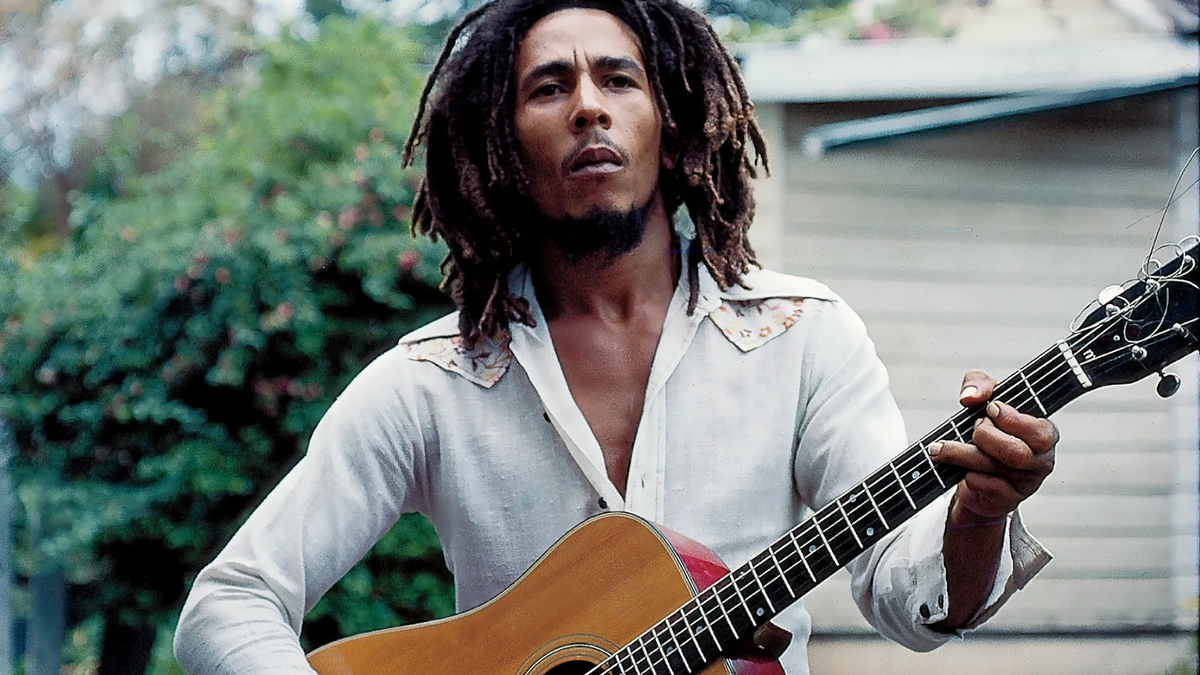
It is worth noting that Issels had a controversial professional history. Issels had been convicted of fraud and manslaughter nearly twenty years earlier, in 1961.
In 1964 the verdict was overturned because he “genuinely believed his therapy would cure cancer.” A review of Issels’ claims by the American Cancer Society concluded that there was no evidence that treatment with Issels Combination Therapy or any related treatments were effective against cancer.
U.S. doctors believed Marley would be dead by December, but under the care of Issels, Marley survived another eight months.
After an entire winter in Bavaria undergoing alternative ultraviolet light treatments, Issels had to admit to Marley in early spring that there was nothing more he could do for the singer.
He stayed there for five months, where he celebrated his 36th birthday. It was his last.
May 1981: The Flight Home and the Final Hours
After eight months of failing to effectively treat his advancing cancer, Marley boarded a plane for his home in Jamaica. During the flight, Marley’s vital functions worsened.
After landing in Miami, Florida, he was taken to Cedars of Lebanon Hospital, later the University of Miami Hospital, for immediate medical attention, where he died on May 11, 1981.
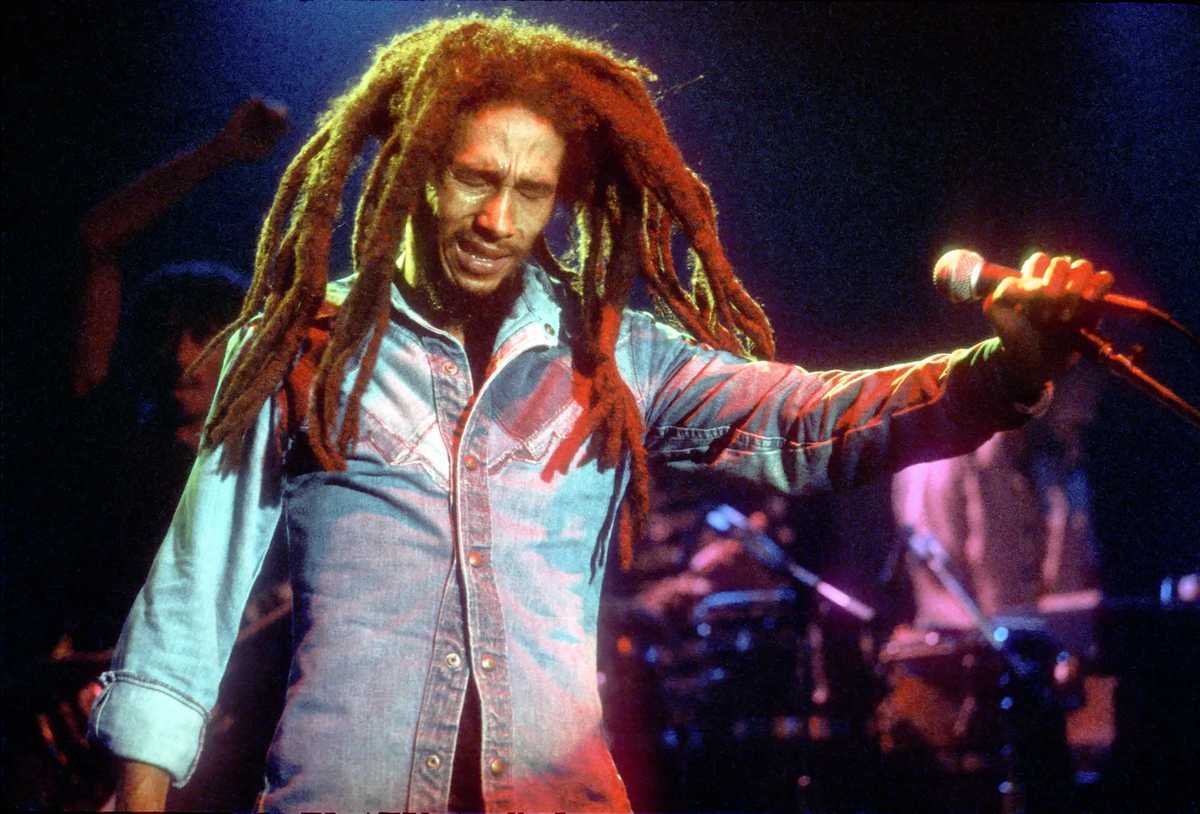
Although some contemporary reports described his illness as lung cancer and a brain tumor, the best-supported modern account is that those were reported sites of metastatic melanoma, not the original cancer.
He died at 11:45 a.m. on Monday, May 11, 1981, five days after checking into the hospital, according to The Miami Herald.
The spread of melanoma to his lungs and brain caused his death. His final words to his son Ziggy were “Money can’t buy life.
The State Funeral and Burial in Jamaica
It was in Miami that he succumbed to cancer on May 11, 1981. Although he did not reach Jamaica again while alive, he received a state funeral there.
Marley’s impact on Jamaica was evident as the announcement of the national budget was postponed to accommodate his state funeral. Invitations were sent, a mausoleum was constructed, and security was organized at the National Arena.
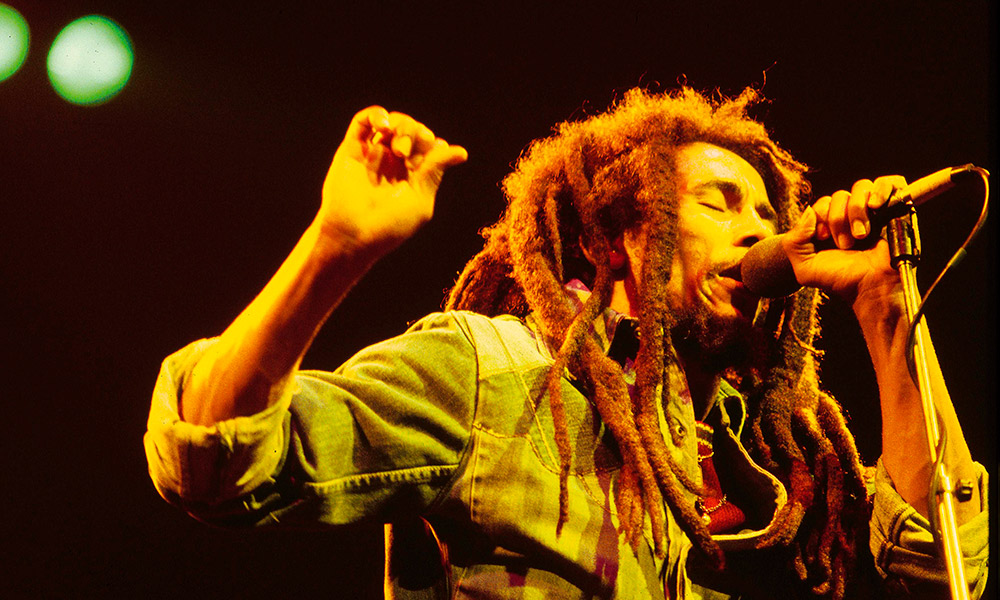
The prime minister, Edward Seaga, prepared a eulogy for the ceremony, acknowledging Marley’s contributions with the Order of Merit conferred weeks before his death.
The day before the funeral, a service for family and close friends took place at the Ethiopian Orthodox Church of the Holy Trinity.
The coffin, after the service, was transported to the National Arena, where a 6,000-strong congregation gathered.
He was buried in a chapel near his birthplace.
Bob Marley’s story is regularly cited by dermatologists and oncologists as a case study in the consequences of delayed diagnosis and refused treatment in acral lentiginous melanoma.
Marley has served as the posthumous poster child for skin cancer in people with skin of color for decades and has raised public awareness of this rare form of malignant melanoma.
The five-year survival rate for Black people with melanoma is 70 percent. Most deaths from ALM occur when it is diagnosed late, after it has begun to spread. If Marley’s cancer had been treated early, it could have possibly been cured.
The racial dimension of his case also continues to resonate. It is probably 20 times more common for white people to get skin cancer than African-Americans, but if an African-American gets skin cancer, they are more likely to die from it.
In 2020, about half of practicing dermatologists and dermatology residents said they were not adequately trained to diagnose skin disorders in people of color.
Key Dates
February 6, 1945, Robert Nesta Marley is born in Nine Mile, Jamaica.
Summer 1977, Marley injures his right big toe during a soccer game in Paris while on European tour. The nail partially detaches.
July 1977, After seeing two doctors, a biopsy confirms acral lentiginous melanoma on his right great toe.
Late 1977, Marley undergoes excisional surgery with a skin graft at Cedars of Lebanon Hospital in Miami, performed by Dr. William Baker. Amputation is refused on religious grounds.
1977 to 1980, Marley continues to tour and record, releasing Exodus, Kaya, Survival, and Uprising.
September 19 to 20, 1980, Marley performs two nights at Madison Square Garden in New York.
September 21, 1980, Marley collapses while jogging in Central Park. Tests confirm the cancer has spread throughout his body.
September 23, 1980, Marley performs his final concert at the Stanley Theatre (now the Benedum Center) in Pittsburgh, closing with “Get Up, Stand Up.
Late 1980 to early 1981, Marley travels to the Ringberg Clinic in Rottach-Egern, Bavaria, Germany, and spends approximately five months under the alternative care of Dr. Josef Issels.
February 6, 1981, Marley celebrates his 36th birthday at the Bavarian clinic.
Early May 1981, Issels acknowledges he can do nothing more. Marley boards a flight for Jamaica.
May 11, 1981, The flight diverts to Miami due to Marley’s deteriorating condition. He dies at 11:45 a.m. at Cedars of Lebanon Hospital.
May 21, 1981, Marley receives a state funeral in Kingston, Jamaica, attended by thousands.
The four years between his diagnosis and his death were filled with some of his most enduring creative work, but the cancer was always advancing.
His story is not simply a biographical footnote; it is a continuing public health lesson about skin cancer in people of color, the importance of early detection, and the complex intersection of faith and medicine