
Few protest songs have crossed as many borders, decades, and genres as “Get Up, Stand Up.” The get up stand up meaning is, at its core, a demand for present-tense justice: stop waiting for divine intervention, claim your rights right now, and do not surrender the fight.
Written by Bob Marley and Peter Tosh and released in 1973, the song has served as the soundtrack to liberation movements from Kingston to Johannesburg, and it remains one of the most urgently relevant pieces of music ever committed to tape.
Who Wrote “Get Up Stand Up” and When?
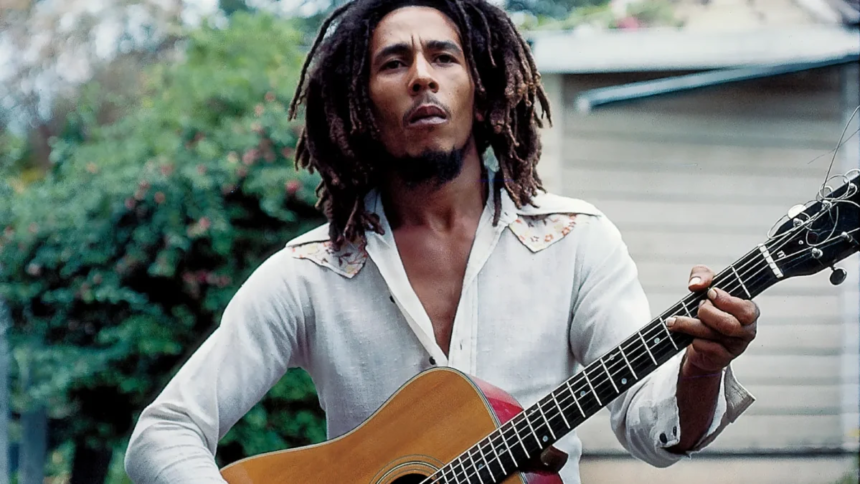
“Get Up, Stand Up” is a song written by Bob Marley and Peter Tosh. It originally appeared on The Wailers’ 1973 album Burnin’. The single was released on 14 September 1973, recorded at Harry J. Studios in Kingston, Jamaica, and issued on the Tuff Gong and Island labels.
Burnin’ is a roots reggae album by The Wailers, released in 1973. It was the last album featuring the classic trio of Bob Marley, Peter Tosh, and Bunny Wailer before Tosh and Bunny departed for solo careers and the band became known as Bob Marley and the Wailers.
Burnin’ opens with “Get Up, Stand Up” and includes a more confrontational and militant tone than previous records.
The co-authorship matters enormously to understanding the song. Peter Tosh, co-writer of the song, was an imposingly tall man who did not pussyfoot when it came to delivering a message.
As Chuck D has noted, “Get Up, Stand Up” was a song that called for action, both physical and spiritual, and was “a testament to the toughness that they had growing up in Jamaica, struggling for respect and equality.”
The combination of Marley’s melodic urgency and Tosh’s blunt militancy shaped the song’s escalating emotional temperature in ways that neither writer could have achieved alone.
The Inspiration: Haiti and Trenchtown
“Get Up, Stand Up” was apparently written in response to a visit to Haiti, when Bob saw the poverty of the island’s people. Marley wrote the song while touring Haiti, deeply moved by its poverty and the lives of Haitians, according to his then-girlfriend Esther Anderson.
The precise details of the trip remain difficult to verify with certainty. The song was apparently written in response to that visit to Haiti, though it is not easy to find concrete evidence about the details of Bob’s trip there.
He was no stranger to poverty, having grown up in the Trenchtown ghetto of Kingston, Jamaica, so chances are Bob might have been moved to write the song anyway.
What is clear is that the poverty Marley witnessed in Haiti reflected the same systemic oppression he and Tosh had experienced in Kingston. Bob Marley and Peter Tosh, the writers of the song, grew up in Jamaica where they had to fight for acceptance and respect for their religion.
The song is all about standing up against oppression and taking action.
Breaking Down the Get Up Stand Up Meaning, Verse by Verse
The song’s central message lives in its chorus. The most prominent formal feature of the song is its chorus; essentially it advocates struggling to better one’s situation and not accepting one’s fate in this life on the basis of some afterlife promise.
The repeated command to “get up, stand up” functions as both a personal and collective instruction. Released in 1973 by The Wailers, the song transcends its reggae origins and challenges the notion that change will materialise without concerted effort.
One of the song’s most striking refrains transforms passive listeners into active participants by critiquing blind faith and the idea that people should simply endure suffering in the hope of a better afterlife.
The first verse begins the use of apostrophe, that is to say Marley directs his argument towards a figurative preacher, and begins it with a negation: “preacher man, don’t tell me.”
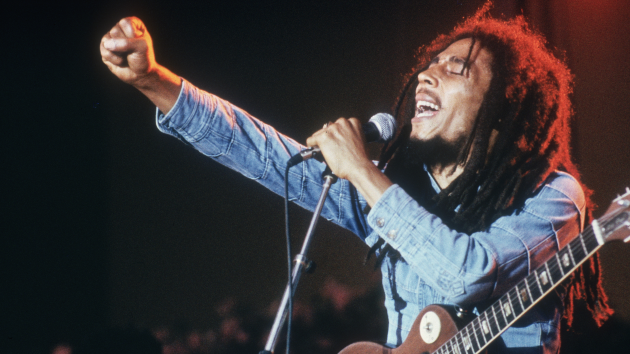
This preacher is a stand-in for the existing conventional religious tradition and their powers to persuade the weak to be docile in their plight.
In these lyrics Bob Marley offers a resounding critique of traditional modes of Western Christianity which had served as a means of domination and oppression in Jamaica.
The verse is not an attack on spiritual faith itself; it is a targeted critique of how religious doctrine had historically been used to keep colonised and enslaved peoples compliant, promising reward after death rather than justice in life.
“Get Up, Stand Up” blasts religious hypocrites and commands listeners to start thinking for themselves. The song includes three verses dealing with what is, according to Rastas, common misconceptions about the world often accepted by religious persons.
The song serves as a wake-up call to those who might miss the prophetic message of reggae music, illustrated in the lines about most people thinking great God will come from the skies to take away everything and make everybody feel high.
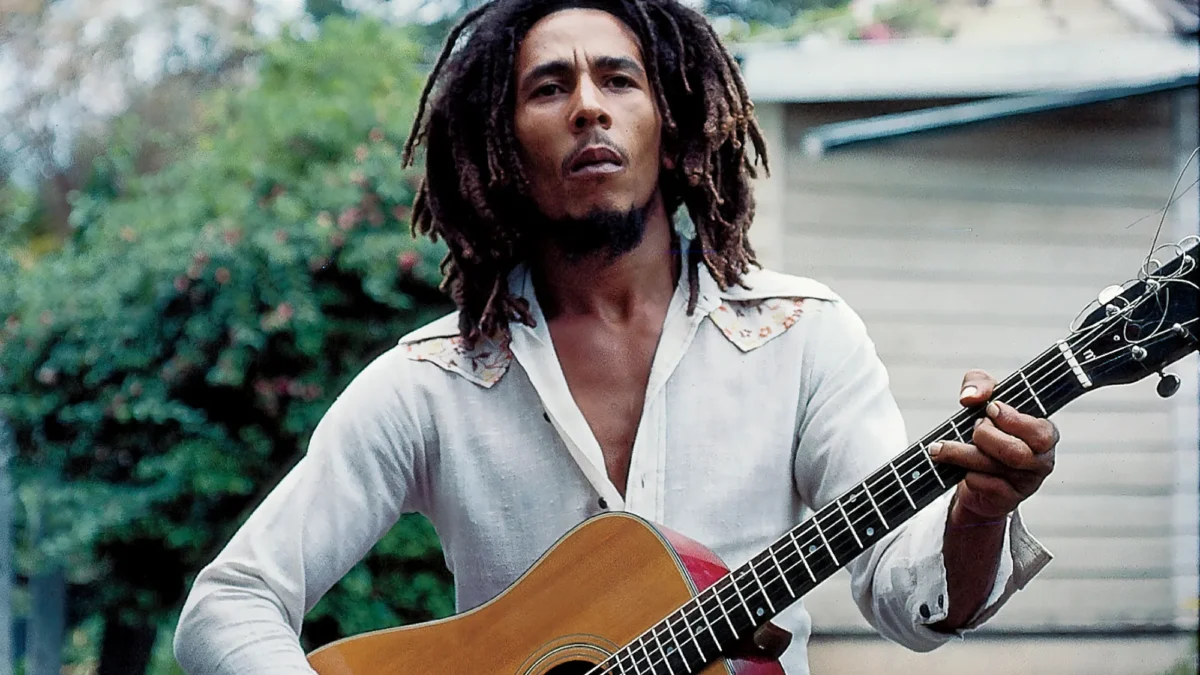
The counter-message: “But if you know what life is worth, you will look for yours on earth.” This is the theological heart of the song. Rastafari philosophy teaches that liberation is achievable in the living world, not deferred to a celestial afterlife.
The song’s final verse belongs primarily to Peter Tosh in the original recording, and it carries his characteristic bluntness. In the Wailers recording of the song, the lyrics are sung at different points by Bunny, Tosh, and Marley.
After Tosh left the group, Marley adjusted some of the lyrics in live performance to align with the guidance of the Twelve Tribes, a Rastafarian organisation he had joined.
When Peter left, Bob changed the lyrics of the last verse from “We’re sick and tired of your bullshit game / to die and go to heaven in Jesus’ name,” which were originally sung by Peter, to a softer version referencing “isms and skisms,” due to pressure from the Twelve Tribes.
The Rastafari Dimension
Understanding the get up stand up meaning in full requires understanding Rastafari. In many ways, this pivotal song serves not only as a call to action, but offers a more confrontational and militant tone than previous records either by The Wailers or other reggae bands of the era.
The song is the ultimate musical evocation of the Rastafarian aesthetic, and a worthy political or social protest song as well. Rastafari rejects the idea that Black people should wait for divine deliverance; it insists on agency, dignity, and resistance in the present. “Get Up, Stand Up” translates that theology directly into song, making it accessible to listeners with no knowledge of Rastafari doctrine.
Drawing from their troubled island’s political strife and its musical traditions, and combined with plain-spoken language that transcends time and space, Marley and Tosh built their track on a bedrock of groove and a strong lyrical statement of fact: unalienable rights are not reserved for a special class or for those who wait patiently for greener pastures; rather, all human life under the sun is of equal value, right here and right now.
The Song’s Place on the Burnin’ Album
It is no accident that “Get Up, Stand Up” opens Burnin’. Although Jamaica was free from the shackles of its British colonial rulers during most of Marley’s recording career, the island was still gripped by violence and corruption. Burnin’, released in 1973, remains the most genuine definition of the roots reggae sound.
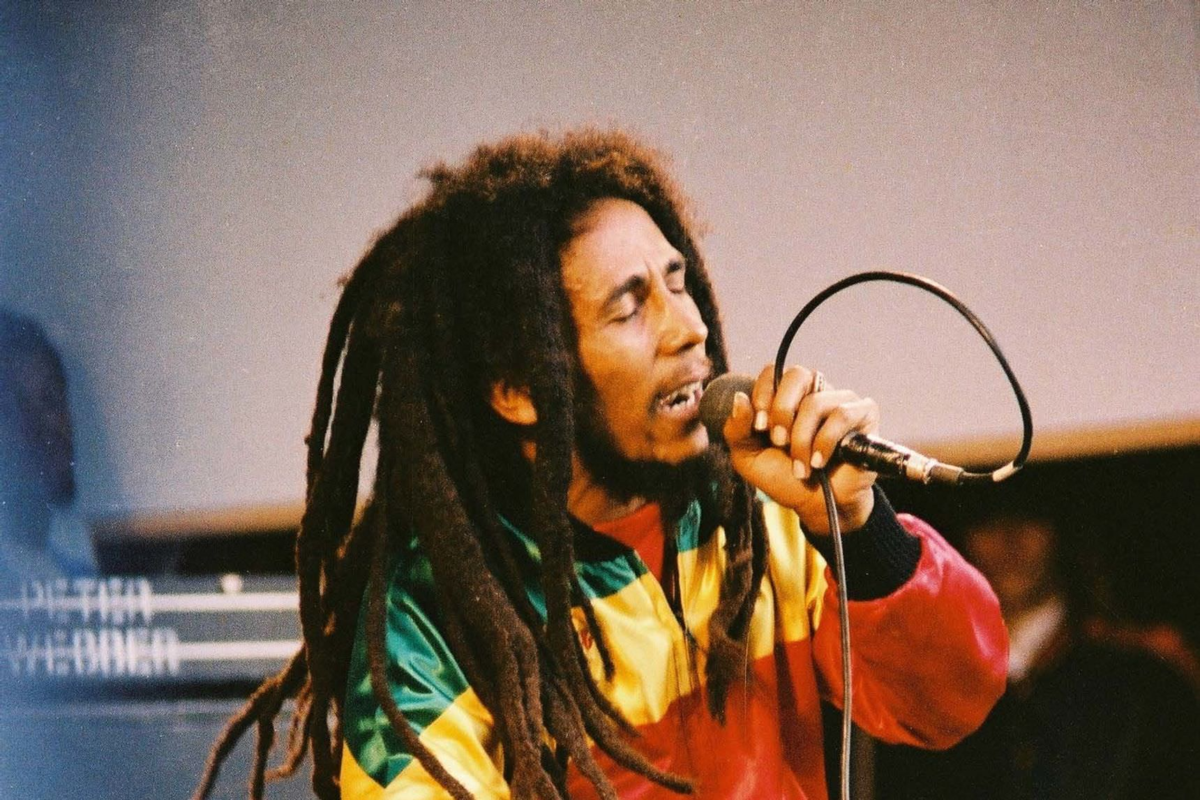
Placing the song as the album opener was a declaration of intent. Every track that followed, including “I Shot the Sheriff” and “Burnin’ and Lootin’,” extends the same argument: the system is broken, and passive acceptance is not an option.
Burnin’ peaked at number 151 and number 41 on Billboard’s Pop Albums and Black Albums charts respectively.
Live Legacy: The Song Marley Could Not Let Go
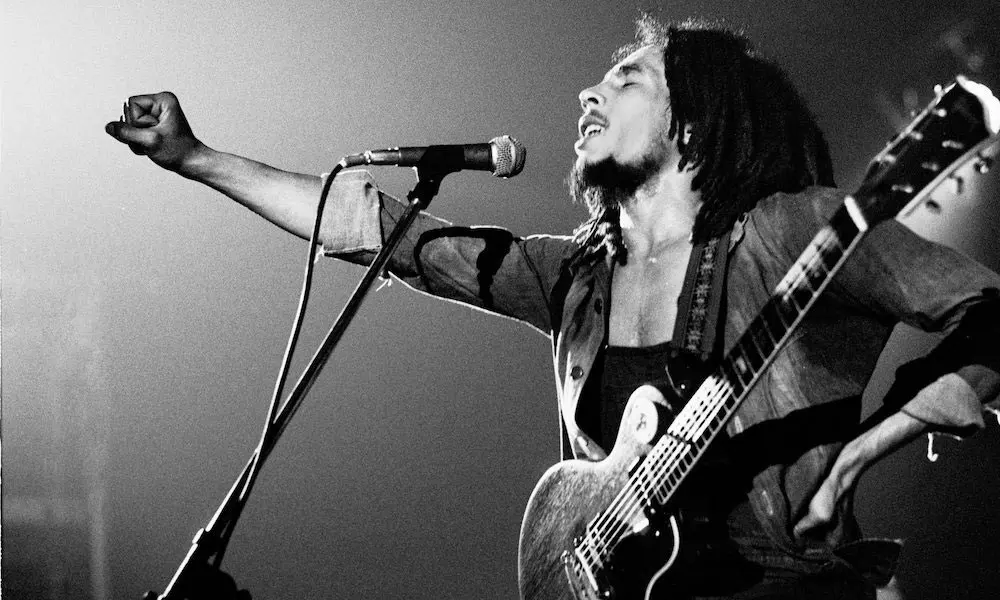
Serving as the signature anthem for The Wailers, the band often made this the last song they played at each of their concerts. That practice made the song’s final live performance all the more poignant.
Marley played his final concert on September 23, 1980, in Pittsburgh, Pennsylvania, two days after collapsing while jogging in Central Park and learning that his melanoma had spread to his brain, lungs, and liver. “Get Up, Stand Up” was the last song Marley ever performed on stage, on 23 September 1980 at the Stanley Theater, now the Benedum Center in Pittsburgh, Pennsylvania.
He sat on a stool singing it as part of his final encore in Pittsburgh. The image of a terminally ill man closing his last concert with a song called “Don’t Give Up the Fight” is among the most powerful footnotes in popular music history.
“Get Up, Stand Up” was also a pivotal track on Marley’s breakthrough Live! album in 1975. A fine version taped live in 1973 at the Record Plant in Sausalito, California, was unearthed for the album Talkin’ Blues, released in 1991, and the song formed part of a militant medley on Live at the Roxy from 1976, issued in 2003.
Solo Versions and Wider Cultural Impact
Peter Tosh returned to the song for his second solo album, 1976’s Equal Rights, and the following year Bunny Wailer delivered a thrilling funky version on his sophomore solo record, Protest.
Tosh’s version slightly altered the lyrics and the musical key to suit his lower register and fiercer delivery; for him, the song was never anything less than a personal manifesto.
In 1988, the song was performed live at an Amnesty International Concert for Human Rights by Bruce Springsteen, Sting, Peter Gabriel, Tracy Chapman, and Youssou N’Dour.
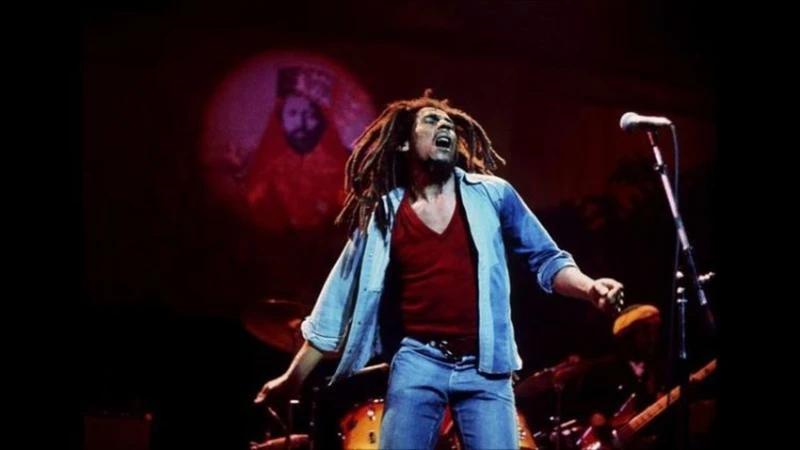
That lineup, assembled from the biggest names in mainstream global pop, demonstrated that the song’s message had long since escaped the boundaries of reggae.
Today “Get Up, Stand Up” serves as the official anthem of Amnesty International, the first name in human-rights activism.
In the United States, “Get Up, Stand Up” resonated deeply with the civil rights movement and the enduring battle for racial equality.
Although released after the peak of the 1960s movement, its themes of resistance and self-determination aligned seamlessly with the struggle against systemic racism, police brutality, and economic injustice.
Since its release, “Get Up, Stand Up” has been recorded by the Wailers’ reggae brethren, Toots and the Maytals, dancehall artist Shaggy, Marley progeny Ziggy, and Tosh’s sons Andrew and Tosh-1.
The Rolling Stones played it on their A Bigger Bang Tour, possibly having picked it up from Peter Tosh, who was signed to their label in 1978.
Critical Recognition and Grammy Hall of Fame
“Get Up, Stand Up” is considered one of Marley’s greatest songs. In 2020, Rolling Stone ranked it number one on their list of the 50 greatest Bob Marley songs, while The Guardian ranked it number two on their list of Marley’s 30 greatest songs.
In 1999, the 1973 recording of “Get Up, Stand Up” by Bob Marley and The Wailers on Island Records was inducted into the Grammy Hall of Fame.
Bob Marley and The Wailers‘ “Get Up, Stand Up,” written by Bob Marley and Peter Tosh, was certified Silver by the British Phonographic Industry (BPI).
The song, which originally appeared on The Wailers’ 1973 album Burnin’, has sold more than 200,000 units in the UK.
In 1973, “Get Up, Stand Up” peaked at number 33 on the Dutch Top 40. In 1986, it peaked at number 49 in New Zealand.
Why the Get Up Stand Up Meaning Still Resonates in 2026
The song’s endurance is not accidental. Unlike many protest songs tied to a specific political moment, “Get Up, Stand Up” targets the underlying architecture of oppression rather than any single government or policy.
Its argument is philosophical: the belief that suffering in this life is a precondition for reward in the next is itself a tool of control, and recognising that is the first step toward liberation.
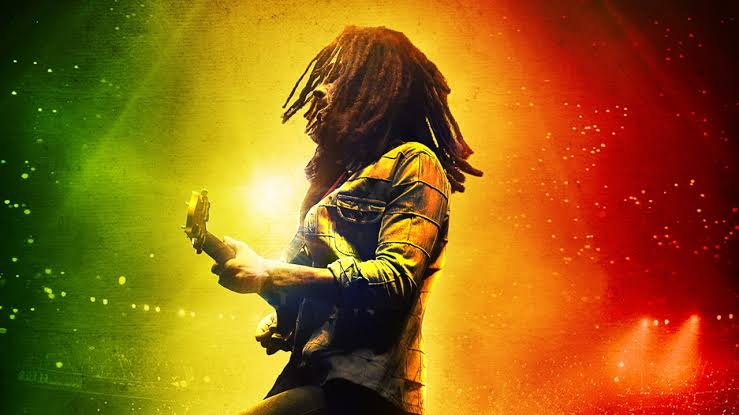
The song has been widely recognised as a pivotal song within the reggae genre. It helped establish reggae music as a vehicle for social and political commentary, leading the way for future artists to use their platform to address important issues.
A powerful call to action, Bob Marley’s “Get Up, Stand Up” continues to resonate with those struggling to overcome oppression.
More than five decades after Peter Tosh and Bob Marley first sang it at Harry J. Studios in Kingston, that chorus remains an instruction, a prayer, and a warning in equal measure.
Key Facts at a Glance
- Written by: Bob Marley and Peter Tosh
- Originally released: 14 September 1973 (single); 19 October 1973 (on Burnin’)
- Recorded at: Harry J. Studios, Kingston, Jamaica
- Producers: Chris Blackwell and The Wailers
- Label: Tuff Gong / Island Records
- Grammy Hall of Fame induction: 1999
- Rolling Stone ranking: No. 1 on their list of the 50 Greatest Bob Marley Songs (2020)
- Amnesty International: Official anthem of the organisation
- Last live performance: Bob Marley, Stanley Theater, Pittsburgh, 23 September 1980