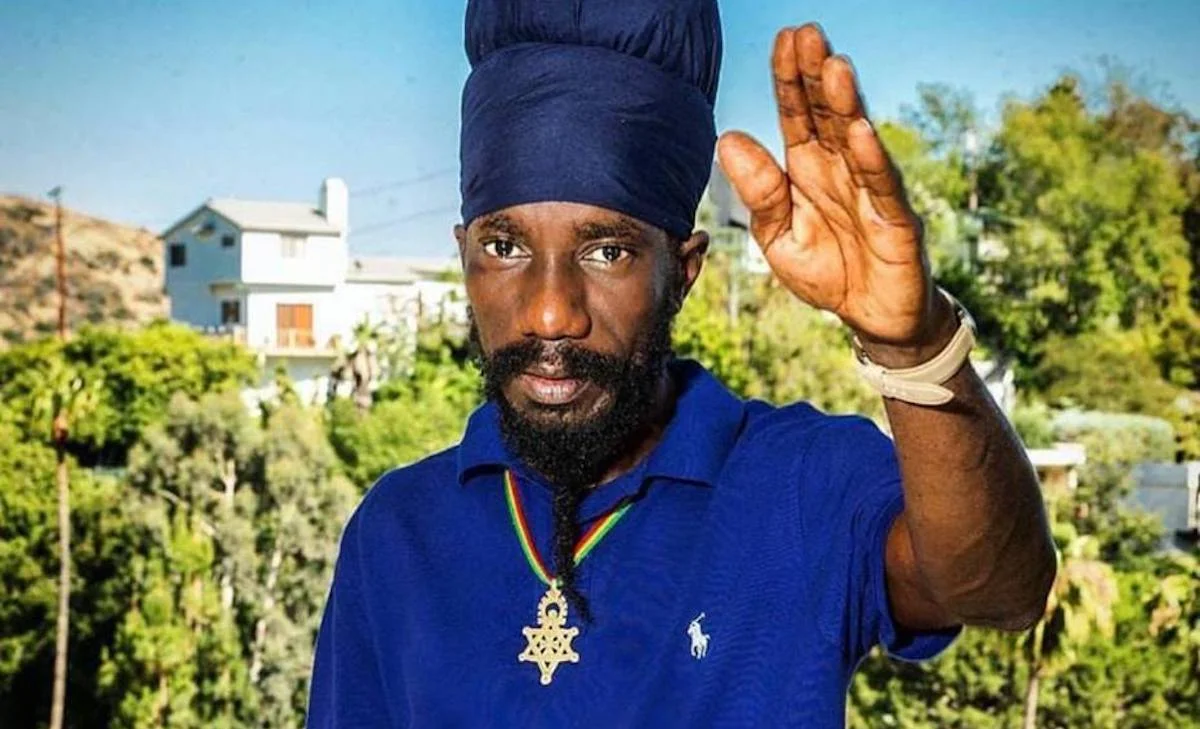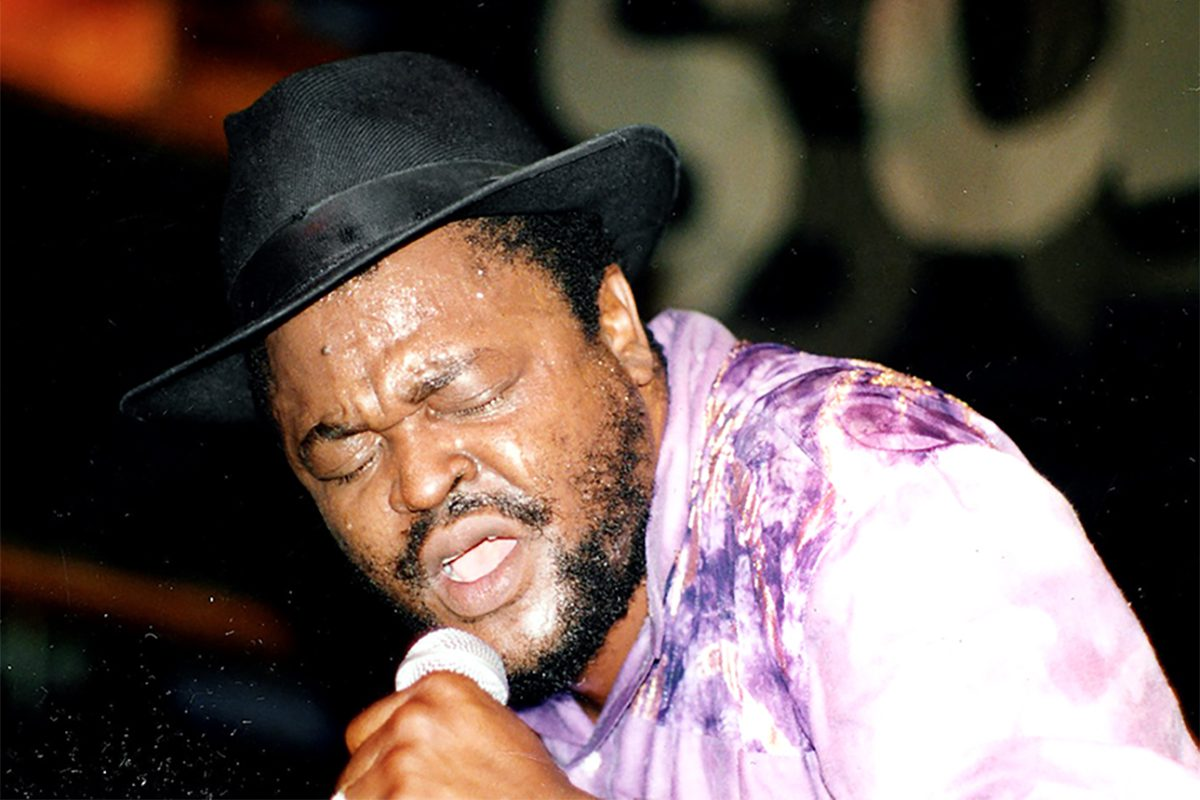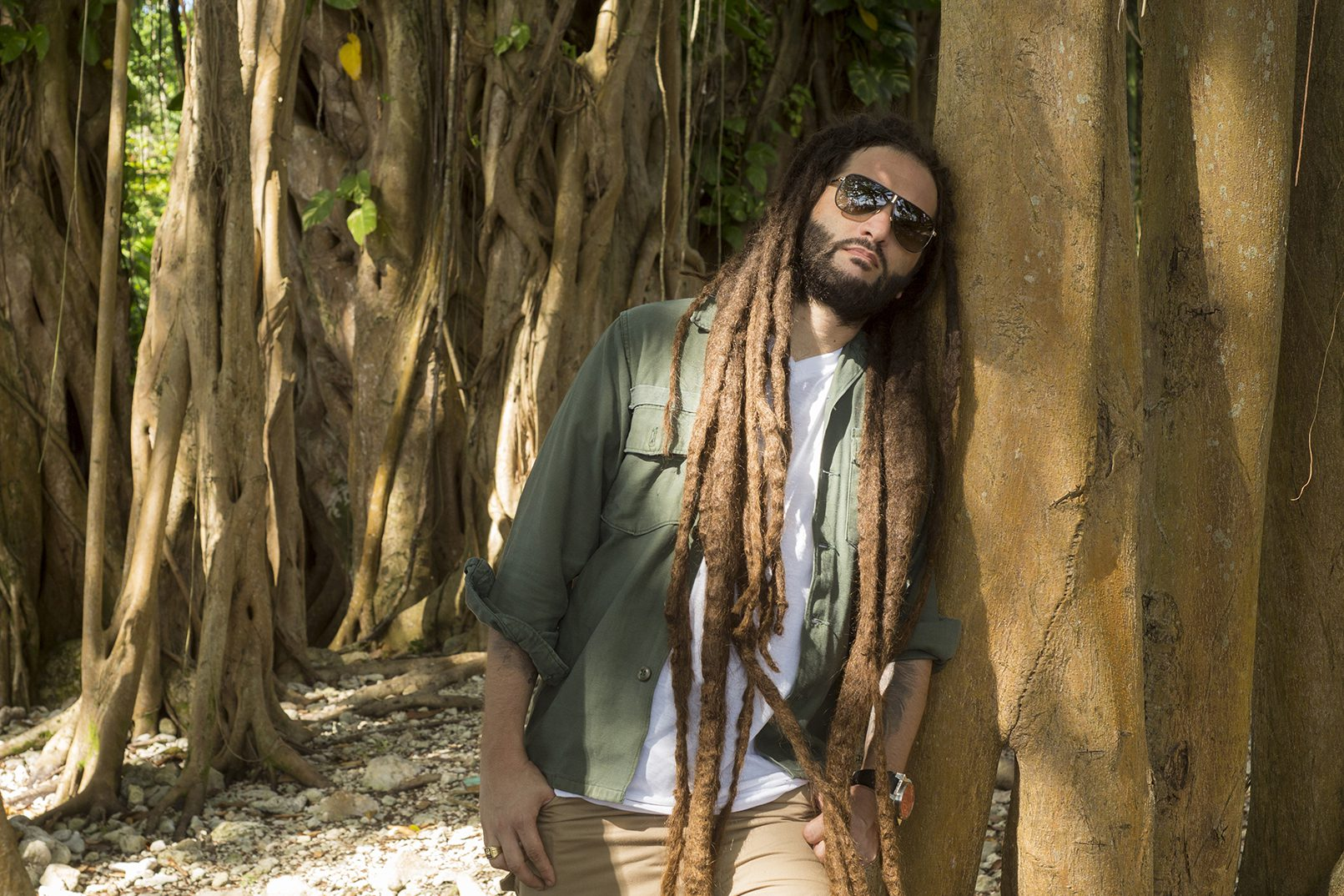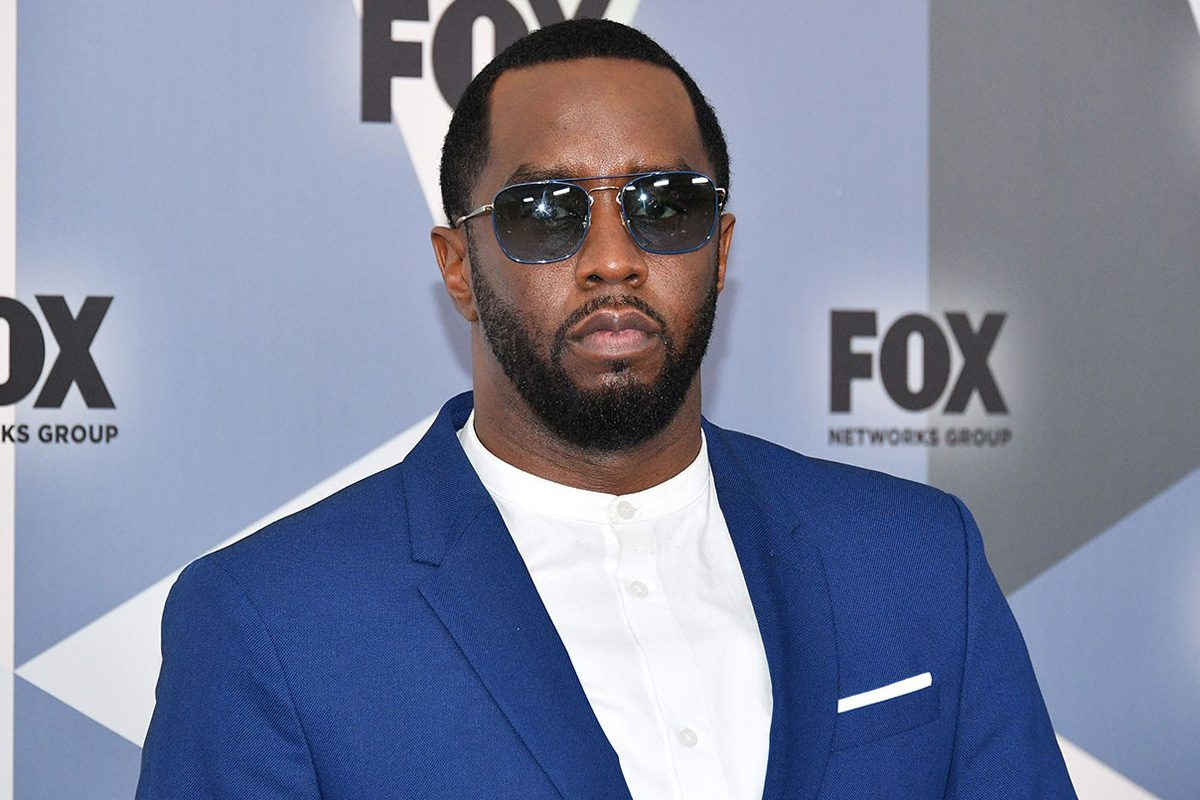

Super Cat net worth is a subject that sparks genuine curiosity among reggae and dancehall fans worldwide, and for good reason.
William Anthony Maragh, born 25 June 1963 in Kingston, Jamaica, and known to the world as Super Cat, is a Jamaican deejay who achieved widespread popularity during the late 1980s and early 1990s dancehall movement.
Over a career stretching more than four decades, he has generated income through major-label recording contracts, independent label ownership, high-profile feature credits, and ongoing touring.
This page pulls together every verifiable figure and career milestone related to Super Cat’s finances and professional history, and will be updated annually as new information becomes available.
What Is Super Cat’s Net Worth in 2026?
Precise wealth data for Super Cat is not publicly disclosed, and no audited financial statement or verified self-reported figure exists in the public record.
The only widely cited estimate comes from FamousNetWorth.org, which places Super Cat’s net worth at $1.4 million. That figure, however, dates from a 2016 publication and carries no sourcing methodology.
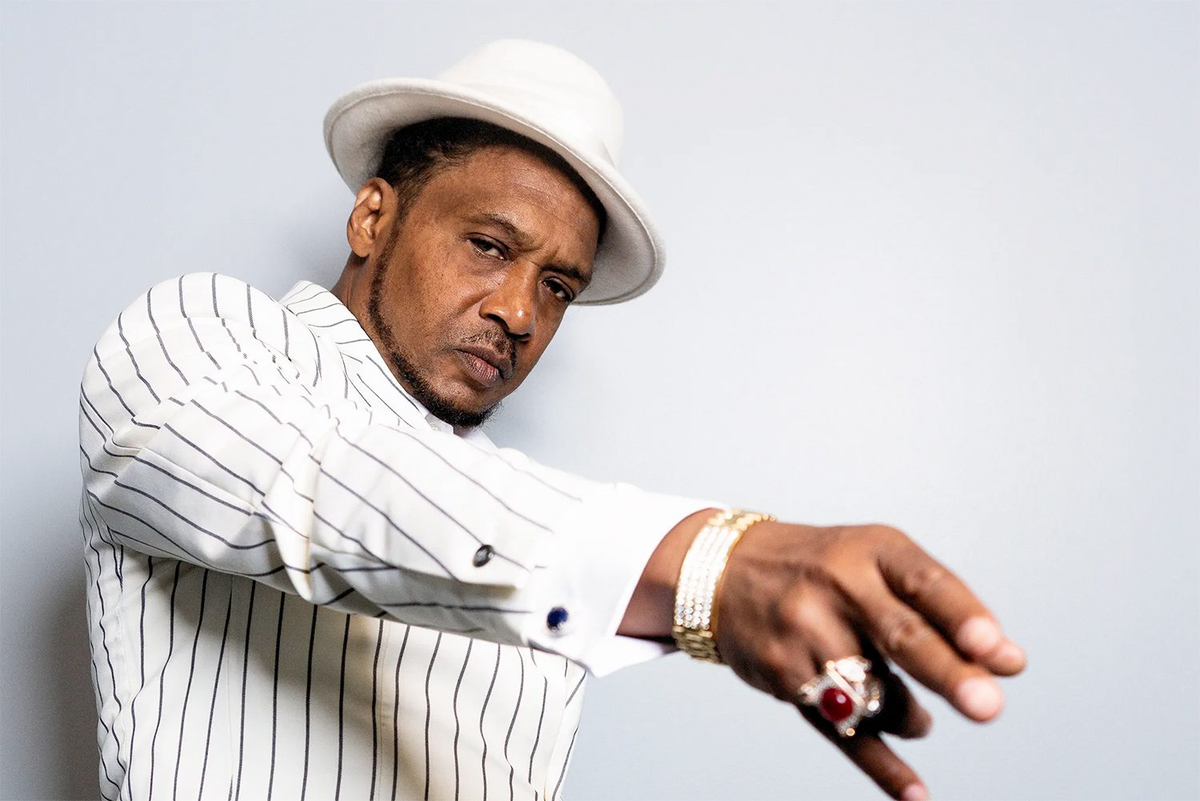
Online estimates of Super Cat’s net worth vary. While it is relatively simple to predict his income, it is harder to know how much he has spent over the years, as personal spending on lifestyle, real estate, taxes, staff, and other expenses are typically private.
Working estimate for 2026: Based on the single publicly available estimate of $1.4 million (FamousNetWorth.org, 2016) and the absence of any higher or lower independently verified figure, DancehallMag notes this number as unconfirmed and likely outdated. No credible range from multiple independent financial sources exists at this time. Readers should treat any specific figure circulating online as an estimate, not a confirmed fact.
Who Is Super Cat? A Career Overview
Understanding Super Cat’s earning potential requires an understanding of his place in music history.
Super Cat is considered one of the greatest deejays in the history of the Jamaican dancehall scene. Born of Indian descent, Super Cat was raised in Kingston’s tough Seivright Gardens neighborhood, then known as Cockburn Pen.
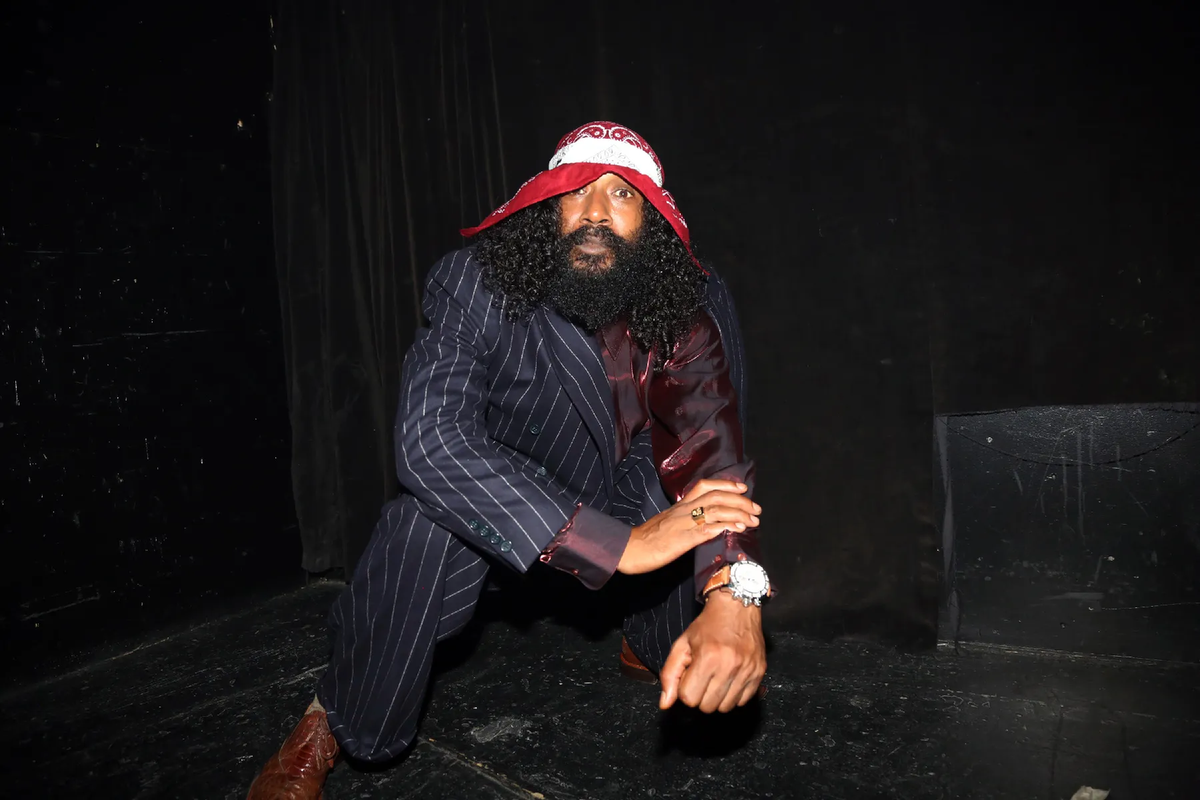
By the time he was eight years old, he was hanging out at a local club called Bamboo Lawn, assisting the crew of the Soul Imperial sound system and absorbing the dancehall rhymes of deejays like Dillinger, Ranking Trevor and Early B the Doctor.
His first single, “Mr. Walker,” produced by Winston Riley, was released in 1981 and established his recording career. He has remained active from 1981 to the present, recording under the labels Columbia and Sony.
Key Revenue Streams
One of the most important financial decisions of Super Cat’s career was founding his own imprint. He started his own Wild Apache Productions label and began producing his own recordings, including the 1988 album Sweets for My Sweet.
The self-produced album Sweets for My Sweet followed in 1988, as did a number of singles produced for other artists on the Wild Apache imprint; Super Cat also teamed up with Nicodemus and Junior Demus for the first triple-team DJ album in dancehall history, Cabin Stabbin’.
Owning the label meant retaining a larger share of publishing and master royalties than a typical artist signed exclusively to a major, a structural advantage that continues to generate passive income decades later.
Continuing success saw him move to the United States and sign a contract with Columbia Records, releasing one of the first dancehall albums on a major label, Don Dada (1992). Released May 12, 1992, it was his first album on Columbia Records and one of the first dancehall albums for a major label.
The album peaked at No. 37 on Billboard’s Top R&B Albums chart. Super Cat promoted it with North American and Japanese tours. The album’s lead single “Dolly My Baby” became a commercial standout: the song was a major success for Super Cat, reaching number 64 on the R&B singles chart and number 21 on both the rap and dance charts.
Several high-profile TV and concert festival appearances followed, and Source magazine named Super Cat their Dancehall Artist of the Year for 1993.
Cat would stay around with Columbia for another two albums between 1993 and 1995. Super Cat’s own fusion of dancehall, roots reggae, hip-hop, and R&B was next showcased on the proper follow-up to Don Dada, 1995’s The Struggle Continues.
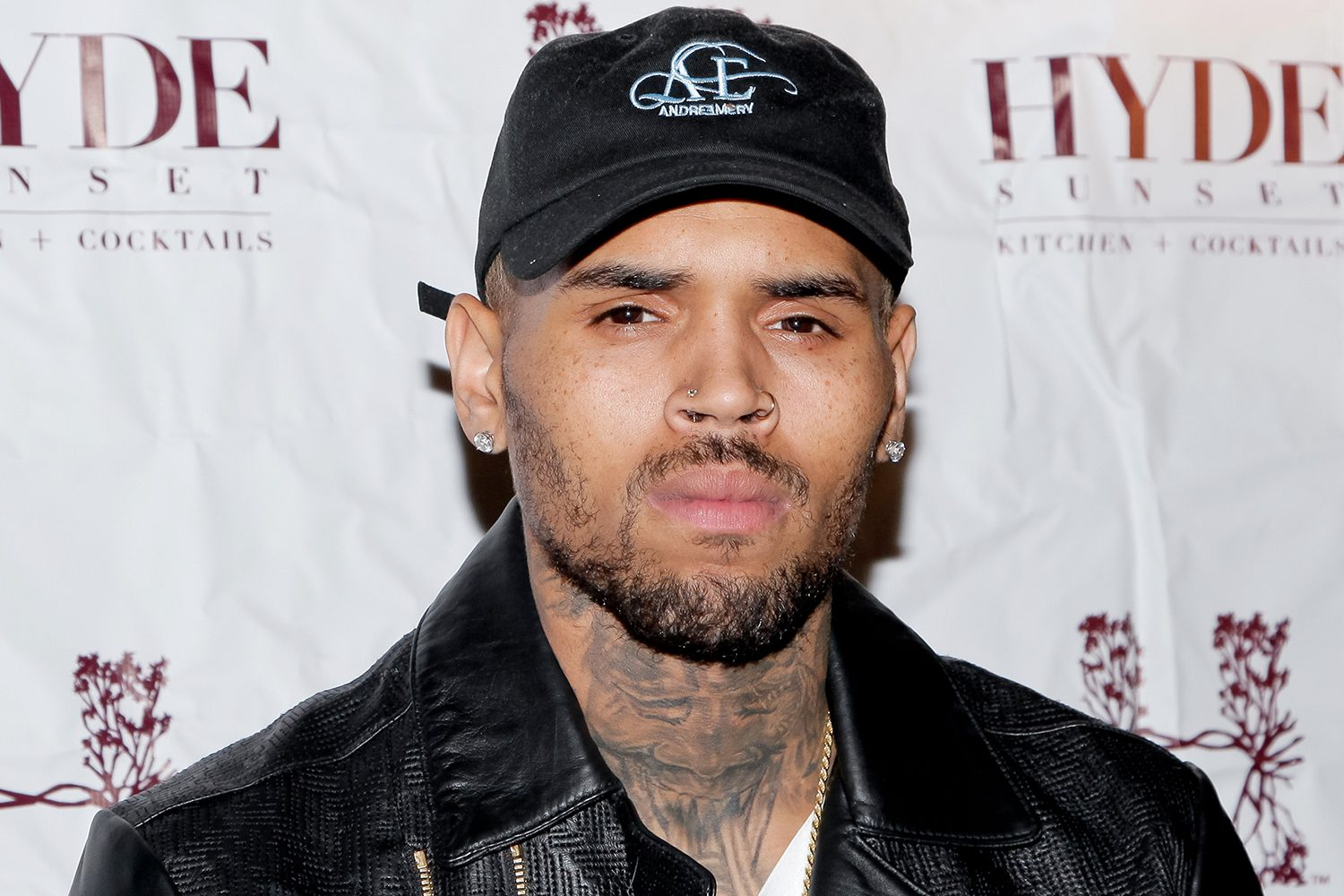
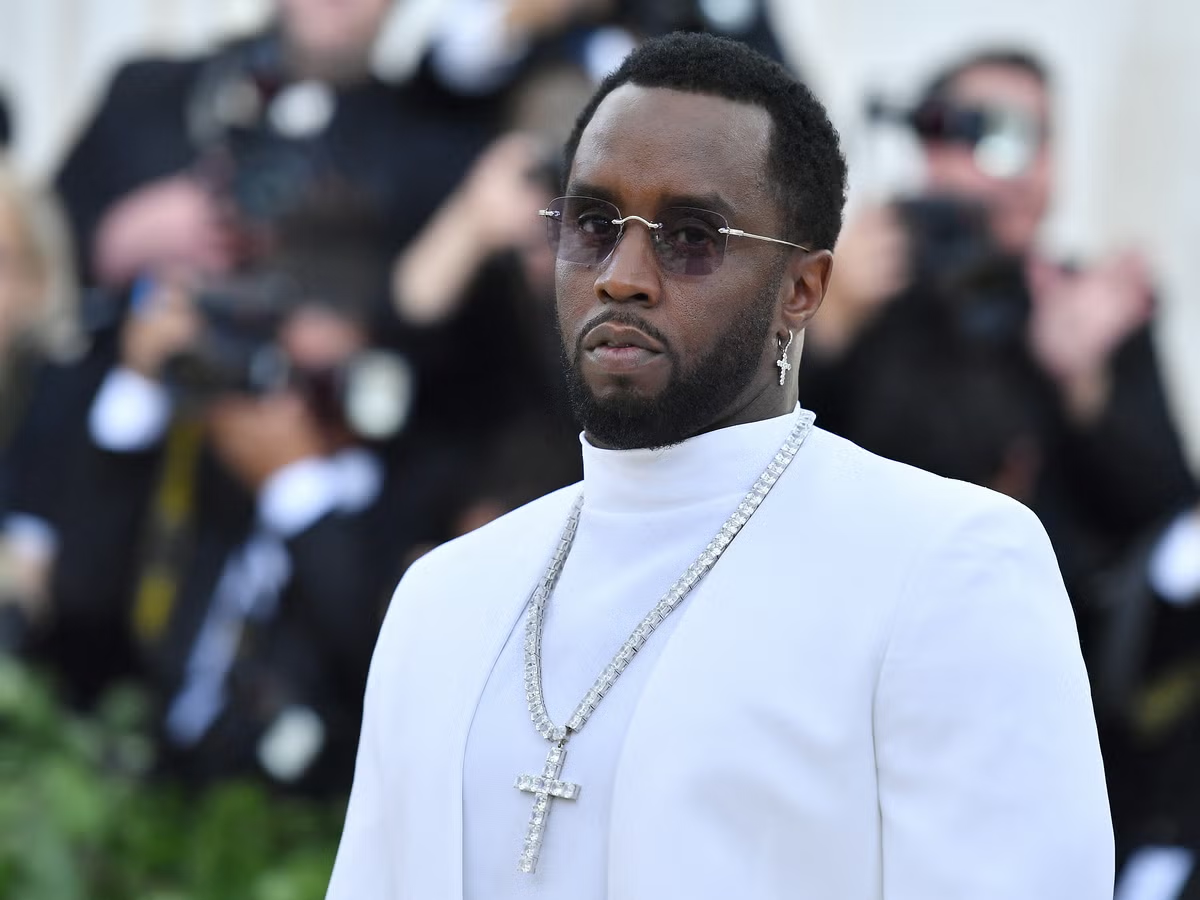
Maragh helped pioneer the fusion of dancehall with hip-hop and R&B, now known as reggae fusion, collaborating with then-rising stars like Puff Daddy, Heavy D, Mary J. Blige, Wu-Tang Clan’s Method Man, Kris Kross, and DJ Muggs from Cypress Hill.
He was also an early collaborator with The Notorious B.I.G., featuring the then-unknown artist (along with Mary J. Blige, 3rd Eye, and Puff Daddy) on the B-side remix of “Dolly My Baby” in 1993.
In the early 1990s, he collaborated with Kris Kross producer Jermaine Dupri and artists Chris Smith and Chris Kelly on a remix of the hit song “Jump.”
These collaborations did not simply burnish his artistic credibility; they placed his voice on records that sold in the millions across multiple markets, generating performance royalties that accumulate over time.
The single largest mainstream exposure of Super Cat’s career came through a rock crossover. The song “Fly” by American rock band Sugar Ray appears on their 1997 album Floored in two versions: one featuring reggae artist Super Cat and the other without.
Featuring Jamaican reggae toaster Super Cat, the track combines alternative rock with reggae influences and marked the band’s commercial breakthrough, reaching number one on the Billboard Modern Rock Tracks chart for eight consecutive weeks and the Hot 100 Airplay chart for four weeks.
The success of “Fly” was instrumental in driving sales for Sugar Ray’s 1997 album Floored, which achieved double platinum certification from the Recording Industry Association of America (RIAA) for shipments exceeding two million units in the United States.
Super Cat’s publishing entity, Wild Apache Music Publishing Inc., was credited on the single’s official release materials, with the publishing administered by Zomba Enterprises, Inc.
That arrangement would have secured Super Cat an ongoing stream of performance and mechanical royalties from one of the defining pop radio hits of the late 1990s.
Super Cat collaborated with India.Arie on her hit song “Video” in 2001, and with Jadakiss and The Neptunes on “The Don of Dons” in 2003. Also in 2003, he collaborated with 112 for their song “Na Na Na Na.”
Following the death of his longtime road manager Fred ‘The Thunder’ Donner in 2004, Super Cat released a multi-CD tribute album entitled Reggaematic Diamond All-Stars that featured contributions from Yami Bolo, Michael Prophet, Linval Thompson, Nadine Sutherland, and Sizzla, among others.
Discography and Recorded Work: An Asset Overview
A back catalogue spread across independent and major-label releases represents one of Super Cat’s most durable financial assets. His studio discography, as documented across Discogs and AllMusic, includes:
Si Boops Deh! (1986, Skengdon); Sweets for My Sweet (1988, Wild Apache); Cabin Stabbin (1991, Wild Apache) with Nicodemus and Junior Demus; Don Dada (1992, Columbia/SME); The Good, the Bad, the Ugly and the Crazy (1994, Columbia/SME) with Nicodemus, Junior Demus and Junior Cat; The Struggle Continues (1995, Columbia/SME); Take 2 (2003, Columbia/SME) with Mad Cobra; and Reggaematic Diamond All-Stars (2004, Wild Apache DVD).
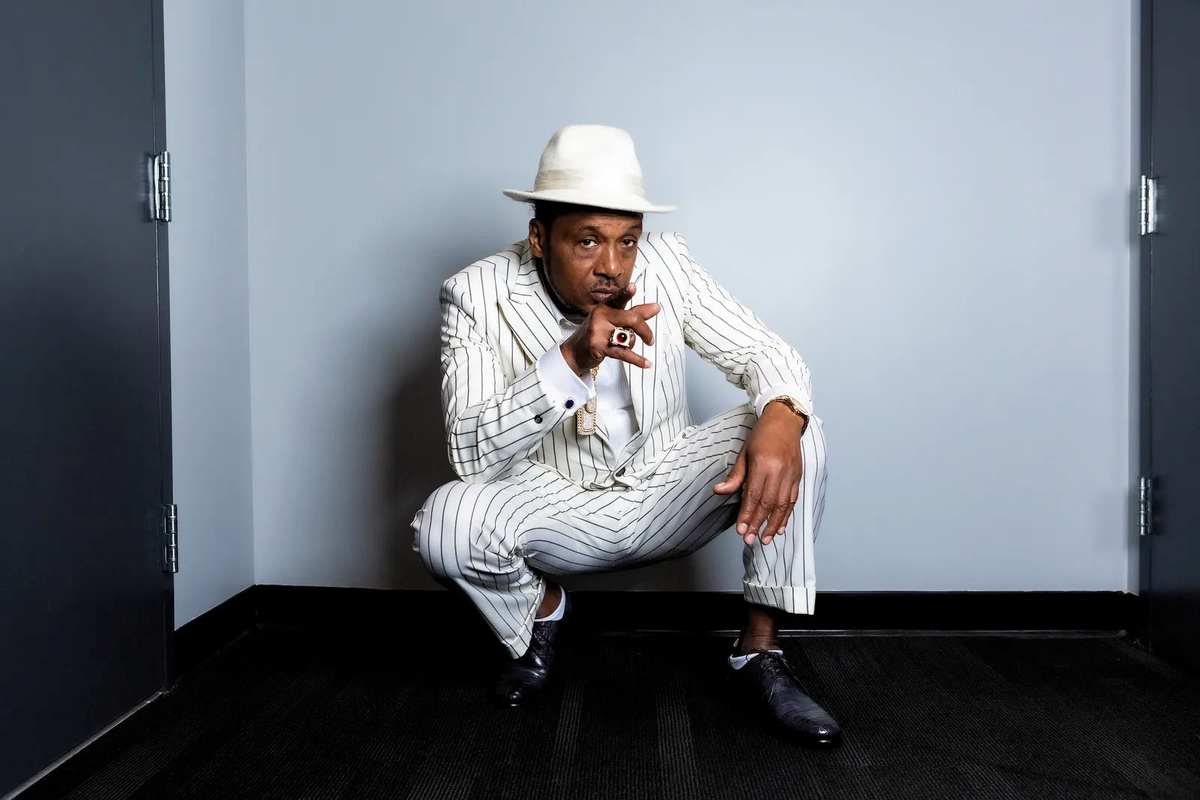
Masters recorded under Wild Apache Productions remain an independent asset. The Columbia-era recordings, by contrast, are governed by Sony Music’s catalogue holdings, though songwriting royalties on those works would continue to flow to credited writers.
Industry Recognition: A Career Legitimizer
Recognition matters to earnings because it drives legacy booking fees and catalogue licensing. His string of hits made him The Source magazine dancehall artist of the year in 1993. Super Cat made a surprise appearance at Massive B’s On Da Reggae Tip concert in September 2013 during the set of Shaggy, signaling continued market demand for his live presence well into the 2010s.
Income Sources: A Summary
| Revenue Stream | Period | Notes |
| Wild Apache Productions (label/publishing) | 1988 to present | Independent master and publishing ownership |
| Columbia Records recording deal | 1992 to 1998 | Three studio albums, North American and Japanese touring |
| Hip-hop collaboration royalties | 1992 to 2003 | Features with Biggie, Heavy D, Kris Kross, India.Arie, Jadakiss |
| Sugar Ray “Fly” feature | 1997 | Double platinum album; No. 1 Modern Rock chart; ongoing royalties |
| Live touring and festival appearances | 1981 to present | Ongoing; exact fees not publicly confirmed |
| Compilation and reissue royalties | 1998 to present | The Good, the Better, the Best of Super Cat (1998, Columbia) and reissues |
What We Do Not Know
Transparency around Super Cat’s finances is limited. The following remain unconfirmed at the time of publication:
- Real estate holdings: No verified property records have been reported in entertainment or property media.
- Business investments: No publicly documented business ventures outside music have been confirmed.
- Current touring fees: Booking agencies typically list fees as “contact for pricing,” and no verified rate for Super Cat has been published.
- Streaming revenue: Super Cat’s catalogue is available on major DSPs, but per-stream income is not publicly disclosed by the platforms or by the artist.
Frequently Asked Questions
How old is Super Cat?
Super Cat was born on 25 June 1963 in Kingston, Jamaica, making him 62 years old as of mid-2026.
What is Super Cat’s real name?
His legal name is William Anthony Maragh.
What are Super Cat’s other nicknames?
Super Cat’s nicknames include Don Dada, Wild Apache, and Cat-A-Rock.
Does Super Cat have siblings in the music industry?
He is the elder brother of reggae artist Junior Cat.
What was Super Cat’s biggest mainstream crossover moment?
His feature on Sugar Ray’s “Fly” (1997), which reached number one on the Billboard Modern Rock Tracks chart for eight consecutive weeks, remains his widest-reaching mainstream moment.
What record labels has Super Cat been signed to?
Super Cat has recorded for Columbia and Sony, in addition to operating his own Wild Apache Productions imprint.
Page Update Log
| Year | Changes |
| 2026 | Initial publication. Net worth figure sourced at $1.4 million estimate (FamousNetWorth.org, 2016); noted as unverified. |