

Louie Culture is opening up about his role in the early rise of Sizzla Kalonji, detailing how he spotted the young singer, recorded with him, and carried him to Bobby Digital. That journey ended with the producer hearing the album that included “Black Woman & Child.”
The story begins at Fattis’s studio, where Louie Culture had gone to voice a couple of tunes. On his second trip, he heard a voice that stopped him. “The voice have a soul,” he recalled thinking at the time.
He sat and listened as the youngster recorded about three songs. His verdict was immediate. You a bad man,” he said he told the young artist.
Determined not to lose track of him, Louie Culture asked Sizzla to show him where he lived. The singer guided him toward August Town, across a river, so the veteran deejay could come back and pick him up.
A planned session took an unexpected turn. Louie Culture had linked with Fabulous, whom he described as the man of the moment and the biggest dancehall artist in Jamaica at the time, and the song he had intended to do with Sizzla ended up going in another direction. Louie Culture still kept his word to the youth and recorded a tune with him that same night.
From there, the two reached an understanding that Sizzla would not work with other producers. Louie Culture began picking him up regularly, and they recorded “Holding Firm.” By his account, that song did not hit.
The real turning point came when he took the young singer to Bobby Digital. Louie Culture recalled that the session was not smooth at first and that he felt the young artist was being overlooked. He nonetheless continued to push for him, convinced of what he had heard.
That belief paid off late one night. Louie Culture said Bobby Digital called him after 11 o’clock, wanting to talk about the young artist Culture had brought to him and a song he had just recorded. “There’s something about the song,” Bobby said, according to Louie Culture.
As Sizzla began working more with Bobby Digital, Louie Culture went a step further. He lent the singer his car so he could drive himself to sessions, even though Sizzla did not have a license. He also gave him money for gas, with one firm instruction: drive only from his yard to Bobby’s.
Soon after, Bobby Digital called again. Louie Culture said the producer told him that he had worked with some of the biggest artists in the business but had never encountered an artist like this. Bobby said he had never produced an album like the one Sizzla had just made.
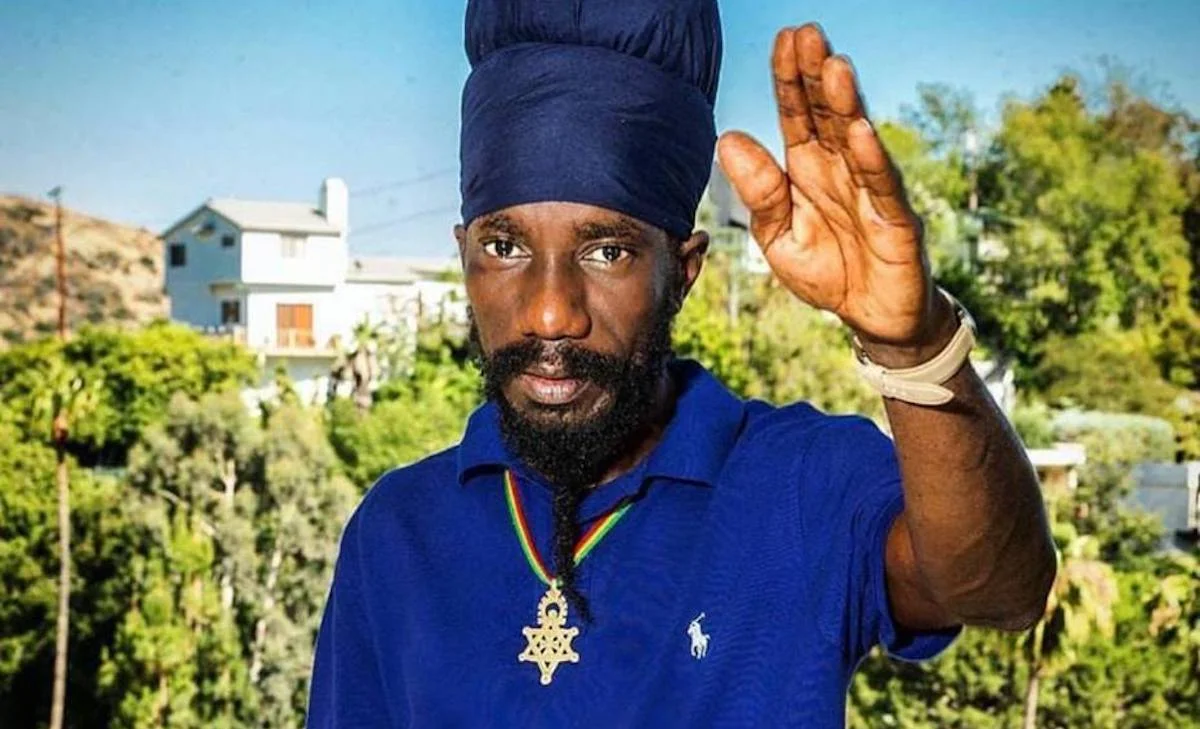
When Louie Culture asked to hear it, Bobby played “Black Woman & Child,” then ran through the entire album. Louie Culture then called Sizzla with a simple message: he was ready to start making money.
Sizzla has reportedly spoken warmly about the man he knows as Lou Gangalee, and he has also brought up Bling Dog as part of that early circle. Louie Culture said he knew Bling Dog from school in Portland and had urged him to come to Jamaica.
Louie Culture was modest when it was suggested that he had changed Sizzla’s life simply by believing in him. He accepted that he had been instrumental in making it happen. “That is true. We’ll take that,” he said.
Still, he was quick to give the credit back to the artist. In his view, none of it would have happened if Sizzla had not put in the work himself.