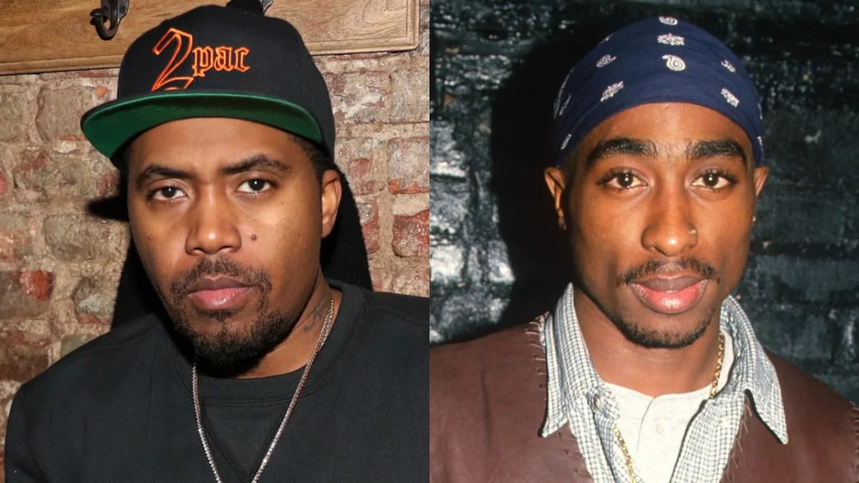

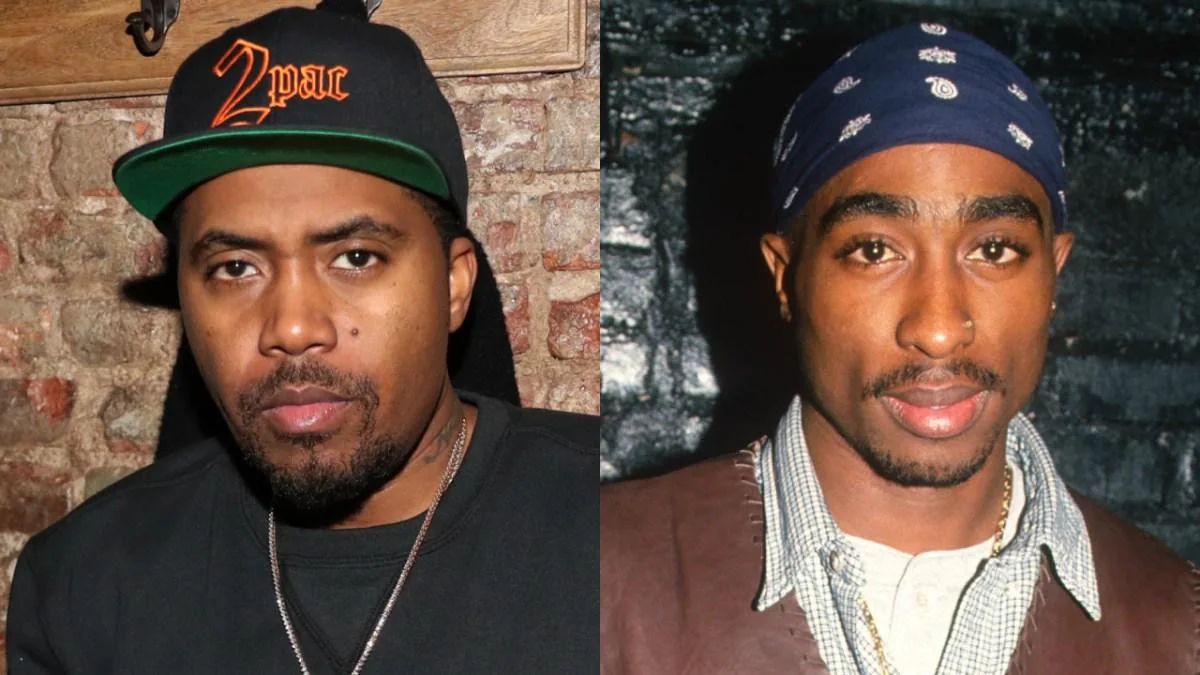
Nas has revealed that Tupac Shakur approached him at the MTV Awards just days before his death, told him their conflict was never supposed to happen, and invited him to Las Vegas, with Pac also expressing a desire to change what would become his final public message.
The Queens rapper reflected on the encounter, describing the tension that surrounded it. “It could have went any way either way cuz at the time the tension was so high,” he said.
Nas recalled feeling a sense of responsibility in that moment, noting that he saw himself as the New York representative and felt it was his duty to engage.
When the two came face to face, Tupac was direct. According to Nas, Pac acknowledged that there had been miscommunication fueling the hostility between them. “We wasn’t, me and you never supposed to go at it. Not us. It wasn’t supposed to happen.
It’s just that things got misconstrued,” Nas recalled Tupac saying. Pac then told him to come meet him in Vegas, signaling a genuine desire to put the conflict behind them.
Nas also shared what he learned after Tupac’s death through a separate encounter. His associate Jungle ran into one of the Outlawz in Vegas, and the conversation turned to Pac’s state of mind in his final days.
“He was telling Jungle about, you know, how the last thing Pac did wasn’t his last message,” Nas said. He added that Pac had more he wanted to do and did not want the message the public received to stand as his final word.
The revelation carries weight precisely because of how close it came to the tragedy. Tupac was shot in Las Vegas shortly after the MTV Awards encounter Nas described, and he died from his wounds days later. The invitation he extended to Nas never had a chance to become anything more.
Nas spoke broadly about the cost of rap beefs, drawing on the losses of both Tupac and the Notorious B.I.G. as lessons he carried with him. “We learned from, you know, the deaths of B.I.G., the deaths of Tupac, dog,” he said.
He acknowledged that he was not someone who ran from confrontation, but framed maturity and manhood as the governing principles of how he moved.
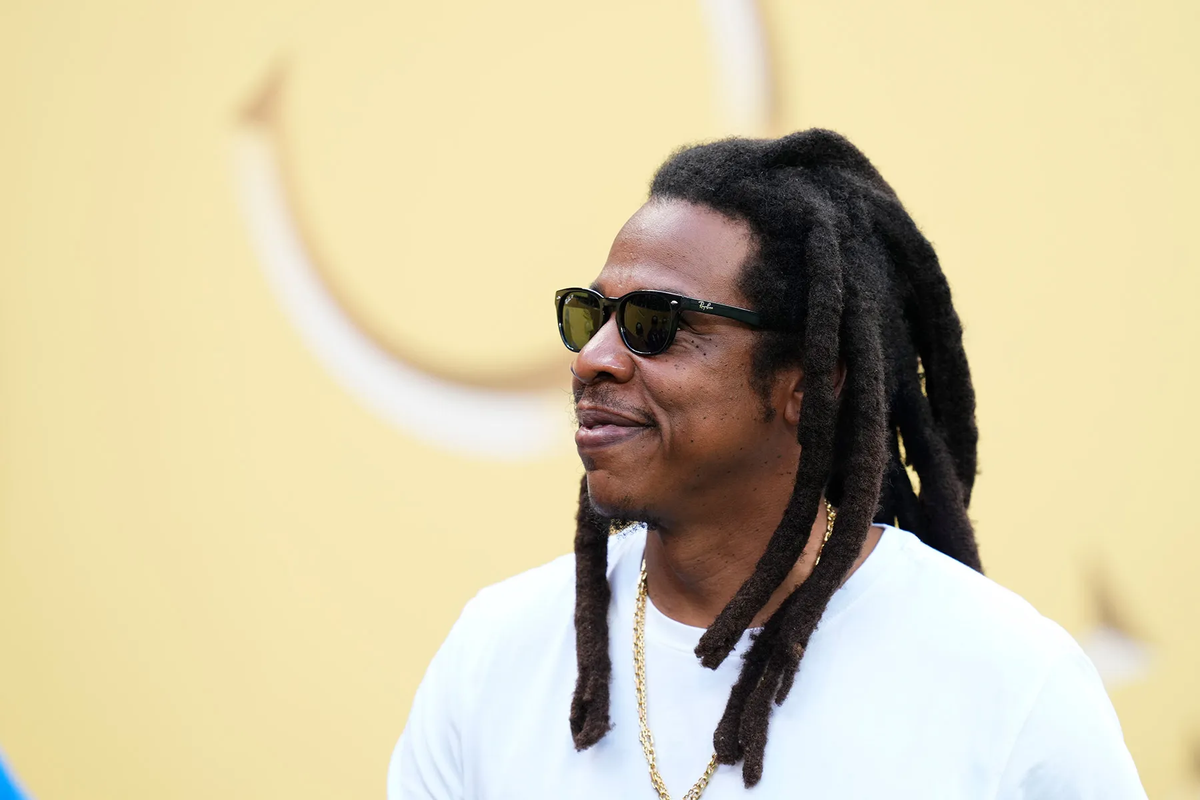
On the subject of his own high-profile battle with Jay-Z, Nas was measured. He credited both men for keeping the conflict in the realm of music rather than letting it escalate into violence.
The two eventually aligned professionally, with Nas explaining that the arrangement was less about being signed and more about a strategic movement involving Black executives at the label level. “You bring Nas there, you can’t lose,” he said.
As for the Tupac story, Nas said he intends to tell it fully one day. “I’mma put that in the book one day,” he said.
Until then, the account stands as one of the more striking glimpses into what might have been a genuine reconciliation between two of rap’s most celebrated figures.