

“Would he flee?” That’s the question U.S. District Judge Michael W. Fitzgerald put to a Los Angeles courtroom on Wednesday, November 4, and he admitted it wasn’t simple. He called it “a question of psychology,” then sent Lil Durk back to custody while he thinks it over.
The hearing came about two months after a jury acquitted Durk, legally Durk Banks, on murder-for-hire charges in September. Fitzgerald said that verdict changed his view considerably and strengthened the case for release.
But many of the circumstances behind his earlier bail denial, including the rapper’s attempted trip to Dubai before his 2024 arrest, are still there.
Durk has now spent more than two years behind bars. His team argues the acquittal gives him every reason to stay put and fight the remaining charges rather than walk away from his career and family.
Defense attorney Drew Findling told the court that Durk now understands how the process works and wants another jury to clear him.
The defense has put serious money on the table, offering future music royalties, publishing income and other assets as collateral. Letters from Jay-Z and J. Cole urging his release were part of the package.
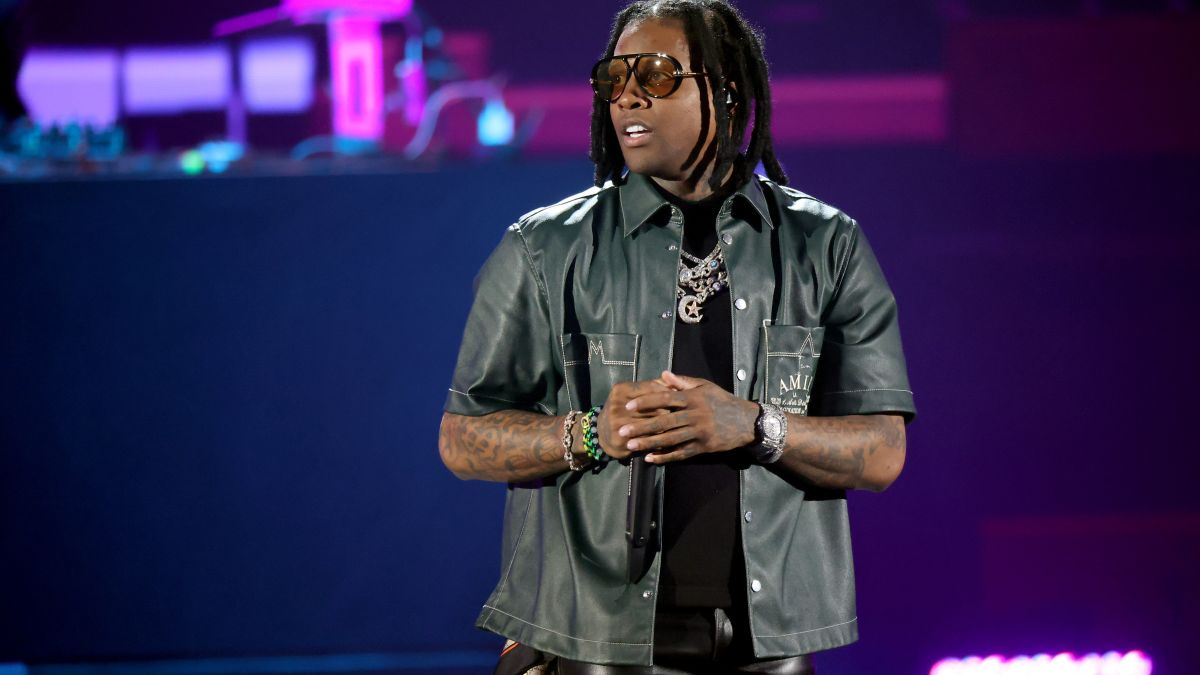
Attorney Christy O’Connor framed the bond as a financial leash. If Durk ran, she argued, he’d be throwing away his future earnings, which gives him every reason to show up in court.
Prosecutors aren’t buying it. Assistant U.S. Attorney Daniel Weiner argued that Durk has the resources and connections to leave the country and keep making money abroad, even if he lost everything pledged as collateral.
Weiner went further, telling Fitzgerald that Durk has “absolutely no respect for authority” and could “run amok” if released. It’s a blunt read on someone a jury just cleared of the most serious allegation against him.
Fitzgerald seemed to see both sides. He noted that even someone acquitted of a serious charge might be tempted to run with another long prison sentence on the horizon. He also acknowledged that the September verdict gives Durk real reason to trust the legal process.
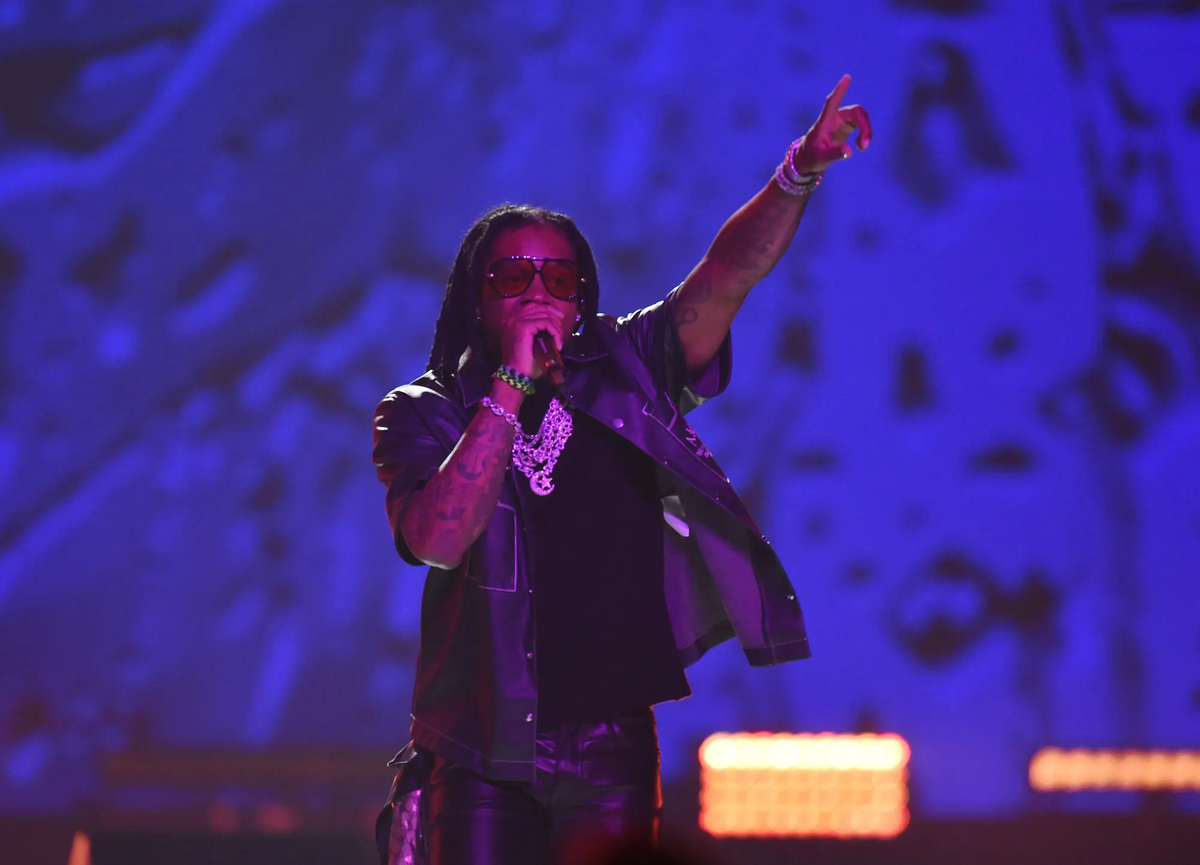
That second federal trial is set for August 30, 2027. Prosecutors allege Durk took part in violent acts connected to Only the Family, the Chicago collective he founded and which the government describes as a criminal enterprise.
The defense disputes those allegations and plans to challenge what’s left of the case. Their argument is that after the murder-for-hire acquittal, constitutional protections against double jeopardy should limit how far prosecutors can rely on conduct tied to the 2022 shooting involving rapper Quando Rondo.
For now, the bail request sits under submission with no decision announced. Fitzgerald is expected to issue a written ruling that decides if Durk spends the months before that August trial at home or in a federal cell.