
Picture a Kingston lawn in 1985, the speaker boxes stacked high and the Sleng Teng bassline rolling through the crowd, and a man in a wool diamond sweater and tweed cap standing in tropical heat like it is the most natural thing in the world.
That contradiction is where any honest telling of dancehall fashion history has to begin. The music had gone digital, and the dress code went loud with it.
Over four decades, the dancehall has worked as a runway, a battleground and a mirror. Roots reggae’s earth tones and spiritual modesty gave way to amplification, individualism and the simple need to be seen.
From mesh marinas and Clarks to custom bodysuits and lace fronts, here is how the look evolved, and why it still sets the pace.
The 1980s: Wool in the Heat
When King Jammy’s “Under Me Sleng Teng” with Wayne Smith kicked off the digital era in 1985, the men in the dance were already dressing for attention. British imports ruled.
Photographer Beth Lesser recalled that anything from England or Scotland was in demand no matter how badly it suited the climate: wool diamond sweaters, knitted vests, tweed caps and pinstripe jackets worn in 96-degree heat.
The pinstriped three-piece suit borrowed from upper-class British style of the 1970s, worn with a downtown swagger its tailors never imagined.
By the middle of the decade, Kangol hats had taken over, reportedly carried in from the Bronx hip-hop scene.
The dancer Bogle brought skinhead and punk energy into his look, and the rudeboy spirit underneath it all would keep changing names over the years: yardie, gangster, badman and, more recently, choppa.
Stylist Neko “Bootleg Rocstar” Kelly pinpoints the 80s as the moment dancehall fashion “really became expressive.”
The Rudeboy’s Shoe
No item tells the story better than Clarks. Wallabees and desert boots were tied to rudeboy culture long before dancehall, and by the 1970s they were a genuine status symbol on the island.
Iba Mahr captured the whole uniform in one line at the 2019 “Di Good Tingz Dem” exhibition: “i nna mi diamond socks an’ mi Wallabee Clarks, mi arrow shirt, an’ mi mesh marina.”
The 1990s: Mesh, Gold and Shabba
The mesh marina started life as a European undershirt and became rudeboy wear in the 1970s, worn under a button-up with only one button fastened. Red, gold and green versions nodded to Rastafari and the Ethiopian flag, and the 90s brought a wider palette.
Spragga Benz, Louie Culture, Beres Hammond and Buju Banton all wore it with pride. In 1992, Shabba Ranks stood next to Donald Trump at a Grammy party in New York wearing one, which says everything about how far the garment had travelled.
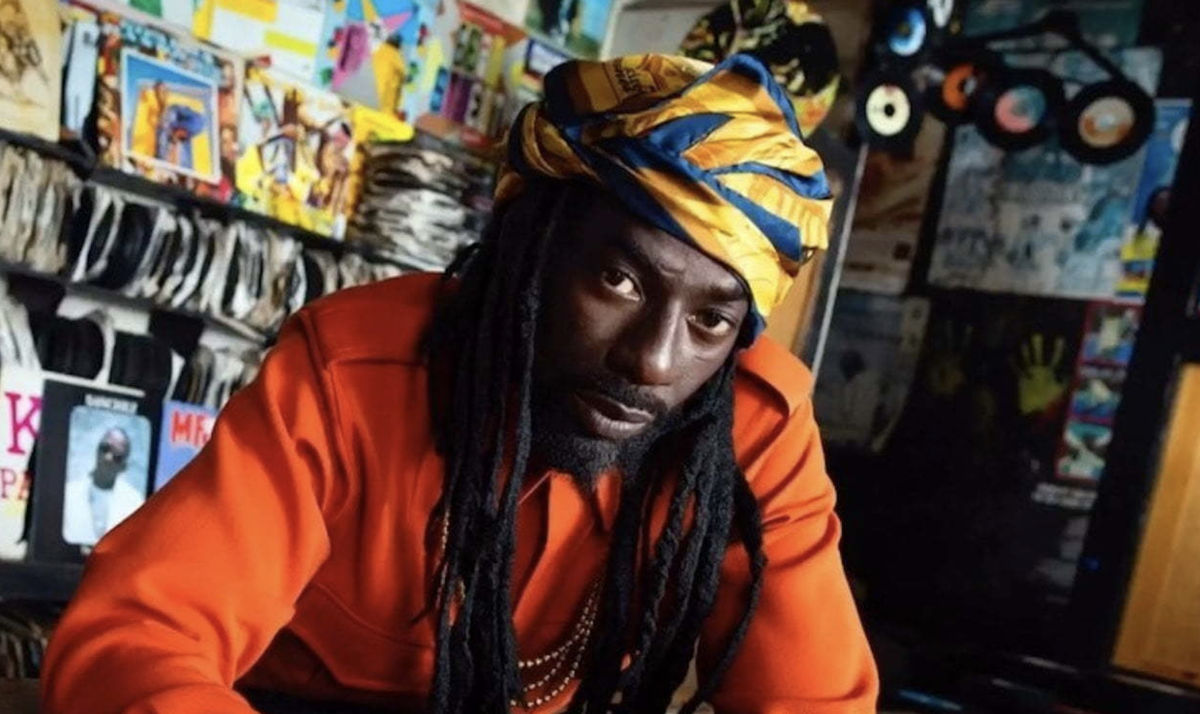
Shabba was the decade’s style template. Colourful matching printed sets, stacked jewellery, leather vests, rings on several fingers at once, “cut off foot” pants and a half-high-top fade all trace back to him.
Designer Earl “Biggy” Turner built flamboyant custom pieces for Shabba and others, and the influence ran deep enough that Kanye West, Kendrick Lamar and ASAP Ferg would later pay tribute, the last of them with a track called “Like Shabba Ranks.”
Queens, Seamstresses and the Fashion Clash
For women, the 90s belonged to the Dancehall Queen. The original contest was conceived as a fashion clash, downtown dancehall against uptown, and Carlene Smith and her crew went up against well-known models.
Carlene was crowned in 1992 and created the Dancehall Queen title herself. When the film Dancehall Queen, directed by Don Letts and Rick Elgood, arrived in October 1997, its story of a street vendor named Marcia commissioning a costume from a local dressmaker captured the culture’s custom-made heart.
Carlene had turned down a lead role over how the film portrayed women. “I’m not a movie, I am the dancehall queen,” she later said. Denise Cumberland, Junko Kudō and Mad Michelle would all wear the crown after her.
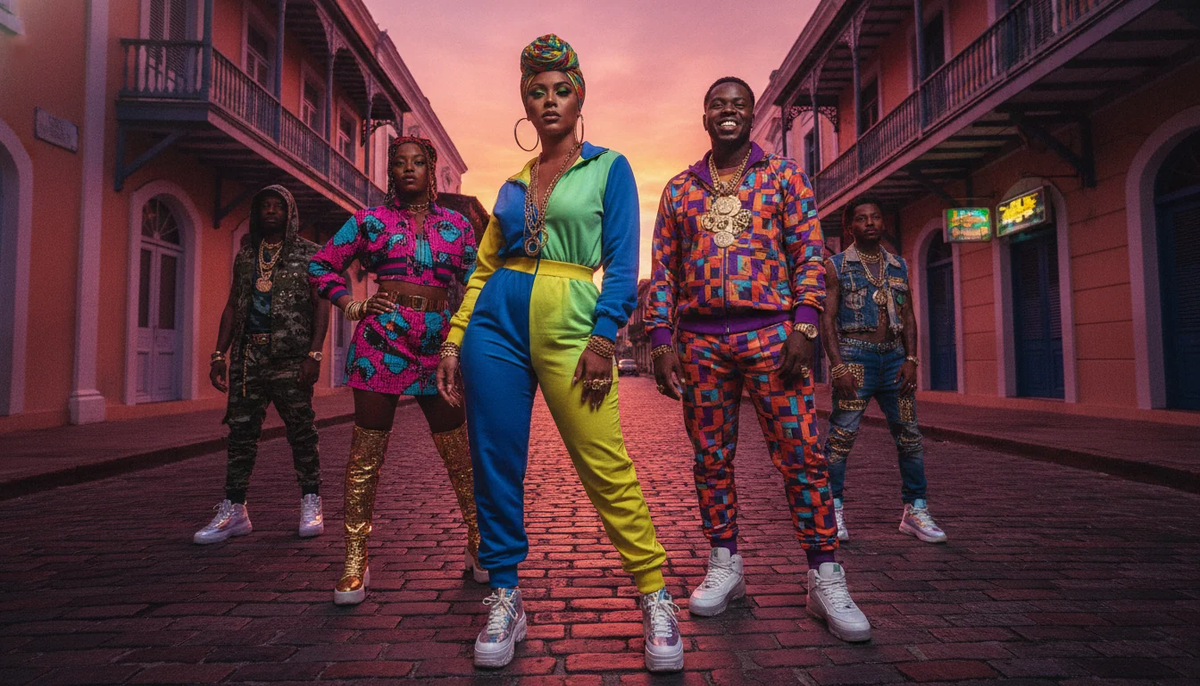
That dressmaker detail was real life. Dancers carried their own designs to local seamstresses and tailors, which made every big night a one-off.
The Ouch Crew pushed high-drama looks, while Patra’s braids, midriff tops and denim-on-denim became a Caribbean staple, along with the bodysuit she popularised late in the decade.
At the top end, fashionistas reached for Moschino and Versace. The look was never without critics.
The Gleaner’s Diane McCaulay said dancehall fashion offended her feminist sensibility by reinforcing women as sexual objects, yet she also read it as a statement of female assertion. That tension still drives the conversation.
The 2000s and 2010s: Video Light and the Clarks Boom
Kelly calls the 2000s “carefree,” and the dance floor agreed. The video light era rewarded bright colours and a hunger for monograms, with Gucci, Prada and Louis Vuitton logos flashing across the lens. Then came Vybz Kartel.
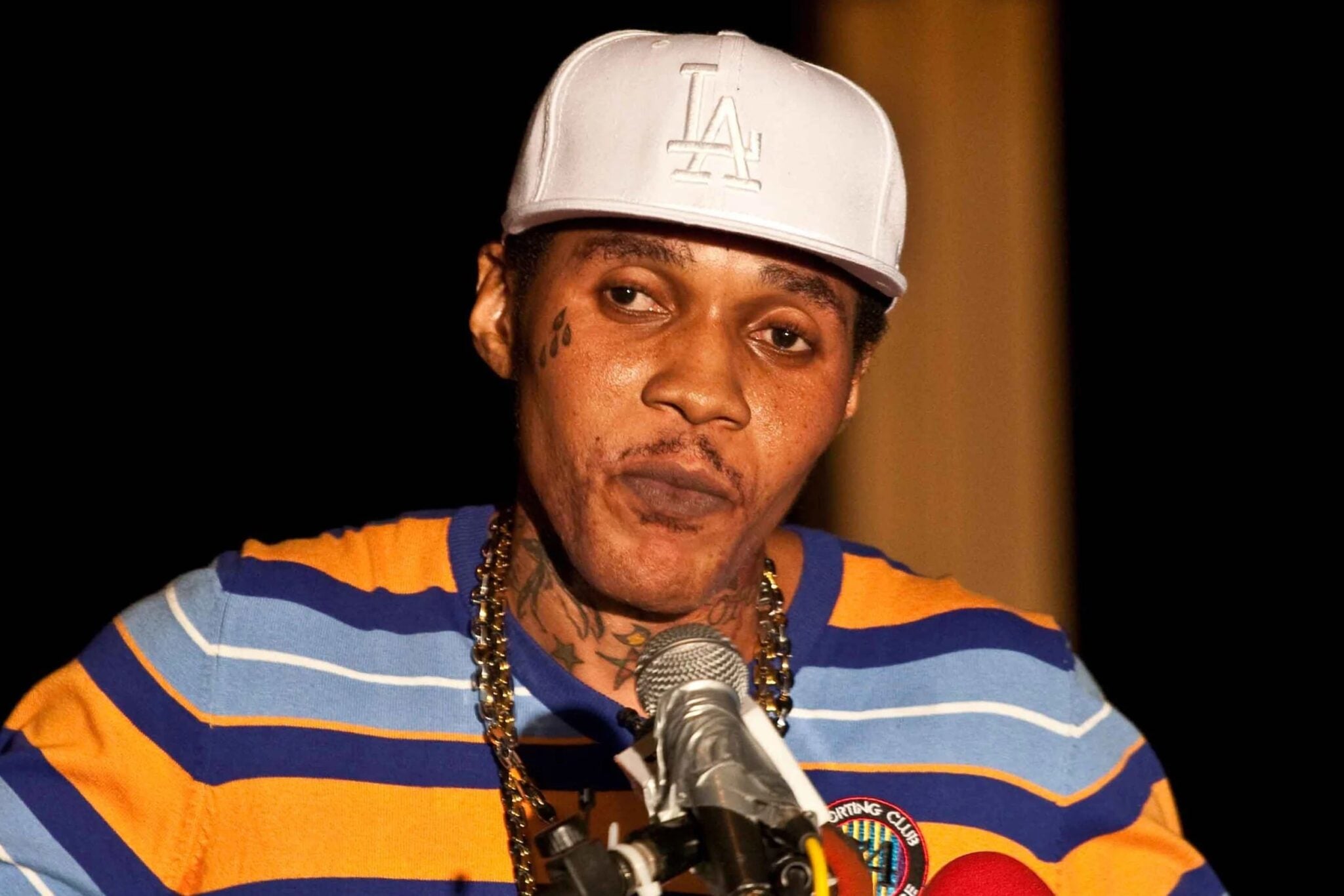
In March 2010 he released “Clarks,” its cover lined with Wallabees, Desert Boots and Desert Treks, and the hook “Everybody haffi ask weh mi get mi Clarks” became a national refrain. “Clarks Again” and “Clarks 3” followed.
Prices reportedly jumped from J$6,000 to over J$10,000 a pair, and by July police had arrested two men in Linstead over the theft of more than J$2 million worth of Clarks.
The company’s Michael Borge confirmed stronger Jamaican demand but said a wider upswing in the Originals line made the song’s exact impact hard to measure.
Kartel, who said he owned over 50 pairs and was paid nothing, put it plainly: Clarks is “as Jamaican as ackee and saltfish and roast breadfruit,” worn by policemen, gangsters and schoolchildren alike. His reach went beyond footwear, too.
“Gaza” grew from a camp name into a full fan identity, with its own slang and style. Years later, Popcaan would partner with Clarks Originals on a Wallabee, closing the loop between street culture and the brand.
The 2020s: Maximalism Goes Global
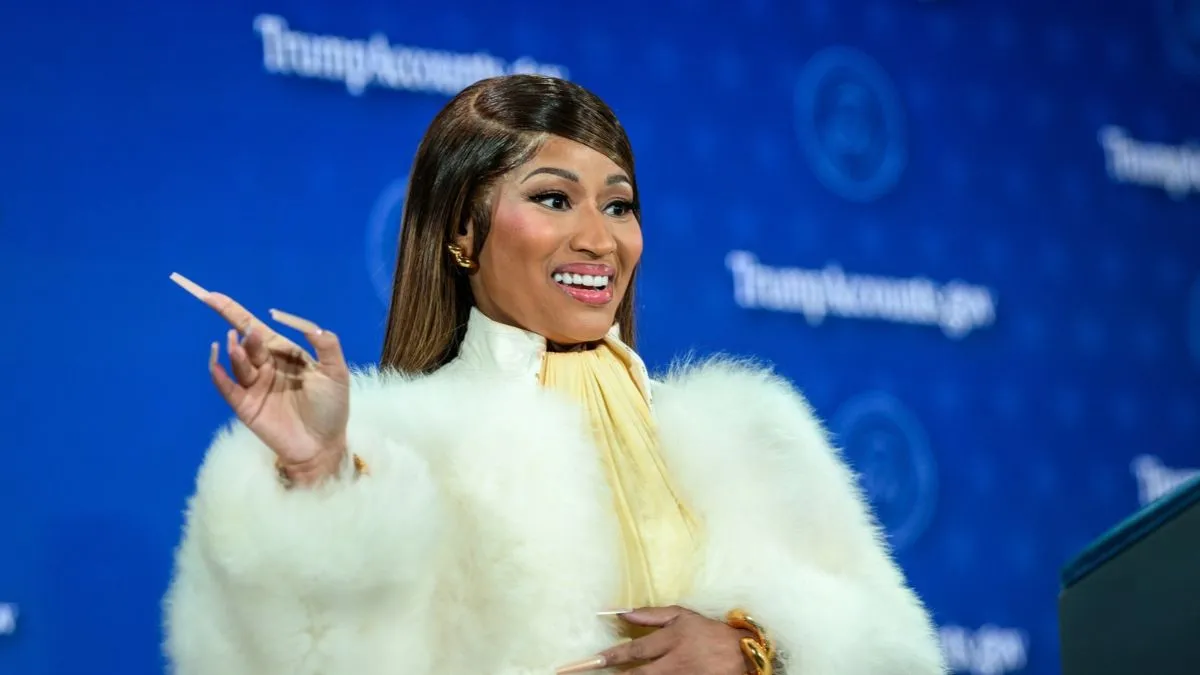
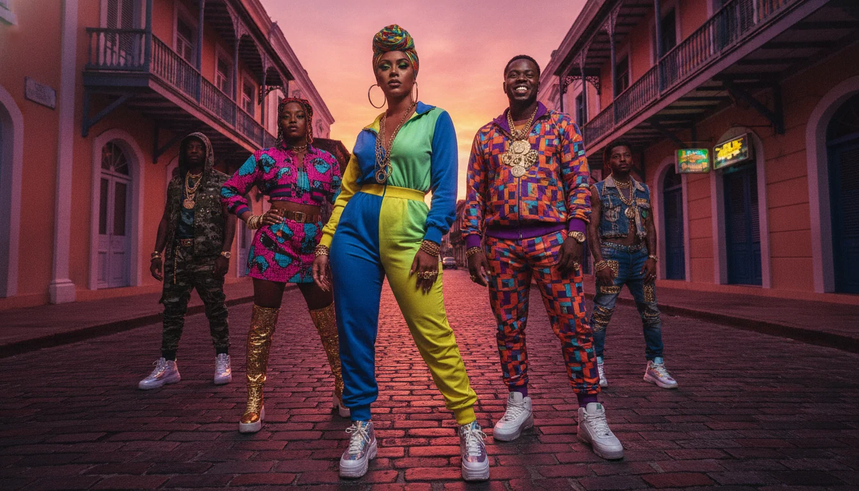
Today, Kelly says, dancehall fashion blends maximalism with avant-garde sensibilities. Spice embodies that shift. She owns hundreds of lace fronts and treats the Dancehall Queen persona as something she puts on and takes off.
“If I’m in the street they know how to address me based on my dress code,” she told Dazed. Crowned Queen of Dancehall in 2022, she crowned Vybz Kartel King at Reggae Sumfest in July 2025, and by December she was hinting at a bigger move into high fashion while stepping away from her signature blue.
A new generation of designers is building on the old seamstress tradition. Anna-Lisa Guthrie of Annaixe has dressed Shenseea, Jada Kingdom and Kartel, and received the Prime Minister’s Youth Award in 2025.
Meanwhile the mesh marina keeps resurfacing on the world stage, most memorably when Rihanna wore a red, gold and green one in the “Work” video with Drake.
Why the Look Still Matters
The institutions are catching up to what the dance always knew. In March 2025, a dancehall male fashion exhibition opened at the ACIJ/JMB, where McGlashen-Miller put it simply: “Male fashion in Jamaica has always been more than just clothing, it is a statement of identity, resistance, and power.”
That is the thread from the wool sweater in the midday heat to the lace front at Sumfest. Dancehall dressing has always been about turning limited means into maximum presence, about a seamstress’s skill, a deejay’s lyric and a crowd’s verdict.
Kelly called it “bold, unapologetic, and constantly evolving,” and the evidence is on every lawn and every runway that borrows from it. The styles change. The demand to be seen never does.