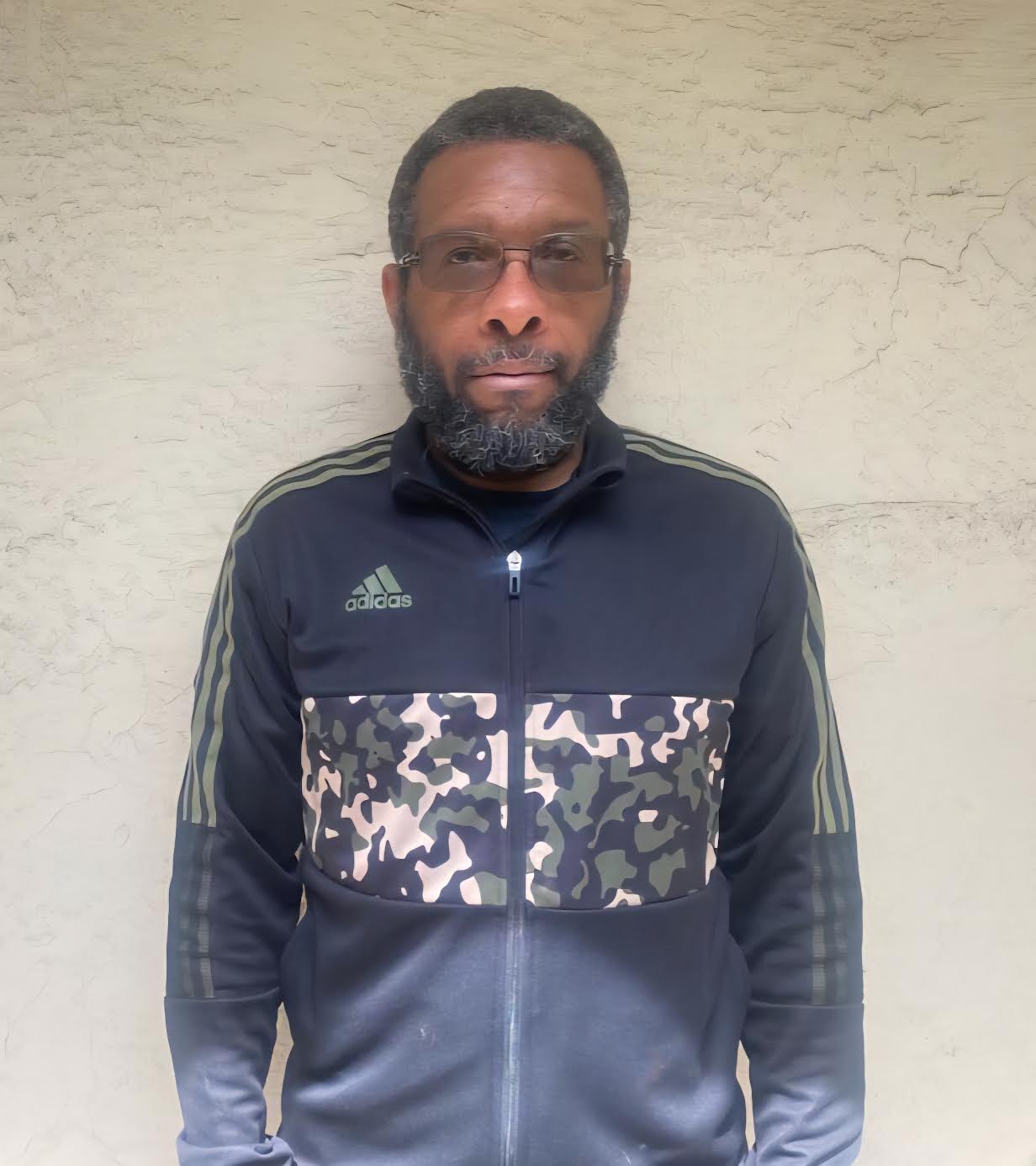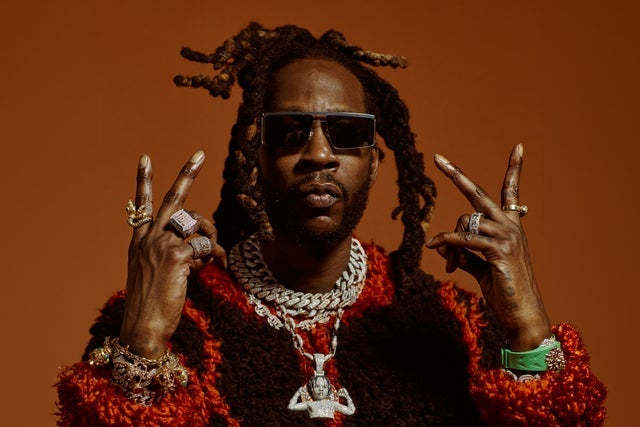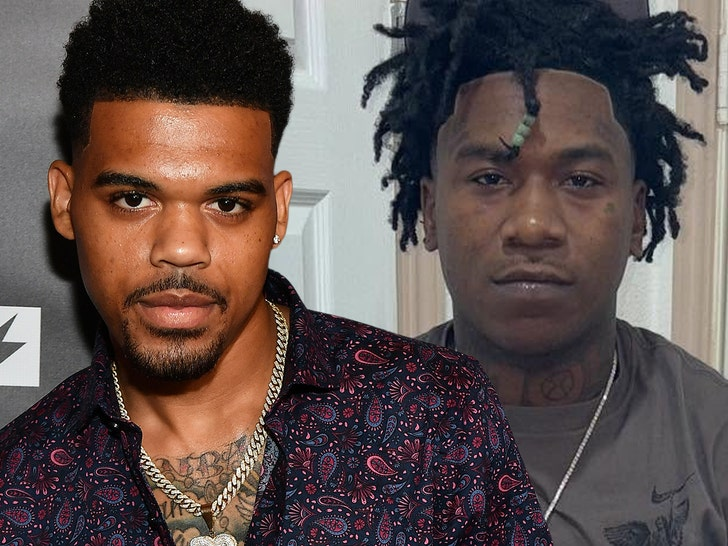
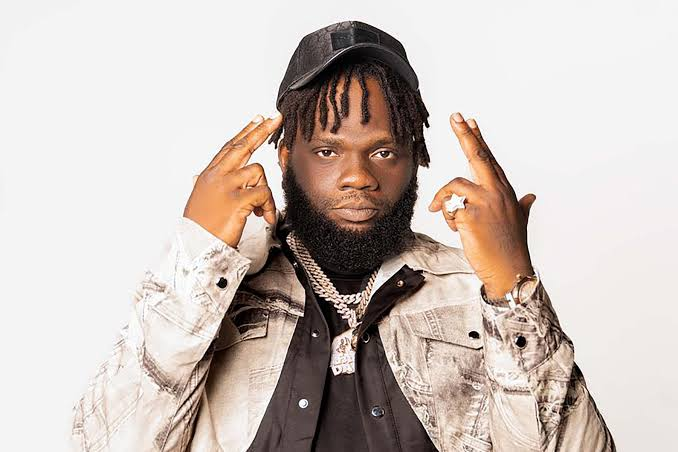

Chronic Law is looking at a serious stretch of legal uncertainty after his federal gun trial was locked in for October 2026, with a pre-trial hearing scheduled for September 30.
The Jamaican dancehall artist, known for his raw street narratives and loyal fanbase, now faces the very real possibility of up to 10 years in federal prison if convicted.
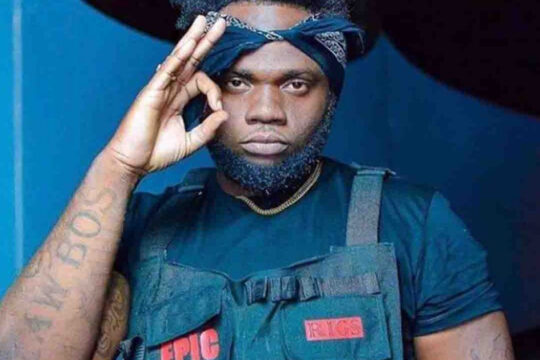
It all started with what seemed like a routine traffic stop. Law was pulled over in Georgia on November 15, 2025, for a speeding violation, the kind of stop that usually ends with a ticket and a wave-off.
What officers found in the car was anything but routine. Four firearms, 92 rounds of ammunition, and five magazines were recovered from the vehicle, and one of those guns had been reported stolen out of Florida, which is what pushed this into federal territory.
Federal gun charges carry a different weight than state-level offenses, and prosecutors tend to pursue them aggressively, especially when a stolen firearm crosses state lines.
The stolen weapon element is likely the detail that escalated this from a local matter into a case that now sits in the federal court system.
For fans of Chronic Law, the timeline is a gut punch. The artist had been building serious momentum in the dancehall space, with a reputation for consistency and a catalog that resonated well beyond Jamaica.
Seeing that trajectory interrupted by a case that could run well into 2026 and beyond is a lot to sit with.
Reactions from the dancehall community have been mixed, as they tend to be when an artist with real cultural weight ends up in legal trouble.
Some supporters are holding firm, pointing out that charges are not convictions and that the full story of what happened in that car has not been told publicly.
Others are more cautious, noting that the specifics here, four guns, nearly 100 rounds, a stolen firearm, are hard to explain away regardless of how the legal argument shapes up.
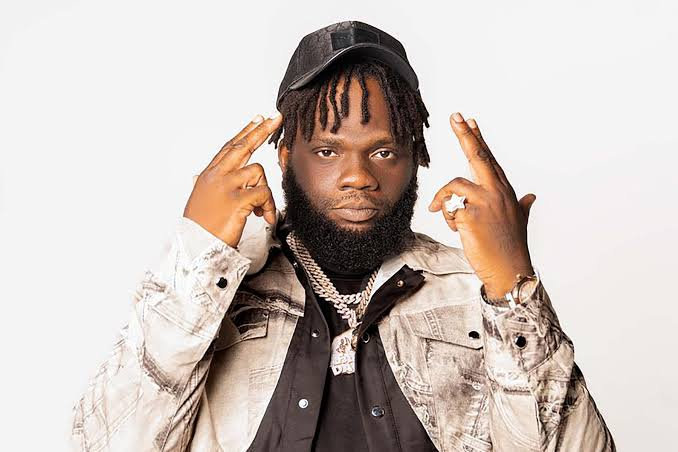
The pre-trial date in September 2026 will be a key moment to watch. That hearing is where both sides lay out their positions, challenge evidence, and potentially negotiate, so what happens there could shift the trajectory of the case significantly before it ever reaches a jury.
Law has not made any detailed public statement addressing the charges directly, and his legal team has not outlined a public defense strategy.
That silence is not unusual at this stage of a federal case, where attorneys typically prefer to keep their arguments out of the press until they are in the courtroom.
What is clear is that the next year-plus of Chronic Law’s life will be shaped by this case more than anything happening in a recording studio.
The October 2026 trial date is circled, and the dancehall world is watching to see how this unfolds.