

The detail that might surprise people most is not that Lil Durk walked free, but how seriously the jury took the case before getting there.
One of the jurors who voted to acquit sat down with YouTuber Ceddy Nash on his Nightly Nash podcast for a two-hour conversation published on September 19, and the picture they painted is of a group that went through every scrap of evidence before reaching their verdict.
“We worked our a**es off,” the anonymous juror said. “We went through every single page of that binder of evidence. They were like 10 inches long. There was one exhibit book.
Then there was a second exhibit book. So we’re talking 20 inches of exhibits, man.” That is not the image of a jury that rubber-stamped anything.
The juror said the group was meticulous, going through voice notes, video recordings, and physical exhibits before landing on their not guilty verdict.
The delay on the first day of deliberations, which drew some outside speculation, actually came down to a practical problem: too many jurors crowding around two binders, so they asked for the evidence to be digitized first.
There was also a genuine legal debate inside the room about what a conspiracy actually means under the law, which is why the jury sent a question to the judge asking for clarification.
That kind of procedural detail matters, because it shows the jury was wrestling with the specific charges rather than just vibes.
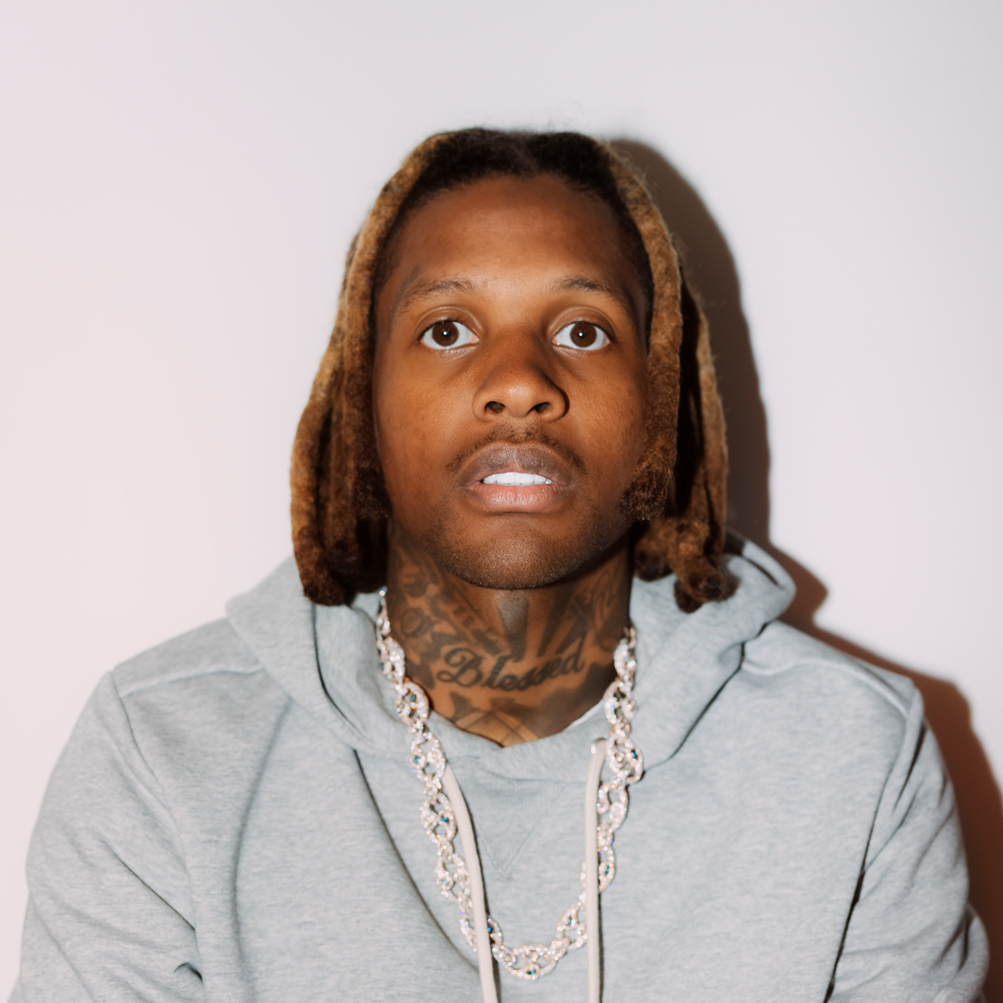
On the core question of whether Durk was actually running an organized criminal operation, the juror pointed to one detail that stuck with them more than anything else.
Everyone allegedly involved in the murder-for-hire plot booked their flights under their real names, despite Durk supposedly telling them not to.
The juror’s takeaway was direct: “So how much authority does he actually have?” That single inconsistency, in their view, punched a hole in the prosecution’s organized crime argument.
The DJ Akademiks podcast interview also came up, which the prosecution had apparently been counting on as a moment where Durk essentially incriminated himself on record.
The juror was not moved by it. The podcast, if anything, was like a funny little anecdote,” they said, adding that the prosecution was framing it like Durk had snitched on himself, but the juror chalked it up to meme culture and the way people talk online for clicks. It did not weigh on them.
That reaction will frustrate people who felt the Akademiks clip was damning, and it raises a real question about how prosecutors read digital culture when building cases involving rap artists.
What lands as a confession to one person reads as performance to another, and that gap clearly played out inside the jury room.
The prosecution’s confidence in that interview as a closing argument clearly did not translate the way they expected.
The juror’s account suggests the jury separated the noise from what they considered actual legal proof, and found the latter lacking.
Responses to the podcast interview have been split, with some critics arguing the jury let Durk off too easily and others pointing to this juror’s account as evidence the system worked exactly as it should.
The full two-hour conversation is still circulating, and more details from inside those deliberations keep surfacing as people dig into it.