
Long before grime MCs were spitting over 140bpm beats on pirate radio, a selector named Duke Vin was stringing up speakers in London basements.
The story of reggae in the UK is a story of exclusion turned into invention. A community shut out of British nightlife built its own, and in doing so it rewired the sound of the whole country.
From Windrush to Brixton, and from Birmingham to Bristol, the line runs straight. Sound systems gave birth to British roots bands and dub poetry. Lovers rock gave a second generation its own romance.
The MC culture of the dance pushed on into jungle, dubstep and grime. Here is how it happened, and why it still echoes across a field in Milton Keynes today.
Windrush, Shebeens and the First Sound Systems
The Windrush generation arrived in Britain between 1948 and 1971, and they carried calypso, ska and reggae in their luggage. What they did not find was a welcome.
Turned away from British clubs and venues, Caribbean migrants made their own entertainment at private “blues dances,” where a sound system was the only band anyone needed.
Front rooms and basements became shebeens, a word borrowed from Irish migrants who had faced the same closed doors. It was in these rooms that the first sound systems outside Jamaica came to life.
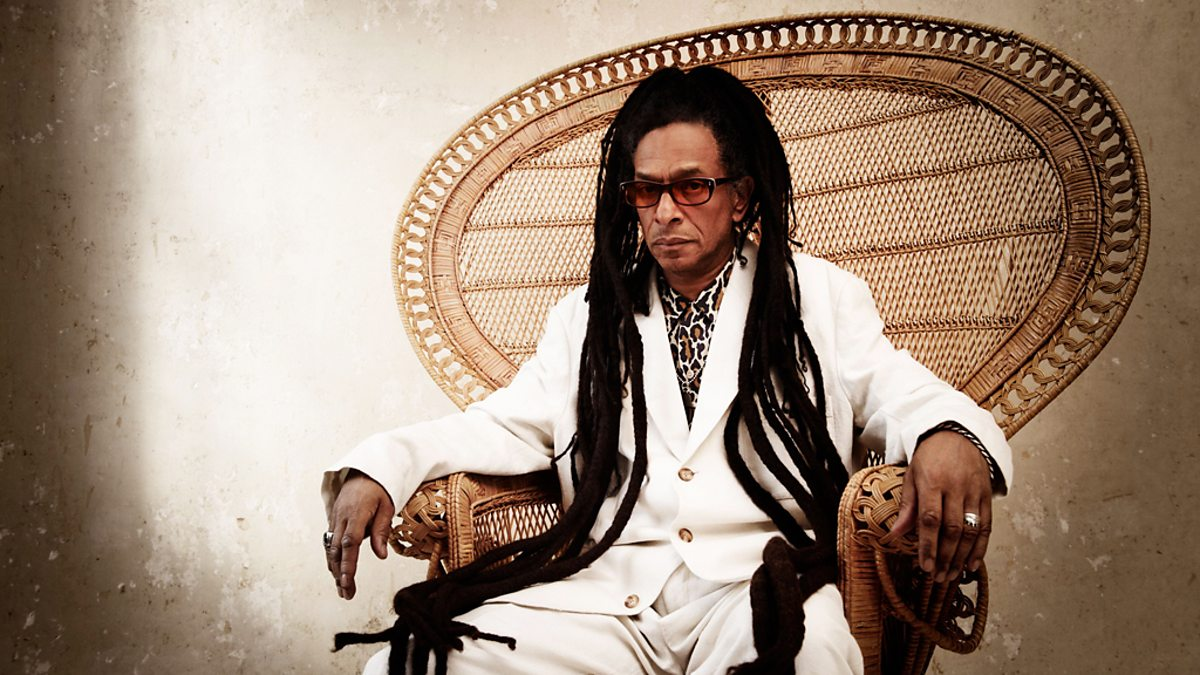
Duke Vin is widely reported as the first UK operator, and he brought serious pedigree. Back in Kingston he had selected for Tom the Great Sebastian, the system founded by Chinese-Jamaican businessman Tom Wong and the first commercially successful set on the island.
From the mid-1950s, Duke Vin and Count Suckle were running some of London’s earliest systems in community halls and basements.
The foundation they laid would hold up decades of bass weight. Sets such as Sir Coxsone Outernational, Jah Shaka, Channel One and Aba Shanti-I became institutions.
In Bristol, bands like Black Roots and Talisman rehearsed in shebeens, while pirate radio stepped in where mainstream stations rarely played Black music at all.
Roots Rebels: British Reggae Finds Its Voice
By the late 1970s the children of the sound system era were making reggae that was unmistakably British.
Steel Pulse formed in Birmingham in 1975 and announced themselves with the debut album Handsworth Revolution in 1978. Misty in Roots carried the flag in London.
Aswad became the first British reggae band signed to a major label when Island took them on, and they later scored a UK number one with “Don’t Turn Around.”
Then there was Linton Kwesi Johnson. Born on 24 August 1952 in Chapelton, Clarendon, he arrived in London in 1963 and turned the experience of Black Britain into verse.
His first poetry collection, Voices of the Living and the Dead, appeared in 1974. His first LP, Dread Beat An’ Blood, came through Virgin in 1978, followed on Island by Forces of Victory in 1979 and Bass Culture in 1980, and later LKJ in Dub and Making History. His words went straight at racism and at policing under the hated “SUS” laws.
This was music with a cause, and it found unexpected allies. Punks and anti-racist activists took up reggae in the late 1970s, and Johnson stood alongside Rock Against Racism-era peers such as Steel Pulse and Misty in Roots.
Lovers Rock and the Sound of Second Generation Britain
Not every British innovation came with a clenched fist. Lovers rock blended reggae with the smooth sweetness of Philadelphia soul.
Second-generation Black British artists such as Janet Kay and Carroll Thompson shaped it, alongside producer Dennis Bovell.
Aimed especially, though not only, at women, it was the soundtrack of slow dances and late nights, and it eventually built a following back in Jamaica.
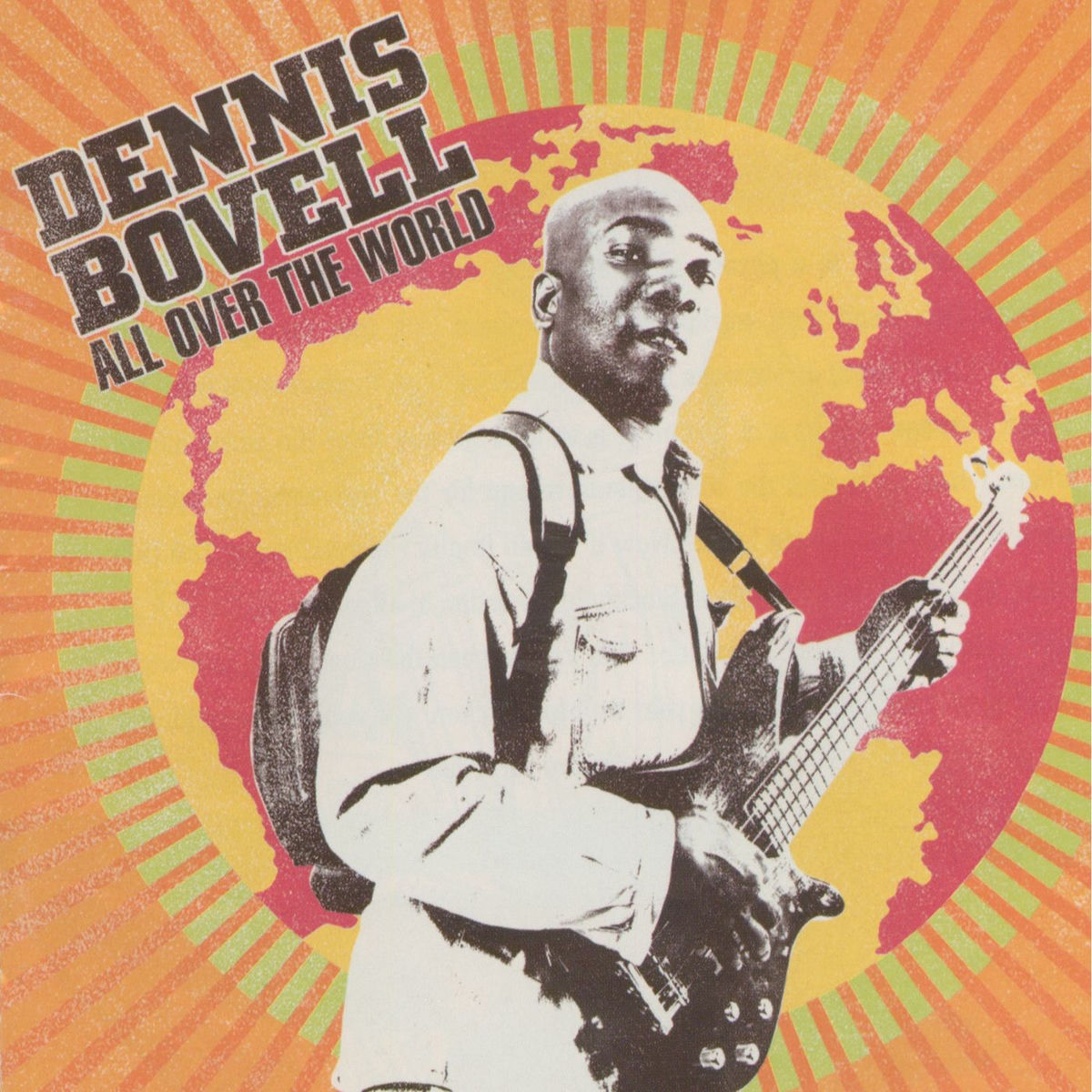
Bovell, born in Barbados on 22 May 1953, sits at the centre of the story. He also produced LKJ in Dub, credited as Blackbeard, which shows how closely the militant and the romantic sides of the scene worked together.
A new generation met him in Steve McQueen’s 2020 film Lovers Rock, which features his song “Silly Games.”
For all its British polish, the music never forgot where it came from. Talking about lovers rock, Linton Kwesi Johnson put it plainly: “the sound was still our sound, it was the Jamaican sound.”
Fast Chat to Jungle, Dubstep and Grime
If one thread ties the UK sound together, it is the MC. In the 1980s, Saxon Studio International pioneered the rapid-fire “fast chat” style, a way of riding a riddim that would later shape UK rap and grime.
In the 1990s the rave scene collided with sound system culture, and jungle was born. Paul Ibiza and Rebel MC are arguably the first to have brought sound system influence solidly into their releases.
Dancehall vocals were spliced into hardcore, while dub basslines and remixing techniques gave the new sound its gut-shaking low end.
Around 1992 and 1993, jungle exploded out of London, Birmingham and Bristol. The writer Simon Reynolds described it as a “raved-up, digitised offshoot of Jamaican reggae,” and anyone who has felt a reese bass drop on a proper rig knows exactly what he meant.
The early 2000s brought dubstep, an offshoot of UK garage that married 2-step rhythms with sparse, cavernous dub production, mostly around 140bpm.
DMZ, the crew of Mala and Coki, together with Loefah, brought sound system thinking to the genre, and their nights in Brixton put bass weight and space ahead of everything else.
Grime took the baton from there, inheriting the MC tradition that ran through jungle and back to the dances.
Listen to a grime clash and you can hear the toaster on the mic in a 1950s basement, sped up and transplanted to an East London tower block.
Reggae Land and the Scene in 2026
That lineage was on full display this summer at Reggae Land, billed as the UK’s biggest reggae festival.
Its sixth edition took over the Milton Keynes National Bowl on the first weekend of August, with seven stages and more than 120 artists. New for 2026 were Bob’s Bar, a tribute to roots and lovers rock, and a dedicated Dancehall Stage.
The bill read like a map of everything above. Channel One, Iration Steppas, Mad Professor and Dr Alimantado held down the dub and roots side.
Saturday’s main stage billed Beenie Man and Morgan Heritage as “The King & The Royals,” with Shenseea and Shaggy also on the lineup.
Over on the jungle stage, General Levy, Congo Natty and Fabio & Grooverider closed the circle between sound system and rave.
Organisers claimed more than 135,000 people came through across the weekend, with Vybz Kartel closing Sunday.
Why the UK Story Still Matters
Reggae in Britain was never a souvenir from Jamaica. It became a living language, spoken first by migrants locked out of the mainstream and then by their children and grandchildren in their own accents. The basement dance created the selector and the MC.
The struggle of the 1970s produced Steel Pulse, Aswad and Linton Kwesi Johnson. Lovers rock showed that tenderness could be radical too.
And every new mutation, from jungle to dubstep to grime, kept the bass, the sound system and the voice on the mic at its heart.
When a festival crowd can move from Mad Professor to Beenie Man to Congo Natty in one afternoon, the Windrush legacy is not history. It is still playing, loud.