
For most of four decades, while the rest of Jamaica slept off Christmas dinner, dancehall’s hardest heads made their way to Portmore to watch artistes try to end each other’s careers with a microphone.
The sting festival history is really a history of nerve: a policeman turned promoter who spotted an empty night on the calendar, a crowd that judged without mercy, and a stage where reputations were made and buried before sunrise.
Founded by Isaiah Laing in 1984, Sting grew into the longest-running event on Jamaica’s music calendar, sold under a tagline nobody else would dare use: “the greatest one night reggae and dancehall show on earth.”
It also became the most dangerous stage in the music. This is how it rose, how it burned, and why its future now hangs in the balance.
A Policeman Finds an Empty Night
Isaiah Laing was a 20-year veteran of the Jamaica Constabulary Force, but he had promoter’s instincts long before Sting. His first event was a 1980 party called Hit the Road Jack.
A few years later he noticed something everyone else had missed: after the Christmas celebrations, Boxing Day went quiet.
On Thursday, December 26, 1984, he filled that silence with the first Sting. Supreme Promotions Ltd. was only incorporated in 1985, after the show had already proven itself.
The event settled at Jamworld in Portmore, St Catherine, and the roll call over the years read like a history of the genre, with Tenor Saw, Sugar Minott and Ninja Man among the acts to grace the stage.
Its audiences were famously loyal. Laing still talks about fans standing through torrential rain in 2000 rather than leave.
Where the Clash Became the Main Event
Plenty of shows had big lineups. What set Sting apart was the clash, a lyrical face-off between two artistes with the crowd as judge and jury. Over time it became the show’s defining feature, and no one embodied it more than Ninja Man.
His “Super Clash” with Shabba Ranks grew out of real contempt: Ninja made no secret of his disdain for Shabba signing to Epic Records, treating it as a betrayal of the dancehall that raised him. The Portmore crowd sided with the Don Gorgon and crowned him Sting champion.
In 1991 he squared off with Super Cat, another meeting of heavyweights that cemented Boxing Day as the night careers were tested in public.
1993: The Clash of the Century
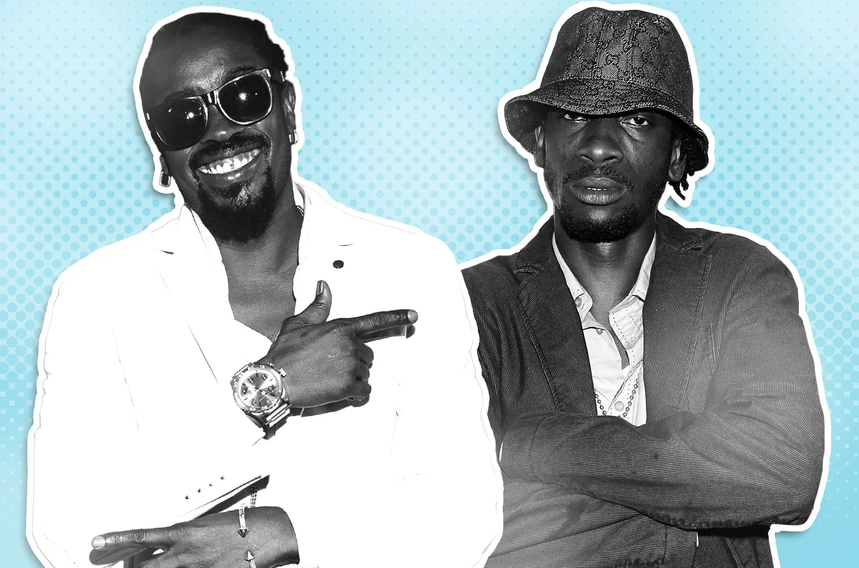
Then came the one everybody still argues about. At Sting 1993, Bounty Killer and Beenie Man met in what has been called the “Clash of the Century” ever since. It was not a polite booking.
Bounty barged onstage and challenged Beenie live and unannounced. Beenie Man recently gave his side to DancehallMag.
He was mid-performance when Bounty walked onto his stage, and he did not like the finger-pointing in his face. His fans grew angry, and the clash ended early. Who won depends on who you ask.
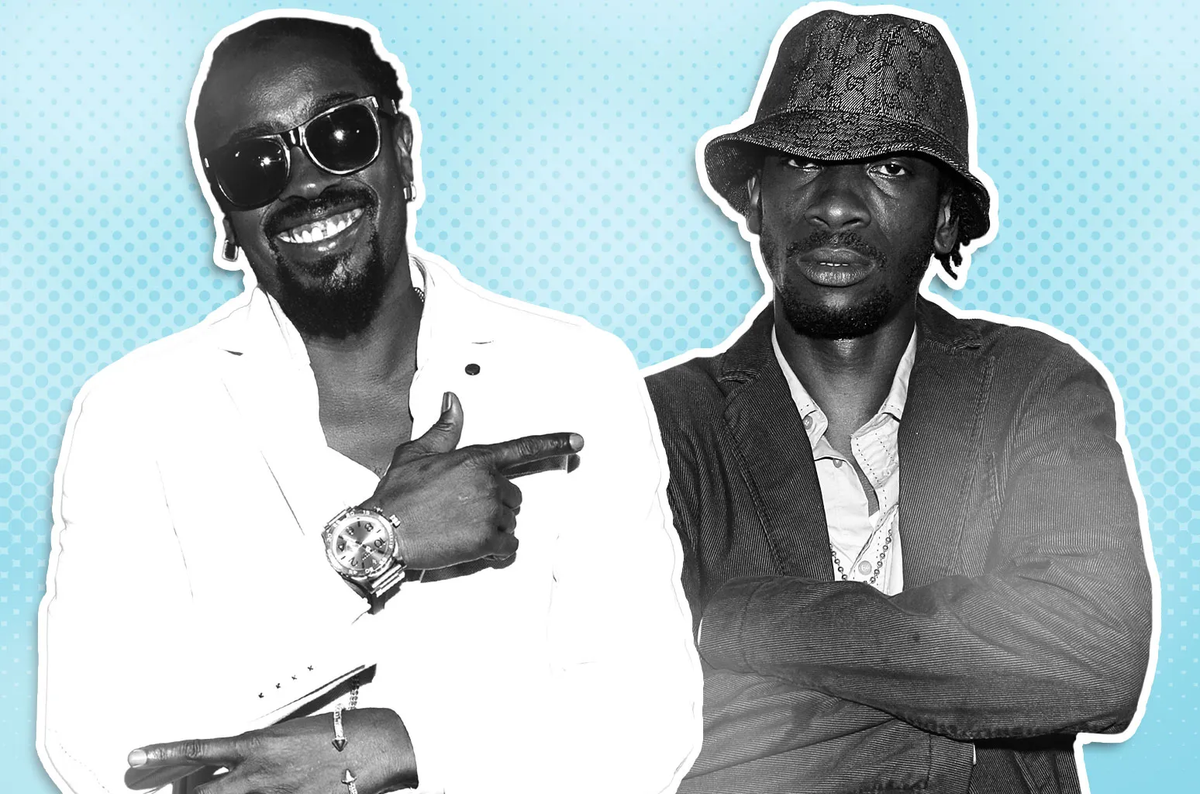
Some hold that Bounty took it because Beenie came in late, while others remember a crowd split down the middle.
That unresolved verdict fed a rivalry that ran for decades. By Reggae Sumfest 2019 the two were trading friendly jabs, and Beenie joked, “mi a war wid Bounty Killer for over 25 years.”
2003: The Night It Turned Physical
If 1993 was Sting at its most electric, 2003 was the night it crossed a line. The billing promised Ninja Man against a young, hungry Vybz Kartel.
According to Laing, the only sanctioned clash was actually Ninja Man versus Bounty Killer, and Bounty sent his protégé Kartel in his place.
Sting officials said Bounty walked out because he had been placed lower in the running order, and they hinted at legal action.
What followed was a full-fledged brawl between the two artistes and their entourages, the first physical fight between performers in the show’s history.
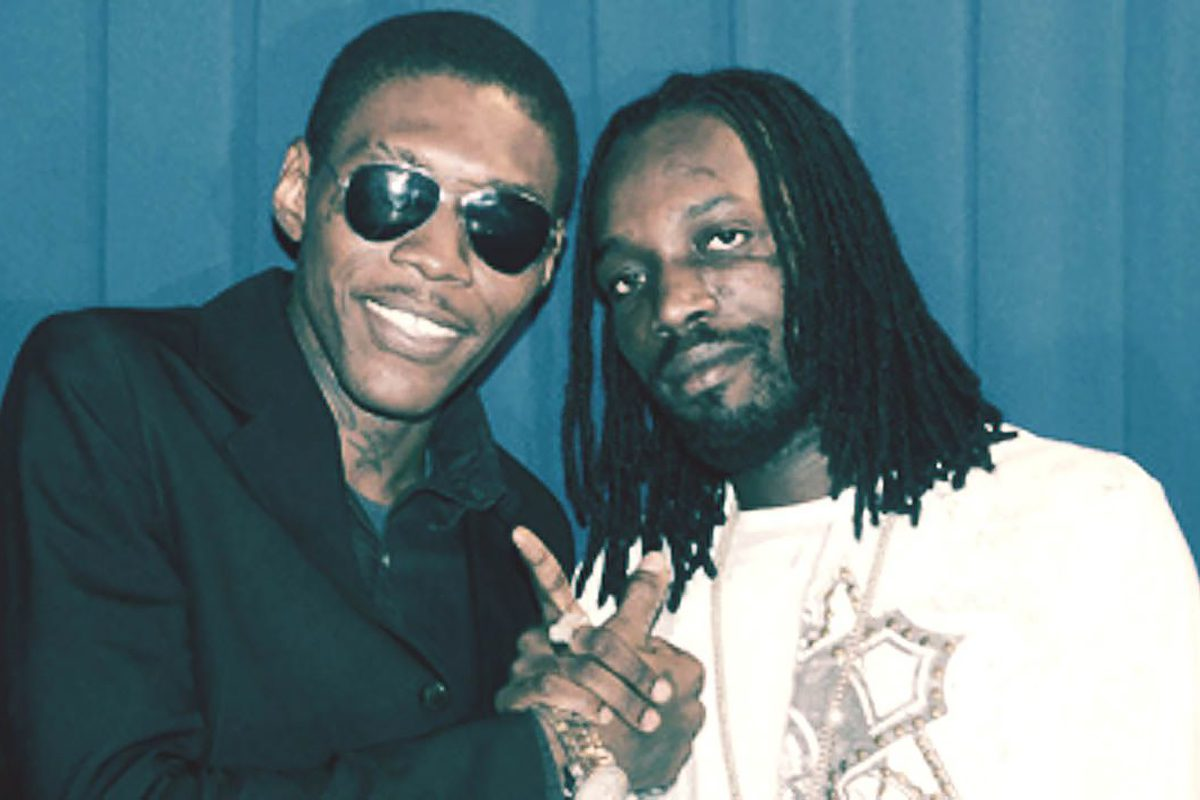
Ninja Man was left with a bloodied nose and had to be shielded by security. Laing says he helped protect Kartel that night, and he still calls it the lowest point in Sting’s history.
Days later Kartel faced the press: “Apologies are in order, especially to the ‘Don Gorgon’ Ninja Man, and the organisers of Sting.” Ninja has never fully let it go, and he still views the episode as a conspiracy against him.
The rivalries kept coming. Sting 2008 put Vybz Kartel and Mavado on the same bill at the height of the Gaza and Gully era, when every appearance by either man was charged with tension.
Too Far, Too Costly
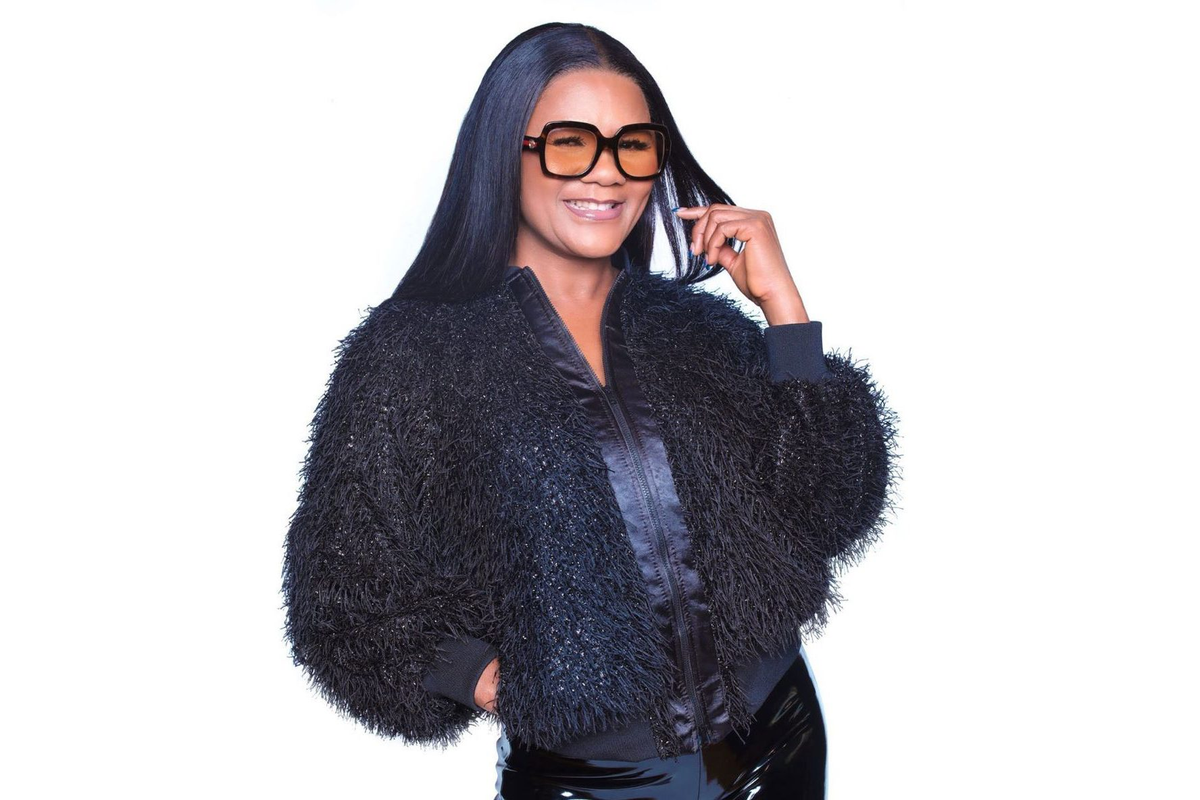
The clash format always lived close to the edge. At Sting 30, the costliest staging in the event’s history, a female clash involving Lady Saw went far past lyrical sparring. Even Laing admitted “it went a bit too far.”
Lady Saw apologised the next day, calling her own behaviour “degrading to women,” and the promoters banned Sizzla and D’Angel for at least five years.
Meanwhile the money was drying up. In 2015, even with investment from Josef Bogdanovich, Laing said Sting had not turned a profit in several years.
With no major sponsor behind him he said simply, “I don’t know what the future holds.” The 32nd staging, “Then Til Now,” went ahead at Jamworld on December 26, 2015.
A year later the concert was replaced with an invitation-only party and awards ceremony, as Laing promised a “more friendlier Sting” and talked of franchising worldwide.
Hiatus, Comebacks and Two Cancellations
Sting went quiet from 2015 to 2019, and a virtual 2020 edition collapsed over financial difficulties.
The show finally returned in 2022 after a seven-year gap, moving to a new north coast venue in St. Ann with more than 15 artistes booked.
In 2023 it was back in Portmore and streamed worldwide for $13.99, while Isaiah Laing announced he would step aside for his son and drop the clash concept.
Then the bottom fell out. Sting 2024 was cancelled hours before the Boxing Day show after production firm Clearsound Production Services Group withdrew, citing “material breaches” of its contract and sending a cease-and-desist letter.
More than 30 artistes had been slated, including Tommy Lee Sparta, Gyptian, Laden and Quada. Laing said a replacement crew would have needed at least three days to set up. In 40 years, even through dire weather, the show had never been postponed or cancelled.
His son Tahheer “Fatman” Laing promised an “upgraded” Sting for 2025, with Jamal and Tommy Lee Sparta confirmed, a sound clash at 7 p.m., a Gen-Z focus and talk of a UK edition in 2026.
He also pulled back from his father’s retreat: “Sting is a clash oriented event,” he said, insisting it was “always lyrical.”
When Mavado announced his own December 27 show, Tahheer held firm: “Sting a keep.” But on December 11, 2025, the show was cancelled again.
Sponsors had reallocated funds after Hurricane Melissa, and the Laings said they had lost money the year before.
The rumoured Tommy Lee Sparta versus Masicka clash never happened. “This is a time for love, peace and unity,” Isaiah Laing said.
Why Sting Still Matters
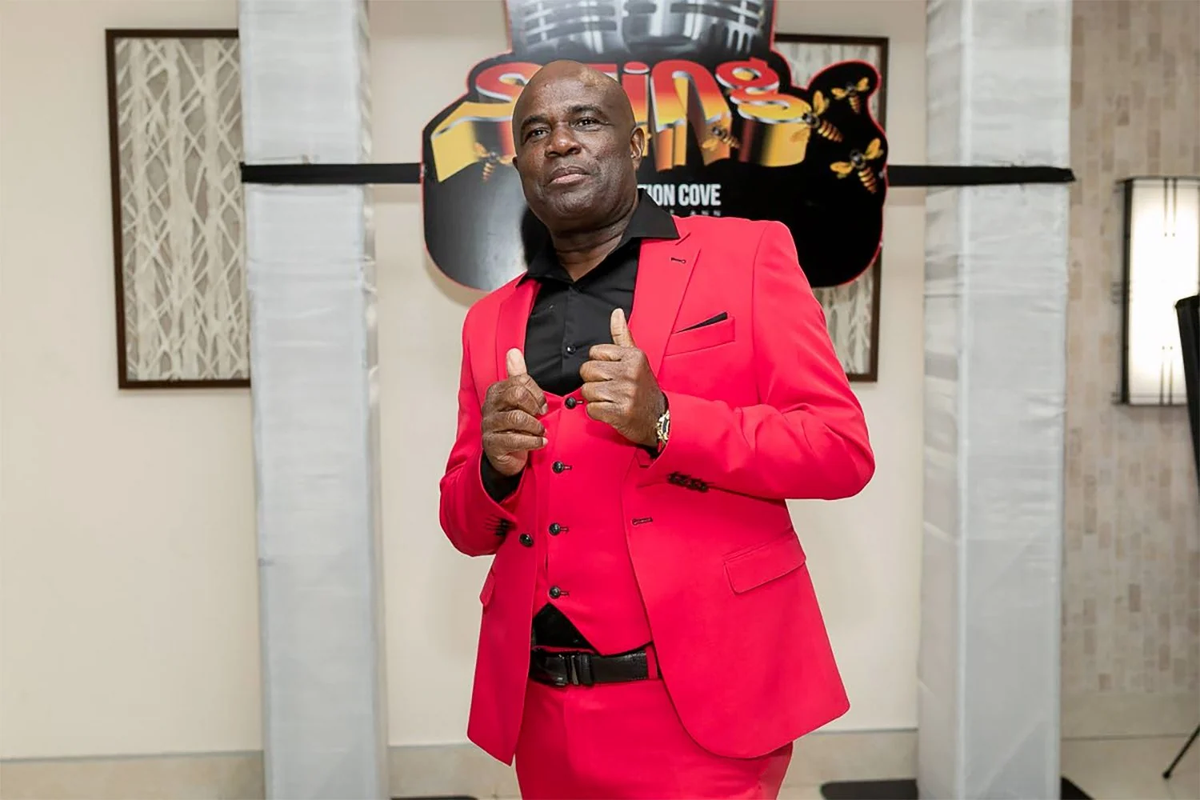
Not everyone is waiting for a revival. Vonni Koromanti Meikle of Plantation Cove put it bluntly in 2025: “Boxing Day is dead.” Maybe so. But no other stage did more to define what dancehall competition looks and feels like.
Sting taught generations of artistes that a crowd could make or break you in one night, and it produced moments that fans still argue over decades later: Ninja’s crown, the 1993 standoff, the shame of 2003.
Isaiah Laing’s own words still frame the question hanging over its future. “Sting is an institution in entertainment in Jamaica,” he said in 2024. “We can’t allow a show like this to die.”
Whether it returns to Portmore, finds a new home or lives on only in replayed footage, the legendary Boxing Day clash set the standard every other dancehall stage has been measured against.