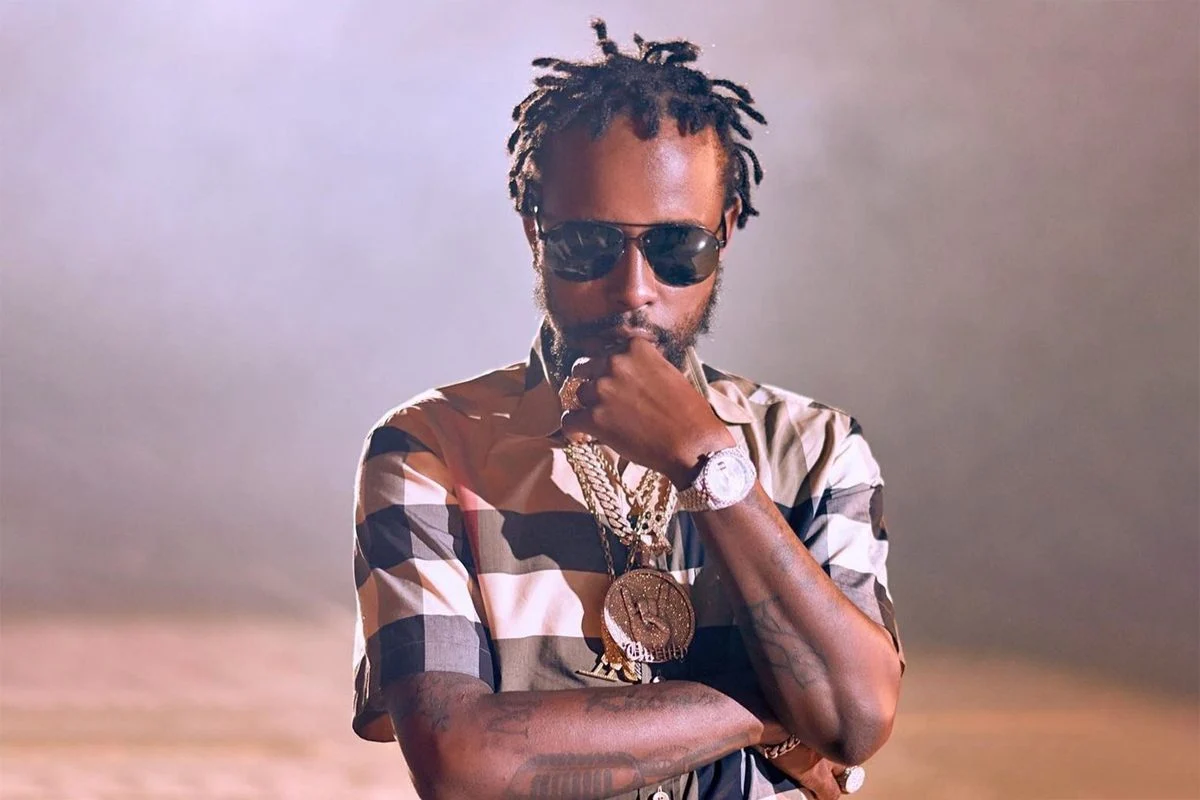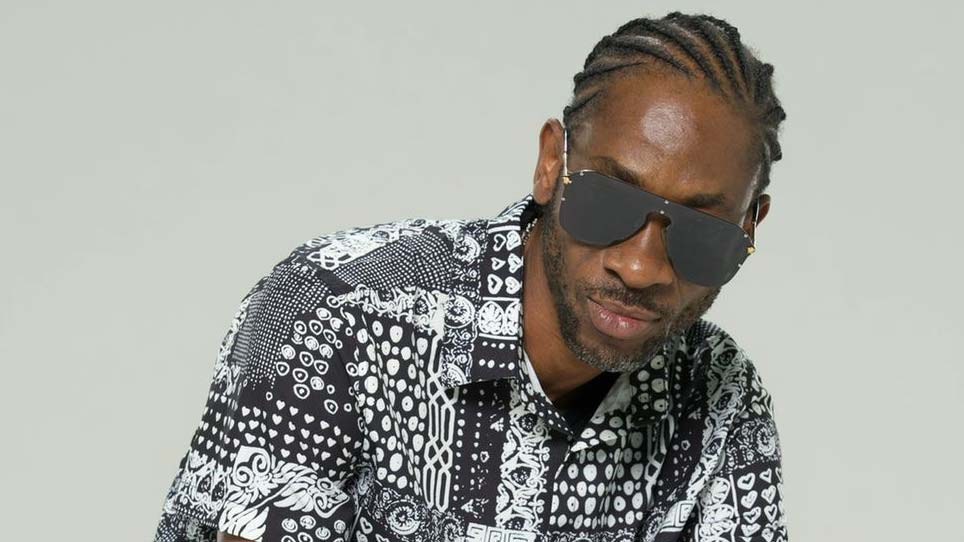

Buju Banton net worth is a subject that attracts considerable interest given the Jamaican legend’s turbulent yet triumphant career arc.
Buju Banton is a Jamaican musician who has a net worth of $2 million, according to Celebrity Net Worth, the most widely cited source on the topic.
A separate, unverified estimate from one aggregator places the figure as high as $10 million to $20 million, but no primary financial documentation supports that range, and it should be treated with caution.
For the purposes of this reference page, Buju Banton’s net worth is best described as estimated between $2 million and $4 million, based on the consensus of multiple entertainment finance trackers reviewed in 2025 and 2026.
His earnings primarily come from album sales, live performances, international tours, and royalties from his extensive music catalog.
Those revenue streams were severely disrupted by nearly a decade of incarceration but have steadily recovered since his 2018 release.
Who Is Buju Banton?
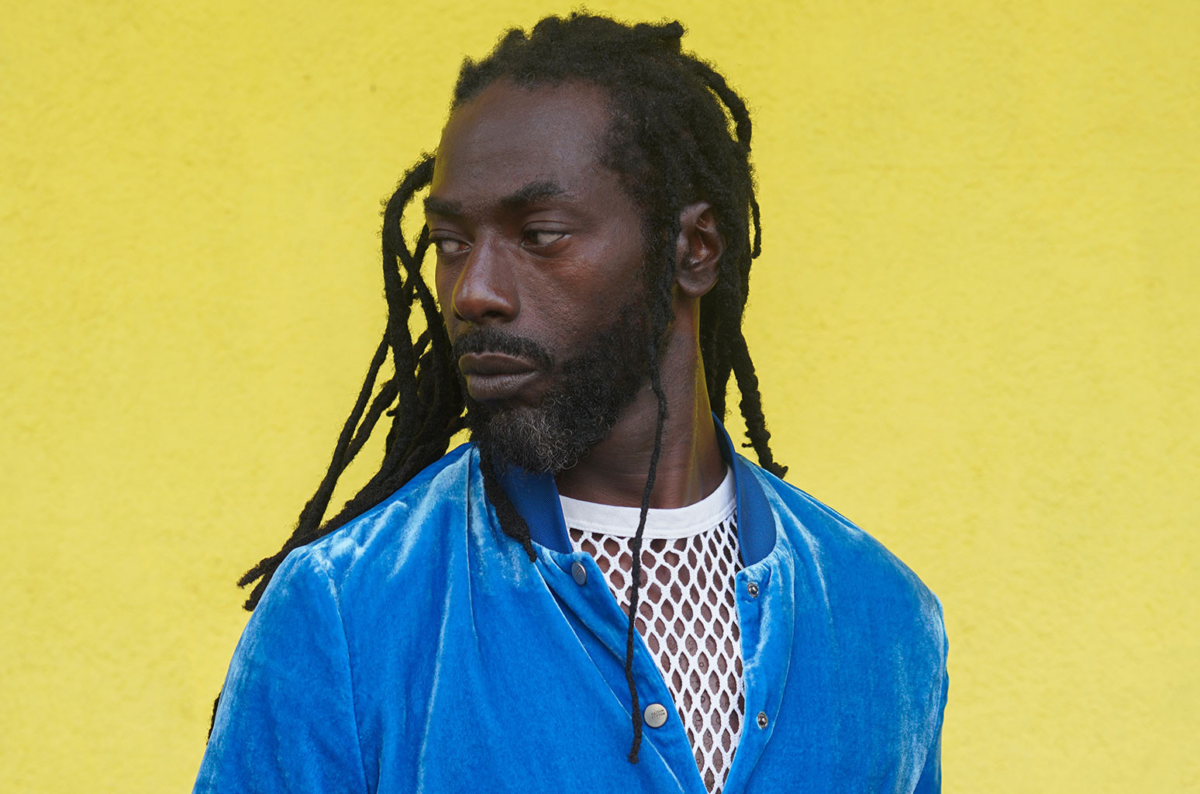
The youngest of 15 children of a street vendor, Mark Anthony Myrie was born on July 15, 1973. Growing up in the Salt Lane ghetto of Kingston, the capital city of Jamaica, Myrie knew firsthand the poverty and struggles that characterized much of slum life.
Gaining the nickname “Buju” for his chubby build, which resembled the large, round breadfruit called “buju” in local slang, Myrie took part in dancehall deejaying while still a youth.
Later, he would adopt the surname “Banton” in honor of another deejay, Burro Banton, who served as an early mentor
Buju’s mother was a higgler, or street vendor, while his father worked as a labourer at a tile factory.
Known professionally as Buju Banton, he is a Jamaican reggae and dancehall musician who has recorded for labels including Techniques, Penthouse, Mercury, PolyGram, Loose Cannon, Island, VP, Gargamel Music, and Roc Nation, with years active spanning 1987 to 2011 and 2018 to the present.
Career Milestones That Built Buju Banton’s Net Worth
The latter studio is where 16-year-old Buju recorded his first song, “The Ruler.” Recognized as a reggae prodigy, he was commissioned by DJ sets Rambo International and Sweet Love sound system to DJ for $100 a weekend. He signed a contract with Penthouse Records in 1991.
In 1992, he released his breakthrough albums, with Mr. Mention becoming the best-selling album in Jamaican history at the time. This early success earned him international recognition and a deal with Mercury Records.
Banton converted to Rastafarianism and revolutionized dancehall by employing the live instrumentation and social consciousness of classic roots reggae.
He first adopted the approach on his 1995 classic ‘Til Shiloh, which raised hopes among his fans that he would become dancehall’s great international ambassador.
Albums like Til Shiloh (1995) and Inna Heights (1997) showcased this evolution and cemented his status as a global reggae icon.
In 1998, Buju met the punk band Rancid and recorded two tracks with them: “Misty Days” and “Life Won’t Wait.”
The latter became the title track of Rancid’s 1999 album, Life Won’t Wait. Subsequently, Buju signed with Rancid’s eclectic Anti, a subsidiary of Epitaph, and released Unchained Spirit in 2000.
In March 2003 he released Friends for Life, which featured more sharply political songs, including “Mr. Nine,” an anti-gun song that further verified his status as one of reggae’s most anti-confrontational artists.
He won the Grammy for the best Reggae album of 2010, “Before the Dawn,” on February 13, the day before his trial began. The timing was bitterly ironic.
Buju Banton’s contribution to reggae music earned him the prestigious Grammy Award for Best Reggae Album in 2011 for his project Before the Dawn.
In total, throughout his career, he has released 12 studio albums, several of which topped or ranked highly on reggae charts worldwide.
Legal Troubles and Their Financial Impact
The single most consequential event in Buju Banton’s financial life was his arrest and conviction on drug charges in the United States.
Banton was convicted in February on charges of conspiring with two others to possess at least 11 pounds of cocaine. He was also found guilty of another drug offense and a gun charge.
A federal judge sentenced Grammy-winning reggae singer Buju Banton to 10 years in prison, the lowest sentence legally allowed for his role in a large cocaine trafficking deal in 2009.
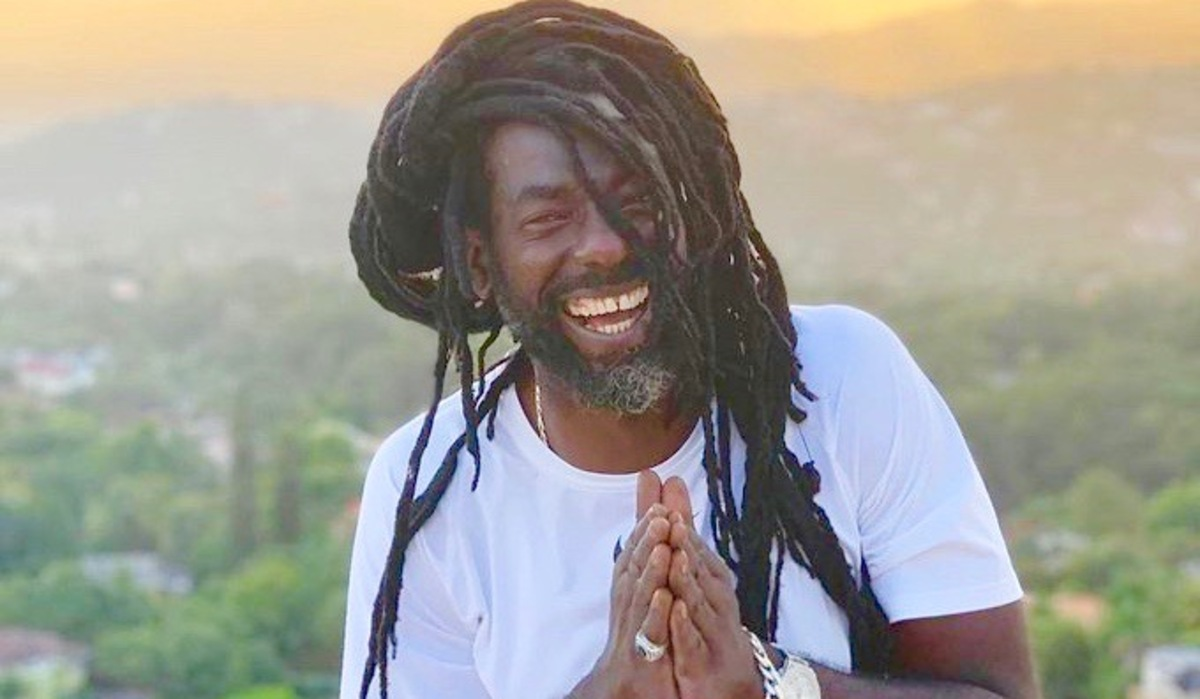
The 38-year-old Jamaican recording artist got a break when U.S. District Judge James S. Moody threw out a gun conviction, which would have added another five years to the minimum sentence.
It was almost a year after Banton was released from Georgia’s McRae Correctional Facility, having been convicted in 2011 of conspiracy to possess cocaine with intent to distribute and illegal possession of a firearm.
A 10-year sentence followed, but it was later reduced to seven years after a judge tossed the illegal gun conviction.
He was convicted and sentenced to prison, serving nearly a decade before being released in 2018. His legal troubles temporarily paused his career but did not diminish his fan base, especially in Jamaica and among reggae lovers globally.
The financial cost of incarceration is not publicly documented, but it is reasonable to conclude that years of lost touring revenue, halted recording activity, and legal fees materially reduced the net worth Banton had accumulated by 2009.
Post-Prison Comeback and New Revenue Streams
Reggae and dancehall star Buju Banton performed his first concert following his release from prison on March 16, 2019, at the National Stadium in Kingston, Jamaica.
Banton’s first concert since being released from prison came in March at the sold-out National Stadium in Kingston, Jamaica.
Several other shows across the Caribbean were confirmed, and the famous SummerJam Festival in Germany also confirmed a Buju Banton performance.
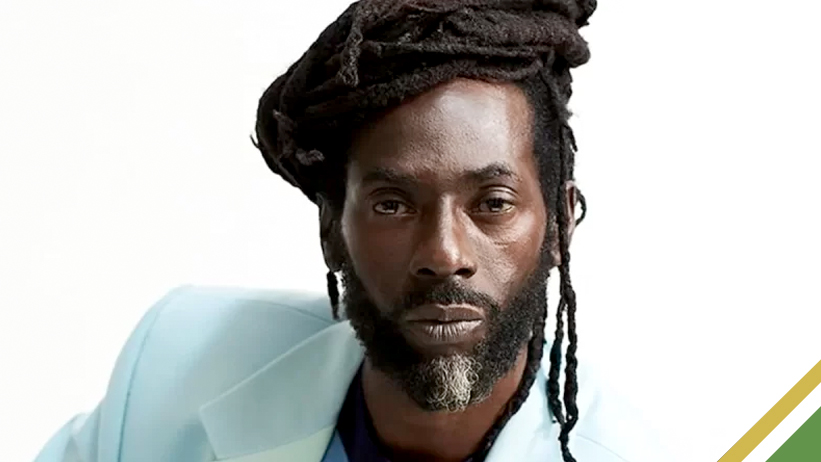
He went on the “Long Walk to Freedom” tour and dropped singles including “False Pretense,” “Trust,” “Country for Sale,” and “Bagga Mouth.
Jamaican reggae and dancehall icon Buju Banton celebrated a new Roc Nation deal with the release of his brand new single “Steppa.” Buju Banton is officially on the Roc Nation roster, making him the second Jamaican reggae artist to sign with the label, after Damian “Jr. Gong” Marley.
The Roc Nation management deal, announced in November 2019, represented a significant vote of industry confidence and positioned Banton for wider commercial reach heading into the 2020s.
Business Ventures and Assets
Beyond performing and recording, Buju Banton has built ancillary income streams through entrepreneurship.
Beyond the studio, Banton has branched out into entrepreneurship, launching his clothing line, Gargamel Wear, and founding his record label, Gargamel Music. Owning his own label gives him a more favorable share of royalty income from his catalog compared with being a signed act on a major imprint.
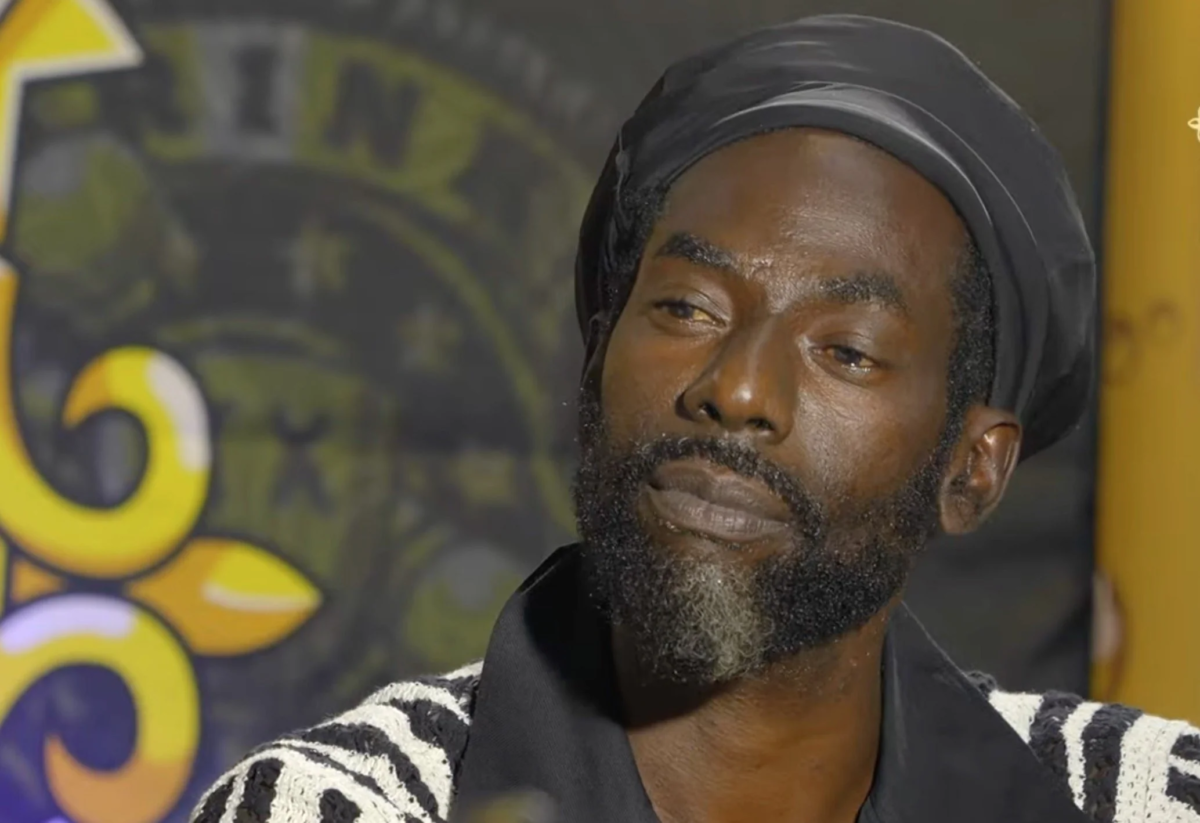
Buju Banton has invested in real estate in Jamaica and reportedly owns properties in Kingston and the countryside. He has also bought homes in both Jamaica and Tamarac, Florida. No verified valuations for these properties have been disclosed publicly.
Banton’s influence extends beyond music. He is known for his philanthropic efforts and his commitment to social justice. He has been involved in various initiatives to support education and community development in Jamaica.
Estimated Annual Income (2026)
Streaming and digital royalties now form a meaningful and recurring layer of Buju Banton’s income. Third-party analytics tools offer approximate figures, though all such estimates carry wide margins of error and should not be taken as confirmed financial data.
According to Popnable, a music analytics tracker, Buju Banton’s estimated revenue in 2025 was approximately $646,900, with a forecast range between $641,100 and $830,600.
For 2026, the platform forecasts revenue of approximately $246,900, with a projected range between $239,900 and $310,800. These figures reflect streaming and digital metrics and do not account for live performance fees or private business income.
A separate social media analytics platform, Hafi, estimates that Buju Banton’s total estimated annual income is approximately $163,080 to $223,240 across all possible revenue streams, based on a total audience of approximately 1.69 million users on Instagram.
These figures reinforce the assessment that Buju Banton’s active annual earnings from documented channels are comfortably in the hundreds of thousands of dollars, with the touring and live sector — not captured by streaming trackers likely constituting the largest share of his gross income in any given year.
Buju Banton Net Worth: Key Figures at a Glance
| Data Point | Detail |
| Real Name | Mark Anthony Myrie |
| Date of Birth | July 15, 1973 |
| Birthplace | Salt Lane, Kingston, Jamaica |
| Active Since | 1987 |
| Studio Albums | 12 |
| Grammy Awards | 1 (Best Reggae Album, 2011, for Before the Dawn) |
| Net Worth Estimate (2026) | $2 million to $4 million (per Celebrity Net Worth and YouTube analytics trackers) |
| Primary Income Sources | Touring, streaming royalties, label ownership (Gargamel Music), merchandise |
| Management | Roc Nation (signed November 2019) |
Context: Why Buju Banton’s Net Worth May Be Understated
Several factors make it difficult to arrive at a precise figure for Buju Banton’s net worth. First, he operates his own label, Gargamel Music, meaning a portion of his earnings flows through a corporate entity rather than personal income.
Second, real estate holdings in Jamaica are not subject to the same public disclosure requirements as those in the United States, so the value of his Jamaican property portfolio is unverifiable.
Third, the touring fees commanded by an artist of Banton’s stature in Jamaica and the Caribbean reggae circuit are rarely disclosed in public filings.
While sources like CelebrityNetWorth estimate his net worth around $2 million, the reality is more nuanced, with undisclosed assets and private business interests potentially pushing the true figure higher.
Legacy and Long-Term Earning Potential
Buju Banton is unequivocally one of the world’s greatest dancehall and reggae artists. The man born in Salt Lane, Kingston as Mark Anthony Myrie is also known to the world as a living legend, Grammy winner, abolitionist, and voice for oppressed people around the world.
For over three decades, he dominated the reggae and dancehall sub-genre with iconic collaborations, superior lyricism, and a ministry committed to liberating the minds of oppressed people.
His timeless tracks continue to influence younger generations of reggae and dancehall artists. As streaming platforms continue to grow in the Caribbean and African markets, catalog ownership through Gargamel Music positions Banton to benefit from passive royalty growth well into the future.