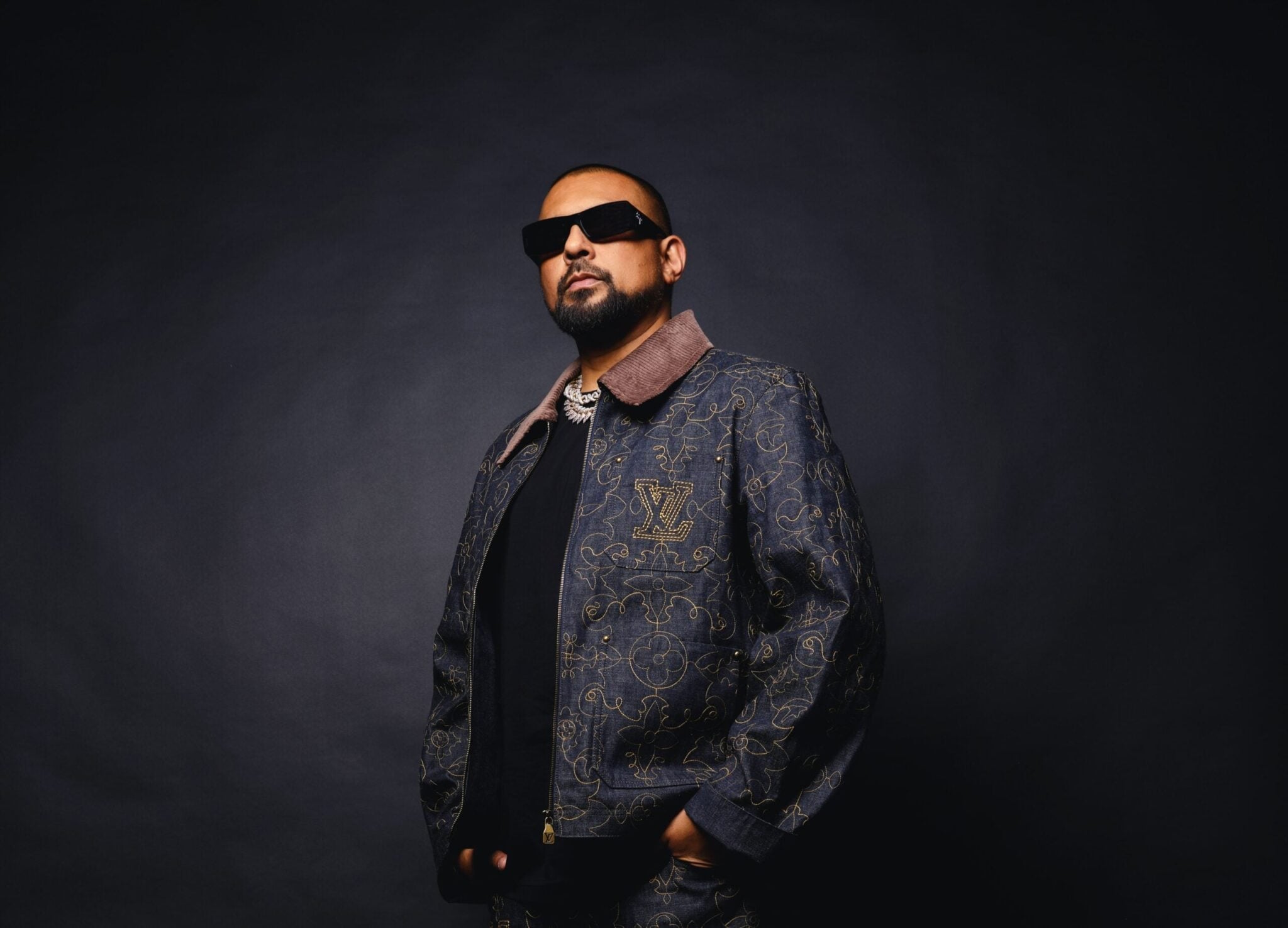


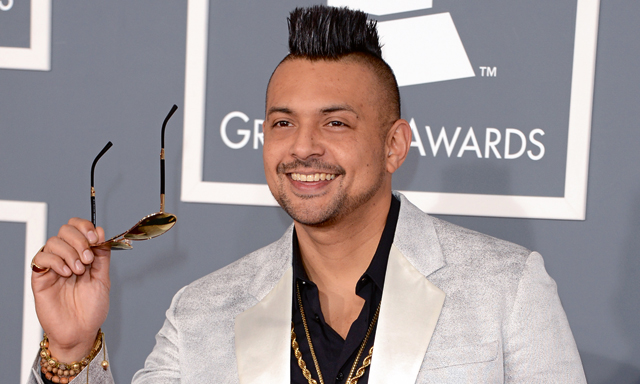
By the autumn of 2005, the whole world was waiting to hear what Sean Paul would do next. Dutty Rock had turned a Kingston deejay into a global pop presence.
“Get Busy” had topped the Billboard Hot 100, and his verse on Beyoncé’s “Baby Boy” had gone all the way too.
Then came the Grammy for Best Reggae Album. The pressure on the follow up was enormous.
His answer was The Trinity, released on 27 September 2005 through Atlantic and VP. It ran 18 tracks and just over an hour.
Instead of chasing America on America’s terms, Sean Paul made the album at home, in Jamaica, with Jamaican producers and a harder dancehall edge. It became one of the biggest records dancehall has ever produced.
Three Years, Three Meanings
The title was no accident. Sean Paul explained it in threes. It was his third album. It spent three years in production. And it was, in his words, “all done right here in the Third World.”
Fans have also read a musical trinity into the name, the three strands of reggae, hip hop and dancehall that he had been braiding together since his early days on the Kingston scene.
The home recording was the point he kept returning to. Looking back on the album’s 18th anniversary in 2023, he wrote on Instagram: “On this day Mi third album The Trinity came out, recorded entirely in Jamaica it took 3 years to create.”
Sessions stretched from 2002 to 2005, so he was making the album during the same years Dutty Rock was carrying him around the world.
Built in Kingston
Look at the credits and you see a snapshot of mid-2000s Jamaican production. Michael “Factor” Jarrett, working alongside Andre Saunders and Delano Thomas, shaped the hard-charging opening pair of “Head in the Zone” and “We Be Burnin'”. Factor also produced the closing title track. Steven Marsden handled “Send It On” and “Ever Blazin'”.
Rohan “Snowcone” Fuller built “Temperature, Dwayne “Supa Dups” Chin-Quee produced “Straight Up”, and Craig “Lef Side” Parks was behind “I’ll Take You There. “Breakout” came from Omari and Roach Stines, while Jason Henriques produced “All on Me”.
The guest list kept things close to the yard as well. Wayne Marshall joined him on “Yardie Bone” and Tami Chynn sang on “All on Me.
The closing posse cut, “Change the Game”, brought in Jigzagula, Kid Kurup and Looga Man. Nina Sky added a cross-border pop sheen to “Connection”.
AllMusic summed up the creative choice neatly: after a long wait, Sean Paul had gone harder and more aggressive rather than pushing further into pop. For dancehall heads, that was the reassurance they wanted.
The Singles That Ran the Year
“We Be Burnin'” hit radio on 22 August 2005, more than a month ahead of the album. It was a weed-smoke anthem with a relentless bounce, the kind of tune that worked equally well in a Kingston session and on American Top 40.
It climbed to No. 6 on the Billboard Hot 100 and went Platinum, so the album arrived with real momentum.
“Ever Blazin'” followed, but “Temperature” was the one that changed everything. Snowcone’s rhythm was urgent and bright, and Sean Paul’s rapid-fire delivery made a winter song feel like midsummer.

The tune became his second solo No. 1 on the Hot 100 after “Get Busy”. It has since been certified triple Platinum in the US and double Platinum in the UK.
Almost two decades on, it remains the song people reach for when they want to prove dancehall can dominate pop radio without diluting itself.
“(When You Gonna) Give It Up to Me”, released as a single in 2006 with Keyshia Cole, carried the album into another lane. It landed on the Step Up soundtrack, earned Gold in the US and went Platinum in the UK.
The reggae-leaning “Never Gonna Be the Same”, written by Sean Paul with Don Corleon and Nigel Staff, showed a more reflective side of an artist best known for party records.
The Numbers
The Trinity debuted at No. 5 on the Billboard 200, selling more than 107,000 copies in its first week.
At the time, that was the highest debut and the biggest single-week sales figure for a reggae artist in SoundScan history.
It entered the US Reggae Albums chart at No. 1, as Dutty Rock had before it. It reached No. 4 on Top R&B/Hip-Hop Albums and No. 3 on Top Rap Albums, a clear sign of how far dancehall had pushed into American urban radio. In the UK it peaked at No. 11.
The sales kept coming. The album went Platinum in the US about five months after release and had sold 1,312,000 copies there by April 2009.
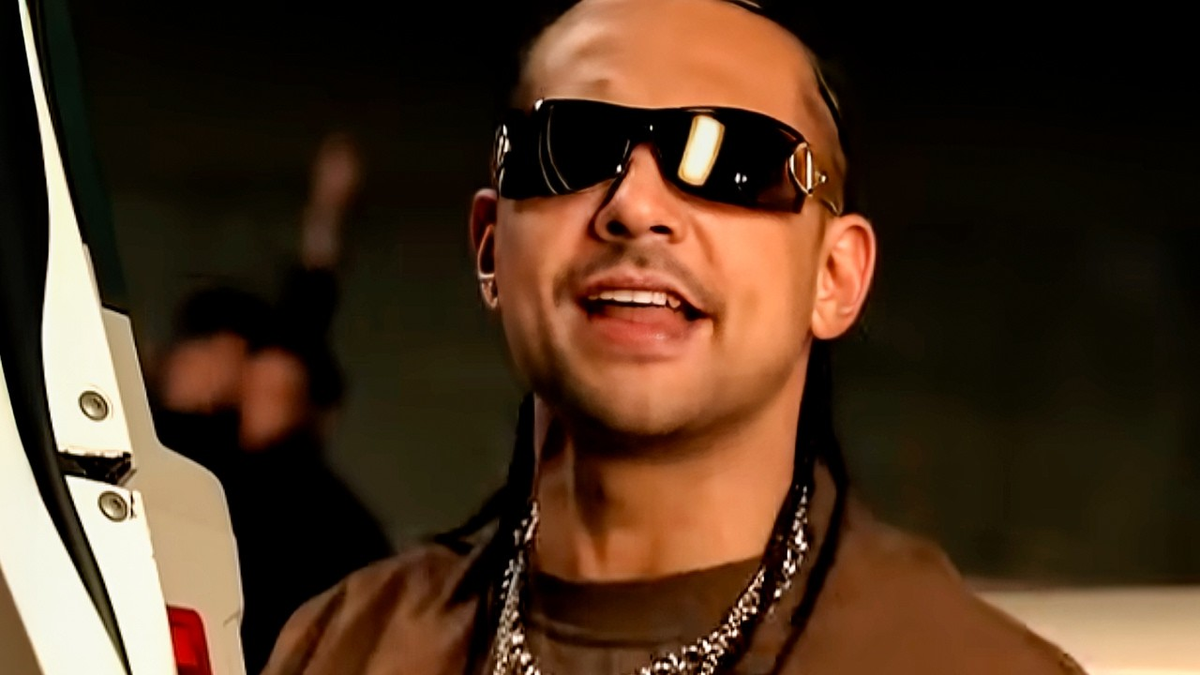
It was also certified Platinum in Europe. In March 2024 the RIAA certified it double Platinum, nearly two decades after release.
The album also lived on through reissues. Atlantic issued an expanded two-CD UK edition on 26 June 2006, a European limited edition carried a duet with Joss Stone, and later editions added “Break It Off” featuring a young Rihanna.
In 2008 Rhino paired it with Dutty Rock in a two-in-one set, putting his two blockbuster albums side by side.
Reception and the Grammy Race
Critics were generally positive, though some measured it against its predecessor. Writing in Rolling Stone, Jonathan Ringen gave it three stars out of five and noted that it “never quite achieves Dutty’s immediate, overwhelming pop appeal.”
That was true in a sense. The Trinity was denser, longer and more rooted in the dancehall than the crossover sprint of Dutty Rock.
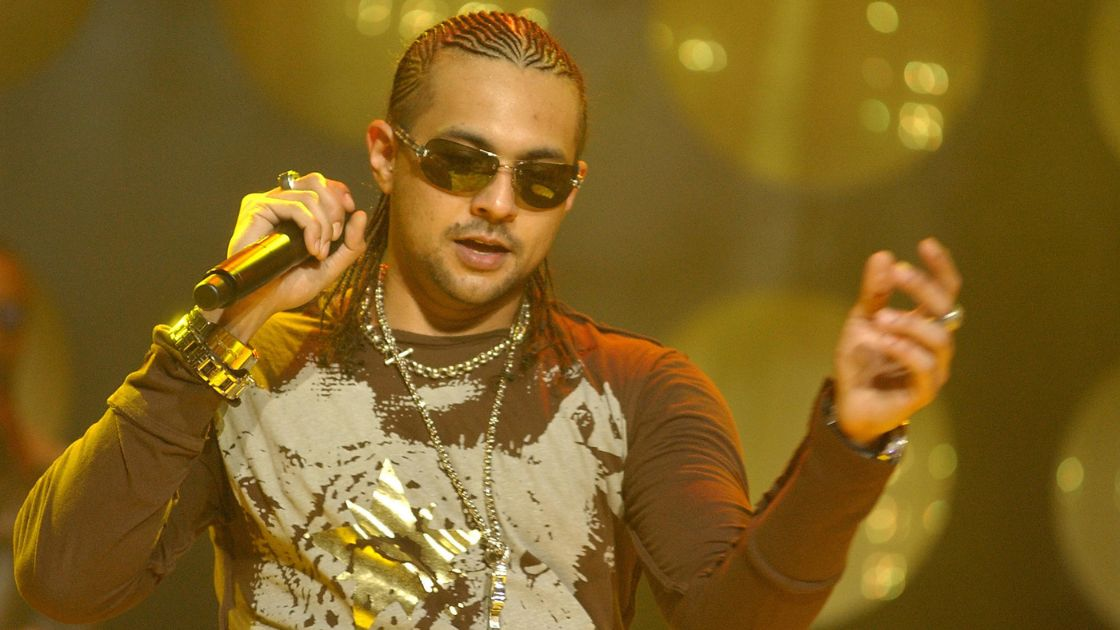
At the 48th Grammy Awards in 2006, it was nominated for Best Reggae Album. It lost to Damian Marley’s Welcome to Jamrock.
Losing to one of the strongest reggae albums of the century was hardly a defeat, and the two records together made 2005 one of the most commercially powerful years Jamaican music had seen in a long time.
Why The Trinity Still Matters
The Trinity answered a question many artists never get to answer. Could the biggest dancehall star in the world go home, record with the people around him, and still win on the global stage?
Sean Paul did it with a No. 1 single, a top five debut and a double Platinum plaque that came through nearly 20 years later.
The album also documented a generation of Kingston producers and voices, from Factor and Snowcone to Wayne Marshall and Tami Chynn, at the height of their reach.
Spin “Temperature” at any party today and the floor still answers. That is the real legacy of The Trinity: three years of work in the Third World that the whole world is still dancing to.