

One of dancehall’s most memorable early pairings came together almost by chance.
According to Koolface, the producer behind the Vendetta studio, Vybz Kartel and Wayne Marshall first linked up on “New Millennium” because Kartel could not reach the key the song’s chorus demanded.
The collaboration, which Koolface placed at “about 2003,” marked the first time the two artists appeared on a record together.
It also stands as an early milestone for the Vendetta camp, which was still finding its footing in production after a period spent cutting dubs and building its name in the dances.
Koolface traced the studio’s move into production to a growing confidence in his own ear. He recalled working on a hip hop flavoured collaborative mix featuring a number of artists, Marshall among them, and realizing through that process that his skills were developing.
Someone in the circle noticed it too, telling him, “Yo, I like your ears.”
From there, the team began playing through riddims and recording songs on what Koolface described as an old computer. One of those riddims would carry “New Millennium,” and the early sessions on it are where the story turns.
Kartel had the song largely written. The lyrics and structure were in place, but the chorus was the problem. The melody sat in a key that did not suit him, and no matter how it was approached, the hook did not land.
“It just never felt right,” Koolface said.
The solution was to bring in Marshall, who already had a good relationship with the Vendetta team. Koolface said Marshall did not hesitate when asked. He came in, sang the chorus, and the record was finished.
The result was a pairing that, by Koolface’s account, nobody had planned. Vendetta, he made clear, was where Kartel and Marshall were put together for the first time.
“The very first time,” he said.
Before the song reached radio, it lived underground. Koolface explained that the team would play the riddim at dances and cut dubs on it for sound systems, so the track was building a reputation away from the mainstream. “So that was a big dub song,” he said. Sound systems had it, but the wider public had not yet caught on.
He also recalled the broader circle around the riddim at the time, with other artists, including Elephant Man, coming around as interest grew.
As DJs began giving the record spins and producing their own edits, it gradually moved from the dancehall to the airwaves.
The riddim also gave Kartel something uncommon for the period. He ended up with two songs on it, the collaboration with Marshall and a solo track.
Koolface noted that in those years producers rarely voiced the same artist twice on one riddim, and having two cuts on the radio from a single riddim was generally reserved for established names. It was a sign of standing, and Kartel had it before he reached his peak.
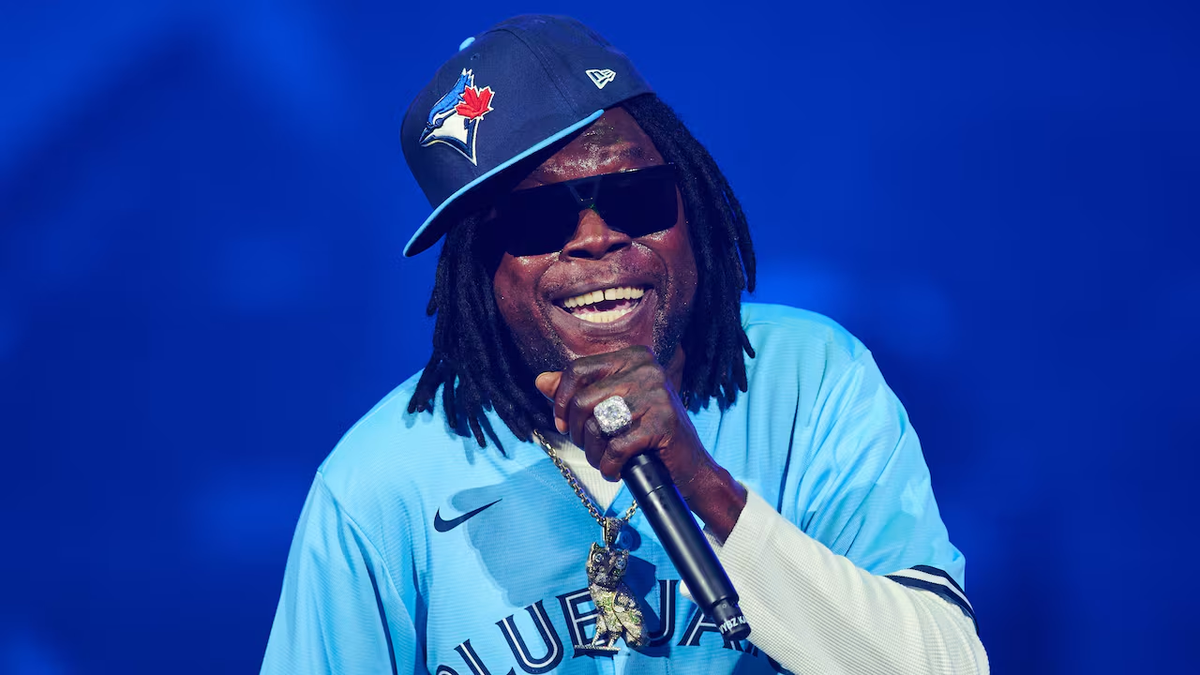
That detail adds weight to the story. At the time “New Millennium” was being built, Kartel was still on the rise, not yet the dominant figure he would become. Securing two songs on a single riddim placed him in rare company early.
For Koolface, the episode also coincided with his own name gaining recognition. As the Vendetta sound and its productions began circulating, he said, people started to recognize him and the studio behind the music.
More than two decades on, the origin of “New Millennium” offers a reminder of how much of dancehall’s history was shaped in small rooms with limited equipment.
A chorus that would not sit right in one artist’s voice opened the door for a collaboration that became part of the genre’s story, and it started, by Koolface’s telling, almost by accident.