

Chris Brown walked out of Southwark Crown Court a free man, but the judge made sure he knew the door to a cell is still open.
The singer was handed an eight month prison sentence on Monday, October 26, 2026, suspended for 12 months, after pleading guilty to affray over a 2023 nightclub confrontation in London.
That suspension is the whole story here. If Brown commits another offence in the next year, he could be sent to prison, subject to the usual legal process. Until then, he stays in the community as long as he sticks to the conditions.
He wasn’t alone in the dock. His fellow defendant, vocal coach Omololu Akinlolu, known to many as Hoody Baby, received the same treatment, with his prison term also suspended for 12 months.
The case looks very different now from how it started. According to the BBC and The Hollywood Reporter, the incident happened at a nightclub in Mayfair, one of London’s most upscale neighbourhoods. Brown originally faced charges linked to assault and grievous bodily harm, but those were later dropped.
A separate charge over an alleged offensive weapon, reportedly a tequila bottle, was dropped too. That left affray, an offence covering the use or threat of unlawful violence, as the charge Brown finally admitted.
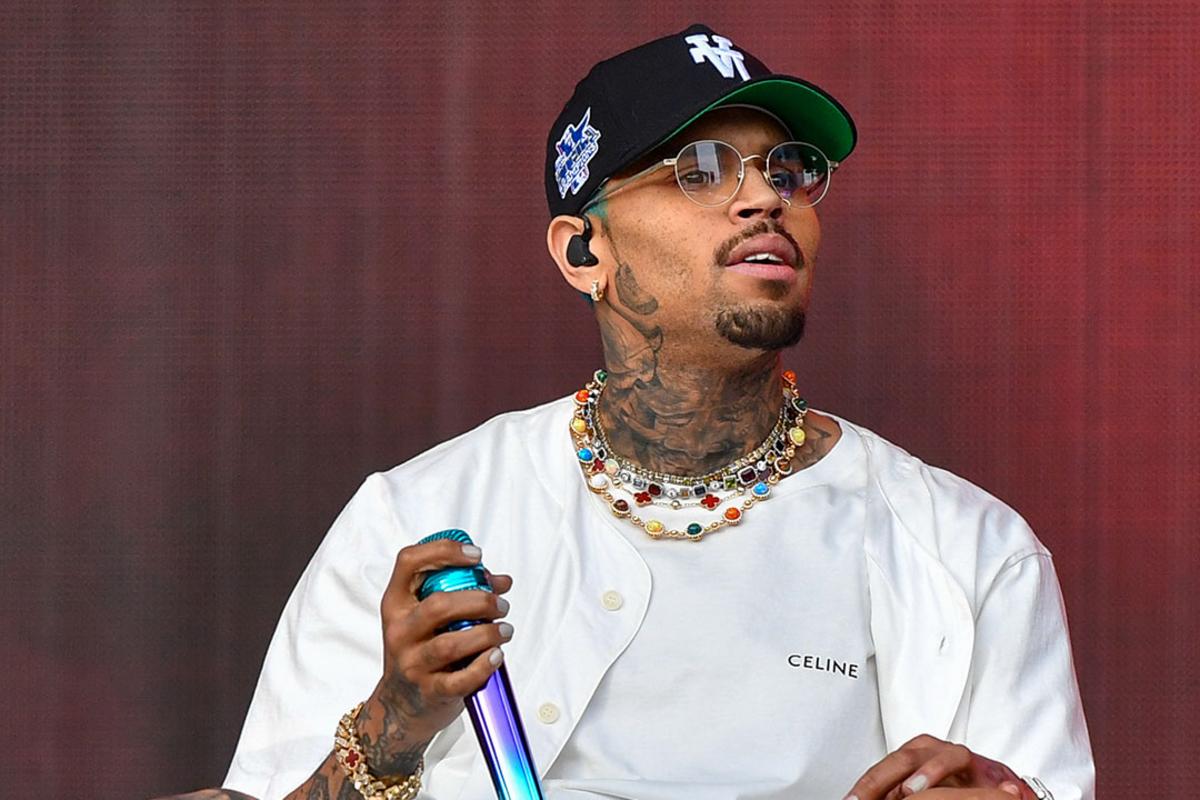
The case first made headlines in May 2025, when Brown was arrested at a hotel in Manchester ahead of his Breezy Bowl XX tour. He was granted bail and allowed to carry on performing while the case moved through the courts.
Judge Tony Baumgartner was careful about how the ruling would read. He stressed that Brown was not getting special treatment because he’s famous, a point that will matter to anyone who watches celebrity cases and suspects the rules bend for the rich and recognisable.
Still, the judge did weigh things in Brown’s favour. His charity work and his responsibilities as a father of four were taken into account during sentencing.
Then there’s the record. Baumgartner acknowledged Brown’s previous convictions involving violence, calling them relevant but historic.
For many fans and critics, that history traces back to his 2009 assault on Rihanna, a case that has shadowed his career ever since.
The legal reasoning is pretty mechanical once you see it laid out. The judge said these were the shortest custodial terms he considered proportionate to the seriousness of the offences.
Under the law he was working with, sentences of 12 months or less had to be suspended unless certain exceptions applied.
So depending on where you stand, the outcome reads two ways. Supporters will point to the dropped charges and the fact that Brown avoids prison entirely.
Skeptics will note that a Grammy winner with past violent convictions still received a custodial sentence, even if he never has to serve it.
The sentencing wraps up the London proceedings without Brown spending a day behind bars. But for the next 12 months, every move he makes carries more weight than it did last week.