
Turn on any dancehall selection and you will hear it within the first few bars: gyal. It rides on top of riddims, it gets shouted from behind the turntables, and it fills every chorus aimed at the ladies in the place.
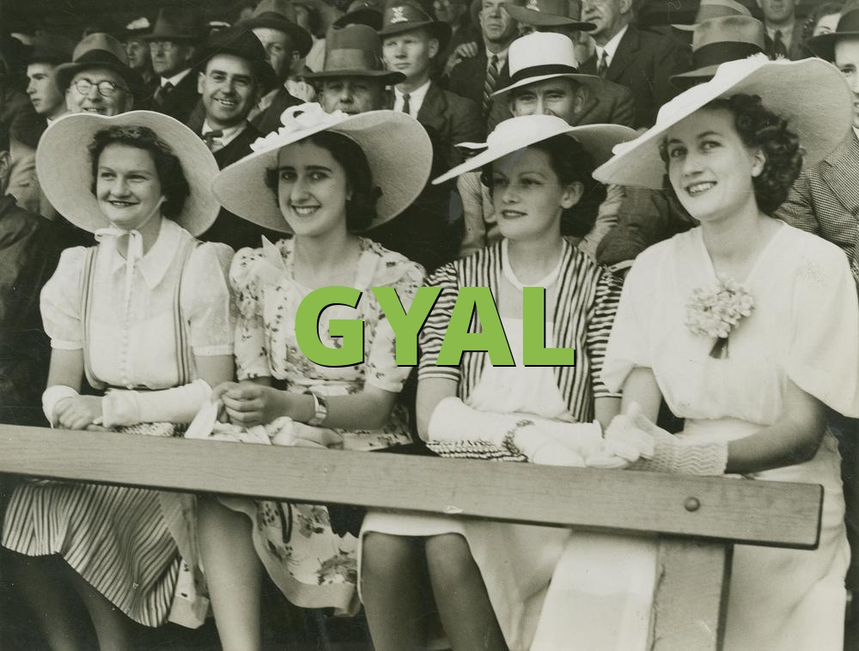
So here is the gyal meaning in plain terms. Gyal is the Jamaican Patois word for “girl,” and it refers to a girl or young woman.
That is only the start of the story. Depending on who says it, how they say it and where, gyal can be affectionate, admiring, playful, or downright disrespectful.
It can mean your girlfriend. It can hype up a woman who walks into the dance like she owns it. Here is how the word works, where it came from, and why it now travels far beyond Jamaica.
What Does Gyal Mean?
At its core, gyal means girl or young woman. It is used casually and often affectionately, though it can also carry a provocative edge depending on context.
You will also see it spelled “gal,” a form that shows up across older Jamaican writing and song lyrics.
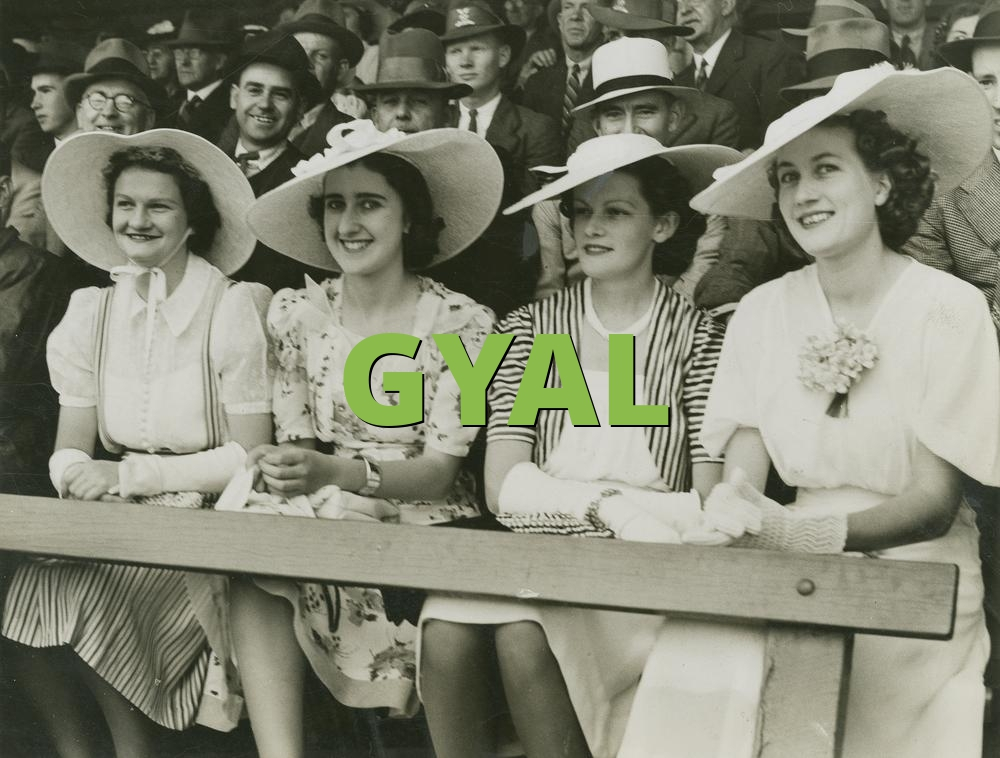
Gyal also has a more personal sense: a female partner or girlfriend. When a man says “Dat a my gyal, wi deh together for three year,” he is telling you, “That is my girlfriend, we have been together for three years.”
So the word covers girl, woman, and someone’s girlfriend, and Jamaicans read which one is meant from the sentence around it.
Where the Word Comes From
Gyal comes straight from the English word “girl,” reshaped by Jamaican Creole sound patterns.
Jamaican Patois is an English-African creole with roughly 3.2 million native speakers, built over centuries as enslaved Africans and their descendants remade English vocabulary with West African grammar, rhythm and pronunciation. Gyal is a perfect example of that process: an English root, a Jamaican sound.
The word is not unique to Jamaica, either. San Andres Creole English, spoken on the Colombian islands of San Andrés and Providencia, uses the same word with the same meaning, a reminder of how closely related the English-based creoles of the western Caribbean are.
How to Pronounce Gyal
Say it as one quick syllable: gyahl. The key is that little “y” glide after the G, the same sound you hear in Patois words like “kyaan” (can’t).
Drop the “r” of “girl” entirely, open up the vowel, and land on the L. Said with confidence, it sounds natural. Forced or overly drawn out, and Jamaicans will hear it immediately.
Gyal in Everyday Patois
The best way to understand gyal is to hear it in a sentence. A few common examples:
- “Who dah gyal deh?” means “Who’s that girl?”
- “Di gyal a dance.” means “The girl is dancing.”
- “Nuh ramp wid har. A bad gyal dat.” means “Don’t mess around with her. That girl’s tough.”
The word turns up in Jamaican print as well. A 2007 Jamaica Gleaner piece carried the line “Gyal make haste wid di water nuh man!”, the kind of impatient, familiar call you might hear across any yard in Kingston.
Tone does most of the work. Between friends, gyal is warm and familiar. From an admirer, it can carry real appreciation. Spoken sharply, it can bite.
That flexibility is exactly why the word fits so comfortably into dancehall, where a single phrase can flatter, tease and challenge all at once.
Gyal Dem, Bad Gyal and Gyallis
Gyal is the root of a whole family of expressions, and some of them are as famous as the word itself.
Gyal dem (often written “gyaldem”) means a group of girls or women, the counterpart to “mandem.”
Patois typically marks plurals by adding “dem” after the noun rather than tacking on an -s, so “di gyal dem” is simply “the girls.”

Example: “Di gyal dem a dance to di new song,” meaning “The girls are dancing to the new song.”
Any regular at a street dance knows the classic setup, too: “All di gyal dem inna di dance a wine.” It is the phrase deejays use when they turn the session over to the women.
“Bad gyal” and “hot gyal” are two of the most common combinations. Despite the word “bad,” calling someone a bad gyal is usually a compliment.
It hypes a woman up as confident, attractive, stylish, and not to be trifled with. Hot gyal leans more toward looks and presence. Both are pure dancehall energy.
Gyallis, also spelled gallis or gyalis, flips the focus to the men chasing the women. Formed from “girl” plus “-ist,” it means a womaniser or player.
Mi a real gyallis” translates as “I’m a real player,” a boast that dancehall has heard countless times. The word is common enough that the Jamaica Star used it in a 2018 article.
When Gyal Can Cross the Line
Gyal is not inherently offensive. It is an everyday word across the Caribbean and the UK, used by women about themselves and their friends as much as by men. But context matters a great deal.
Used as a bare interjection, as in “‘Ey gyal!” shouted at a woman passing by, it can come across as pejorative and extremely offensive.
That is the street-harassment version of the word, and Jamaican women hear the difference instantly.
There is also the question of who is speaking. Outside Caribbean or diaspora settings, gyal can sound borrowed or try-hard, especially when it is dropped in to sound cool rather than spoken naturally.
If the word is not part of your everyday speech, listening first is usually the smarter move.
From Dancehall to London and Beyond
Dancehall carried gyal around the world, and phrases like “gyal dem” became part of the global language of the genre.
Patois has had a heavy influence on Multicultural London English, the youth dialect of the British capital, and gyal moved right along with it into grime, UK rap and everyday street slang.

The UK record shows it clearly. Lady Sovereign was using the word in 2006, Stormzy put “gyal dem” on “Been the Man” in 2015, and he used gyal again on his 2019 smash “Vossi Bop.”
In Toronto, where Jamaican influence runs deep, the word sits comfortably in local youth slang as well.
It has reached Afrobeats too. Ghanaian dancehall and Afropop artist Gyaldem Tish built her stage name around the phrase, a sign of how naturally the word now moves between Kingston, London and Accra.
Why Gyal Still Matters
On paper, gyal is just the Patois way of saying girl. In practice it carries a whole culture inside one syllable: the rhythm of Jamaican speech, the call-and-response of the sound system, the swagger of a bad gyal stepping into the dance, and the warmth of friends greeting each other in the yard.
It has also become one of Jamaica’s quiet cultural exports. Every time a London MC or a Ghanaian singer reaches for gyal, they are borrowing from the language Jamaicans built and dancehall amplified.
Use it with respect, listen to how it is said, and the word reveals exactly how much meaning Patois can pack into something small.