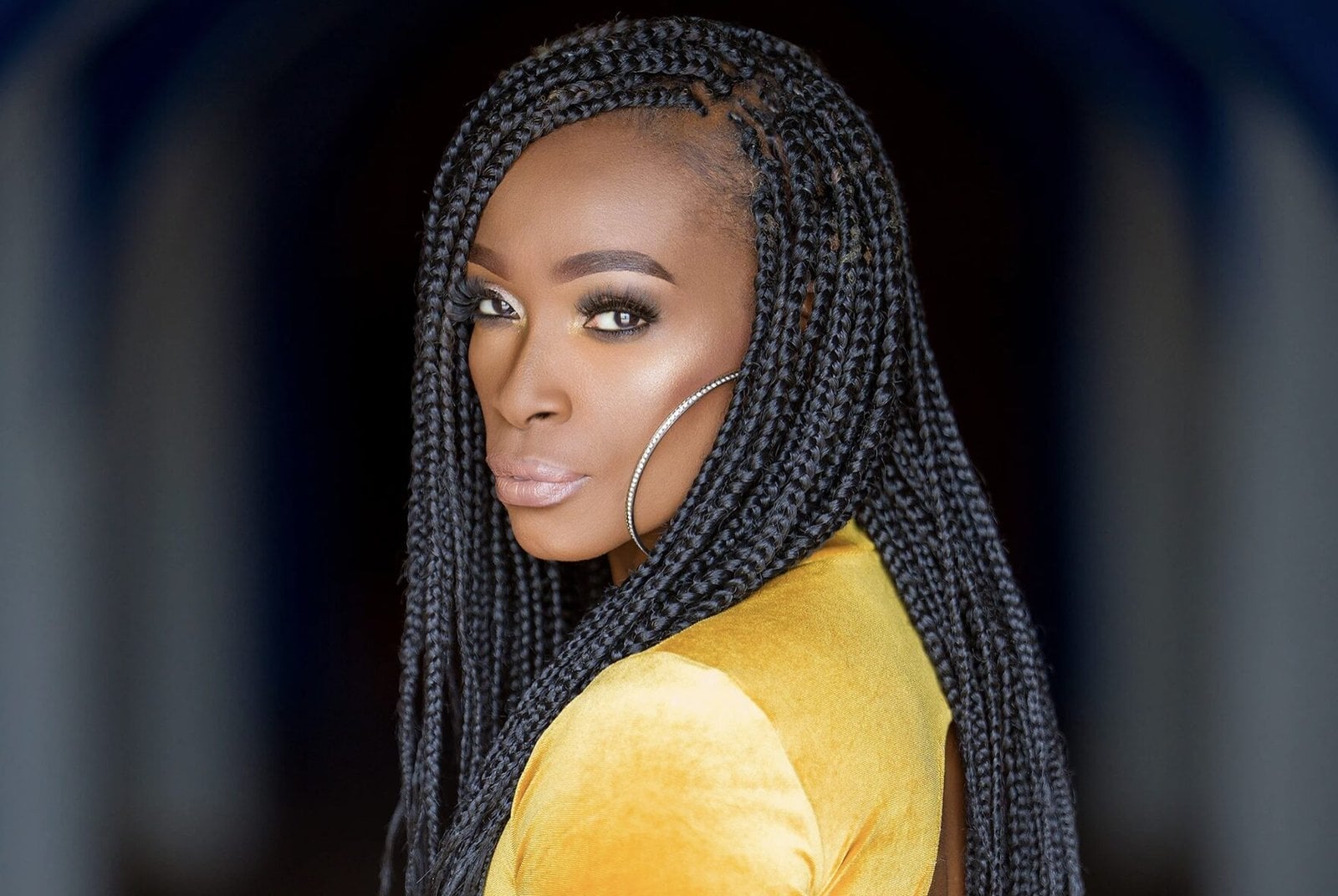

Yemi Alade did not come to play with her latest project. The Nigerian Afrobeats heavyweight has released a 16-track album titled “IT’S YEMI ALADE,” and the title alone tells you everything about the energy she brought to this one.
The project pulls in a genuinely exciting spread of East African talent, with Kenyan artists Bien, Njerae, and Sofiya Nzau all making appearances. That combination is interesting on its own, because each of those three artists occupies a very different sonic space, which suggests Yemi Alade was deliberately reaching across styles rather than just stacking the tracklist with familiar names.
Bien, who built his reputation through Sauti Sol before cementing himself as a serious solo act, brings a certain warmth and vocal depth that contrasts well with Yemi Alade’s more high-energy delivery. His inclusion on a project like this signals that the collaboration is not just a regional checkbox, but a genuine creative pairing worth paying attention to.
Njerae has been one of the more quietly consistent voices coming out of the Kenyan scene, and her appearance here puts her in front of a much wider audience than she typically reaches.
For an artist still building her international profile, a feature on a Yemi Alade album is the kind of placement that can genuinely shift things.
Sofiya Nzau is perhaps the most unexpected name on the list, given that she first broke through in a very different context, her voice famously sampled on Kygo’s “Pão de Mel” before she stepped forward as a full artist in her own right. Seeing her on an Afrobeats project of this scale is a reminder of how much her trajectory has shifted in a short period of time.
With 16 tracks, this is not a short, sharp statement album. Yemi Alade is clearly making a case for longevity and range, and the sheer number of songs gives her room to move through different moods and tempos rather than staying locked into one sound. That kind of ambition does not always land, but it shows confidence.
The album arrives at a moment when pan-African collaborations are becoming more common, but the specific pairing of Nigerian and Kenyan artists still carries a certain weight.
Both scenes have grown enormously in global visibility over the past few years, and projects that genuinely bridge them rather than just gesturing at the idea tend to resonate beyond the continent.
Reactions from fans across both countries have been building since the announcement, with listeners already picking sides on which feature they are most excited about.
The conversation around the album feels like it is just getting started, and with a tracklist this long, there is plenty of material to keep people talking for a while.