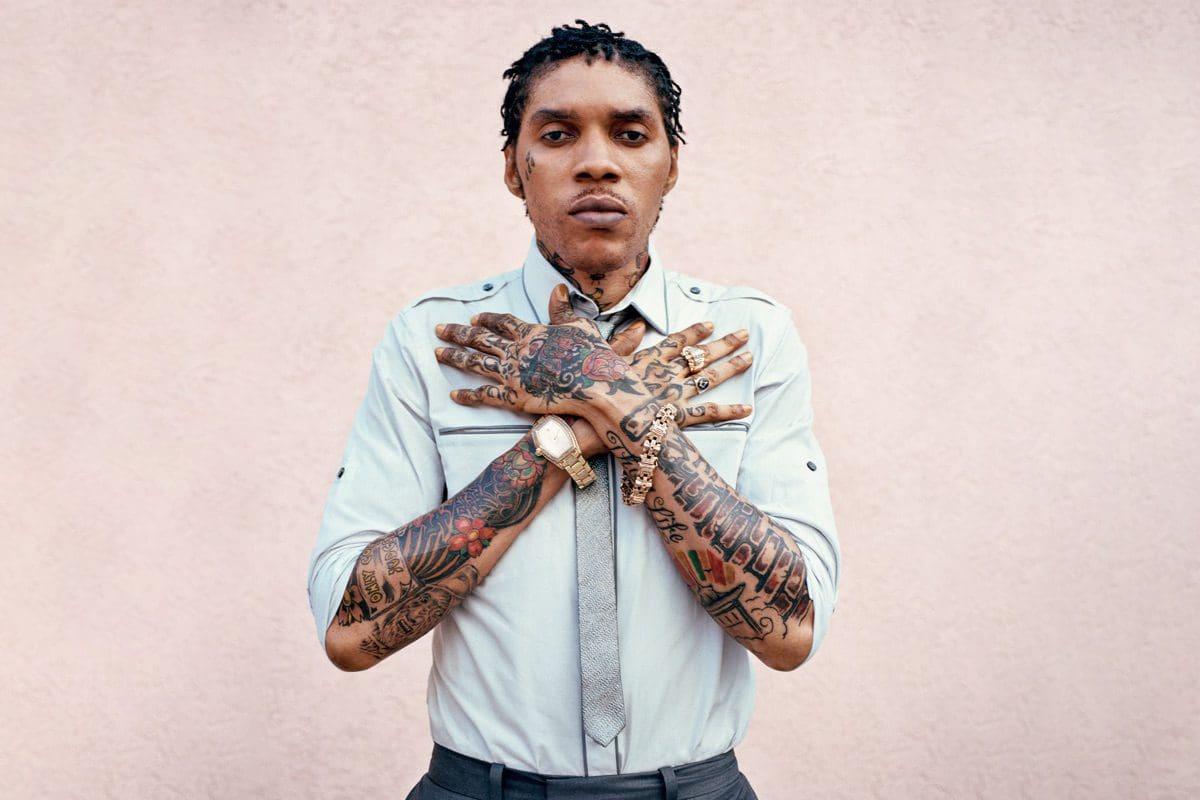


Seventeen years is a long time to hold a reputation, but Wande Coal seems unbothered by the weight of it. His fourth studio album, KING COAL, arrives not as a comeback or a reinvention, but as something rarer: a veteran who sounds completely settled in who he is and where he stands.
The 15-track project moves across R&B, dancehall, and fuji-inflected sounds without ever feeling scattered. That kind of range is hard to pull off without losing a central identity, and Coal threads it together with the ease of someone who has been doing this long enough to trust his instincts completely.
The feature list reads like Coal deliberately wanted to stress-test his relevance across generations. Wizkid shows up on the closing track Oshe, and their chemistry lands the way you’d expect from two artists who have been in each other’s orbit for years. Tiwa Savage adds her texture to Must Be Love, which holds its own among the album’s more polished moments.
But the more telling creative choices are the ones Coal makes with newer names. His pairing with Qing Madi on DEARLY is one of the album’s most talked-about moments, with the two voices finding a surprisingly natural groove together. GBESUNMO brings in Ruger and BNXN, and the contrast between all three artists’ styles gives the track a real edge rather than just a crowded feature slot.

DEM GO PAY takes a different turn entirely, leaning into drill-adjacent production that feels like Coal deliberately refusing to play it safe. It’s a humorous track, but it also doubles as a quiet flex about his reach across the industry. Not every veteran can make that kind of sonic detour without it feeling forced, and Coal mostly gets away with it.
Dera appears on MONEY, a street-pop anthem that has already been picking up traction, and Fido features on Sure for Me, which sits on the lighter, more playful end of the tracklist. Both contributions help the album breathe between its heavier moments and keep the pacing from feeling too uniform across 15 songs.
There’s a version of this album that could have leaned hard on nostalgia, coasting on the goodwill built since Mushin 2 Mo’ Hits reshaped Nigerian pop back in 2008. Coal largely sidesteps that trap. The themes of love and self-assurance that have always run through his work are still here, but they carry a different weight now, less searching and more settled.
Some listeners will come to KING COAL looking for a direct line back to his earlier records and find something that has moved further from that than expected. Others will hear exactly what they wanted: proof that Coal is not just surviving the current wave of Afrobeats but actively shaping it from a position most artists his age would envy.
The conversation around where this album lands in his catalogue is already underway, and it does not feel like it’s wrapping up anytime soon.