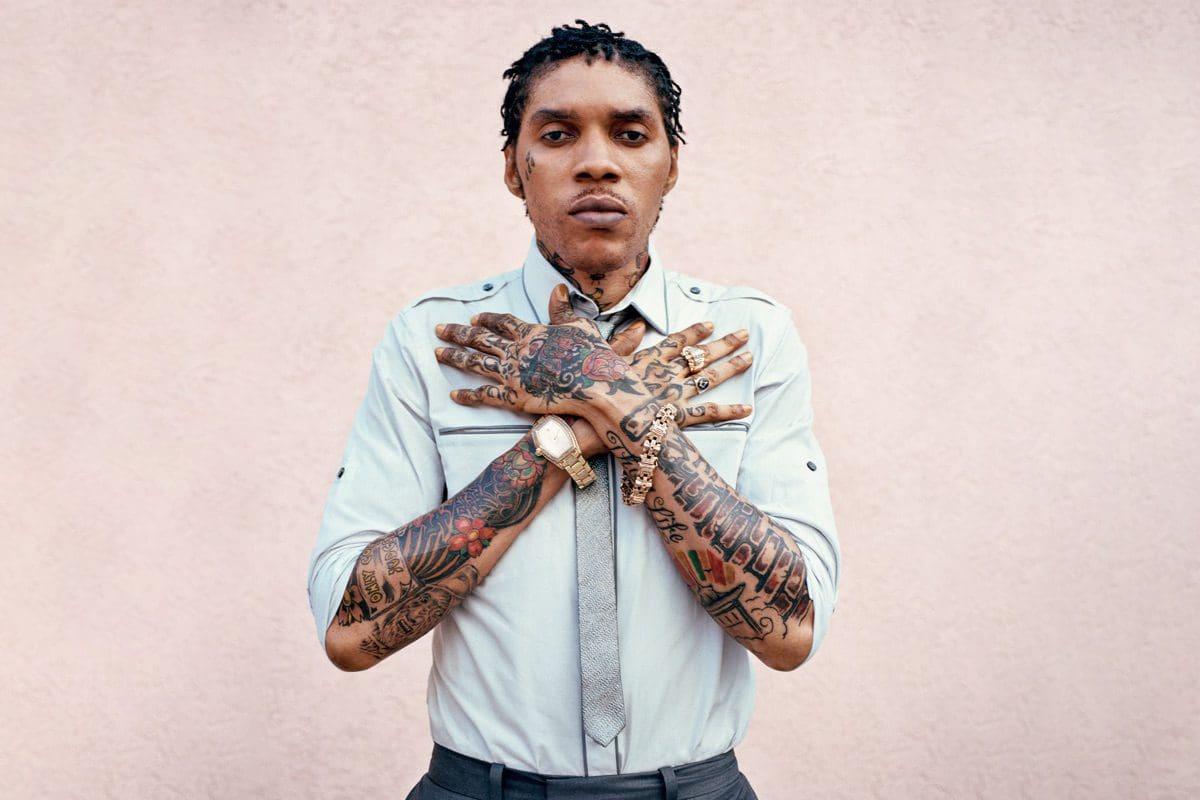
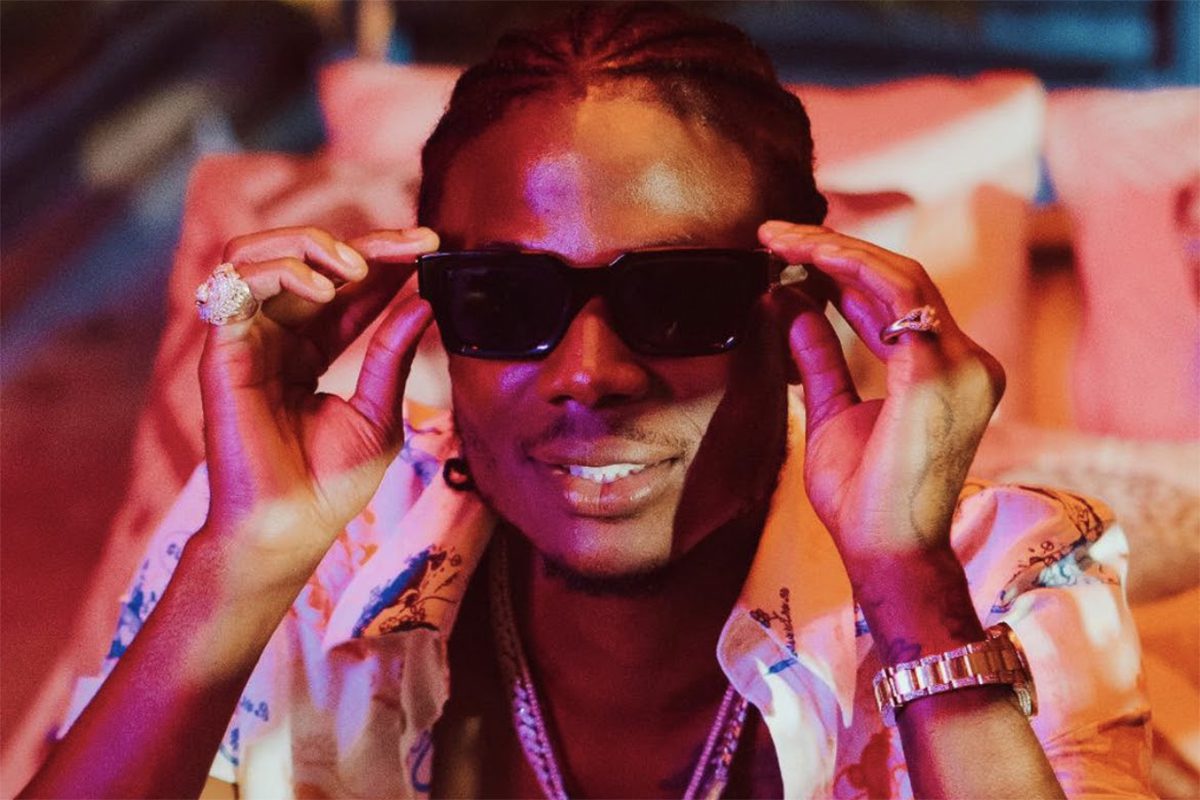

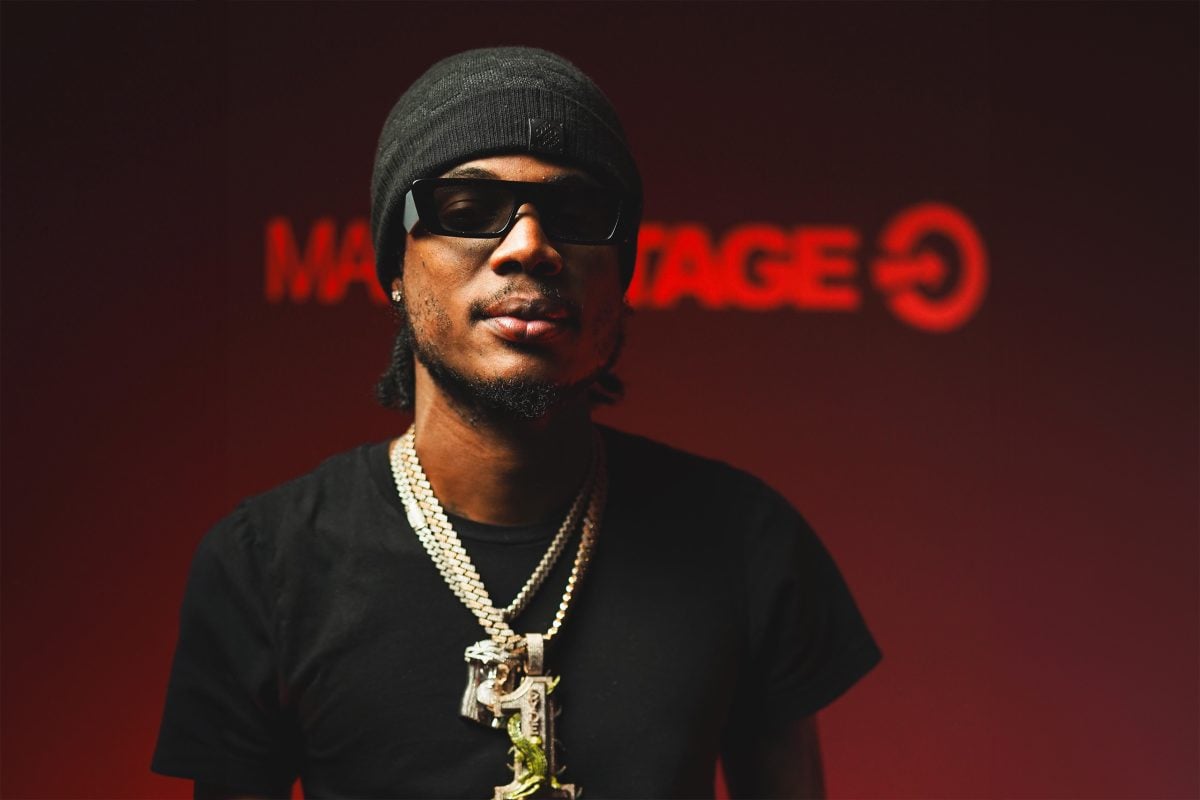
Masicka is not backing down from anything. Not from the Tommy Lee clash, not from the broader conflict with Ghetto Gaza, and certainly not from calling himself the greatest of all time. The dancehall artist is speaking plainly about all of it, and his account of how the beef with Kartel’s camp began contains a detail that has not been widely known until now.
Before any animosity surfaced, Masicka says, he was actually invited to a birthday party by people close to Vybz Kartel. Him son him a keep a birthday party for him son and him and Mo Salah him contact me and say you know say Kartel I keep a party would I love you roll through,” he recalled. He went, he said, out of genuine goodwill and without any financial arrangement. That history made what came next feel like a betrayal.
When Tommy Lee came at him publicly, Masicka watched to see how Kartel’s side would respond. When he felt that support was going in Tommy Lee’s direction, his position hardened. From you support Leroy that means you know me have to go at everybody,” he said, “because me can’t support your music where me just there show Ray and Leroy and do this song and you all like it on Instagram.” He was clear that the conflict was not something he went looking for. “Me never look for a fight,” he said, “but we not going to back down from a fight.”
His roots in clash culture, he explained, go back to his earliest days in music. He grew up studying Bounty Killer, Ninjaman, and Supercat, and lyrical combat was his entry point into dancehall long before he had a mainstream profile. When Tommy Lee called his name publicly, he saw it less as bait and more as a moment his fans had been waiting for. “Me know sometime from my hands and me say, all right, then,” he said.
As for the criticism that his songs all sound the same, Masicka reframed it without hesitation. I think them mean all of my song them are hit,” he said. He attributes the perception to consistency rather than repetition, and he is unapologetic about it. “Music is probably one of the easiest things in a my life,” he said. “Me effortlessly make music.”

The GOAT claim, which has drawn its share of pushback, is something he says he will never walk back. He pointed to how the greatest figures in sport and music have always spoken about themselves in those terms, and he argued that self-belief is not arrogance but necessity. “Before me even get the work, me always feel like me are the greatest artist,” he said. “And that is the personality what me ever carry forward.” He added that he does not need outside validation to hold that view. “Me no seek permission or validation from people,” he said.
Far from damaging his standing, Masicka says the entire episode has worked in his favour. “My career have grown tremendously from that,” he said. “Tremendously.” He frames the clash culture as genuinely good for dancehall overall, provided it stays within the music. The competition, he believes, pushes artists and energises fans, and he has no regrets about stepping into it.