


An air horn blares, a familiar Sly and Robbie rhythm lurches into view, and a Marley son starts telling the world exactly what life looks like outside the tourist brochures.
That was the summer of 2005, and for many listeners that was their introduction to the Welcome to Jamrock Damian Marley album.
Before the full record even arrived, its title track had become a sound you could not escape on urban radio and mixtapes.
Released in mid-September 2005, Welcome to Jamrock was Damian “Jr. Gong” Marley’s third studio album.
It became the record that defined him. It went Gold in three countries, won two Grammys and inspired a cruise that still sails today.
Twenty years on, the album still sounds urgent, and Damian himself calls it the work that “will forever be my stamp.”
Building Jamrock in Miami
The road to Welcome to Jamrock started in uncertainty. Damian’s previous label situation with Motown had, in his words, “didn’t really work out.”
So he and his brother Stephen went back into the studio with their own vision. Engineer James “Bonzai” Caruso, who is credited on all 14 songs, says the brothers started working around late 2003 or early 2004.
The album took close to two years, and it ended a four year gap between Damian albums.
Much of the work happened at Circle House in Miami. Damian and Stephen produced the album together and were both credited as executive producers.
Stephen also played bass, guitar and keyboards, which gave the record a warm, live feel underneath its hard edges.
Caruso captured Damian’s voice through a Neumann U 87 into a Neve 1073 preamp and a Tube-Tech CL 1B.
That chain helps explain why every syllable of Jr. Gong’s rapid, gravelly delivery cuts through so clearly.
The album came out through Ghetto Youths International, the family’s own imprint, together with Tuff Gong and Universal. It ran to roughly 63 minutes, a generous and ambitious sprawl for a reggae release in that era.
The Single That Shook the Summer
“Welcome to Jamrock” arrived on March 14, 2005, months ahead of the album.
Damian wrote it and Stephen produced it, building it around a sample of Ini Kamoze’s “World a Music,” which rode a rhythm originally laid by Sly and Robbie.
The result was dancehall grit with hip-hop weight. AllMusic’s David Jeffries summed it up as an air horn, an Ini Kamoze sample and a gritty tale of Jamaican life.
Damian has since explained the trick behind it. “We sampled a reggae beat,” he told Blavity in late 2024, “but the way we sampled it gave it a hip-hop flavor.”
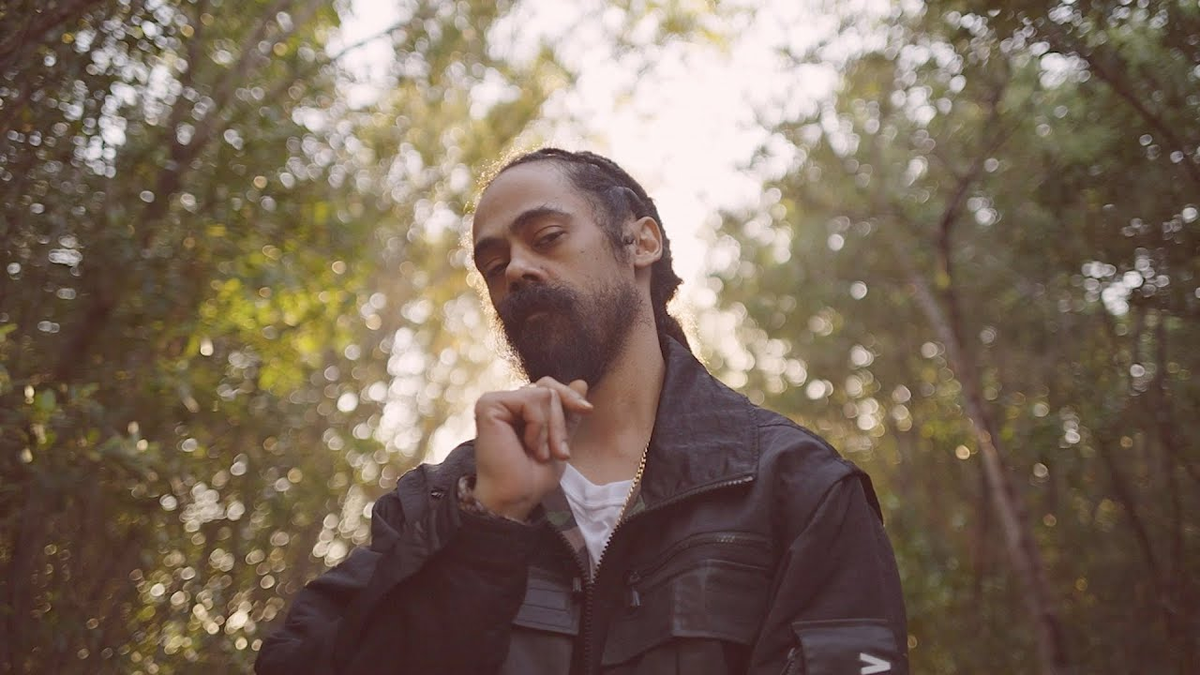
Lyrically the song was anything but easy listening. It looked at poverty, politics and violence in the Jamaica that visitors rarely see.
For a Jamaican artist, crossing over with that message was a big deal. Damian later told REVOLT: “when I heard that ‘Welcome to Jamrock’ was blowing up on American radio, that was a big deal.”
The song kept travelling. The UK 12-inch carried a “Lyrical .44 (Dancehall Remix)” with Method Man and Redman on the flip.
Years later, Alicia Keys folded it into a medley, “Love It or Leave It Alone / Welcome to Jamrock,” on her Unplugged album.
Inside the Album
The 14 tracks open with “Confrontation,” where Bunny Wailer delivers the spoken intro. It is a passing of the torch from the original Wailers generation to the sons.
From there the record moves between roots meditation, dancehall fire and hip-hop collaboration without ever losing its center.
“Road to Zion” is the spiritual heart of the album. Damian is joined by Nas, and the pairing worked so well that the two kept recording together.
That partnership became the 2010 album Distant Relatives. Black Thought of The Roots brings his razor wordplay to “Pimpa’s Paradise,” a cautionary tale about a party girl lost in the life.
Bobby Brown turns up on “Beautiful,” a lighter, playful moment that shows Damian’s range.
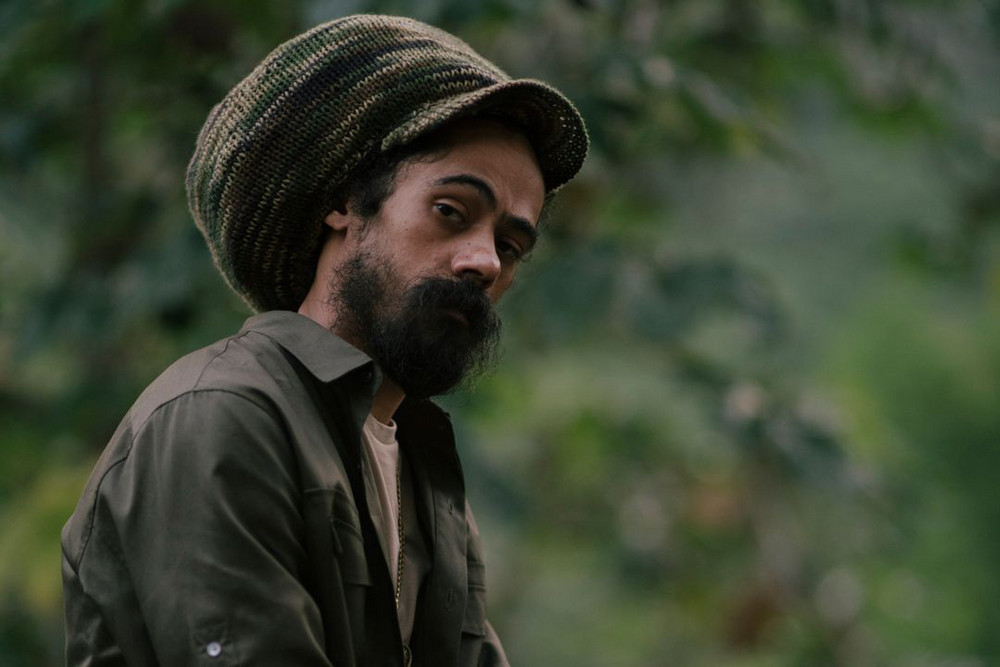
Then there is “Khaki Suit,” a proper sound system closer that puts Bounty Killer and Eek-A-Mouse alongside Jr. Gong. That trio covers three very different eras and styles of Jamaican deejaying.
Stephen’s voice runs through several tracks as well, and songs like “The Master Has Come Back,” “All Night,” “Move!,” “For the Babies” and “We’re Gonna Make It” fill out a record that feels like a complete statement rather than a single with filler.
After the title track, the singles that followed were “Road to Zion” in 2005, “The Master Has Come Back” on December 12, 2005, and “Beautiful” on January 24, 2006.
Charts, Gold and Grammys
The numbers matched the buzz. Welcome to Jamrock debuted at No. 7 on the Billboard 200, selling 86,000 copies in its first US week.
It also landed at No. 4 on Top R&B/Hip-Hop Albums and No. 1 on Reggae Albums. It then held the top of that reggae chart for more than 30 weeks between September 2005 and 2007.
By August 2006 US sales had reached 539,000. The album was certified Gold in the United States, Canada and the United Kingdom.
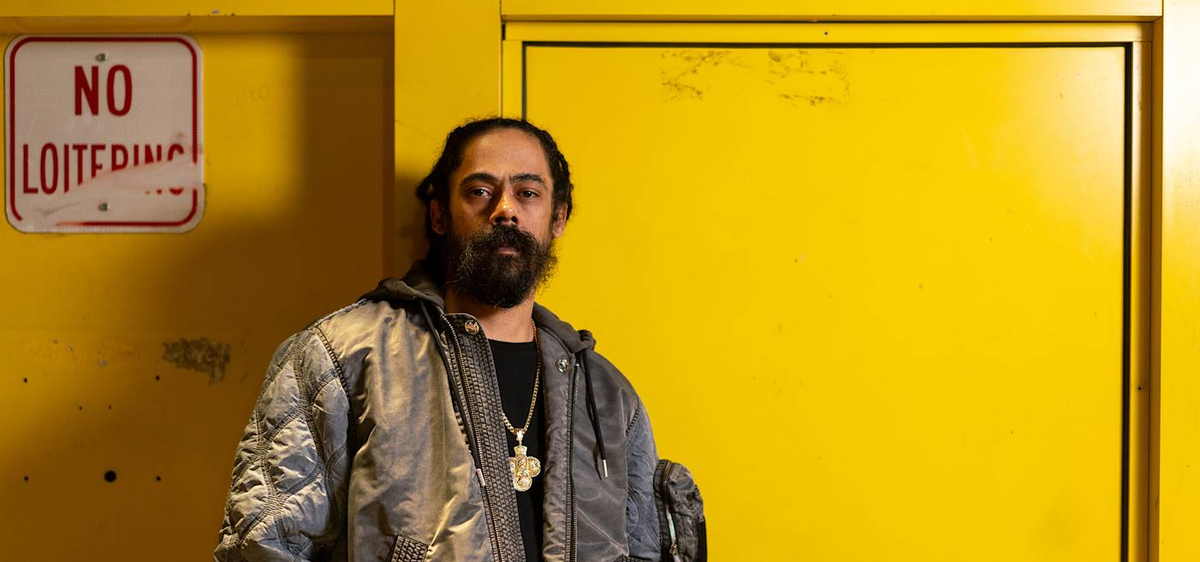
At the 48th Grammy Awards in 2006, the album won Best Reggae Album. Damian, Stephen, Caruso and Marc Lee were among the credited winners.
The title track also took Best Urban/Alternative Performance, a category that rarely had room for a Jamaican deejay.
Damian already had a Best Reggae Album Grammy for Halfway Tree at the 2002 ceremony. He is blunt about the comparison, saying the earlier win “doesn’t compare.”
A Record That Keeps Sailing
The album’s afterlife has been unusually busy. Damian says leftover tracks from the sessions, including a song about Africa, helped lead to Distant Relatives.
That collaboration with Nas, released May 18, 2010, debuted at No. 5 on the Billboard 200 with 57,000 first-week copies.
Then came the boat. Damian and his manager Dan Dalton co-founded the Welcome to Jamrock Reggae Cruise.
The first sailing left Miami for Jamaica on the Norwegian Pearl in October 2014 and sold out within a month. In 2025 the cruise marked its 10th anniversary, the same year the album turned 20.
The record keeps returning to the charts. In November 2022 it re-entered Billboard’s Reggae Albums chart at No. 10.
It came back again in October 2023, when Luminate data put its lifetime consumption at more than a million units.
Why Jamrock Still Matters
What makes Welcome to Jamrock endure is not only that it sold or won. It refused to choose between the dance and the message. Damian once said, “Reggae is more than just a party… It’s an awakening music,” and this album is the proof.
It brought yard realities to American radio with a hip-hop swagger. It linked Bunny Wailer to Black Thought and Bounty Killer to Nas, and it made Jr. Gong a headliner in his own right rather than simply a famous surname.
“It was kind of unique when it came out at the time,” Damian reflected. Two decades later, that is an understatement.
Plenty of artists have chased the same crossover since. Few have managed it while sounding this rooted in Jamaica.