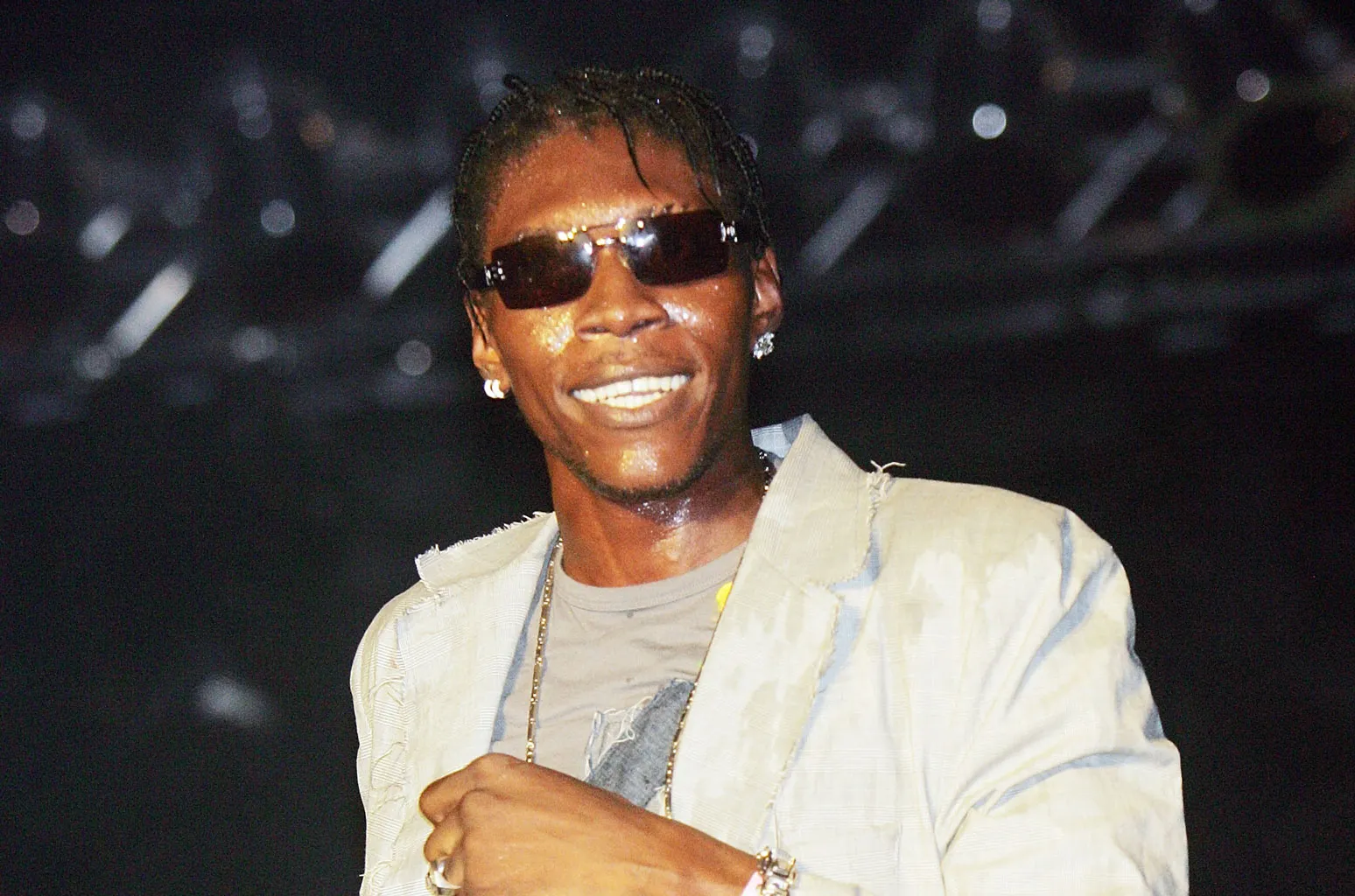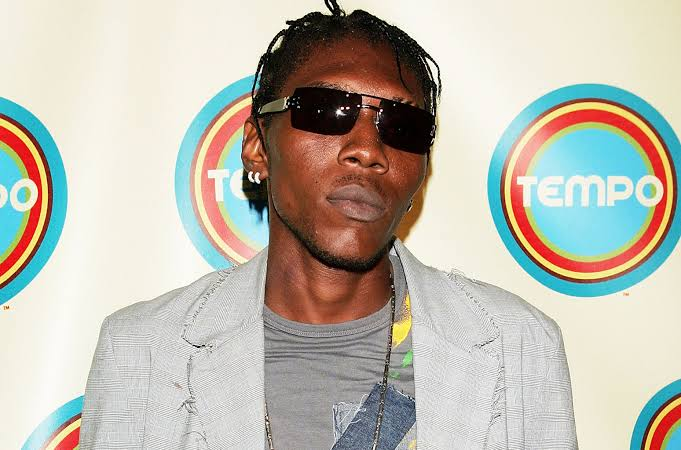
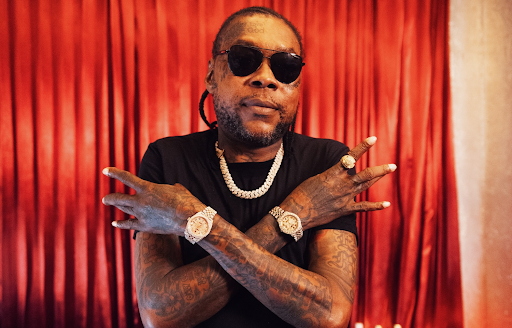

No formerly incarcerated dancehall artist has ever received a national honour in Jamaica. That fact alone makes the question of whether Vybz Kartel could one day join that list feel like a stretch, but some of the country’s most respected cultural voices are not so quick to rule it out.
Kartel, born Adidja Palmer, walked free in 2024 after the UK-based Privy Council quashed his murder conviction. Prosecutors chose not to pursue a retrial, closing a chapter that had kept one of dancehall’s most dominant figures behind bars for over a decade.
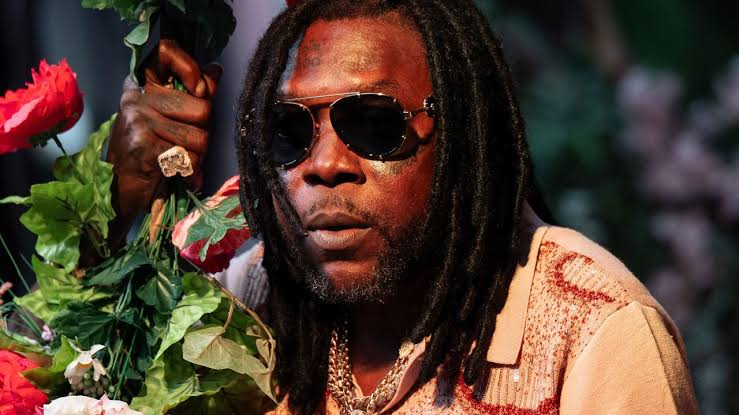
Professor Emerita Carolyn Cooper, a cultural critic and former professor of literary and cultural studies at the University of the West Indies, put it plainly. Adidja ‘Vybz Kartel‘ Palmer is known to break barriers. So, perhaps, one of these days, he will be acknowledged for his stellar career, despite his troubling history,” she said.
Musicologist Clyde McKenzie took a broader view, pointing to Buju Banton’s post-prison trajectory as proof that conventional wisdom has a short shelf life in this industry. “If you had told somebody that Buju Banton would have come back and made such an impact, created the kind of furore and excitement, and generated the kind of income and revenue that he has, everybody would have said, ‘You lie’,” McKenzie said.
Buju served eight years at the McRae Correctional Institution before his release in December 2018, and went on to reclaim his standing as one of reggae’s most celebrated voices. McKenzie sees that arc as a reminder not to make permanent judgments on situations that are still moving. “You don’t get to predict anything. Sometimes things turn out contrary to conventional wisdom and popular assumptions,” he added.
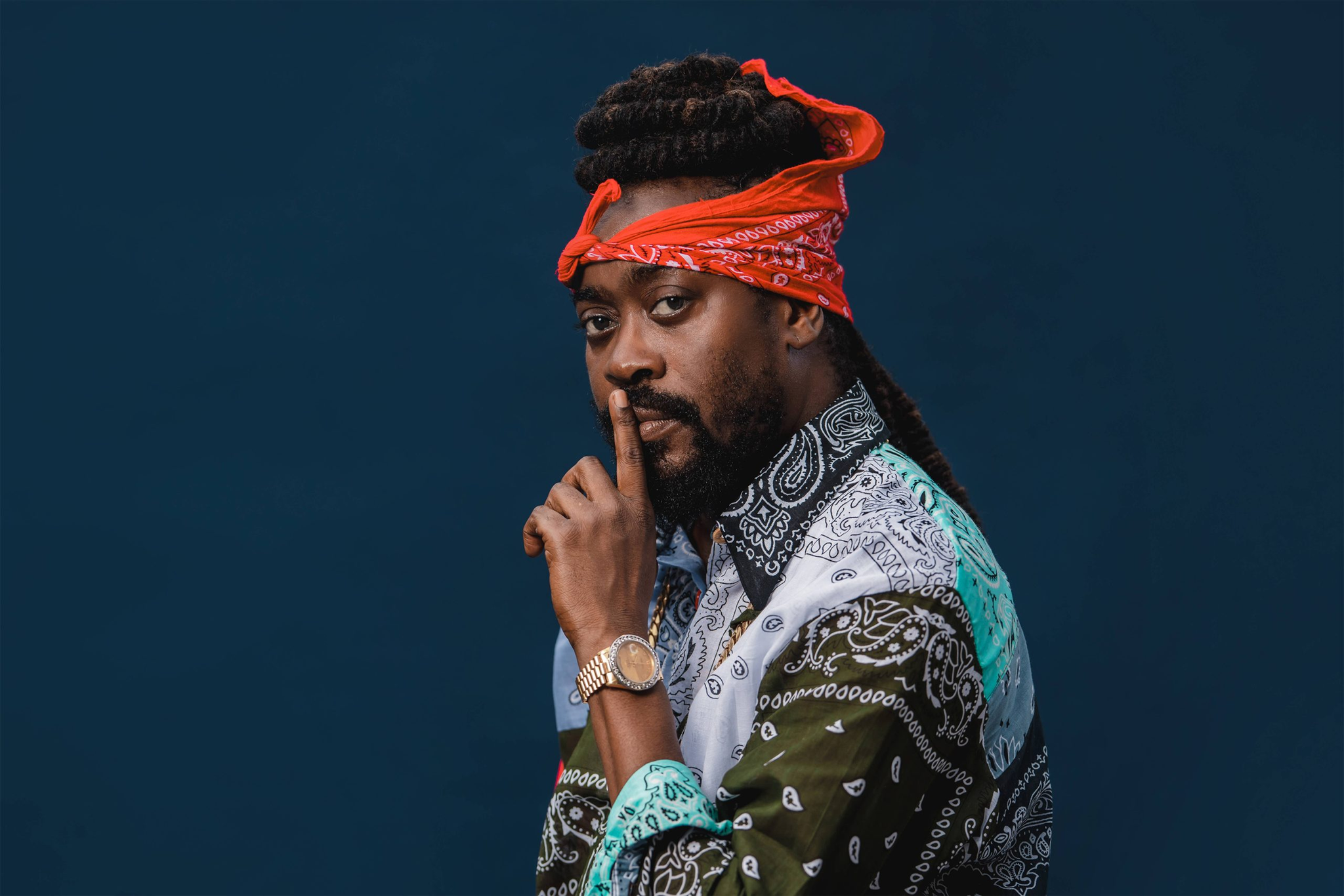
The conversation is happening against a backdrop of dancehall receiving growing institutional recognition. Beenie Man, Bounty Killer, Sean Paul, Shabba Ranks, and Yellowman have all received national honours, and this year Clifford ‘Mr Vegas’ Smith is set to be honoured with the Order of Distinction at King’s House in October.
That ceremony will also recognise eight other figures across Jamaican music and entertainment, including Earl ‘Chinna’ Smith, Wilburn ‘Stranger’ Cole, and Carlyle Palmer, who built Jet Star Music into a major vehicle for Jamaican music in the United Kingdom. The breadth of this year’s list reflects how seriously the country is now taking the full ecosystem of its music culture, not just the most commercially visible names.
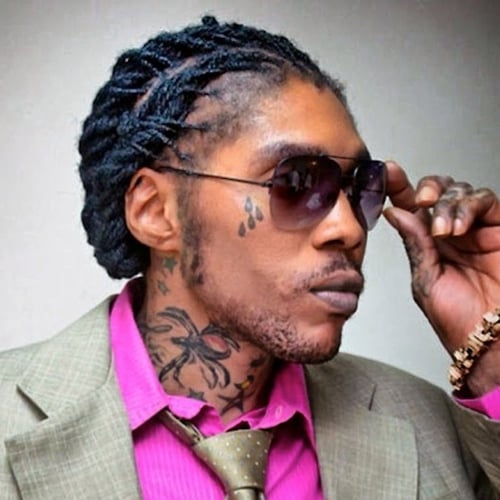
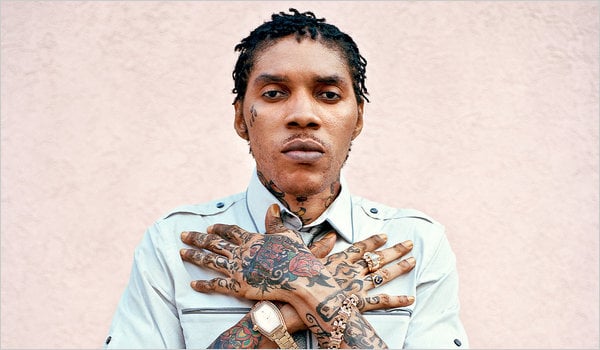
Kartel’s global footprint is difficult to argue with. His streaming numbers, his influence on younger artists across the Caribbean and beyond, and his role in shaping the sound and aesthetic of modern dancehall are well documented. The debate is less about his cultural contribution and more about the weight his criminal history carries in the eyes of whoever makes these decisions.
McKenzie’s position is essentially that history has surprised us before and will do so again. “I would say it is not an impossibility because I’ve seen stranger things than that happen,” he said. Cooper frames it similarly, acknowledging the barriers while leaving the door open.
What makes this conversation worth having now is that Kartel is free, active, and still very much a presence in the music. The question of a national honour is not urgent or imminent, but it is no longer purely hypothetical either.