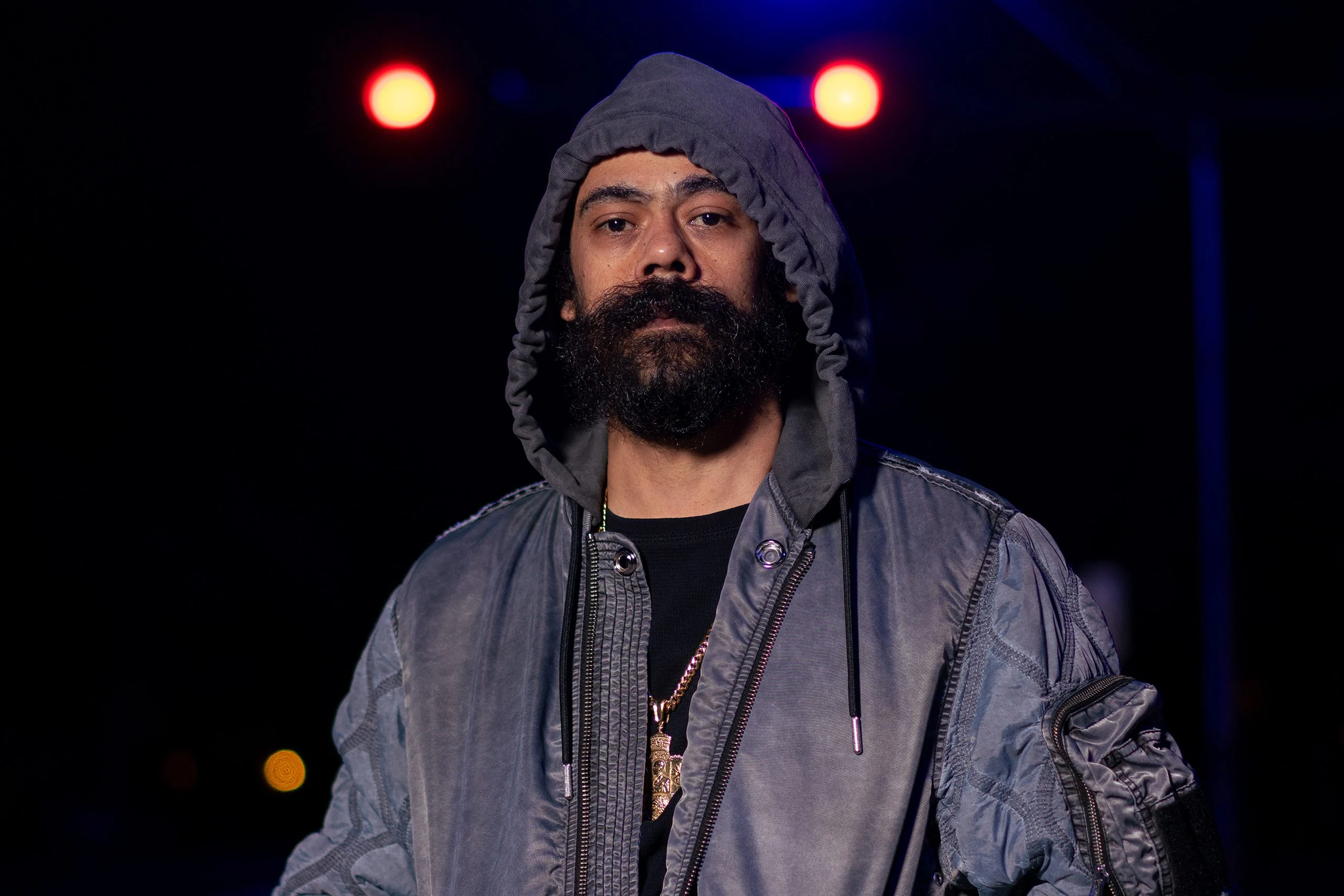


Skilla Baby is pulling back the curtain on the most difficult stretch of his life. The Detroit rapper has revealed that surviving a shooting hardened him rather than humbled him, that walking away from retaliation became his toughest fight, and that Nas executive produced and appears on his new album, The Price of Fame.
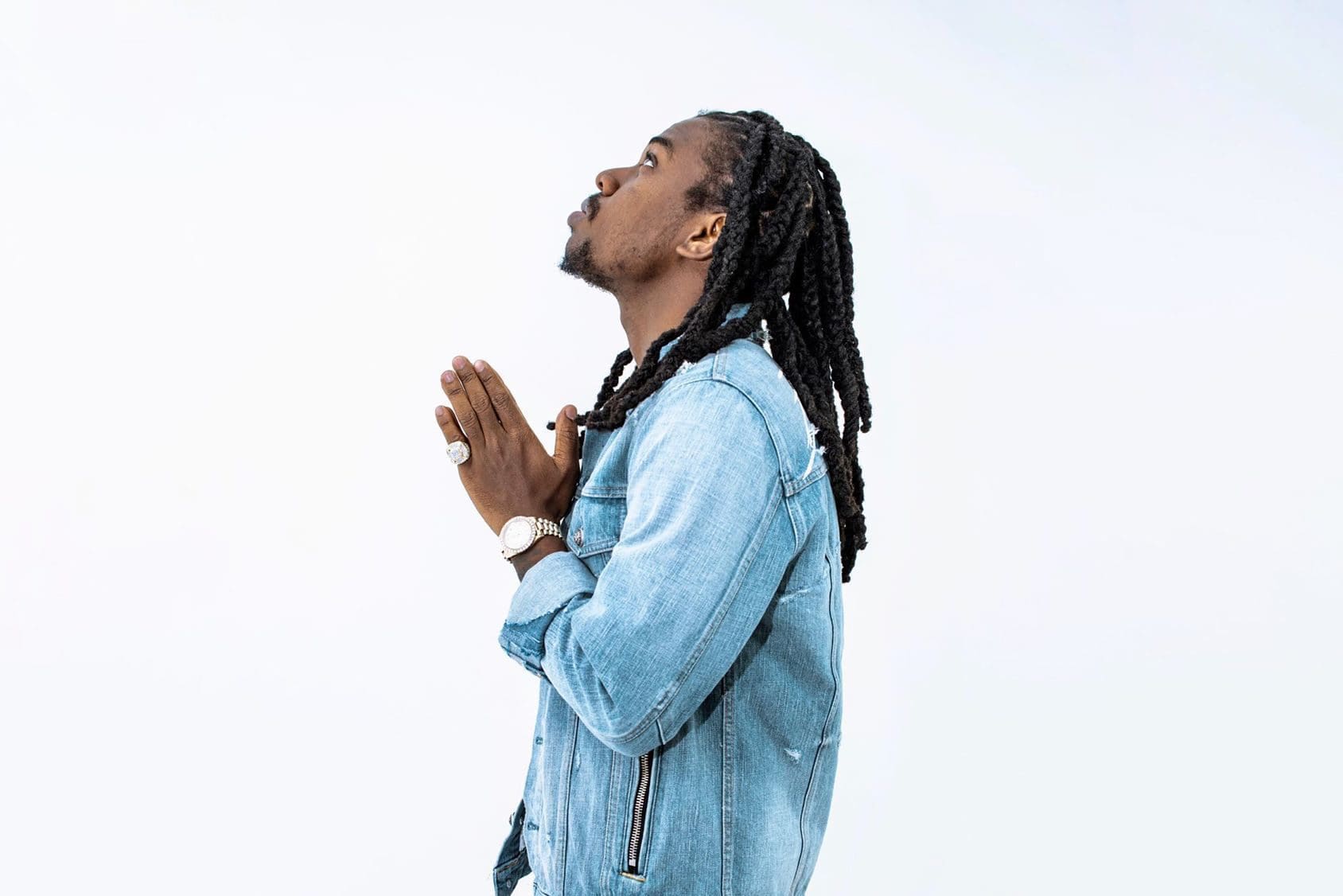
Many fans have read his prayers at shows as a sign that the shooting changed him for the better. He rejects that reading.
His faith journey did not begin because of the incident, he said, adding plainly: “Getting shot really made me more evil.”
He described his injuries in stark terms. “I got shot in my back, one grazed my head, two hit my hand,” he recalled.
Coming from where he is from, he explained, there was only one way he knew to handle that kind of pain. “I wanted to make somebody feel something like how I felt,” he said.
Restraint, not revenge, became the real test. “It’s so easy for me to do something to somebody. I’m going to smile when I do it. I don’t even have to be mad,” he said.
Walking away demanded more from him than anyone could see, and he spoke of “how much mental health and energy it took me to just walk away.” He credited the music with pulling him through, saying “the album really saved me.
His reasoning was rooted in responsibility. He pays bills for his mother and friends and employs people who depend on him, so a long prison sentence would hurt several families at once. He said it was “a fight that I’m willing to lose but I’m not willing to lose it for everybody.”
The temptation remains. He no longer lives in Detroit, telling listeners “I live on the West Coast,” but he admitted the quieter life feels dull compared to the streets he grew up in.
He accepts the trade, saying he needs that calm “for safety, for business, for everything.” He also noted that despite the noise online, “I’ve never been disrespected in person.”
The album itself took two years to make, during a period marked by relationship trouble and creative paralysis. Feeling stuck as an artist was “like the worst mental health problem I ever dealt with,” he said.
That stretch forced him to slow down and study song structure, hooks and production, and he believes many of his peers skip that step. I think a lot of artists now not learning the craft,” he said.
The title reflects the sacrifices that come with success. “Fame cost my childhood,” he said, listing “time with my family, money, energy, mental health, everything, my body.”
He also shared a personal loss from this period, revealing that he recently ended a six-year relationship. “I had a girl for 6 years,” he said.

Nas entered the picture through an A&R at his label. After the two spent time together in New York, the veteran rapper offered to executive produce the project and then decided he wanted to add a verse too.
Skilla admitted he turned down several of Nas’s invitations because he did not want to “push up on Nas and be like a Debbie Downer” while dealing with his own problems.
The relationship grew anyway. Skilla described Nas as easygoing, saying “He like your uncle for sure,” and called him “a walking history book when it come to rap.”
The biggest lesson he took from those conversations was that “everybody really had a personal life” behind the music.
He is confident enough in the result to call it a classic, though he believes that kind of status takes time. Classic albums, he said, are “something that people might not get today, but they might get 15 years from now.”