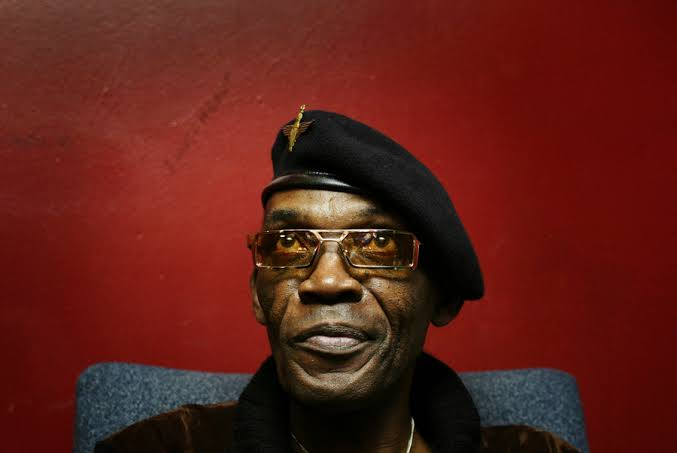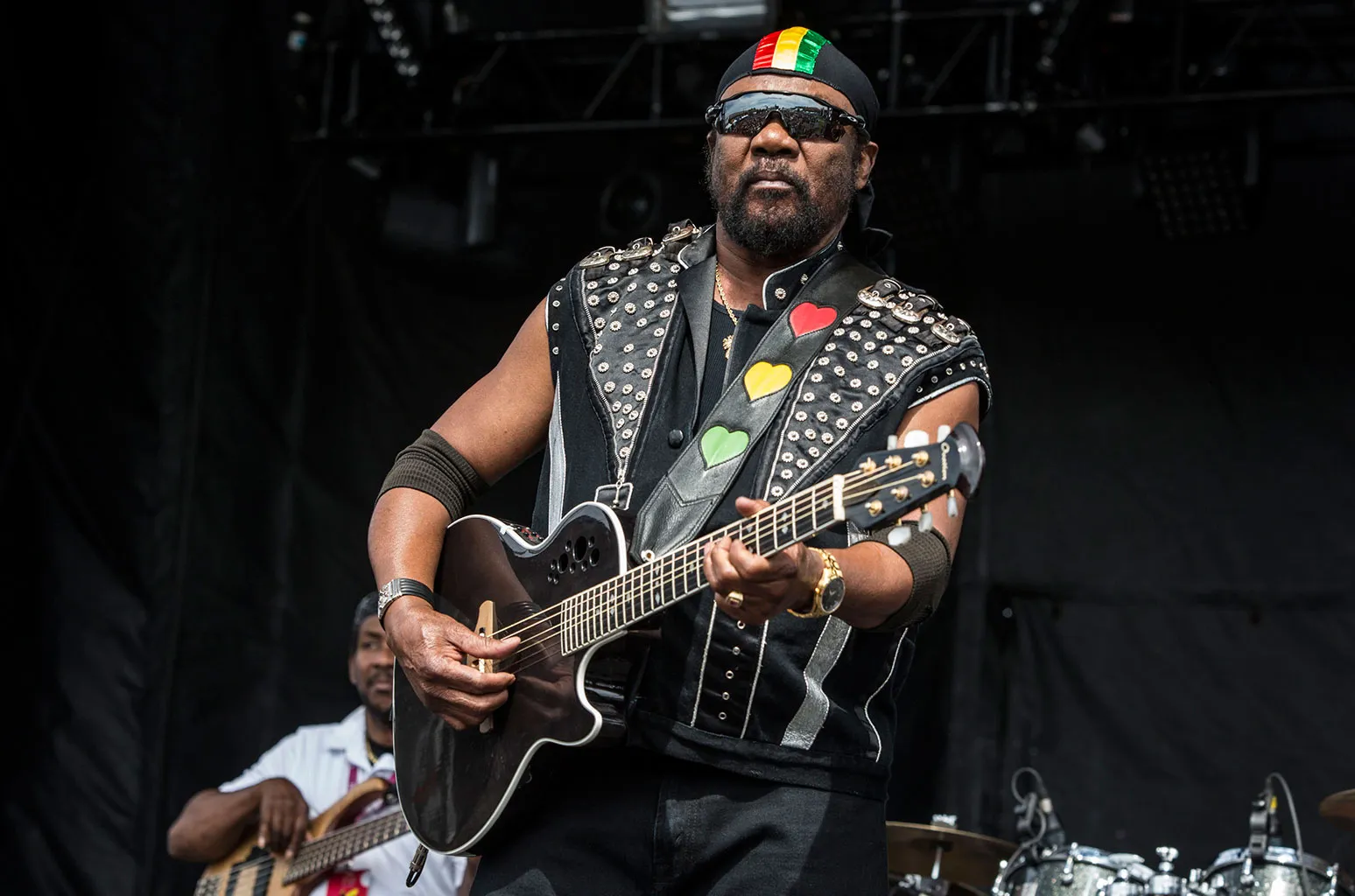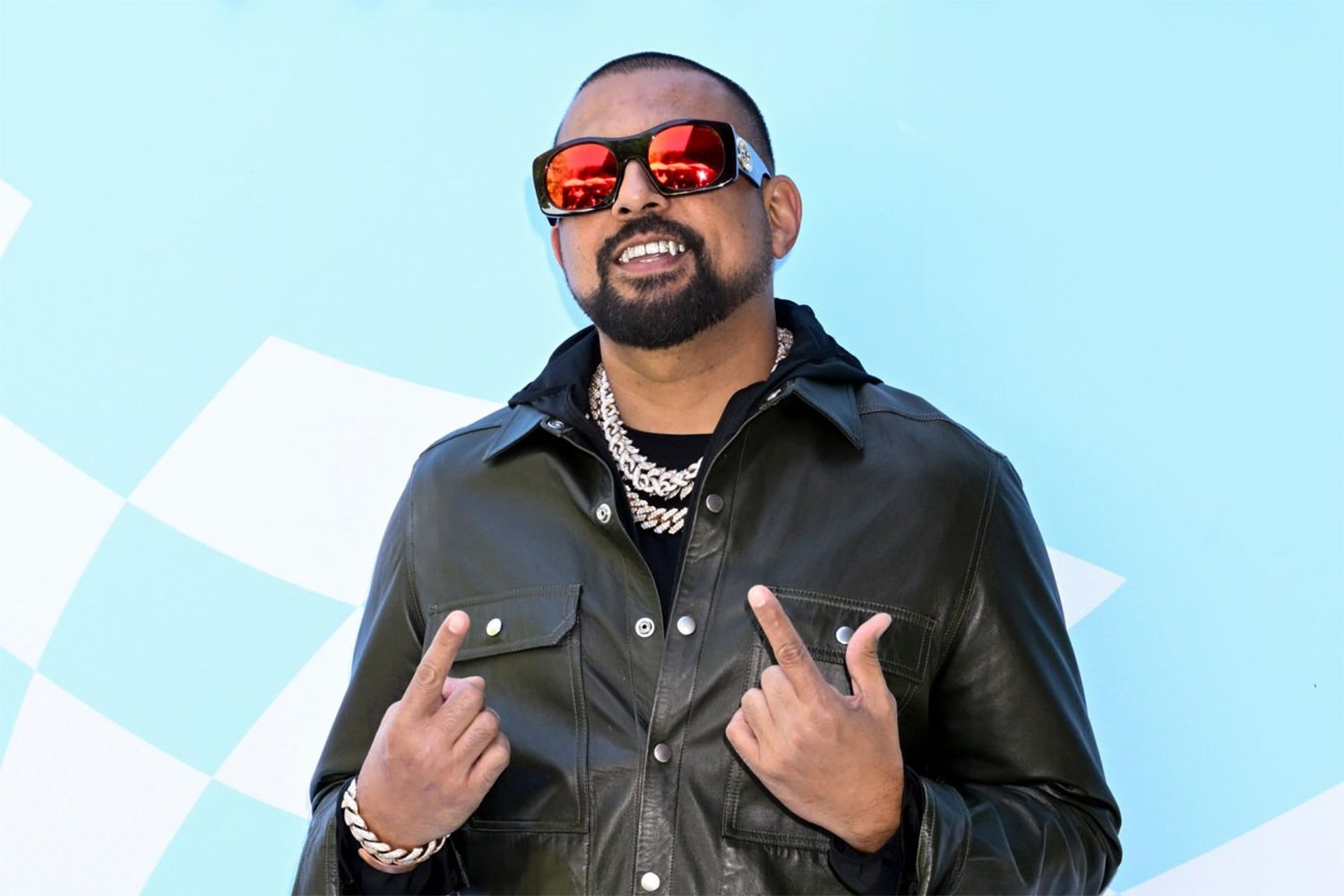



Jamaica has spent decades exporting its culture to the world, producing musicians, engineers, filmmakers and other creatives whose influence has travelled far beyond the island’s shores.
Now, the founder of a proposed 100-acre Christian residential academy in St Elizabeth wants to help prepare another generation to carry that legacy forward — with a professional media network and production studio built directly into the school.
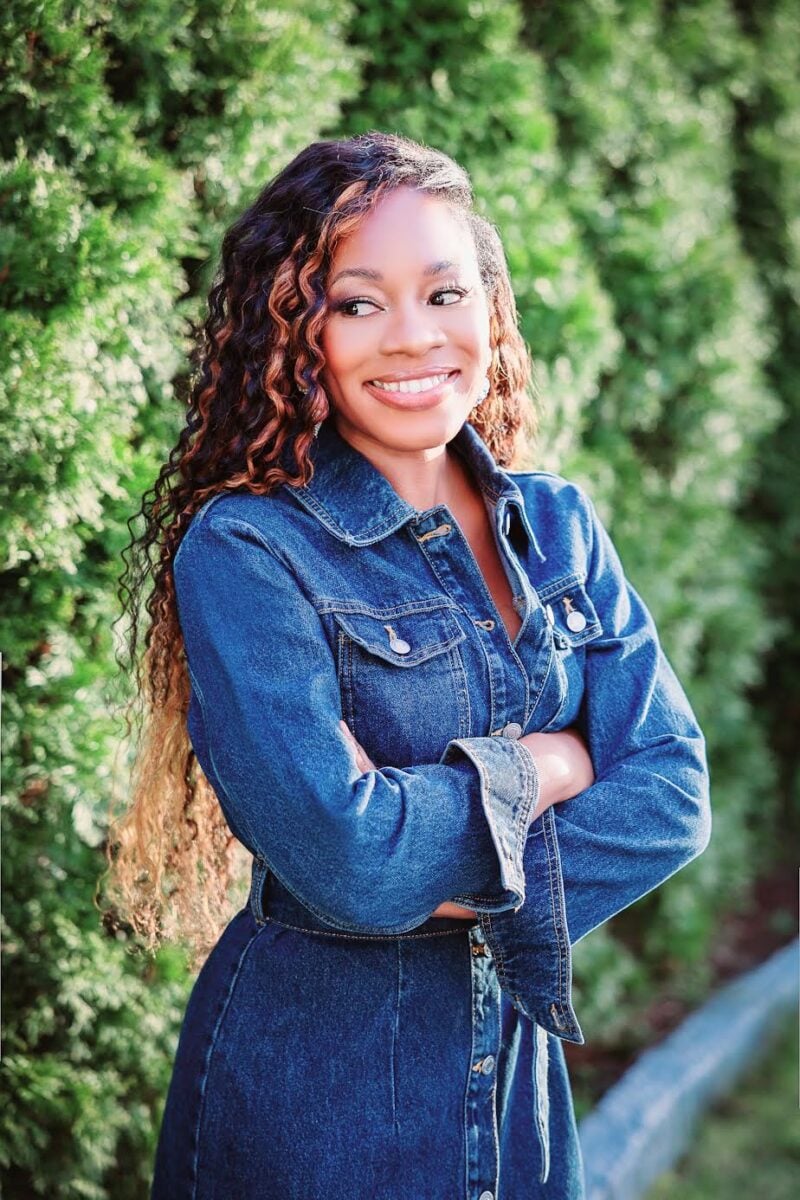
Let There Be Light Christian Residential Academy (LTBL), founded by Jamaican-born United States Army veteran and nurse anesthetist Latoya Shea, is developing an educational campus built around 10 interconnected pillars spanning education, leadership, engineering, agriculture and media.
At the heart of its creative ambitions is the LTBL Media Network, envisioned as an in-house production operation where students can receive practical training in areas such as content creation, music production, audio engineering and digital media.
For Shea, however, technical proficiency is only part of the equation.
The institution is being developed on the belief that professional excellence should be grounded in Christian faith and that students should understand their identity before deciding what they want to create for the world.
“Jamaica already has some of the best producers and engineers on earth,” Shea said. “That’s not in question. What we’re building is a place where the next generation gets access to that level of craft earlier, with real mentorship and a real studio, grounded in Christ from the very beginning.”
She added: “We want to shorten that distance, and make sure whatever they build, they build knowing whose they are first.”
From classroom to studio
The concept would place media training alongside traditional academics rather than treating the creative industries as an extracurricular pursuit.
Students interested in production, engineering and content creation would have access to a working studio environment and mentorship, potentially creating a direct pathway between education and Jamaica’s wider entertainment and media industries.
It is an approach that could prove particularly relevant in Jamaica, where reggae and dancehall have given the country an extraordinary cultural footprint despite its relatively small population.

Shea said the academy is not seeking to replace or compete with the established producers, engineers and creatives who built that reputation.
Instead, she wants young Jamaicans to have earlier and more structured access to the knowledge behind it.
The Media Network is one component of a much broader plan for LTBL, which Shea describes as a Christ-centred educational ecosystem serving children from pre-K through Grade 12.
“What I envision is a Christ-centred educational ecosystem serving children from pre-K through to Grade 12, combining Jamaica’s academic curriculum with international best practices while preparing students for careers in robotics, health sciences, agriculture and digital media,” she said.
“Our curriculum will be a hybrid of Jamaica’s strong academic standards paired with international best practices, so every graduate is prepared to compete globally.”
A mission born from the streets
The scale of Shea’s vision becomes more striking when measured against her own childhood.
Long before earning university degrees or serving in the US military, Shea experienced the vulnerability that she now hopes LTBL can help other children escape.
At 11, after becoming stranded following a school event in Kingston, she said she was lured away by a group of boys and sexually assaulted.
Frightened and believing she had somehow done something wrong, Shea did not immediately return home.
“I didn’t go home until two days later because I grew up very strict and sheltered, and sometimes I would get slapped for every little thing,” she recalled. “I thought I did something wrong. I told a lie that I was at a friend.”
She remained silent about the assault for years.
As a teenager struggling with the effects of what had happened, Shea moved between different places and at one stage lived in a shack on Hagley Park Road.
Her education nevertheless became a route forward.
She returned to school, sat eight CXC examinations and passed seven subjects. With the assistance of a friend, she later travelled to the Cayman Islands and found work.
Her trajectory changed again after receiving a United States visa in 2005.
She enlisted in the US Army in 2007 and served for four years while continuing her education.
She earned a bachelor’s degree in psychology from Upper Iowa University in 2010, followed by a nursing degree from Stony Brook University in 2013, where she graduated summa cum laude. She later completed a master’s degree in nurse anesthesia in 2017.
Now 45, Shea sees the proposed academy as a way of converting those experiences into opportunities for children whose circumstances resemble parts of her own childhood.
Starting with Jamaica’s most vulnerable
LTBL’s founding pathway is intended to provide free education, residential care and mentorship to vulnerable and street-connected children through graduation.
The wider academy is also expected to accommodate boarding and day students, bringing children from different backgrounds into one school community.
That combination is deliberate.
Rather than creating an institution where vulnerable children are separated from everyone else, the model seeks to place them within the same educational ecosystem as students from the wider community.
The academy has already begun testing aspects of its mission outside the proposed campus.
Through its Time-Out Initiative, LTBL is offering free academic support and mentorship for up to 100 students in St Elizabeth whose education was disrupted by Hurricane Melissa as they approach their CSEC examination year.
For Shea, the programme carries a message beyond catching up on lost schoolwork: a disaster may interrupt a child’s education, but it does not have to determine that child’s future.
‘It was a word from God’
Shea’s ambitions for the academy are substantial.
Land acquisition is underway for the planned 100-acre St Elizabeth campus, with a founding cohort targeted for January 2027.
Its proposed pillars are designed to give students exposure to multiple disciplines while allowing areas such as engineering, agriculture, leadership and media to reinforce one another.
The Media Network could become one of its most visible components because of Jamaica’s established global influence in music and popular culture.
A student fascinated by sound engineering, for example, would not have to wait until adulthood to enter a professional studio environment. A young filmmaker or content creator could begin learning production skills while still receiving a conventional education.
Shea wants those opportunities paired with mentorship from experienced professionals and Christian discipleship.
Her reasoning is rooted in the belief that talent alone is insufficient.
“This wasn’t a bet I made,” Shea said. “It was a word from God.”
She sees a parallel between the academy’s philosophy and Jamaica’s national motto, “Out of Many, One People”.
“That’s not just our motto, it’s how this island has always worked — every kind of talent, every kind of gift, coming from the same small place and reaching the whole world,” she said.
“But I believe none of that gifting reaches its full purpose without Christ at the centre of it.”
For Shea, that distinction is fundamental to what she hopes LTBL will eventually become.
The objective is not simply to produce another generation of engineers, producers, filmmakers, health professionals, farmers or entrepreneurs.
It is to develop young people who, she says, understand the source and purpose of their abilities before taking those abilities into the wider world.
“That’s what this academy is actually for,” Shea said, “raising children who know their identity is in Him first, before anything they go on to build or create.”
For a woman whose own childhood once left her wandering the streets of Kingston, the project represents an ambitious reversal of fortune.
Shea is now trying to build the kind of place she might once have needed herself — and, through its Media Network, give young Jamaicans not merely a studio in which to create, but a pathway through which their ideas might eventually reach the world.
You can contact her at
info@ltblacademy.org | www.ltblacademy.org