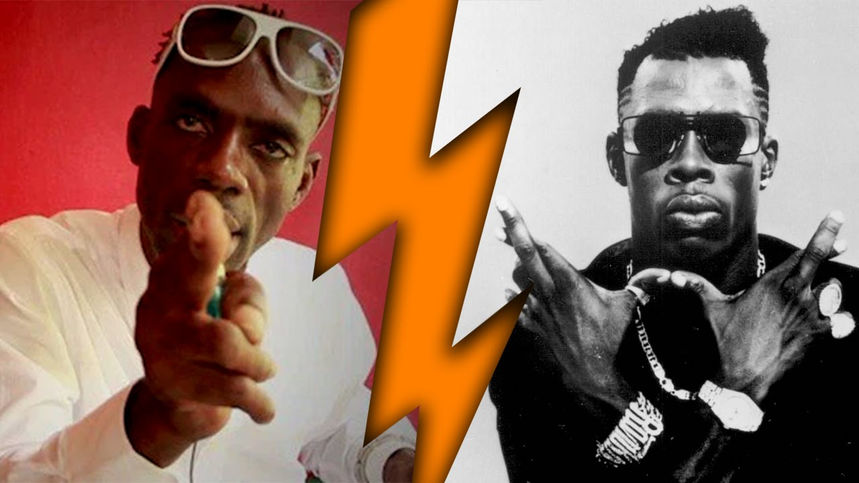

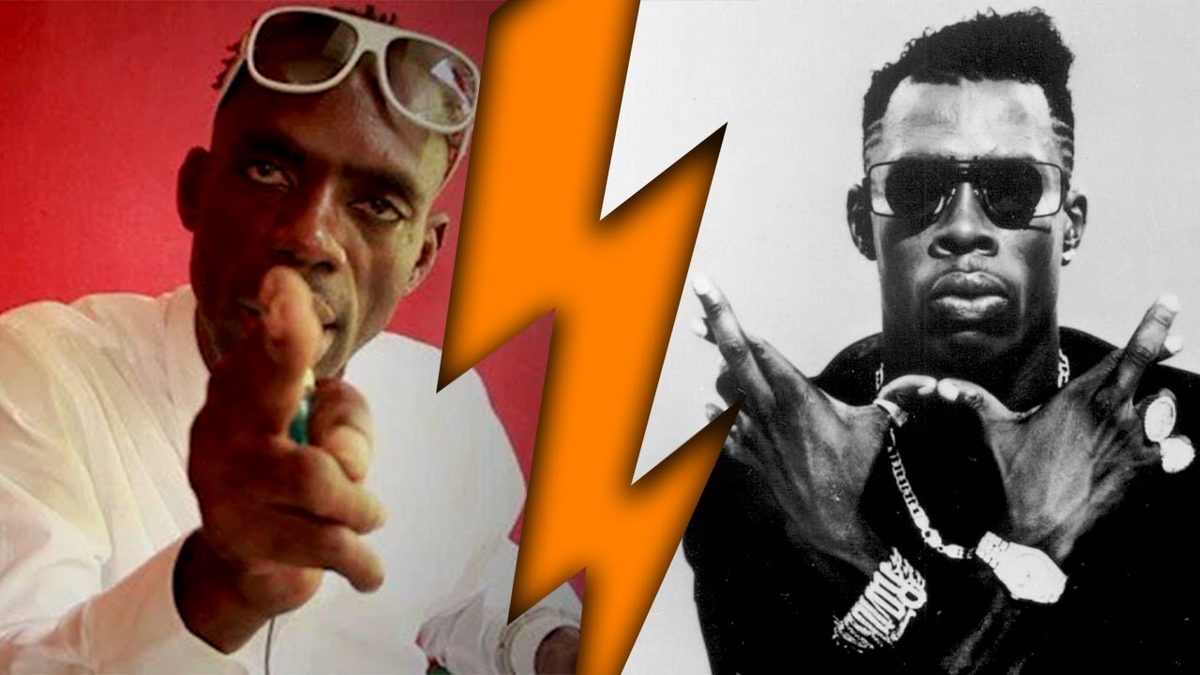
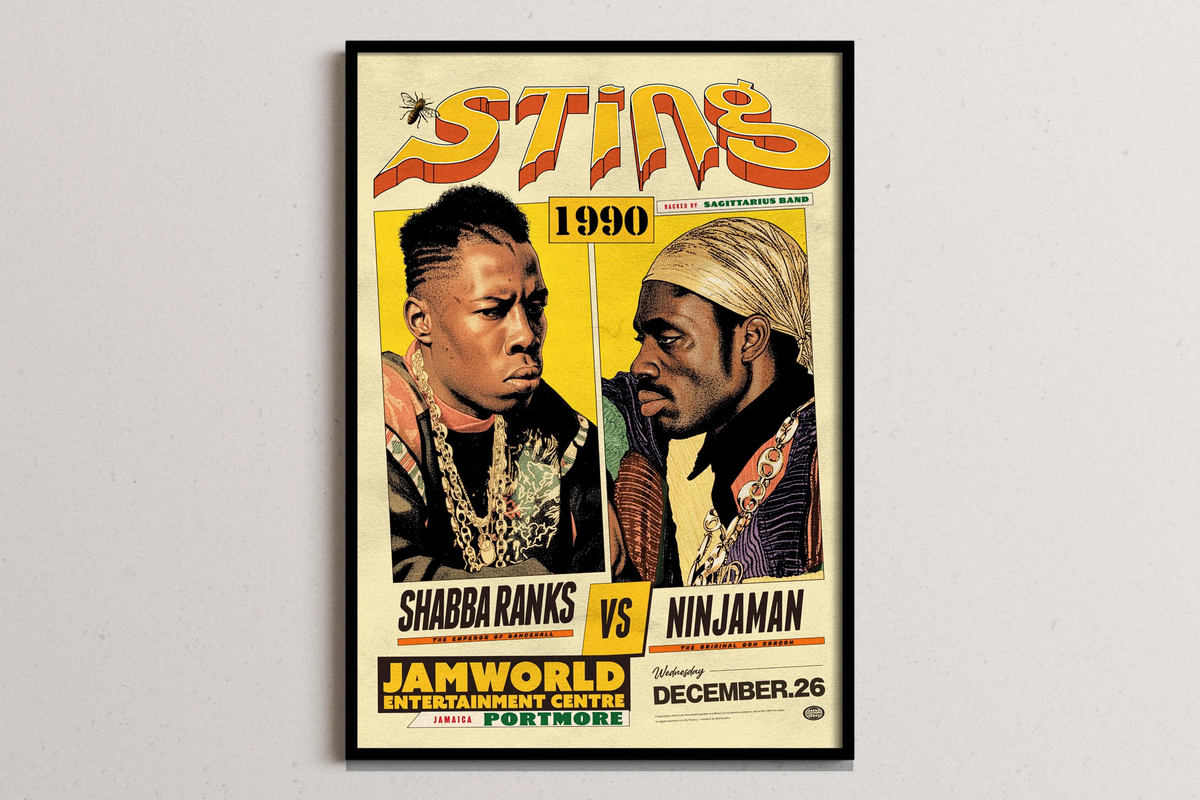
Some clashes fade by the time the sun comes up over Portmore. Ninjaman vs Shabba Ranks never did.
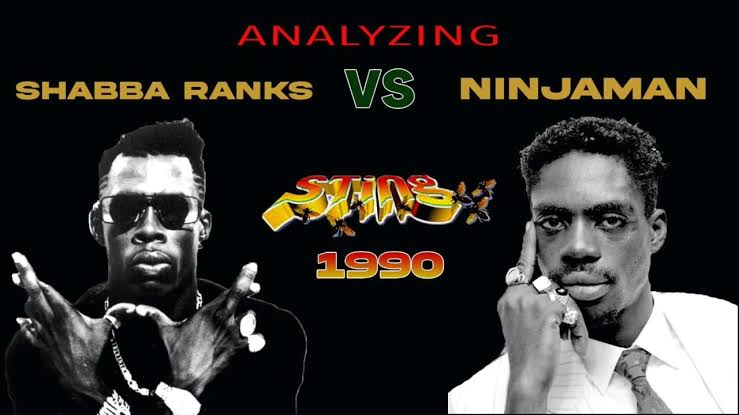
When the two most feared deejays in Jamaica met on the Sting stage in December 1990, both men were at the height of their powers, both had faced off before, and the crowd knew it was watching something that would not happen the same way twice.
By the end of the night, the people had crowned Ninjaman Sting champion and given the showdown a name: the “Super Clash.”
More than three decades on, the tape still circulates, hip hop producers have sampled it, and the bad blood between the two has outlived the era that created it. Here is how the rivalry built, how it exploded, and where it left two of the golden age’s biggest voices.
Two Country Youths (1966 to the Late 1980s)
The symmetry is almost too neat. Rexton Rawlston Fernando Gordon was born on 17 January 1966 in Sturge Town, St Ann. Three days later, on 20 January, Desmond John Ballentine arrived in Annotto Bay, St Mary.
Both would leave the country parishes for the sound system wars of Kingston, and both would take new names along the way.
Ballentine started deejaying at just 14 on the Black Culture Sound System under the unlikely tag “Double Ugly.”
He later found his way to Killamanjaro, where founder Noel Harper gave him the name that stuck: Ninjaman. The fans would add another, Don Gorgon.
Gordon, meanwhile, began as “Co-Pilot” before becoming Shabba Ranks, a name that would soon travel much further than any Jamaican dancehall.
The Build-Up: Same Circuit, Same Crown (Late 1980s to 1990)
By the turn of the decade the two “slackness kings,” as Apple Music’s editors frame them, had already battled a handful of times. They were not simply enemies.
Ninjaman’s popularity in Jamaica was approaching Shabba’s, and they traded barbs at concert after concert.
They even shared a microphone with Admiral Tibett on “Time Is Serious,” a reminder that the dancehall of this period was a small, crowded room where rivals constantly bumped shoulders.
Then the stakes changed. In 1989 Shabba signed with Epic Records, a major label deal that pointed him straight at the North American market. His 1990 single “Just Reality” delivered exactly that, earning him popularity well beyond Kingston.
Ninjaman was having his own scorching year, firing out “Border Clash,” “Murder Dem” and “My Weapon.” But he made no secret of his disdain for Shabba’s move to Epic.
In Ninja’s eyes, a deejay chasing foreign money had something to prove back home, and Sting was where he intended to make him prove it.
December 1990: The Super Clash at Sting
Reggaeville calls what followed “brutal, no-holds barred,” and the recording backs that up. Ninjaman came armed with his trademark machine-gun delivery and a lyrical arsenal built for exactly this kind of war.
The line that broke the night open, delivered over the Punanny Riddim, has become part of dancehall folklore: Ninja announced he had “a permit to bury and a license to kill.
What happened next is the image that has kept the clash alive. Accounts of the night describe Ninja sitting down on stage and calling Shabba back to the microphone. The response never came.
In clash culture, silence is a verdict, and the Jamworld crowd delivered theirs. Ninjaman was crowned Sting champion, a title the Jamaica Observer would later use when charting his career, and the night went down as the “Super Clash.”
The recording, catalogued simply as “Ninjaman vs Shabba Ranks,” took on a second life far from Jamaica.
Black Moon and Smif-N-Wessun, Fatboy Slim on “Mad Flava,” and Lyrics Born all dipped into it, carrying the sound of a Portmore stage war into New York hip hop and British big beat.
After the Smoke: Diverging Paths (1991 to 1995)
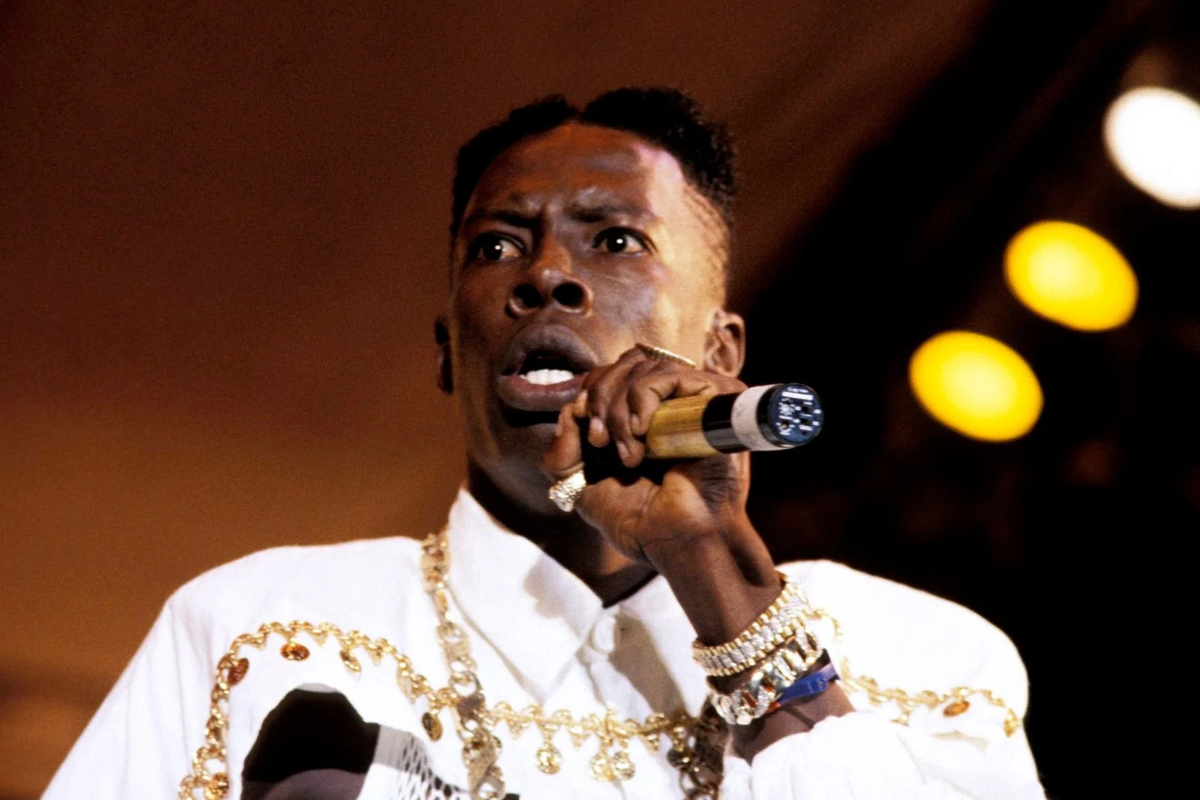
If Ninjaman won the battle, Shabba arguably won the decade. His Epic album “As Raw as Ever,” released on 21 May 1991, took the Grammy for Best Reggae Album in 1992. “X-tra Naked” followed in October 1992 and won the same award in 1993.
“Mr. Loverman” became his signature crossover hit, landing on the soundtrack of the 1992 film “Deep Cover” and turning a Kingston deejay into an international pin-up.
Ninjaman stayed at home, and stayed at war. He clashed with Super Cat, his old Killamanjaro mentor figure, at another Sting, a night Billboard recalls for Super Cat flinging a bottle back into the audience and sparking pandemonium. But the climate was shifting.
By 1993 Ninja’s gun-toting persona was drawing a backlash, bookings and studio work became harder to come by, and his recording output tailed off by the mid-1990s.
Both men, along with other deejays of the era, had become lightning rods in a long public argument over gun talk and slackness that played out across the pages of the Gleaner and the Observer for decades.
2016: Old Wounds, New Headlines
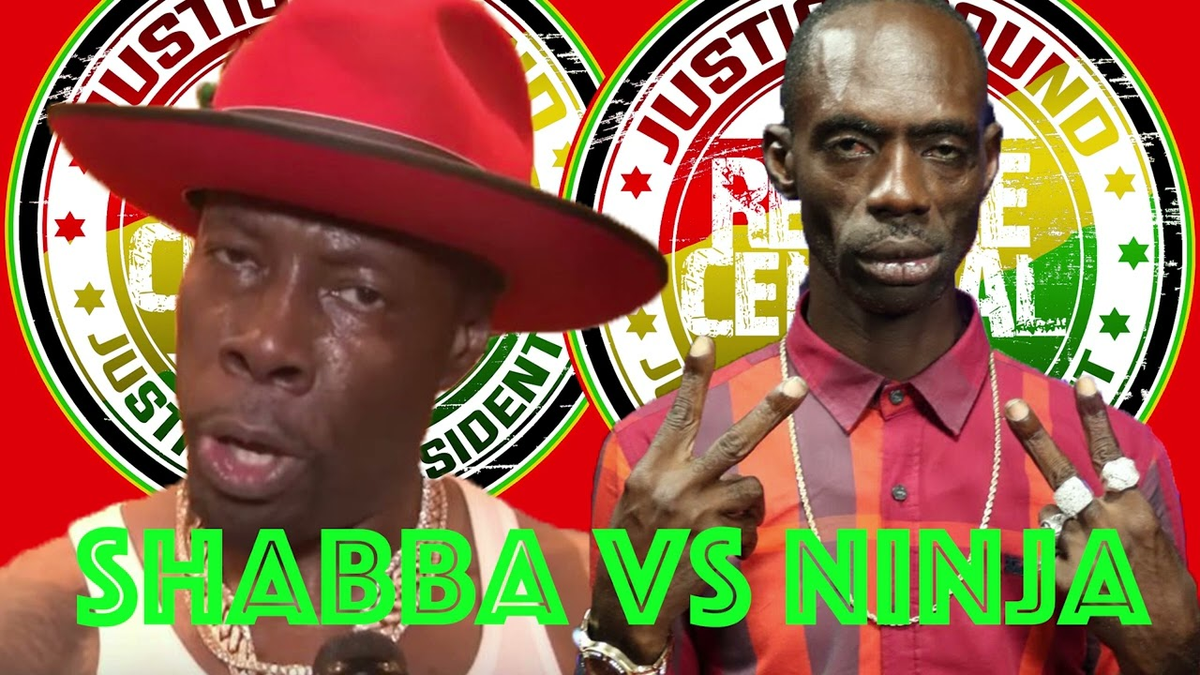
The two had not been on good terms since the 1990s, and in 2016 the feud surfaced again. Speaking to Anthony Miller of ER in September, Ninjaman called Shabba ungrateful and claimed a stake in his rise. “I build your career, you understand,” he said.
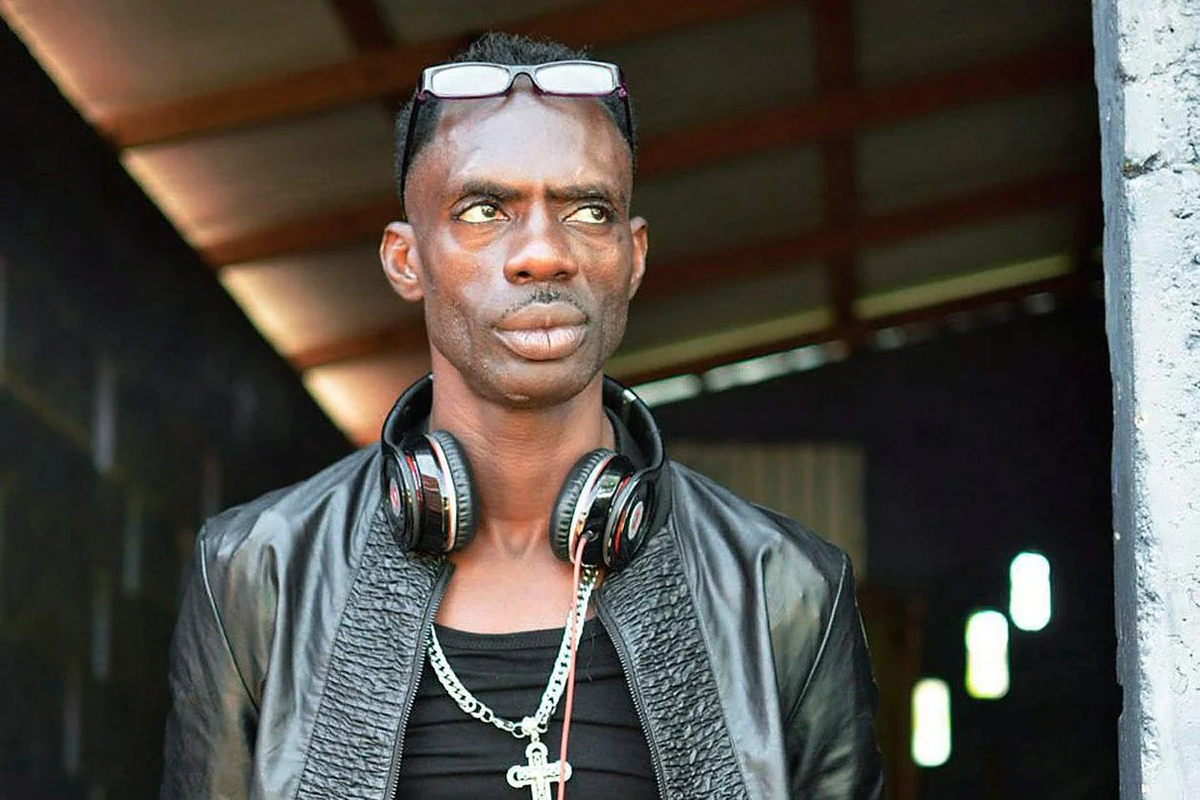
That same year Shabba received the Order of Distinction from the Jamaican state. When a TVJ reporter asked him about Ninjaman, Shabba pushed the microphone away. “Ask me bout music and don’t ask me bout f**kery,” he snapped.
Ninja’s response, reported by The Star, was a mix of needle and grudging respect. The honour, he said, meant “one more youth from the ghetto” had reached Heroes Circle.
Where They Stand Now
The road split hard. Ninjaman is serving a life sentence for the 2009 murder of Ricardo Johnson.
His appeal returned to court on 2 June 2025, following the death of his lawyer Valerie Neita-Robertson. His influence on the generation that followed remains undeniable.
Vybz Kartel, who punched him during their infamous Sting 2003 clash, later said that was the one thing he would have done differently and called Ninja “an elder and one of the most influential artists towards my development.
Shabba, now 60, is still on stages, including Reggae Land in 2024, still the Grammy-winning Loverman for audiences around the world.
Why the Super Clash Still Matters
Ninjaman vs Shabba Ranks captured dancehall at a crossroads. On one side stood the major label deal, the Grammys and the global crossover.
On the other stood the old law of the clash, where reputation was earned live, in front of a crowd that showed no mercy and gave no second chances.
That December night at Sting, the old law won, and Ninjaman’s victory still defines what a clash champion looks like.
Yet the bigger story is how both paths shaped the music. Shabba proved a Jamaican deejay could conquer the world. Ninja proved the dancehall would always keep its own scorecard.
Every Sting showdown since has been measured against that night, and every artist chasing a global deal still has to answer the question Ninja asked: can you hold the stage at home?