

The question of how Vybz Kartel prison songs were recorded and released dominated dancehall conversations for more than a decade.
The short answer, confirmed by Kartel himself only after his release: a smuggled iPhone, a prison mattress used as soundproofing, a collaborating tablet, and a network of producers waiting on the outside.
The longer answer involves years of deliberate misdirection, a pre-existing vault of unreleased material, and one of the most productive stretches of incarcerated artistry in modern music history.
Who Is Vybz Kartel and Why Was He in Prison?
Vybz Kartel, whose real name is Adidja Palmer, has been behind bars since his arrest in 2011 for the murder of Clive “Lizard” Williams, whose body was never found.
On April 3, 2014, Kartel was sentenced to life in prison after a 65-day trial, one of the longest in Jamaica’s history.
He was sentenced to life imprisonment with a minimum of 35 years, later reduced on appeal to 32 and a half years.
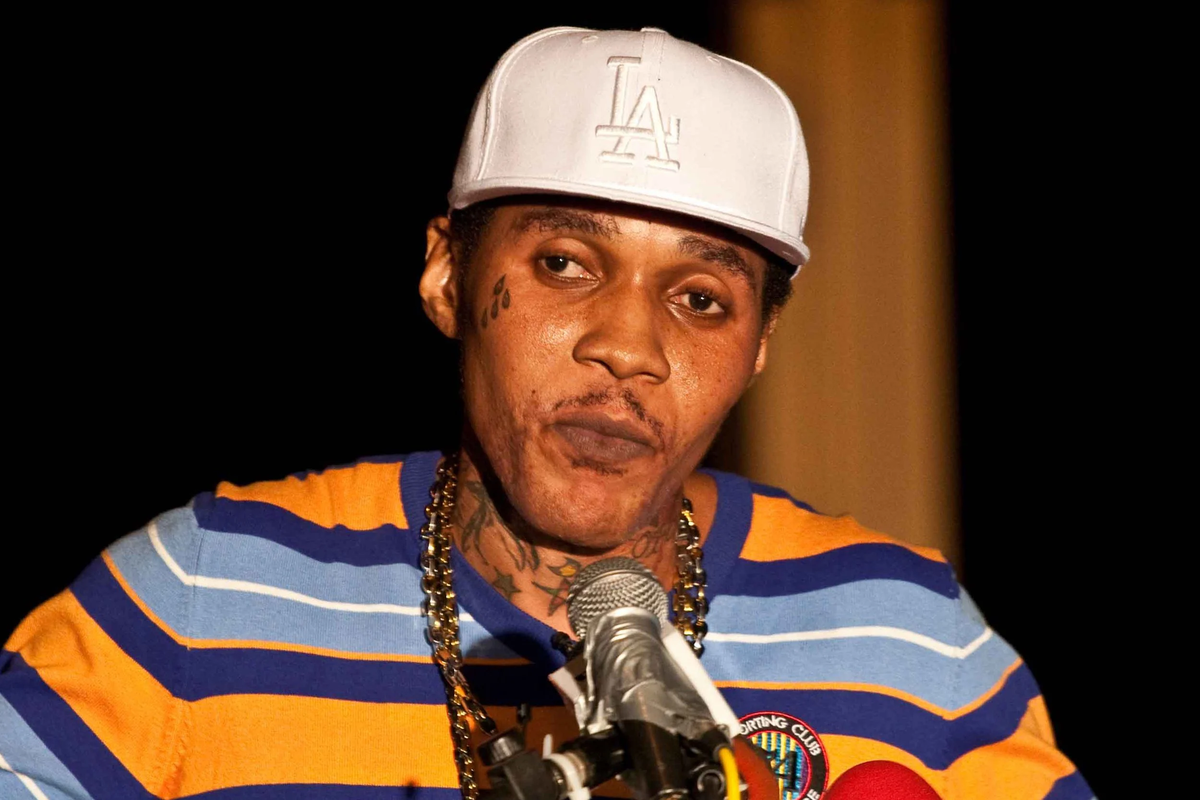
In March 2024, the United Kingdom-based Privy Council overturned the conviction against Kartel, finding evidence of juror misconduct in his initial trial.
Specifically, during the 2014 murder trial, a juror had allegedly attempted to bribe others by offering $500,000 JMD for a particular outcome in the case. On 31 July 2024, Kartel was released from prison after the Court of Appeal declined to retry the Williams case.
Before his arrest, Kartel was already one of dancehall’s most prolific figures. Born Adidja Azim Palmer in Portmore, Jamaica, Kartel has racked up 1.58 billion official on-demand U.S. streams, according to Luminate, making him one of dancehall’s commercial giants.
Phase One: The Pre-Existing Vault
The first phase of Kartel’s prison output required no phone smuggling at all. Kartel said when he first went to prison he was able to continue his usual clip of releases because of how much music he had recorded beforehand.
In his own words on the Juan Ep Is Life podcast: “In the first year, we had songs unreleased. But then the songs ran out and we had to do what we had to do. That’s when I started recording behind bars.”
This explanation was consistent with what he had said publicly before revealing the full picture. He told Rolling Stone in 2016, “I’ve always been a prolific songwriter, and I record at breakneck speed as well, so I have a lot of surplus material to choose from.”
While there might be some truth to that, it does not explain the use of present-day lyrics in some of his songs. Songs referencing contemporary events and cultural moments made it clear that fresh recording was happening from inside the walls of a Jamaican correctional facility.
Phase Two: Recording Behind Bars With a Smartphone and Tablet
Once the pre-recorded archive ran dry, roughly a year into his incarceration, Kartel turned to consumer technology.
He used to record his vocals on an Apple iPhone because the handheld had “an amazing sound quality.” Getting clean audio in a prison cell, however, required improvisation.
To try and get the best sound quality possible while recording, Kartel said he would use the mattress from his bed to imitate the padding found in a studio’s recording booth.
He described the process in detail on the podcast: “I would have the phone, like, 3 feet from my face and I would wrap the mattress around my head and record. It was crazy.”
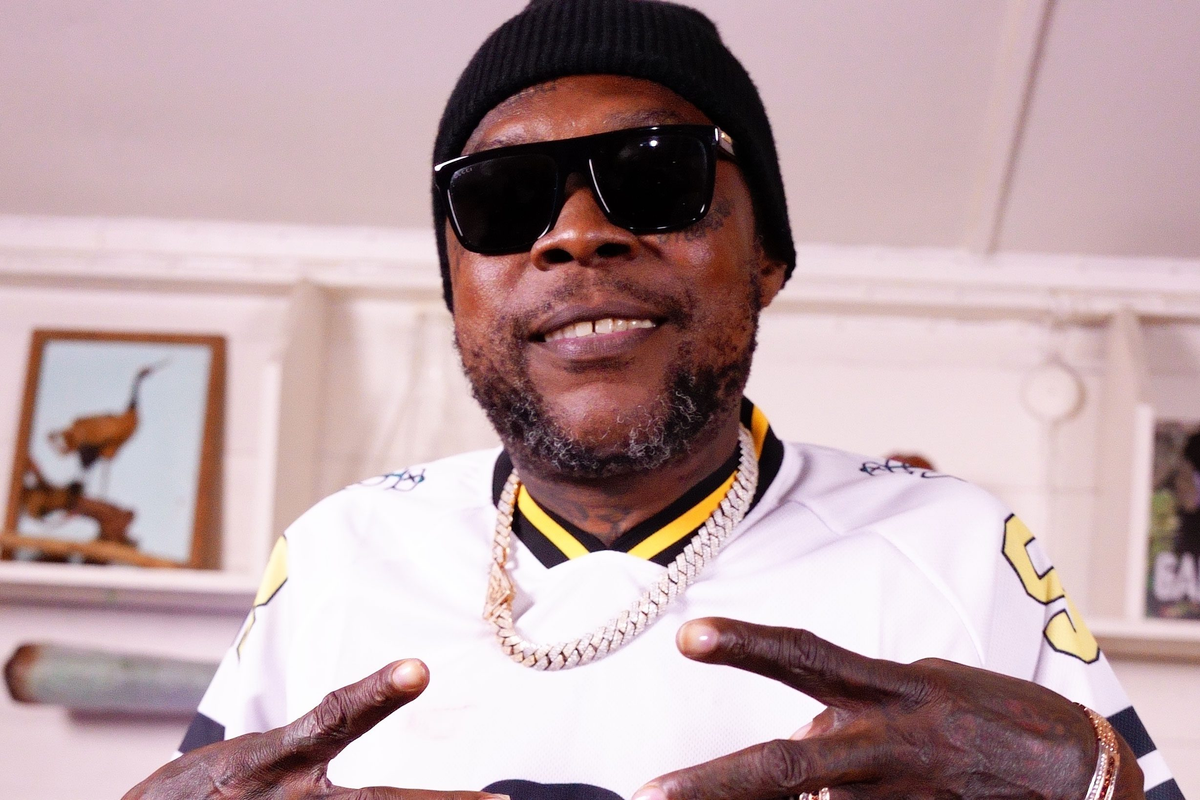
The workflow did not end with vocals. Afterward, he would make a demo using the vocals from the iPhone and a beat playing on an iPad. He would then send both to an engineer who would take all the components and turn it into a full song.
That engineer, working on the outside, was responsible for cleaning up the audio, blending the vocal tracks with production, and preparing the final mixdown for release.
The provocative dancehall deejay was constantly under the radar for having current lyrics while locked up from 2011 to July 2024, and previously alluded to a limitless library of unreleased material despite raids that revealed contraband in his cell. The contraband, of course, included the very devices making the recordings possible.
Kartel later acknowledged the absurdity of trying to publicly deny what was obvious: “I didn’t say anything but when I started talking about current stuff, I mean, a lot of people were like, nah, he’s either Nostradamus that he could predict the future or he’s actually recording. So, it was crazy. I couldn’t snitch on myself; we were in prison at the time.”
The Years of Official Denial and Deliberate Misdirection
For the better part of a decade, the question of how Vybz Kartel prison songs were being made existed in a fog of institutional denials and artfully worded non-answers. Jamaican prison authorities always denied giving Vybz Kartel special privileges to make music from prison.
Since recording music is unauthorized in prison, some suggested that he had privileged access to a professional studio, which was never actually proven. Others believed that the vault of unreleased music he left behind had enough songs to flood the streets.
It remained a mystery throughout his sentence, and in 2020, he fueled speculation even further in an interview with Billboard.
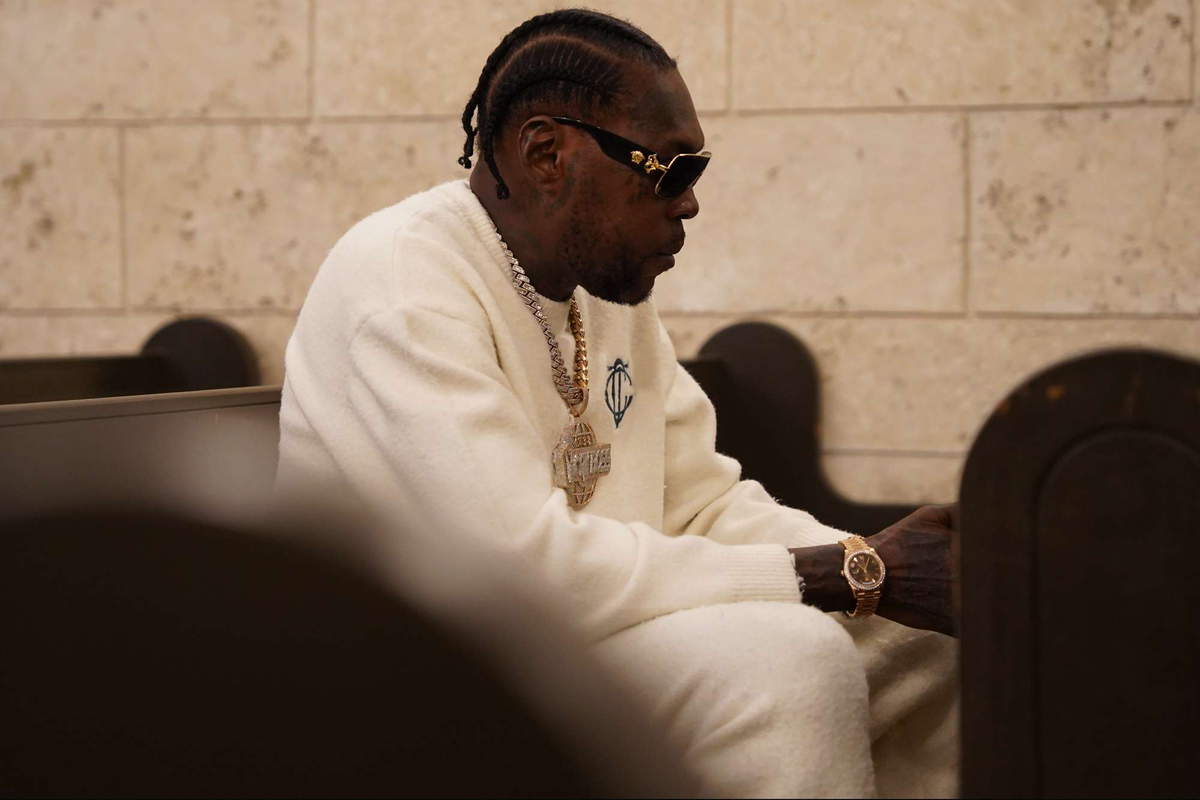
When pressed on the subject, Kartel offered a carefully crafted non-answer: “Many people say YES! VYBZ IS RECORDING IN PRISON!! But where’s the proof? But this is Jamaica where you don’t need proof to imprison someone.
For the record, I’m not authorized to answer such ‘above pay grade’ questions so I’ll say, ‘a tree fell in the forest and no one was there to hear it.'”
It was only after his release in 2024 that Kartel confirmed what the dancehall world had long suspected. His freedom coincided with increased press about ridding contraband from Jamaica’s prison system, with Commissioner of Corrections Brigadier Radgh Mason stating his mission to weed out corrupt officers.
The Output: Albums, Singles, and Chart Positions
The volume of music Kartel produced while incarcerated is staggering by any measure. Many dancehall fans questioned how Vybz Kartel, who had been in prison on a murder conviction since 2011, continued to record and release new music.
By mid-2020, he had released two full-length albums within six months, To Tanesha (January 10) and Of Dons and Divas (June 26), along with an additional 25 standalone singles since the start of that year alone.
Behind bars, Kartel never stopped making music, managing to secretly record and release five projects that would reach the top 10 of Billboard’s Reggae Albums chart.
The peak commercial achievement of his prison era was the 2016 album King of the Dancehall. While in prison, Kartel released his most internationally successful album, King of the Dancehall, which peaked at No. 2 and spent 19 weeks on the US Billboard Reggae Album Chart.
While he was incarcerated for 13 years, Vybz Kartel amassed over 1 billion streams on Spotify, the first independent dancehall artist to achieve this milestone.
The “Fever” Case Study: A Gold Record Made With a Mattress
“Fever,” released in June 2016, is the single that best illustrates how Vybz Kartel prison songs could compete commercially with anything produced in a professional studio.
Produced by Linton “TJ” White, Fever was released during Kartel’s incarceration and featured on his 22-track album, King of the Dancehall.
In the US, Fever spent six weeks on the R&B/Hip-Hop Airplay chart, peaking at No. 36, and four weeks on the Rap Airplay chart, where it reached No. 23. The track was certified Gold in the United States in 2020 after surpassing 500,000 units in sales and streams. In 2023, it earned Silver certification in the United Kingdom for exceeding 200,000 units.
The song’s commercial life has only grown with time. Kartel’s 2016 smash hit “Fever” has surpassed 150 million Spotify streams, further cementing its status as the deejay’s most-streamed song on the platform.
Vybz Kartel’s 2016 dancehall cut was also certified Gold in the United Kingdom on July 3, 2026 by the British Phonographic Industry, after crossing 400,000 combined sales and streams in the country.
Kartel himself confirmed on the Juan Ep Is Life podcast that “Fever” was recorded using the exact mattress-and-iPhone method described above, making it arguably the most commercially successful song ever recorded in a prison cell.
The Broader Context: Why It Matters
The story of how Vybz Kartel prison songs were made is not merely a curiosity. It raises serious questions about contraband management and corruption inside Jamaican correctional facilities, questions that Kartel’s release brought back into the public conversation. It also speaks to the extraordinary loyalty of his fan base and the infrastructure that his team built around him.
He continued to release songs from prison, releasing over 50 singles since 2016, prompting his supporters to continue campaigning relentlessly for his release.
The technology angle is also significant. The fact that a dancehall deejay in a Jamaican prison cell could record commercially viable vocals on a consumer smartphone, send them to a producer, and land on the US Billboard R&B airplay chart is a testament to both his vocal ability and the leveling effect of modern recording technology.
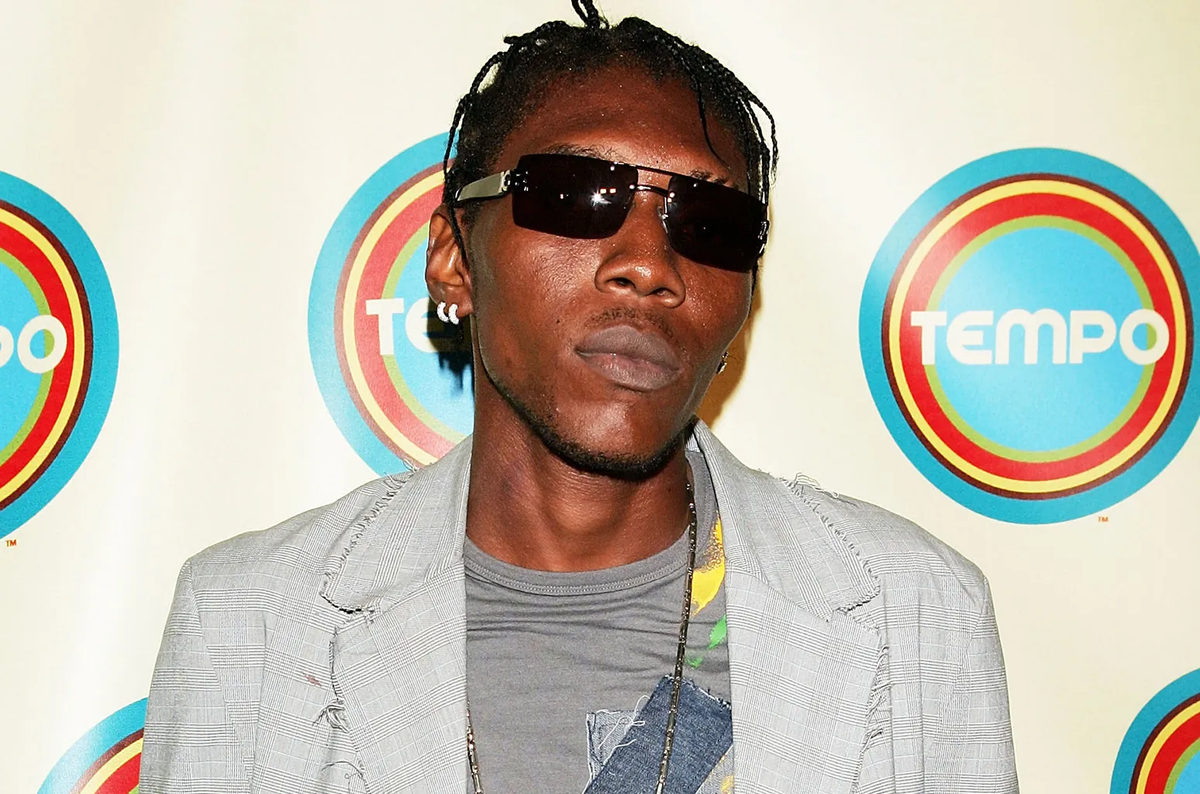
Professional acoustic treatment has real value, but the mattress-around-the-head workaround, crude as it sounds, produced a Gold record.
Kartel, who was recently released after serving 13 years of a 35-to-life sentence, later revealed that he sustained his career by constantly writing and finding innovative ways to record.
Writing, it turned out, was never the constraint. Getting the vocals out of a cell and into a mix was the logistical challenge, and Kartel solved it with an iPhone, a prison-issued mattress, and the discipline to keep creating under conditions that would silence most artists.
After Prison: The Legacy of the Prison-Era Catalog
In July 2024, Jamaica’s most influential living artist walked out of a Kingston prison after 13 years, drove straight to his mother’s house for a tearful reunion, and dove immediately into preparations for Freedom Street, his first performance since his release and the biggest concert the country would see in nearly 50 years.
The concert featured explosive appearances by Spice, Popcaan, Busta Rhymes, and more dancehall heavyweights. The prison-era catalog did not diminish Kartel’s reputation.
If anything, the mythology surrounding how those songs were made amplified his legend, and the numbers confirmed that the music itself stood on its own terms, regardless of where it was recorded.
Kartel was also nominated for his first Grammy, for best reggae album for Party With Me. The nomination reflected an industry finally acknowledging a body of work that had been commercially vital and culturally central for years, much of it made with a phone wrapped in a mattress in a Jamaican prison cell.