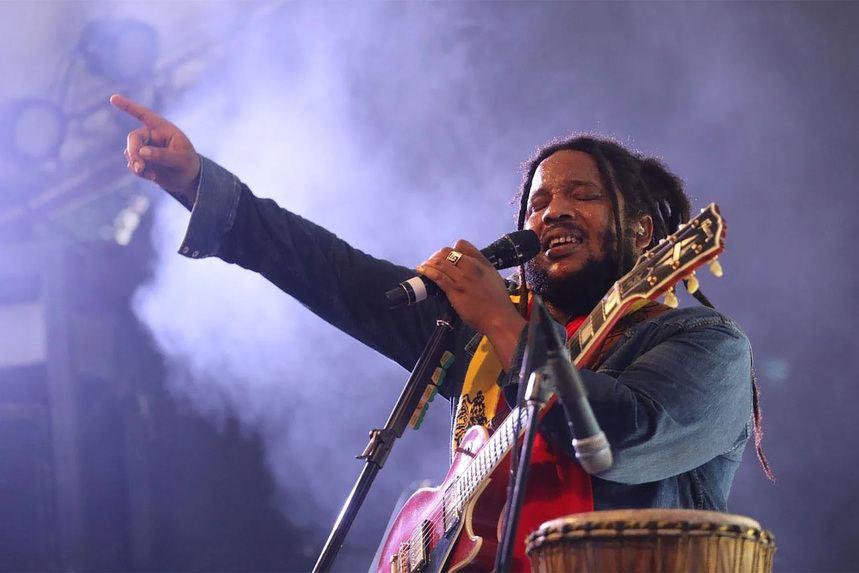

The Grammy Best Reggae Album history spans more than four decades, forty-plus trophies, and a staggering cast of musicians who collectively define what reggae means to the world.
The Grammy Award for Best Reggae Album recognizes excellence in albums of reggae music, including roots reggae, dancehall, and ska music.
Since the Recording Academy first handed out the award at the 27th ceremony in 1985, the category has served as the genre’s most prestigious annual benchmark, rewarding conscious roots, raw dancehall, reggae-fusion, and everything in between.
This article documents every winner in Grammy Best Reggae Album history, places them in context, and ranks them by their cultural and commercial weight.
A Brief History of the Award
Originally called the Grammy Award for Best Reggae Recording, the honor was presented to artists for eligible songs or albums.
The Jamaican group Black Uhuru received the first award in 1985. Reggae, which was born in Jamaica and grew up in the global arena, was not given its own category until 1985.
In recognition of the genre’s expanding global appeal, the Grammys added the Best Reggae Recording award that year.
Beginning with the 1992 ceremony, the name of the award was changed to Best Reggae Album. The eligibility rules have also evolved; an album must have at least 51% freshly recorded music in order to be eligible for a Grammy for Best Reggae Album.
The dominant narrative of the category belongs to one family. Ziggy Marley has won eight Grammy Awards as a solo artist; he has won the Best Reggae Album category seven times.
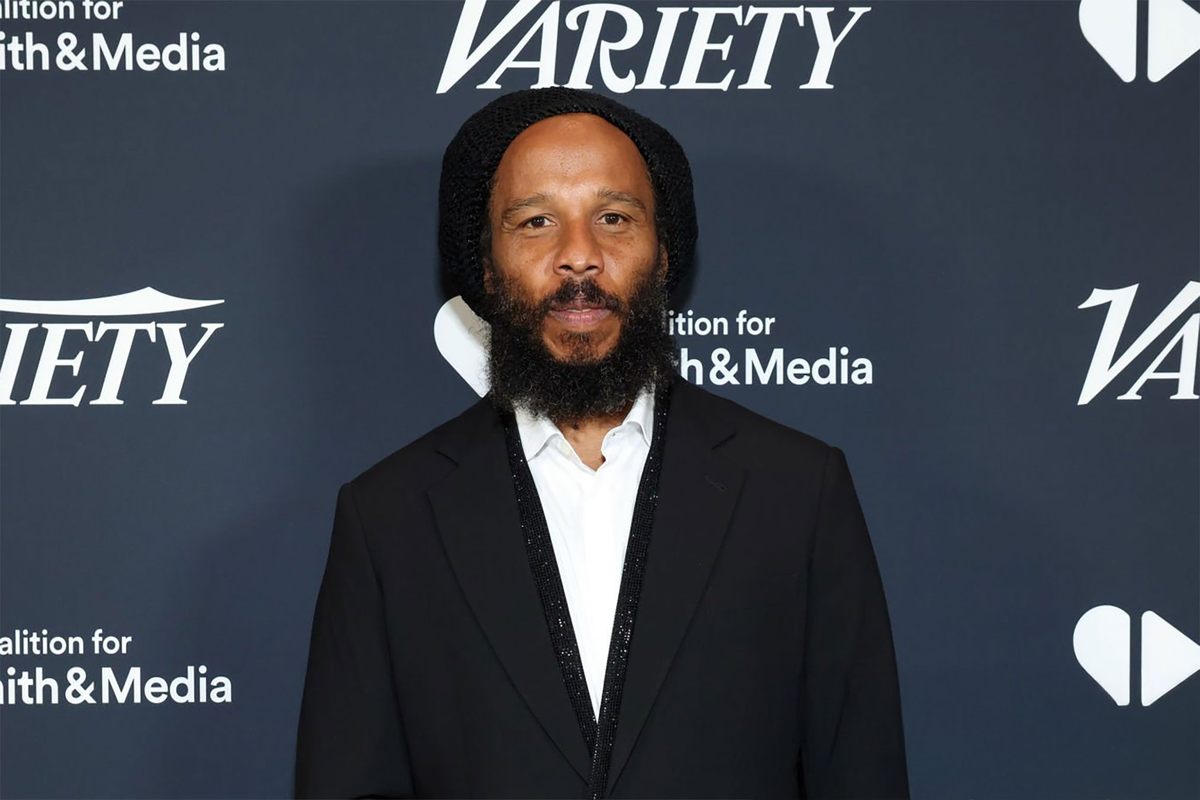
Sharon Marley and Cedella Marley of Ziggy Marley and the Melody Makers hold the record for most wins and nominations by a female artist, with three wins out of eight nominations.
On the commercial side, while the Marley family took home the most Best Reggae Grammy awards, it is Sean Paul’s “Dutty Rock” that holds the title as most successful Grammy-winning Best Reggae Album, certified triple Platinum (3,000,000) in the U.S.
The most recent recipient, as of the time of publication, is Keznamdi, who won at the 68th Annual Grammy Awards with his album Blxxd & Fyah.
Complete Winner List by Year
The table below lists every Grammy Best Reggae Album winner by ceremony year, with the award formerly titled Best Reggae Recording from 1985 through 1991.
1985 Black Uhuru, Anthem
1986 Jimmy Cliff, Cliff Hanger
1987 Steel Pulse, Babylon the Bandit
1988 Peter Tosh, No Nuclear War
1989 Ziggy Marley & The Melody Makers, Conscious Party
1990 Ziggy Marley & The Melody Makers, One Bright Day
1991 Bunny Wailer, Time Will Tell: A Tribute to Bob Marley
1992 Shabba Ranks, As Raw As Ever
1993 Shabba Ranks, X-tra Naked
1994 Inner Circle, Bad Boys
1995 Bunny Wailer, Crucial! Roots Classics
1996 Shaggy, Boombastic
1997 Bunny Wailer, Hall of Fame: A Tribute to Bob Marley’s 50th Anniversary
1998 Ziggy Marley & The Melody Makers, Fallen Is Babylon
1999 Sly and Robbie, Friends
2000 Burning Spear, Calling Rastafari
2001 Beenie Man, Art and Life
2002 Damian Marley, Halfway Tree
2003 Lee “Scratch” Perry, Jamaican E.T.
2004 Sean Paul, Dutty Rock
2005 Toots & the Maytals, True Love
2006 Damian Marley, Welcome to Jamrock
2007 Ziggy Marley, Love Is My Religion
2008 Stephen Marley, Mind Control
2009 Burning Spear, Jah Is Real
2010 Stephen Marley, Mind Control Acoustic
2011 Buju Banton, Before the Dawn
2012 Stephen Marley, Revelation Pt. 1, The Root of Life
2013 Jimmy Cliff, Rebirth
2014 Ziggy Marley, In Concert
2015 Ziggy Marley, Fly Rasta
2016 Morgan Heritage, Strictly Roots
2017 Ziggy Marley, Ziggy Marley
2018 Damian Marley, Stony Hill
2019 Sting & Shaggy, 44/876
2020 Koffee, Rapture
2021 Toots & the Maytals, Got to Be Tough
2022 SOJA, Beauty in the Silence
2023 Kabaka Pyramid, The Kalling
2024 Julian Marley & Antaeus, Colors of Royal
2025 Bob Marley: One Love, Music Inspired by the Film
2026 Keznamdi, Blxxd & Fyah
The Winners, Ranked
Rankings here weigh three factors equally: historical importance to reggae as a genre, critical reception at the time, and documented commercial impact. Where sales data is publicly confirmed, it is cited.
1. Black Uhuru, Anthem (1985)
Black Uhuru had their most successful period in the 1980s, with their album Anthem winning the first ever Grammy Award for Best Reggae Album in 1985.
Nominees for the inaugural award included albums from Black Uhuru (Anthem), Peter Tosh (Captured Live) and Yellowman (King Yellowman), alongside singles by Jimmy Cliff (“Reggae Night”) and Steel Pulse (“Steppin’ Out”), with Anthem coming out on top.
The win was genuinely historic, placing reggae on the same ceremonial stage as pop, rock, and jazz for the first time.
Anthem, released in 1983 and internationally in 1984, was the first album to have won the Grammy Award for Best Reggae Recording in 1985.
The album has been released in multiple versions, including a box set, that feature various track listings and mixes.
Nothing before or since carries the same originary weight in Grammy Best Reggae Album history.
2. Sean Paul, Dutty Rock (2004)
Sean Paul’s Grammy win marked a high point in dancehall music’s global appeal. The commercial case is overwhelming: it is Sean Paul’s Dutty Rock that holds the title as most successful Grammy-winning Best Reggae Album, certified triple Platinum (3,000,000) in the U.S.
No other album in the category’s entire history has matched that certification level, making Dutty Rock the genre’s single biggest mainstream crossover on record.
3. Damian Marley, Welcome to Jamrock (2006)
Damian Marley’s fusion of traditional reggae with modern sounds won him this Grammy.
The title track had already penetrated mainstream hip-hop radio internationally before the award was given, proving that a reggae album could compete for the attention of listeners who had never previously sought the genre.
Damian Marley won with Welcome to Jamrock at the 2006 ceremony. The album sits alongside Dutty Rock as one of the two Grammy winners that most decisively moved the needle in markets outside Jamaica.
4. Koffee, Rapture (2020)
Koffee became the youngest Jamaican artist to win a Grammy, symbolizing a new era in reggae. The win was additionally significant because, as widely reported at the time, Koffee bagged Best Reggae Album for Rapture, becoming the first female winner in the category.
The fact that Rapture is an EP rather than a full-length studio album, yet still accumulated total units of 152,000 (per Luminate tracking data), underscores the degree to which listeners engaged with it across formats.
5. Ziggy Marley & The Melody Makers, Conscious Party (1989)
Conscious Party is Ziggy Marley and the Melody Makers’ third album. It was released in 1988.
The album became popular with the hits “Tumblin’ Down” and “Tomorrow People.” It won the Grammy Award for Best Reggae Album in 1989.
The album saw the Melody Makers step into the global spotlight for their own talent, with public focus largely drawn toward Ziggy as band leader, lead vocalist, and the album’s chief composer.
More than any other win in the Melody Makers’ remarkable run, Conscious Party established Ziggy as a generational force in his own right rather than simply the son of Bob Marley.
6. Peter Tosh, No Nuclear War (1988)
Tosh was murdered in September 1987. The Grammy win arrived posthumously, awarded for material recorded in the final months of his life.
The recognition amplified reggae’s political voice at a moment when the world was still absorbing the loss of one of its most uncompromising artists.
In Grammy Best Reggae Album history, few wins carry the same bittersweet gravity.
7. Shabba Ranks, As Raw As Ever (1992)
Shabba Ranks won the award for Best Reggae Album at the 34th Annual Grammy Awards.
Though King Yellowman was the first dancehall artist to be nominated for Best Reggae Album in 1985, Shabba Ranks stands as the first dancehall act to take home the award for his album As Raw As Ever in 1992.
Shabba topped Ziggy Marley, Rita Marley, Bunny Wailer, Black Uhuru, and Steel Pulse during that year.
The back-to-back nature of the achievement also matters: Shabba won again with X-tra Naked in 1993, against Jimmy Cliff, Steel Pulse, The Wailing Souls, and Third World.
8. Steel Pulse, Babylon the Bandit (1987)
Steel Pulse, an influential British band, earned the accolade in 1987 with their politically charged album Babylon the Bandit.
Their win remains notable as the only time a non-Jamaican, non-American act claimed the award during the category’s first decade, demonstrating early that the Grammy’s definition of reggae was genuinely international.
The album accumulated 79,000 total units in the U.S. according to Luminate tracking data, making it one of the stronger commercial performers among the early winners.
9. Lee “Scratch” Perry, Jamaican E.T. (2003)
Lee “Scratch” Perry’s win in 2003 acknowledged his pioneering role in developing dub music. Perry, by that point a figure whose innovations underpinned everything from roots reggae to UK punk, had never previously won a Grammy.
The award functioned less as a verdict on a single album and more as a lifetime achievement acknowledgment dressed in a category-specific trophy, a correction of a long-standing oversight by the Recording Academy.
10. Buju Banton, Before the Dawn (2011)
The win for Before the Dawn arrived at one of the most fraught junctures in any winning artist’s career.
Buju Banton had been convicted on federal drug charges in the United States the same month the award was presented. Buju Banton won with Before the Dawn at the 2011 ceremony.
The album’s artistic quality was never in question; the dramatic personal circumstances surrounding the win made it one of the most discussed moments in the category’s history.
11. Damian Marley, Halfway Tree (2002)
Damian Marley’s win marked the blending of dancehall and traditional reggae, establishing him as a distinct voice in the Marley legacy.
It was the first Grammy for the youngest son of Bob Marley and the opening salvo of what would become one of the most productive Grammy relationships between any single artist and the Best Reggae Album category.
12. Shaggy, Boombastic (1996)
Shaggy won the Best Reggae Album Grammy with Boombastic in 1996. The win coincided with the album’s massive mainstream commercial run, driven by the title track’s pop-radio saturation internationally.
Like Sean Paul eight years later, Shaggy proved that Jamaican music could land in living rooms with no prior interest in reggae. The Grammy ratified a crossover that had already happened at scale.
13. Toots & The Maytals, True Love (2005)
Toots and the Maytals won the Grammy with True Love, celebrated for popularizing reggae worldwide.
The album registered 221,000 total units in the U.S. according to Luminate data, the highest of any Grammy-winning reggae album in the tracking period aside from Dutty Rock, which towers above the rest.
The duets-format record featured some of the biggest names in rock and soul, broadening the Maytals’ reach significantly.
14. Kabaka Pyramid, The Kalling (2023)
The award’s 2023 recipient, Kabaka Pyramid’s The Kalling, produced by Damian and Stephen Marley, intertwines traditional roots reggae with Kabaka’s love of hip-hop.
The win energized the reggae revival movement, which had been pushing Jamaican music in a more lyrically conscious direction for several years.
Kabaka’s victory was read by many observers as validation of the entire cohort of younger artists who emerged alongside him, including Protoje, Jesse Royal, and Keznamdi.
15. Keznamdi, Blxxd & Fyah (2026)
Recording artist Keznamdi won the Grammy Award for Best Reggae Album for his 13-track set, Blxxd & Fyah. The album was released on August 22, 2025, via Keznamdi Music.
The album carries a strong message rooted in struggle, resilience, and transformation, blending roots reggae with modern influences. This was Keznamdi’s first Grammy nomination.
Keznamdi McDonald was born in Kingston, Jamaica, into a musical family; his parents, Errol and Kerida McDonald, led the reggae group Chakula.
His win, achieved on a first nomination against a competitive all-Jamaican field, placed him firmly at the center of the genre’s next chapter.
16. Toots & The Maytals, Got to Be Tough (2021)
It was the second Grammy Award for Toots & The Maytals after their first win for the 2004 release True Love. Toots Hibbert passed away September 11, 2020.
Like Peter Tosh before him, Hibbert received his final Grammy recognition after his death, an emotional outcome that united much of the reggae community in tribute.
17. Damian Marley, Stony Hill (2018)
Damian Marley won with Stony Hill at the 2018 ceremony. The album registered 167,000 total units in the U.S. according to Luminate tracking data, making it the second highest performing of Damian’s three winning albums by units.
It represented his most mature production statement, recorded over a period of years and described at release as a meditation on the price of success.
18. Stephen Marley, Mind Control (2008)
Stephen Marley won with Mind Control at the 2008 ceremony.
Stephen would go on to take the award two more times, but Mind Control was the first and, arguably, the one that established him as a formidable Grammy presence independent of his collaborations with siblings.
The acoustic follow-up, Mind Control Acoustic, which won in 2010, registered 162,000 total units in the U.S.
19. Jimmy Cliff, Cliff Hanger (1986)
Cliff Hanger by Jimmy Cliff was released in 1985 through CBS Records. The album featured collaborations with members of Kool and the Gang and included two songs co-written by La Toya Jackson.
It was the only album to beat a Marley at the awards in a year when Ziggy Marley and the Melody Makers were among the nominees, a fact that reggae historians note as a marker of competitive unpredictability in the category’s early years. Cliff would return to win again in 2013 with Rebirth.
20. Bob Marley: One Love, Music Inspired by the Film (2025)
The 2025 Grammy in the Best Reggae Album category was won by Bob Marley: One Love, Music Inspired by the Film.
In the 2020s, the Best Reggae Album Grammy winners reflect the diverse musical palette that comprises contemporary reggae.
EDM influences and reggaeton remixes dominate the 2024 winner Julian Marley and Antaeus’ Colors of Royal.
The soundtrack win arrived in the wake of the biographical film’s enormous global box-office success and reignited debate about whether catalogue-adjacent projects should compete alongside original studio albums in the category.
21. Julian Marley & Antaeus, Colors of Royal (2024)
Julian Marley & Antaeus won with Colors of Royal at the 2024 ceremony. The win extended the Marley family’s dominance of the category into a third consecutive generation and brought Julian his first Grammy after decades of critically praised but largely overlooked output.
22. Morgan Heritage, Strictly Roots (2016)
Morgan Heritage won with Strictly Roots at the 2016 ceremony. The award validated a roots-forward sound at a moment when the category had been cycling through Ziggy Marley solos, and the win was celebrated across the roots community as evidence that the Recording Academy remained willing to honor genre purists.
23. SOJA, Beauty in the Silence (2022)
SOJA won with Beauty in the Silence at the 2022 ceremony. The Virginia-based band’s victory generated discussion about the category’s geographic scope, as SOJA became one of the few non-Jamaican artists to win in the award’s history.
The result was genuinely contested in online reggae communities, reflecting the ongoing tension in Grammy Best Reggae Album history between the genre’s Jamaican roots and its international diaspora.
24, 42. The Remaining Winners
The full roster includes several additional wins of genuine merit. Shaggy won with Boombastic in 1996; Bunny Wailer claimed the award three times, in 1991, 1995, and 1997, with tributes to Bob Marley and roots-focused solo projects.
Inner Circle won with Bad Boys in 1994, a song whose association with the American television series Cops made it one of the most broadly recognized reggae recordings of the decade among mainstream audiences.
Burning Spear’s wins in 2000 and 2009 rewarded one of reggae’s most consistent live and studio presences, while Sly and Robbie’s 1999 win for Friends acknowledged the rhythm section that underpinned much of reggae’s golden era as a creative unit in its own right.
Key Themes in Grammy Best Reggae Album History
No account of the Grammy Best Reggae Album history is complete without confronting the scale of the Marley family’s achievement.
Ziggy Marley has won the Best Reggae Album Grammy more times than anyone else; he did it in 1989, 1990, 1998, 2007, 2014, 2015, and 2017.
Add Stephen Marley’s three wins (2008, 2010, 2012), Damian Marley’s three wins (2002, 2006, 2018), and the more recent victories for Julian Marley (2024) and Bob Marley’s posthumous soundtrack win (2025), and a single family accounts for roughly a third of all Grammy Best Reggae Album awards ever presented.
The decade of the nineties would also see dancehall music break into the Grammy winners’ circle as high-riding deejay Shabba Ranks had back-to-back wins.
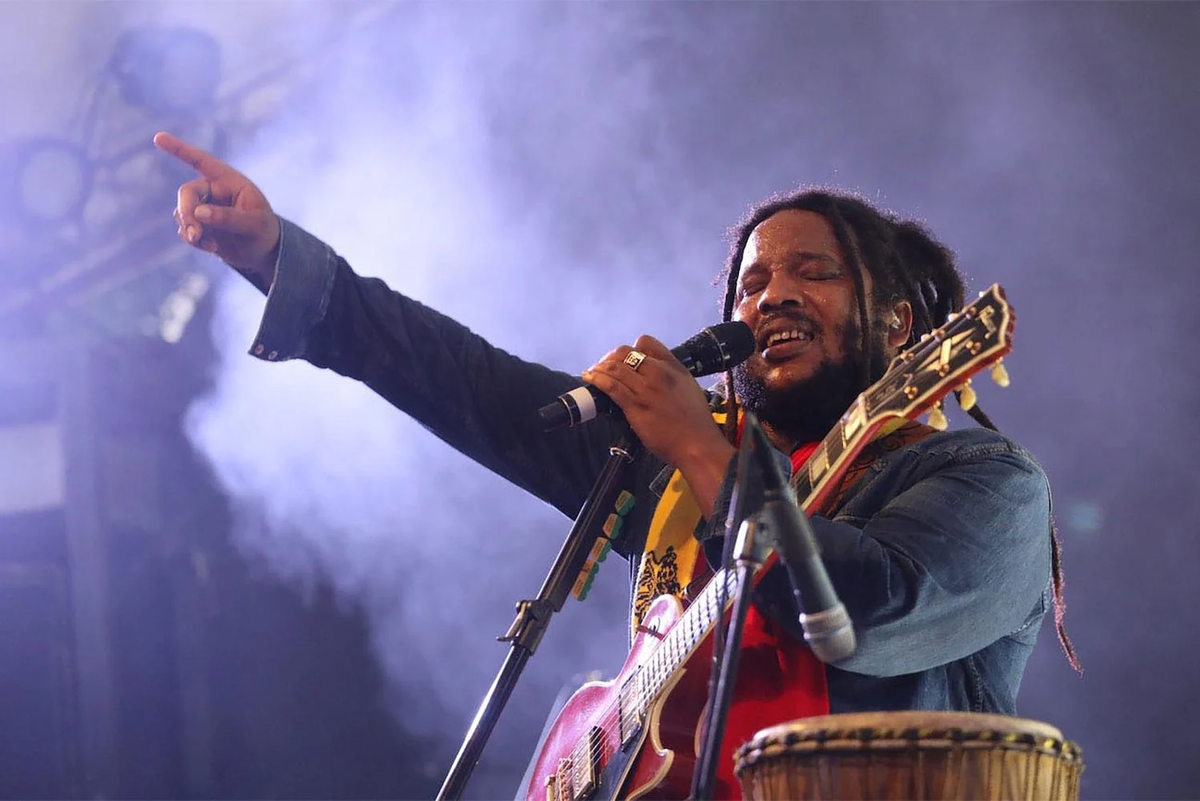
Yet dancehall has remained underrepresented in the winner’s circle relative to its commercial and cultural dominance of Jamaican music. Third World never won a Grammy but got nominated seven times from 1997 to 2005.
The debate about whether Recording Academy voters adequately reflect the full breadth of Jamaican popular music continues every nomination cycle.
Just one year after the Grammys included reggae music amongst their categories, Judy Mowatt would become the first female ever to be included in the list of nominees in 1986 in the Best Reggae Album category for her compilation Working Wonders. Judy Mowatt (1985), Rita Marley (1991), Sister Carol (1996) and Etana (2018) were nominated, but did not win.
It would take until 2020, thirty-five years after the first nomination of a female artist, for a woman to claim the award. Koffee became the first female winner in the category when she took home Best Reggae Album for Rapture.
Conclusion
The Grammy Best Reggae Album history is, at its core, the story of a music born in Kingston’s yards and recording studios asserting its claim to global legitimacy, one golden gramophone at a time.
From Black Uhuru’s watershed 1985 victory through Keznamdi’s independent triumph in 2026, the category has documented reggae’s evolution across roots, dancehall, dub, fusion, and revival with remarkable fidelity.
Reggae evolved from its 1960s forerunners, ska and rocksteady, shaped by contemporary influences such as American jazz and R&B, and mento, Jamaican folk music.
Today’s reggae music makers draw from genres such as hip-hop to create a generationally distinctive sound that still remains tethered to Jamaica’s musical history.
The Grammy has not always gotten it right, and the debates around omissions and upsets are themselves part of the record.
But as a map of where the genre has been and where it is heading, the Grammy Best Reggae Album winner list remains an indispensable document.