Tomorrow marks 24 years since Sean Paul’s Dutty Rock landed, and the album still sounds like a dance floor at 2 a.m.
Released on 12 November 2002, Sean Paul’s Dutty Rock album took the rapid-fire patois, bashment riddims and uptown Kingston swagger of a working dancehall deejay and pushed it into every club, car stereo and pop countdown on the planet. It was a Jamaican record made in Jamaica that the whole world ended up learning by heart.
The story behind it is less about overnight fame than about patience, timing and a very good set of riddims.
Here is how a second album from a VP Records artist became a multiplatinum, Grammy-winning monster, and why it still matters to the culture that made it.
The Long Road From “Deport Them”
Sean Paul was no newcomer when Dutty Rock arrived. “Deport Them” came out in 1998, four years before the album, and his debut set Stage One followed in 2000 as his first full-length on VP Records.
That record pulled together earlier singles and compilation cuts with a handful of new tracks, the kind of collection that proves a deejay has been grinding through the riddim circuit.
The American foundation was laid even earlier. Lion Face, the Trinidad-born selector and producer, booked Sean Paul’s first US gig in Boston in 1997 and is widely credited with introducing him to the American market. By the time New York’s Hot 97 started giving his records power play, the audience was already primed.
Then came “Gimme the Light.” Produced by Troyton Rami and first heard on the Buzz riddim album, the song became the catalyst for a multimillion-dollar deal between VP Records and Atlantic just before Dutty Rock dropped.
For this album, VP had a major partner, and dancehall had a pipeline to mainstream radio that it rarely enjoyed.
Making a “Dirty Rock”
The title was plain talk. “‘Dutty’ means ‘dirty’: It means ‘dirty rock’,” Sean Paul told The Guardian. That grit runs through the record, which was produced almost entirely in Jamaica by Sean Paul and his team.
According to Billboard, he did not make it with an international breakthrough in mind. The inspiration was much closer to home: the late-night parties of his teens and early 20s.
Executive production came from Christopher Chin, Sean Henriques, Murray Elias and Jeremy Harding, and the credits list reads like a map of Jamaican production at the turn of the millennium.
Sly & Robbie powered “Shout (Street Respect). Steely & Clevie built “I’m Still in Love with You,” a lovers rock flip featuring Sasha.
Tony “CD” Kelly produced “Like Glue,” and Steven “Lenky” Marsden supplied “Get Busy,” which rides his Diwali riddim, that skipping, handclap-heavy beat that seemed to soundtrack every dance in 2002.
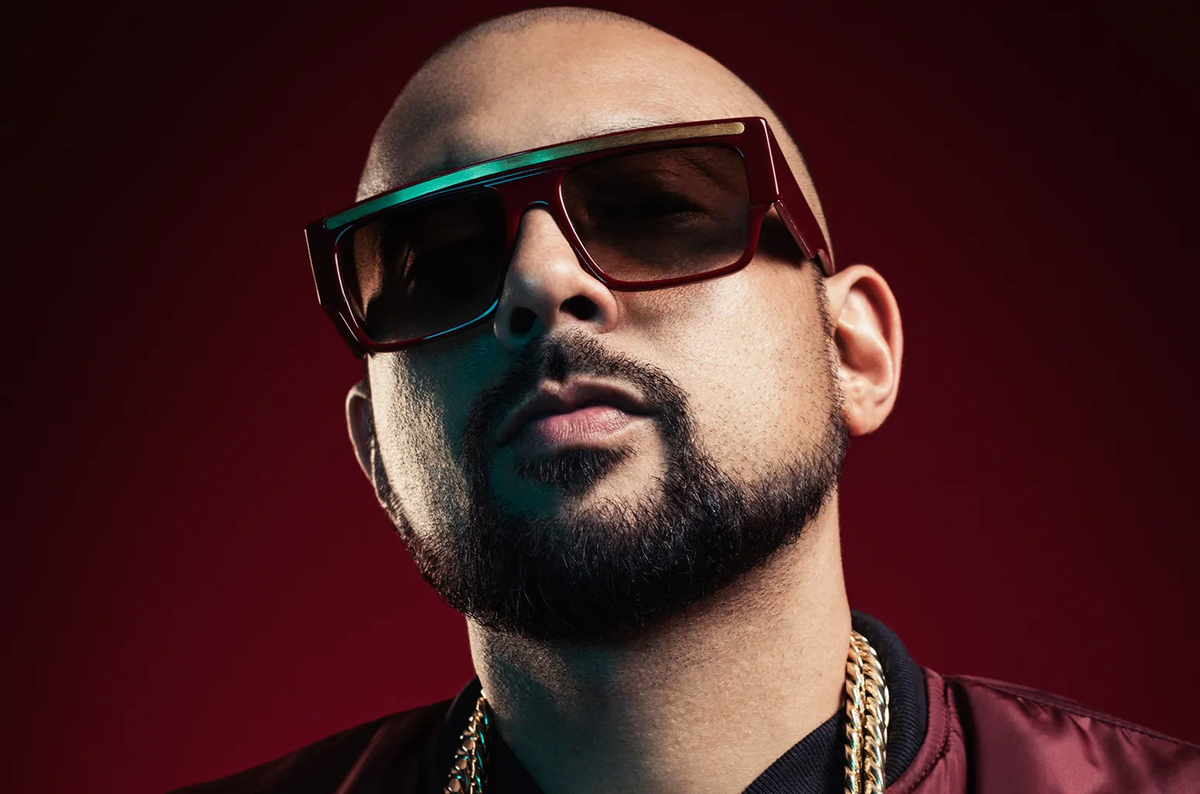
Harding, Sean Paul’s longtime manager and producer, handled “Top of the Game” with beatbox master Rahzel and “Can You Do the Work” with Ce’Cile.
There were outside hands too, and they show how far the album’s reach already stretched. Mark Ronson produced “International Affair” with Debi Nova, and The Neptunes, then the hottest production team in American pop and hip-hop, delivered “Bubble” featuring Fahrenheit.
The original 2002 edition ran a generous 23 tracks, with some pressings carrying skits such as “Police” and “Uptown Haters” plus “It’s On.” Japanese buyers got a bonus, “Samfy I.”
A&R executive Murray Elias, who also steered The Trinity, remembers the mood inside the camp. “We knew we were on the road to somewhere big,” he told the Trinidad Express, “but nobody could foresee just how big the album would become, especially internationally.”
The Singles That Took Over
Few dancehall albums have produced a run of singles like this one. Billboard counts four Hot 100 top-15 hits from the original album: “Gimme the Light,” “Get Busy,” “Like Glue” and “I’m Still in Love with You.”
Gimme the Light” opened the door, helped along by a “Pass the Dro-Voisier” remix with Busta Rhymes that put Sean Paul in front of hip-hop crowds.
The edited album version swapped its weed reference for “Just gimme the light and start the show,” a small change that let radio play it freely.
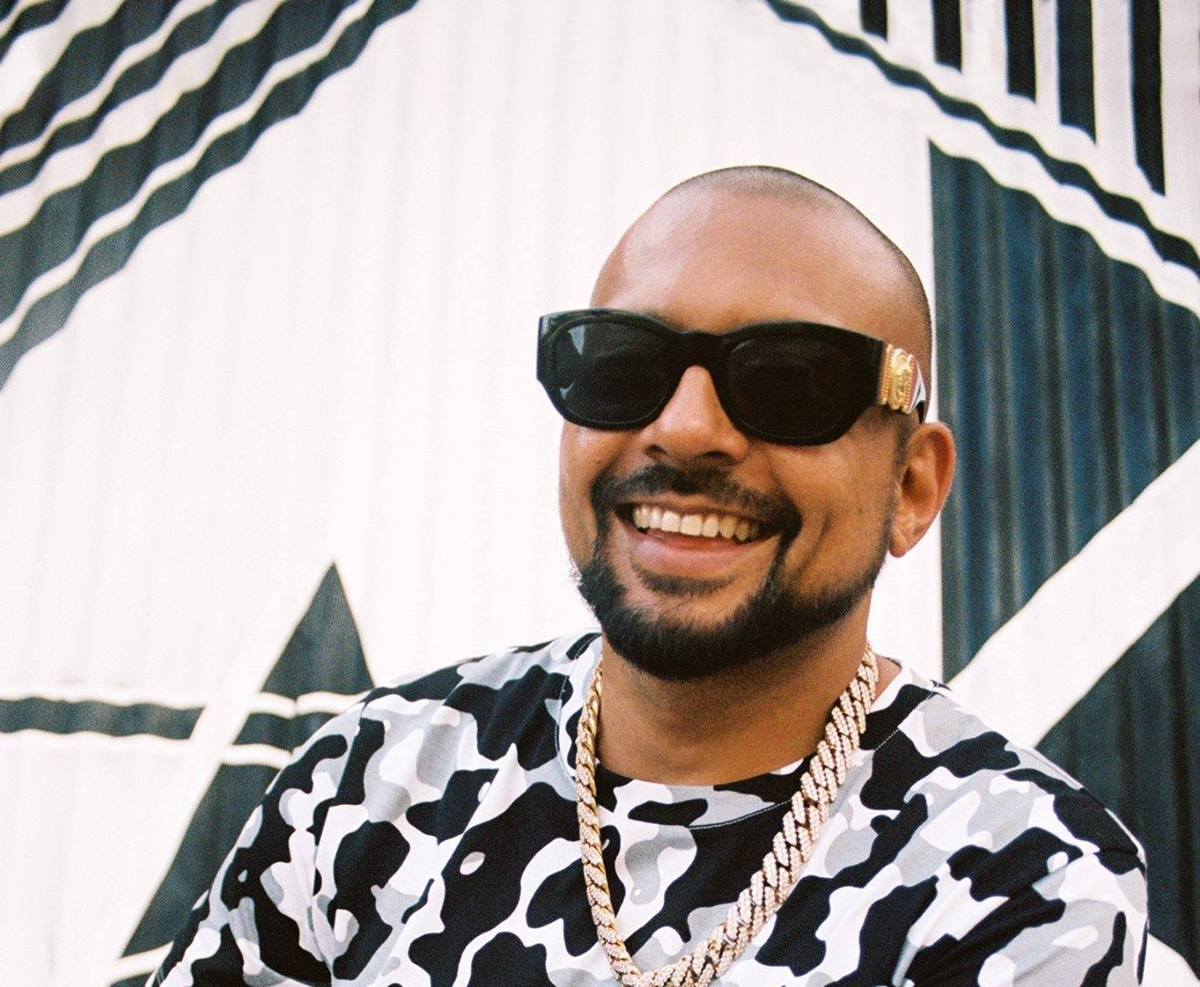
“Get Busy” kicked the door off its hinges. Sean Paul called it “mainly a party song,” and that modesty undersells what it did: the track topped the Hot 100 for three weeks in May 2003, the first time he reached No. 1.
An official “Clap Your Hands Now” remix with Fatman Scoop and the Crooklyn Clan kept it burning in clubs well past its chart run.
“Like Glue,” with its sticky hook and bouncing CD Kelly production, became a calling card of its own, while “Top of the Game” found a second life in NBA Live 2004.
When a late-2003 re-release added “Baby Boy” with Beyoncé, the album gained another chart giant. The duet sat at No. 1 on the Hot 100 for nine weeks.
Charts, Plaques and a Grammy
In the US, Dutty Rock debuted at No. 26 on the Billboard 200 with 65,000 copies, which the Jamaica Observer reports was the biggest first week for any Jamaican artist at the time.
It kept climbing to a No. 9 peak, topped the Reggae Albums chart and reached No. 1 on Top R&B/Hip-Hop Albums. Overseas it hit No. 2 in the UK and No. 1 in Canada.
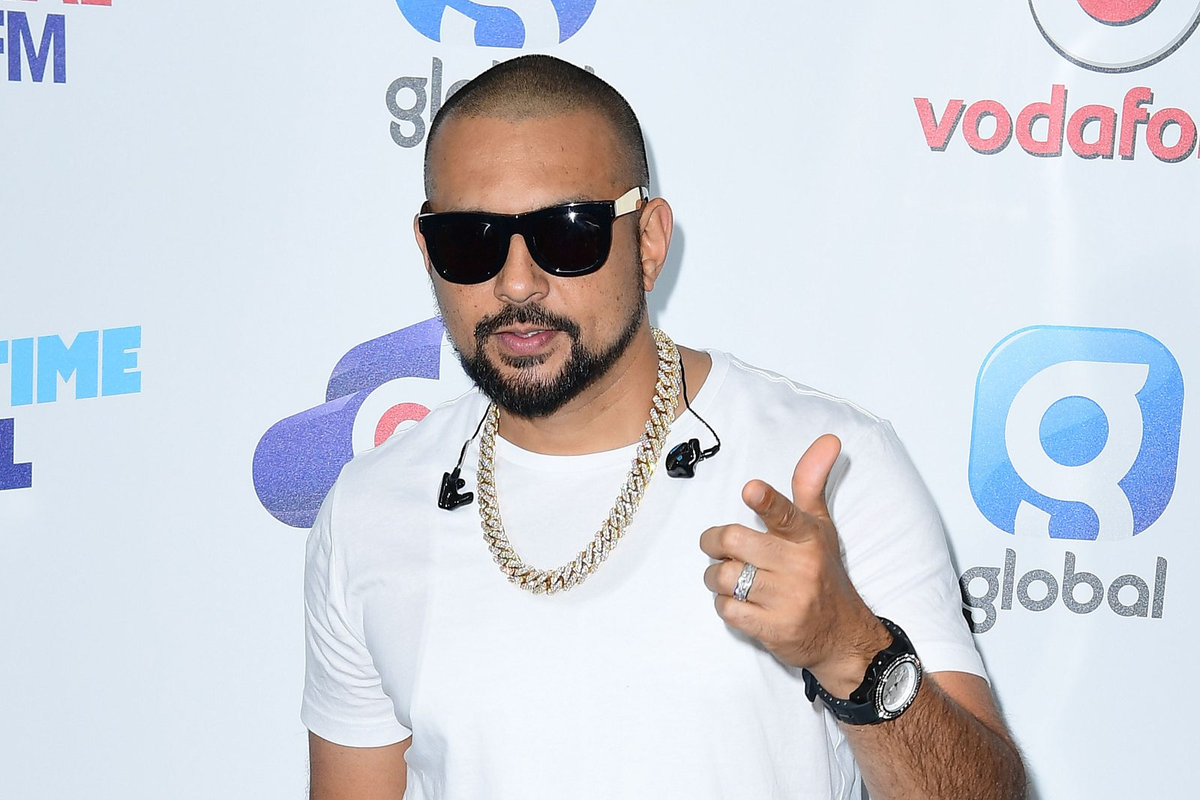
The plaques followed. The album went 2x Platinum in the US on 8 September 2003 and reached 3x Platinum in December 2022.
In Britain, the BPI certified it 3x Platinum in July 2021 for more than 900,000 units. Worldwide sales have passed six million.
In February 2004, at the 46th Grammy Awards, Dutty Rock won Best Reggae Album. The same night brought nominations for Best New Artist and, for “Get Busy,” Best Male Rap Solo Performance. It remains Sean Paul’s only Grammy win.
Twenty Years and Counting
The album’s ripple effect was immediate. Billboard notes that the spotlight swung toward Jamaica afterwards, with Beenie Man and Elephant Man scoring their highest-charting Hot 100 singles within a few years.
By 2022, with Scorcha out that May, the anniversary had become an event. Elias says he was the one who flagged it: “I pointed out to him that this was the 20th anniversary year.”
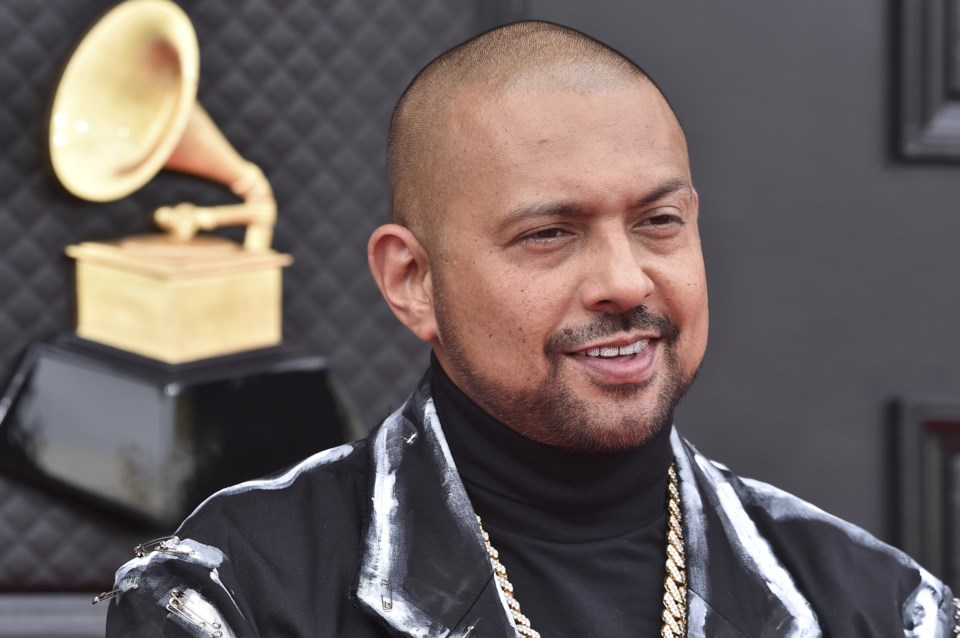
VP Records issued a 20th Anniversary Edition in November 2022, 21 tracks running about 76 minutes, alongside a clear-vinyl double LP.
On 16 November 2022, Sean Paul celebrated with a Dutty Rock 20 concert alongside Hot 97 at Webster Hall in New York, where he presented Lion Face with a plaque marking three million US copies.
He also sat for a public interview at the Brooklyn Public Library. “Twenty years flew by,” he told DancehallMag, “and I’m just thankful that songs I’ve been able to last that long.”
Why Dutty Rock Still Matters
Plenty of dancehall records have crossed over. Dutty Rock was different because it crossed over without diluting itself. The riddims came from Lenky, Steely & Clevie, Sly & Robbie and Jeremy Harding.
The voice was pure Kingston. The inspiration was a young man’s memories of sweaty yard parties, not a label boardroom.
That authenticity is why the album keeps finding new listeners. It re-entered the US Reggae Albums chart at No. 7 in the streaming era, and those hooks still detonate any dance where a selector drops them.
It proved to the industry that a Jamaican deejay could sell millions on his own terms, and it opened doors that the next wave walked straight through. As Sean Paul put it to Billboard: “I just got to give thanks to God and the fans.”