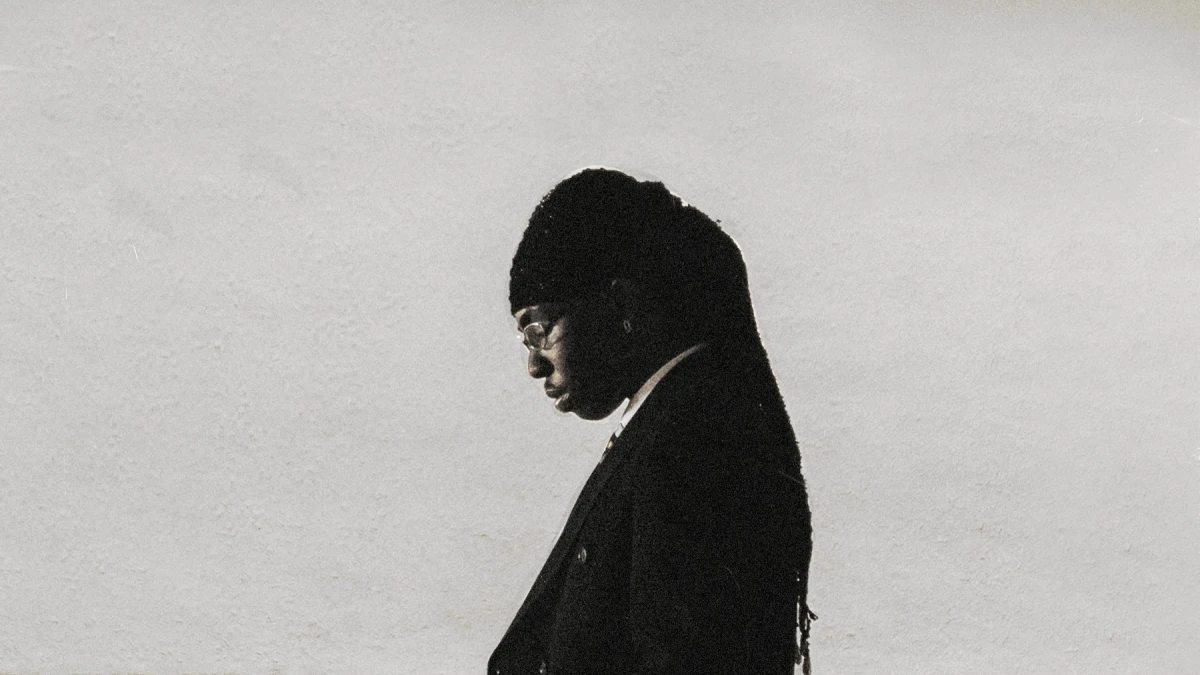


Peter Tosh never asked permission. While the world fell for Bob Marley’s warmth, the tallest of the original Wailers carried the sharper blade.
He sang about ganja, apartheid and the downpressor in a baritone that sounded like a judge reading a sentence.
Picking the best Peter Tosh songs means working through a catalogue built on defiance, from his first solo sides for Joe Gibbs to the Rolling Stones Records era that put him on Saturday Night Live.
Born Winston Hubert McIntosh on October 19, 1944, and killed in September 1987, Tosh would be celebrating another birthday this month.
It is a good moment to sit with the music again. These are the twelve tracks that tell his story best, strongest first.
1. Peter Tosh, “Legalize It” (1975)
Few records have been fought over like this one. When the single landed on 25 July 1975, RJR and JBC banned it at the Broadcasting Authority’s request. Tosh and Cowan responded by buying a full-page ad in the Daily Gleaner and printing the lyrics anyway.
The ban failed and made him famous around the world. Over a slow, self-produced groove cut at Treasure Isle and Randy’s in Kingston, Tosh makes his case like a lawyer who already knows the verdict.
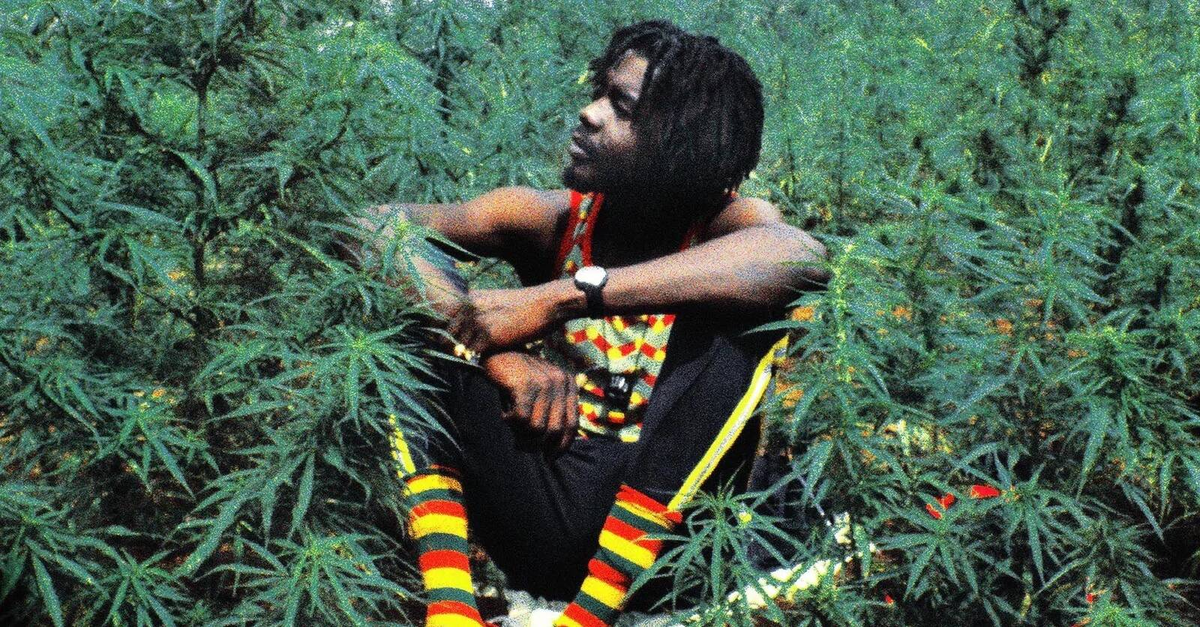
The album, with its cover of Tosh standing in a field of ganja, later went platinum. In 2025 Rolling Stone ranked the song No. 54 among the 100 Best Protest Songs of All Time. It has also served as a slogan for decriminalisation campaigns for decades.
2. Peter Tosh, “Get Up, Stand Up” (1977)
Written with Bob Marley and first cut by the Wailers at Harry J Studios in April 1973, “Get Up, Stand Up” was already part of history when Tosh chose it to open Equal Rights. His solo version leaves no doubt about who gave the song its teeth.
The Burnin’ original balances spiritual reflection with confrontation. Tosh leans into the fight, pushing the chant forward over a rhythm that marches instead of sways.
The Wailers’ recording entered the Grammy Hall of Fame in 1999, but fans keep coming back to Tosh’s reading, and it remains his highest-rated track in listener polls. Played today, it still sounds like an instruction, not a suggestion.
3. Peter Tosh, “Stepping Razor” (1977)
Joe Higgs wrote it in 1967, but Peter Tosh made it his own. “Stepping Razor” is a warning to anyone who would judge a man by appearances, because this one is dangerous. Tosh cut it for Equal Rights and again for the Rockers soundtrack.
The New York Times named it one of the year’s best songs and compared its drama to “the great punk anthems of the past.” That comparison fit, since John Peel’s listeners voted it into his 1977 Festive Fifty.
The title became Tosh’s nickname, the name of the documentary Stepping Razor: Red X and of John Masouri’s 2013 biography. Junior Byles, Sublime, Sinéad O’Connor and The Kills have all recorded it since.
4. Peter Tosh, “Downpressor Man” (1977)
Take the old spiritual “Sinner Man,” give it to a Rastaman with a grudge against Babylon, and you get six and a half minutes of judgment day. “Downpressor Man” sits second on Equal Rights and runs 6:25.
Tosh uses every second to tell the oppressor that the reckoning is coming and there will be no place to hide. The groove is relentless and patient, and the vocal carries a grim satisfaction.
The song belongs to a run of Equal Rights material, alongside “Apartheid” and “Get Up, Stand Up,” that stood with African liberation and the world’s oppressed. Fans rank it near the very top of his catalogue, and it is the purest concentration of Tosh’s fire.
5. Peter Tosh with Mick Jagger, “(You Gotta Walk) Don’t Look Back” (1978)
This was the crossover moment. Now on Rolling Stones Records, Tosh took a Smokey Robinson and Ronald White song that The Temptations first cut in 1965 and turned it into a reggae duet with Mick Jagger.
Produced by Tosh and Robbie Shakespeare for Bush Doctor, with Sly and Robbie holding down the rhythm, it went to No. 1 in the Netherlands and No. 2 in Belgium, reached No. 20 in Australia and peaked at No. 81 in the US. Tosh had opened on the Stones’ 1978 US tour, with Jagger joining him for the duet.
That December, Jagger made a surprise appearance when Tosh performed the song on Saturday Night Live. Not everyone was convinced. One 1978 DJ complained, “It’s too obviously Jagger.” Most listeners simply sang along.
6. Peter Tosh, “Johnny B. Goode” (1983)
Tosh did not want to record this one. Guitarist Donald Kinsey of Word, Sound and Power pushed him toward Chuck Berry’s rock and roll standard, and Tosh hesitated because he felt it clashed with his firebrand image.
Bunny Wailer reportedly told him to leave it alone. He recorded it anyway for Mama Africa, co-produced with Chris Kimsey, and moved Berry’s hero to the area near Mandeville.
It reached No. 84 on the Hot 100, No. 48 in the UK and No. 10 in the Netherlands. It also helped Mama Africa climb to No. 59 on the Billboard 200, the highest chart position of any Tosh album.
In 2024 it became the first Tosh song to pass 100 million Spotify streams, so the cover he resisted became the one listeners played most.
7. Peter Tosh, “Equal Rights” (1977)
If one song explains Peter Tosh’s worldview, it is the title track of his 1977 album. He recorded it at Dynamic Sounds in Kingston with Sly and Robbie on rhythm, Earl Lindo on keyboards, Al Anderson on guitar and Bunny Wailer on backing vocals. “Equal Rights” runs nearly six minutes of steady, rolling roots that refuses to hurry.
The album focuses on the struggles of Black people worldwide, with South Africa and Rhodesia foremost in his mind, and this track states its argument most clearly.
Tosh had no interest in polite appeals for calm. He wanted justice first. Nearly fifty years later, the demand still lands, largely because it has never been fully met.
8. Peter Tosh, “Apartheid” (1977)
Tosh was singing against apartheid when many of his peers had barely started thinking about it. “Apartheid,” a five-and-a-half-minute Equal Rights track, names the system and condemns it without metaphor.
He supported the song with action as well. He backed the ANC and SWAPO and often played anti-apartheid concerts for free, sometimes paying the band and crew out of his own pocket.
A decade later he came back to the subject with “Fight Apartheid” on 1987’s No Nuclear War, which showed this was a lasting commitment.
South Africa remembered him in turn, awarding him the Order of the Companions of O. R. Tambo posthumously in 2023. Few reggae records connect so directly to history.
9. Peter Tosh, “Maga Dog” (1971)
Before the Columbia deal and the stadium tours came “Maga Dog,” Tosh’s debut solo single and a major hit with the DJs.
Joe Gibbs took a song Tosh had first cut with the Wailers under Coxsone Dodd and slowed it down for the John Crow skank. That gave dancers something to move to and toasters something to ride.
The rhythm held up well enough to be reused for “Once Bitten” and “Dog Teeth.” The single also caused a rift.
Tosh reportedly split with Gibbs over money from the record, and his self-produced “Once Bitten” was allegedly aimed at the producer. It is pure sound system reggae, sharp and a little vicious, and it shows Tosh had bite from the start.
10. Peter Tosh, “Buk-In-Hamm Palace” (1979)
Only Peter Tosh would invite listeners to light a spliff and smoke it at Buckingham Palace. This Mystic Man standout mixes reggae with disco and funk.
Sly Dunbar and Robbie Shakespeare lock down a bouncing groove, Mikey Chung and Robbie Lyn fill in the space, and Ed Walsh adds Oberheim synth.
The provocative lyrics raised eyebrows, which was clearly the intention. It was built for the dancefloor and released as a 12-inch single, and the extended mix returned on the 2002 reissue.
He also played it at the 1979 Montreux Jazz Festival. It is mischievous, groove-heavy and openly confrontational, Tosh at his most playful without losing any edge.
11. Peter Tosh, “Mystic Man” (1979)
The title track of his 1979 album is Tosh’s personal manifesto, sung over tight soul horns, echoing organ and a locked-in groove that PopMatters praised. He lays out how he lives: vegetarian, no soda pop, no cocaine, no Sunday congregating.
The song presents the Rastaman as a self-made outsider who answers to Jah and nobody else. He produced it with Word, Sound and Power and released it on Rolling Stones Records.
The album cover, shot by Annie Leibovitz, shows Tosh in profile with his head cupped in his hands, quiet and watchful. The surface is smooth, but the message underneath is uncompromising, and it remains one of the most personal songs he recorded.
12. Peter Tosh, “Glass House” (1983)
The list closes with a Mama Africa deep cut that rewards close listening. “Glass House” borrows from the old proverb about people who live in glass houses and turns it into a sermon aimed at hypocrites.
A New York Times review praised the “vehemence and a preacher’s timing” Tosh brought to it, and that is exactly its appeal. He lets a line hang, then drives the point home.
The album grew out of his first trip to Africa, and his partnership with Chris Kimsey gave the EMI America era a fuller, brighter sound.
The song has since appeared on best-of compilations and in live recordings, and it remains a favourite among longtime fans.
Why Peter Tosh Still Matters
Bob Marley gave reggae its heart. Peter Tosh gave it a spine. Across these twelve songs the pattern is clear. He took on the radio ban, the producer who shorted him, the palace and the apartheid state, and he did it on records that still move a crowd. Even his crossovers with Jagger and Chuck Berry carried his conviction instead of diluting it.
Nearly four decades after his death in 1987, the fights he picked look less like rebellion and more like foresight.
Cannabis laws keep changing, apartheid has fallen, and a new generation keeps finding him through streaming. The Stepping Razor still cuts.