

Dancehall has a longer, stranger, and more triumphant relationship with the Billboard Hot 100 than most music fans realize.
The genre did not simply enjoy a few novelty crossovers. It produced some of the most commercially dominant singles in Hot 100 history, placed songs at number one across four separate decades, and shaped the sound of pop music far beyond what the chart’s raw numbers suggest.
This is the definitive timeline of dancehall Billboard history: the records, the artists, the chart positions, and the cultural context that made each moment matter.
What Counts as a Dancehall Song on the Hot 100?
Before diving into the timeline, a framing note. The question of what qualifies as a “dancehall song” on the Hot 100 is genuinely contested.
Scholars and fans draw lines differently: some insist on strict patois delivery and Jamaican production; others allow any song built on the dembow or dancehall riddim framework.
This article takes a broad but defensible view. Songs recorded by artists working explicitly within the dancehall tradition, or songs built on unmistakable dancehall production and credited to dancehall artists, are included.
Songs that merely sample a dancehall element while being classified as pop or hip-hop in every other sense are noted but distinguished from the primary timeline.
The Timeline
In March of 1993, “Informer” by Canadian singer and dancehall artist Snow was the number one song on the Billboard Hot 100 for seven weeks in a row.
The chart run remains one of the most extraordinary in Hot 100 history, and its cultural context was equally strange.
Snow grew up in a North York, Toronto housing project surrounded by Jamaican neighbours whose dancehall music became his defining influence despite his Irish-Canadian heritage.
He watched “Informer,” his debut single, reach number one on the US Billboard Hot 100 for seven weeks while he was serving a prison sentence for assault, then was denied entry to the United States because of his criminal record, meaning he could not tour the country where his song was number one.
“Informer” played a pivotal role in globalizing dancehall music by becoming the first track in the genre to reach number one on the Billboard Hot 100 in 1993, elevating it from an underground Jamaican style to mainstream pop accessibility for broader audiences, particularly in North America and Europe.
Before “Informer,” dancehall was essentially an underground phenomenon. It was popular in clubs and sometimes on rap radio, but it never threatened pop dominance. The seven-week number one changed that calculus permanently.
A caveat for purists: Snow was a Canadian of Irish descent performing in Jamaican patois, and as a white Canadian artist authentically mimicking patois over a reggae beat, Snow’s performance was hailed as a novelty that bridged cultural gaps, though it also sparked debates on authenticity in a genre rooted in Black Jamaican experiences. Those debates remain valid. What is not debatable is the chart record.
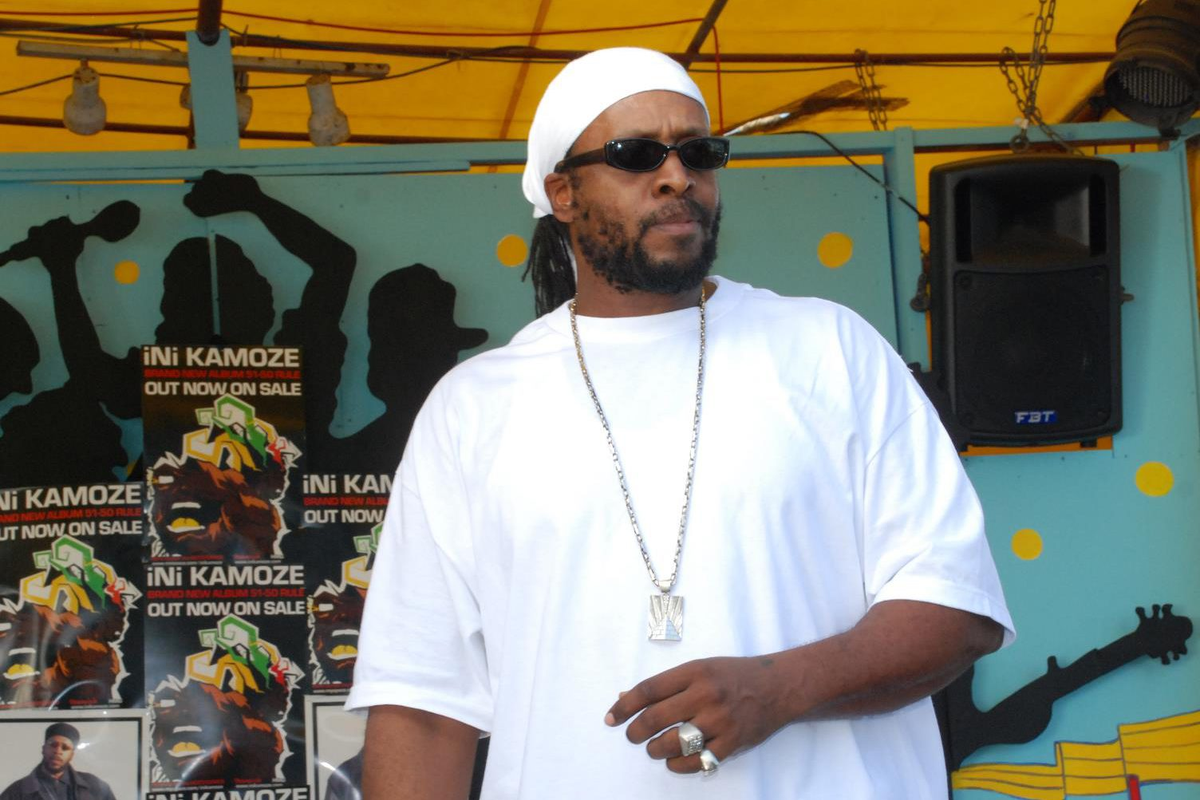
“Informer” opened a door, and Ini Kamoze walked through it as the first Jamaican dancehall artist to reach the summit of the Hot 100.
Released as a single on August 18, 1994, “Here Comes The Hotstepper” became the first dancehall song by a Jamaican artist to reach number one on the US Billboard Hot 100 chart, where it stayed for two weeks in December 1994.
The production story is rich. Kamoze had done a song produced by Phillip “Fattis” Burrell titled “Hot This Year/Hot Stepper” in 1990, and with new lyrics and a funkier dancehall bop produced by Salaam Remi, it became “Here Comes The Hotstepper.” The single spent a total of 30 weeks on the chart, entering first on September 17, 1994.
The production pathway matters for understanding dancehall Billboard history: Remi recalled in a 2019 Instagram post how he met Kamoze in 1991 and created his first Billboard number one hit. In terms of promotion, Remi noted that Hot 97 DJs initially gave the track some airplay.
That Hot 97 connection, the central node of New York Caribbean-American culture, explains how the record crossed from the dancehall circuit to the mainstream pop chart.
The song was included on the soundtrack to Robert Altman’s film Ready to Wear, a context that gave it both a commercial boost and a wider cultural footprint.
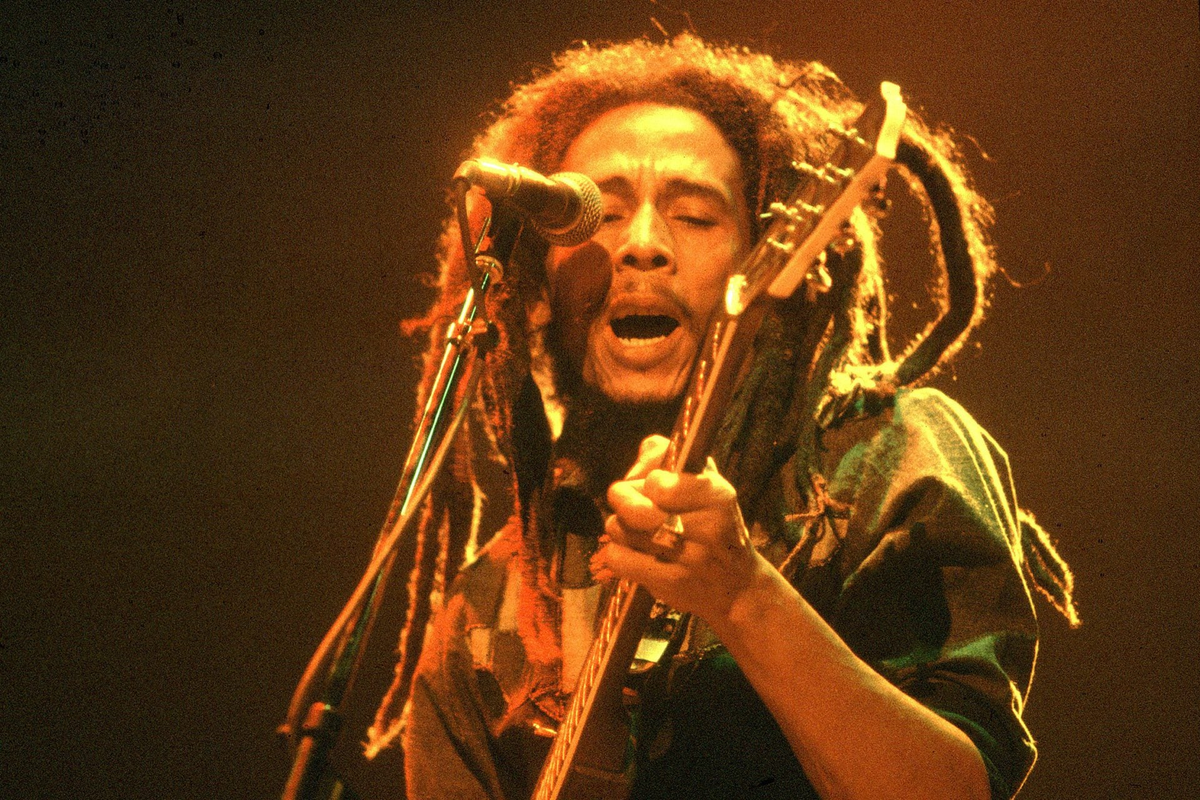
Remarkably, reggae’s biggest star, Bob Marley, is yet to earn a Billboard Hot 100 number one, but Ini Kamoze gave dancehall its first Billboard Hot 100 number one by a Jamaican artist.
No single year in dancehall Billboard history matches 2001 for sheer dominance. Kingston-born Orville “Shaggy” Burrell placed two separate songs at number one on the Hot 100 within months of each other, an achievement that has never been repeated by a dancehall act.
“Inspired by Eddie Murphy’s 1987 Raw comedy special, ‘It Wasn’t Me’ became Shaggy’s first Billboard Hot 100-topper in February 2001, as well as the UK’s best-selling single of that year, and a Grammy nominee for best pop collaboration with vocals.”
The song held the number one spot for two weeks in February 2001 and remained on the chart for 25 weeks. The track ended the eleven-week reign at the top by Destiny’s Child’s “Independent Women Part I.”
The commercial sweep was global. The single topped the charts in Australia, Flanders, France, Ireland, the Netherlands, Poland, the United Kingdom, and the United States.
In 2000, Shaggy released Hot Shot, which was certified 6x Platinum in the US. Fuelled by “It Wasn’t Me,” Hot Shot climbed to the top of the Billboard 200 and reigned for six non-consecutive weeks.
Then came the encore. A month later, “Angel” followed “It Wasn’t Me” to number one on the Hot 100 and topped the charts in 11 other countries.
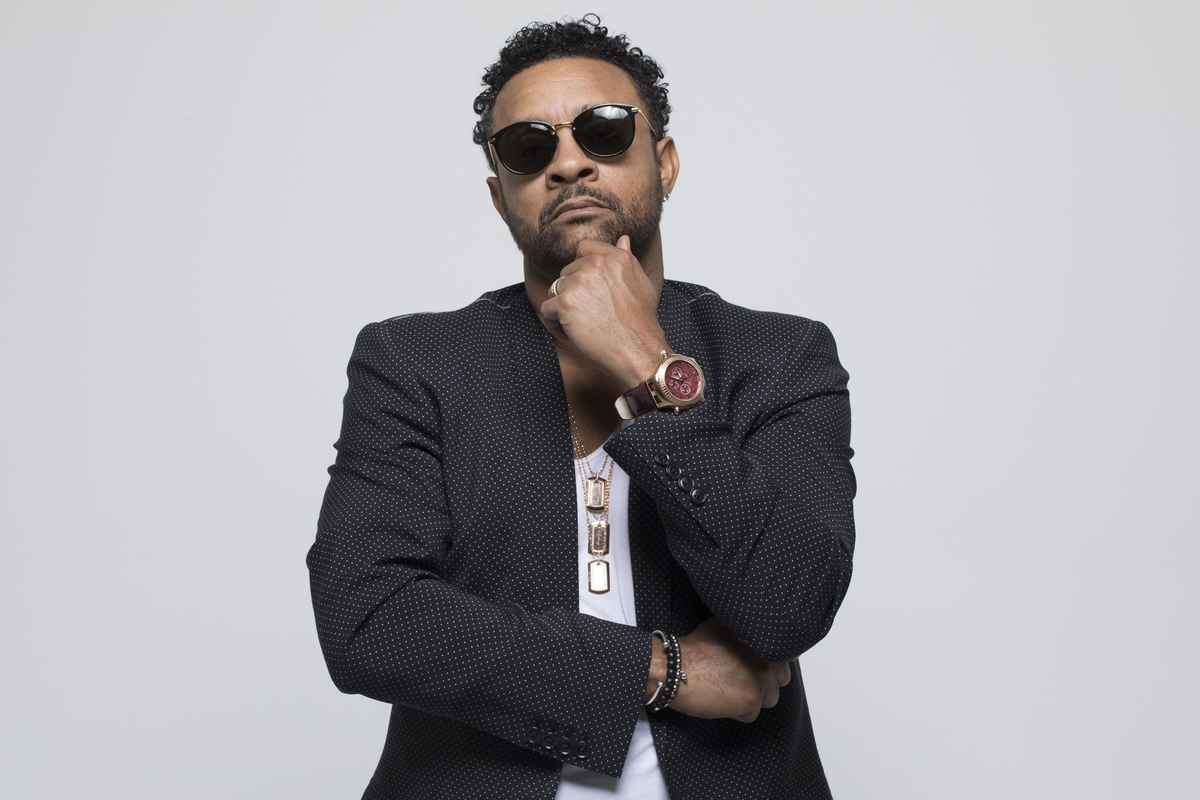
Dancehall had blossomed as one of the millennial generation’s most influential genres, but at the turn of the 21st century, it was still a foreign sound that mainstream executives did not see as profitable, until 2001, when Shaggy shattered all hesitations and expectations
If Shaggy proved 2001 was not a fluke, Sean Paul confirmed that dancehall had permanently arrived in the American mainstream.
Number one hit “Get Busy,” from Paul’s Grammy Award-winning Dutty Rock album, became a party anthem when it was released in January 2003.
By May 9th that year, “Get Busy” had climbed to the top of the chart, featured on Saturday Night Live, reached number one in Italy and the Netherlands, and was a top-ten hit in 11 other countries.
The “Diwali” riddim, produced by Lenky Marsden, was fresh, exciting, and different. It was also the engine behind what came next. The song spent 32 weeks on the Hot 100.
Later that same year, Sean Paul appeared on Beyonce’s “Baby Boy,” a feature that extended his run at the top of the chart. Baby Boy is a song by Beyonce featuring Jamaican dancehall musician Sean Paul, from her debut solo studio album, Dangerously in Love (2003).
“Baby Boy” topped the US Billboard Hot 100 for nine consecutive weeks, making Sean Paul one of the most chart-dominant forces in the country across a single calendar year.
With the combined chart run of “Get Busy” and “Baby Boy,” dancehall artist Sean Paul became the most successful Jamaican-born artist in terms of chart performance on the Billboard Hot 100.
The Barbadian artist who would become one of the Hot 100’s most decorated performers in history announced herself to America with a song rooted in dancehall. Rihanna’s first single, “Pon de Replay,” was a hit, reaching No. 2 on the Hot 100.
Rihanna’s debut single introduced her to the world with its dancehall influences and catchy beat. The song, which samples the Diwali Riddim, launched her career and paved the way for her future hits.
“Pon de Replay” did not reach number one in the United States, but it established the sonic baseline for Rihanna’s career and demonstrated that the Diwali Riddim, the same backbone Sean Paul had ridden to the summit two years earlier, still had mass-market appeal.
Three years after “Get Busy,” Sean Paul returned to the summit. Released in December 2005, “Temperature” reached No. 1 on the Billboard Hot 100 the following year to become Paul’s third US number one single.
“Temperature,” produced by Rohan “Snowcone” Fuller on the Applause Riddim, was released as a single on December 5, 2005, and has remained one of the genre’s most enduring anthems.
Throughout 2006, “Temperature” sold 1,533,362 digital copies in the United States. That figure, remarkable for a mid-2000s digital sales era, underlines the song’s staying power.
Sean Paul placed 10 songs on the Billboard Hot 100, five of which reached the top 10, including two number ones in his own name.
Between “Baby Boy,” “Get Busy,” and “Temperature,” he accounts for three Hot 100 chart-toppers in three years, an almost unparalleled run for any genre artist in that period.
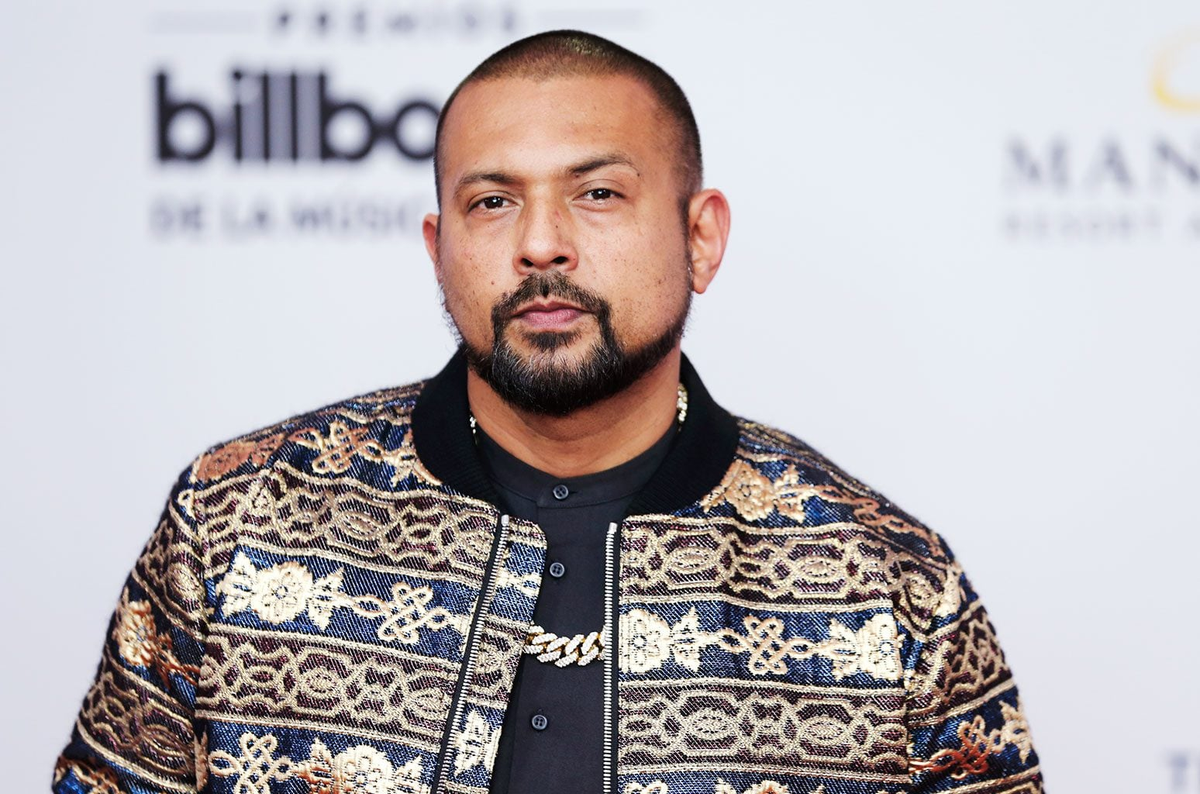
Decades later, the track’s longevity remains astonishing. Dancehall icon Sean Paul reached a historic milestone as his 2005 hit “Temperature” surpassed 1 billion streams on Spotify.
That breakthrough, confirmed in early 2025, validated what longtime fans already knew: the track has never stopped moving crowds.
Easily one of Rihanna’s most influential and widely-listened songs, “Rude Boy” was a throwback to the dancehall “Rude Bwoy” and an ode to the genre’s impact on Rihanna’s style and success. She manages to keep the reggae and dancehall roots of the song while making it fit for pop consumption.
The song peaked at No. 1 on the US Billboard Hot 100 and No. 2 on the UK Singles Chart, and was certified 5x Platinum in the US.
“Rude Boy” matters in the dancehall Billboard history timeline because it arrived from a Barbadian artist, not a Jamaican one, deepening the genre’s footprint across the Caribbean diaspora.
Rihanna’s relationship with dancehall was not ornamental. It was foundational to her artistic identity from her very first single.
OMI, born Omar Samuel Pasley in Jamaica, first recorded “Cheerleader” in 2012. The song’s path to global domination was indirect but overwhelming.
The song was propelled internationally in 2014 after German producer and DJ Felix Jaehn released the remixed version, which went to the top charts in North America, Mexico, the UK, Australia, and several European countries.
“Cheerleader” spent six nonconsecutive weeks at number one on the Billboard Hot 100, went five-times platinum, and garnered over six million Spotify weekly streams at its peak.
The “Cheerleader” phenomenon illustrated how the streaming era could create a new kind of chart trajectory for dancehall: a slow international burn, amplified by a remix, that eventually overwhelmed the American pop chart.
According to DancehallMag’s compiled data, “Cheerleader” is the most streamed Jamaican song of all time.
“Work,” released in January 2016 as the lead single from Rihanna’s album ANTI, is the most uncompromising piece of dancehall to reach the summit of the Hot 100 in the chart’s history.
Unlike the crossover moves of the 1990s and 2000s, “Work” made no concessions to mainstream pop production orthodoxy: it was built on deliberate, skeletal dancehall architecture from top to bottom.
The song reached No. 1 on the Billboard Hot 100, making it the first dancehall track to top the chart since “Rude Boy” in 2010, and later earned nominations for Record of the Year and Best Pop Duo/Group Performance at the 59th Grammy Awards.
Written by Jamaican-American artist PartyNextDoor and produced by Kingston-born Boi-1da, “Work” takes production cues from mid-1990s dancehall hits.
The song is certified 9x Platinum by the RIAA and peaked at No. 1 on both the Billboard Hot 100 and the UK Singles Chart.
“Work” is in many respects the apex of dancehall Billboard history. It reached the summit not by softening the genre for pop radio but by bringing the genre’s most distinctive qualities, patois-heavy delivery, dembow-adjacent rhythm, and a deliberately opaque production aesthetic, directly to the top of the American mainstream.
The genre’s Hot 100 presence did not cease after 2016. YG Marley has been climbing the charts thanks to his breakout hit “Praise Jah in the Moonlight,” which recently became his first Billboard Hot 100 top-40 hit, reaching No. 39.
The chart moment, arriving in early 2024 amid the theatrical success of the Bob Marley biopic One Love, demonstrated that the next generation of Jamaican artists retains a pathway to mainstream American chart visibility.
Key Themes Across the Timeline
Every major dancehall Hot 100 breakthrough has involved the Caribbean diaspora in the United States as a bridge.
Hot 97 in New York gave Ini Kamoze his earliest American airplay. Sean Paul’s Dutty Rock era coincided with a period of intense Jamaican-American cultural output across New York, Atlanta, and Miami.
Rihanna’s Barbadian roots connected her to a broader Afro-Caribbean audience that was growing in influence and spending power. The chart history of dancehall is inseparable from immigration patterns and diaspora culture.
Several of the most important dancehall Hot 100 entries share production DNA. The “Diwali” riddim, produced by Lenky Marsden, powered Sean Paul’s “Get Busy.” The same riddim framework gave Rihanna’s “Pon de Replay” its infectious backbone.
Understanding dancehall Billboard history requires understanding how a single riddim can carry multiple chart entries across multiple years.
Of all the dancehall songs that have reached the Hot 100, only a handful have reached number one. Sourced and verified number ones attributable to the dancehall tradition include:
- Snow, “Informer” (1993, 7 weeks at No. 1)
- Ini Kamoze, “Here Comes The Hotstepper” (1994, 2 weeks at No. 1)
- Shaggy ft. RikRok, “It Wasn’t Me” (2001, 2 weeks at No. 1)
- Shaggy ft. Rayvon, “Angel” (2001, No. 1)
- Sean Paul, “Get Busy” (2003, No. 1)
- Beyonce ft. Sean Paul, “Baby Boy” (2003, 9 weeks at No. 1)
- Sean Paul, “Temperature” (2006, No. 1)
- Rihanna, “Rude Boy” (2010, No. 1)
- OMI, “Cheerleader” (2015, 6 weeks at No. 1, nonconsecutive)
- Rihanna ft. Drake, “Work” (2016, No. 1)
Not all of these are undisputed as pure dancehall. Snow’s status as an Irish-Canadian performing in patois, and the pop-reggae fusion nature of some Shaggy and OMI records, are points of legitimate debate. What cannot be debated is the chart record itself.
Why Dancehall Billboard History Still Matters in 2026
The genre’s Hot 100 timeline is not simply a record of past achievement. It is an ongoing argument. Sean Paul’s “Temperature” entered Spotify’s Billions Club following his 2016 collaboration with Dua Lipa.
In 2023, “Temperature” was the second most-streamed dancehall song on Spotify, a testament to its longevity and global appeal.
The streaming era has made dancehall’s Hot 100 footprint less episodic and more continuous. Songs that peaked on the chart years or decades ago now accumulate billions of streams and re-enter public consciousness through sync deals, social media, and international remix circuits.
Ini Kamoze’s “Here Comes The Hotstepper” re-peaked at number one on the US iTunes Reggae Songs chart for two weeks in May 2024, after it was synced in a new Starbucks commercial that began airing on May 8.
Dancehall’s relationship with the Billboard Hot 100 began with a white Canadian recording in Jamaican patois from a Toronto prison cell, and it evolved into one of the most consistent genre crossover stories in American chart history.
The numbers are the evidence. The genre earns its place in the record books, and it has done so in four separate decades.