

Gospel singer JoZee may have grown up in Chicago with Sicily in her blood, but reggae has been beating in her heart since she was a little girl.
Now, after a musical journey that has taken her from performing at age nine to studying music at DePaul University, landing a recording deal with Quincy Jones’ Qwest Records and eventually finding her calling in Christian music, the Italian-American singer is stepping confidently into reggae gospel with her new single, “Who God Says I Am.”
And for JoZee, this isn’t a musical costume. It is the fulfillment of a dream that began decades ago.
Now the Italian-American gospel singer is turning a childhood obsession with reggae into a full-circle musical moment with Who God Says I Am, her first reggae gospel album, produced by veteran Jamaican hitmaker Danny Brownie for Main Street Records.
The 15-track project, due October 6, 2026, explores faith, identity and the deceptively simple question at its core: Who does God say I am?
For JoZee, reggae isn’t a new experiment.
“I have loved reggae music since I was a little girl,” she said, recalling Third World’s classic “96 Degrees In The Shade” as one of the first reggae songs to grab her attention.
From there, she went digging.
Bob Marley, Peter Tosh, Jimmy Cliff, Jacob Miller and Marcia Griffiths became part of her musical education before she ventured deeper into Jamaican music through Eek-A-Mouse, Barrington Levy, Yellowman, Super Cat and Shabba Ranks.
“It’s been my favorite genre of music and I’ve always dreamt about recording reggae music,” JoZee said. Growing up in Chicago, however, presented a problem: she couldn’t find the authentic Jamaican producers she wanted to work with.
The irony is that JoZee’s childhood soundtrack couldn’t have been more eclectic.
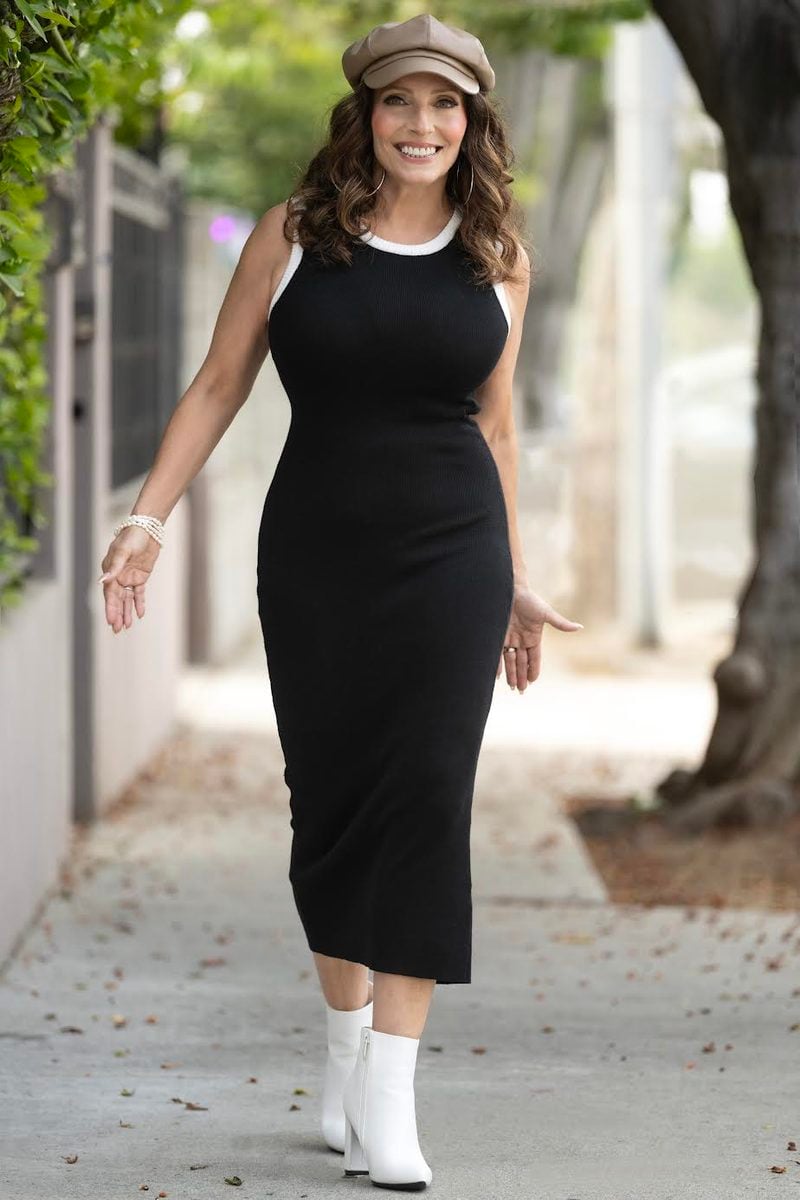
Growing up around her parents’ Sicilian restaurant, she absorbed everything from Stevie Wonder and Frank Sinatra to Pavarotti, Led Zeppelin, Barbra Streisand and Bob Marley.
It was a musical melting pot before she even knew she was in one.
And despite the thousands of miles separating Sicily and Jamaica, JoZee believes the two islands share more cultural DNA than outsiders might imagine.
“Sicilians are very proud and passionate people just like Jamaicans,” she said, pointing to the importance both cultures place on food, family, respect, discipline and hard work.
Her own family story carries plenty of hustle. Her immigrant grandparents started with a hot-dog stand that eventually grew into the family’s restaurant business.
“We understand the hustle and hard work a family puts into providing and trusting God to make ends meet,” she said. “My connection with Jamaican culture truly happened effortlessly.”
Still, an Italian-American woman entering reggae—and particularly a genre carrying Jamaica’s complicated cultural, political and spiritual history—knows questions about authenticity will come.
JoZee isn’t running from them.
“My mission isn’t to sound Jamaican,” she said. “It’s to minister the word of God through a genre of music I am genuinely passionate about.”
If she expected Jamaica to greet her with folded arms, she says the opposite happened.
JoZee admits she initially worried about how Jamaican listeners would receive her, but says the response has been overwhelmingly supportive. Curiously, she says most of the limited skepticism she has encountered has come from Americans rather than Jamaicans.
Enter Danny Brownie
JoZee’s long-distance love affair with Jamaican music finally became something tangible through veteran Jamaican producer Danny Brownie.
And it happened almost by accident.
Brownie and JoZee’s husband had been friends for years. During a Christmas vacation in Jamaica in 2023, the couple stayed at the producer’s home. One afternoon, Brownie asked JoZee to help with an idea in his studio.
A casual session suddenly became something much bigger.
“Before we knew it, we had written and recorded the very first song for my album,” she recalled.
Brownie’s influence would go far beyond simply building riddims.
JoZee describes him as a master of vocal production who drilled two deceptively simple lessons into her: “stick to the melody” and “ride the rhythms.”
“Danny always knows what to do to get a heartfelt performance out of you,” she said. “He’s a perfectionist, and his ear is impeccable.”
That combination of Jamaican production discipline and JoZee’s considerable formal training has helped bring her latest chapter into focus.
She began performing at just nine years old and later earned a full scholarship to DePaul University’s School of Music. The training sharpened her sight-reading abilities as well as her skills in composing and arranging, while making her a stronger session vocalist.
But reggae kept calling.
Even when JoZee recorded a rock-edged Christian album in 2016, she couldn’t resist sneaking some Jamaican flavour into the mix. On “First Love Letter,” she wanted a dancehall breakdown, leading her husband to contact Brownie about getting gospel deejay Prodigal Son for a feature.
The collaboration proved prophetic.
“It’s the vehicle that God orchestrated for me,” JoZee said of reggae gospel. “He knows the desires of my heart.”
From Quincy Jones to a Higher Calling
Long before reggae gospel became her mission, however, one of the most celebrated figures in American music had already spotted something special in JoZee.
Her song “Heavy Heart” brought her to the attention of legendary producer Quincy Jones and eventually led to a deal with his Qwest Records.
JoZee remembers sitting at a piano and performing the song for Jones. His response was swift.
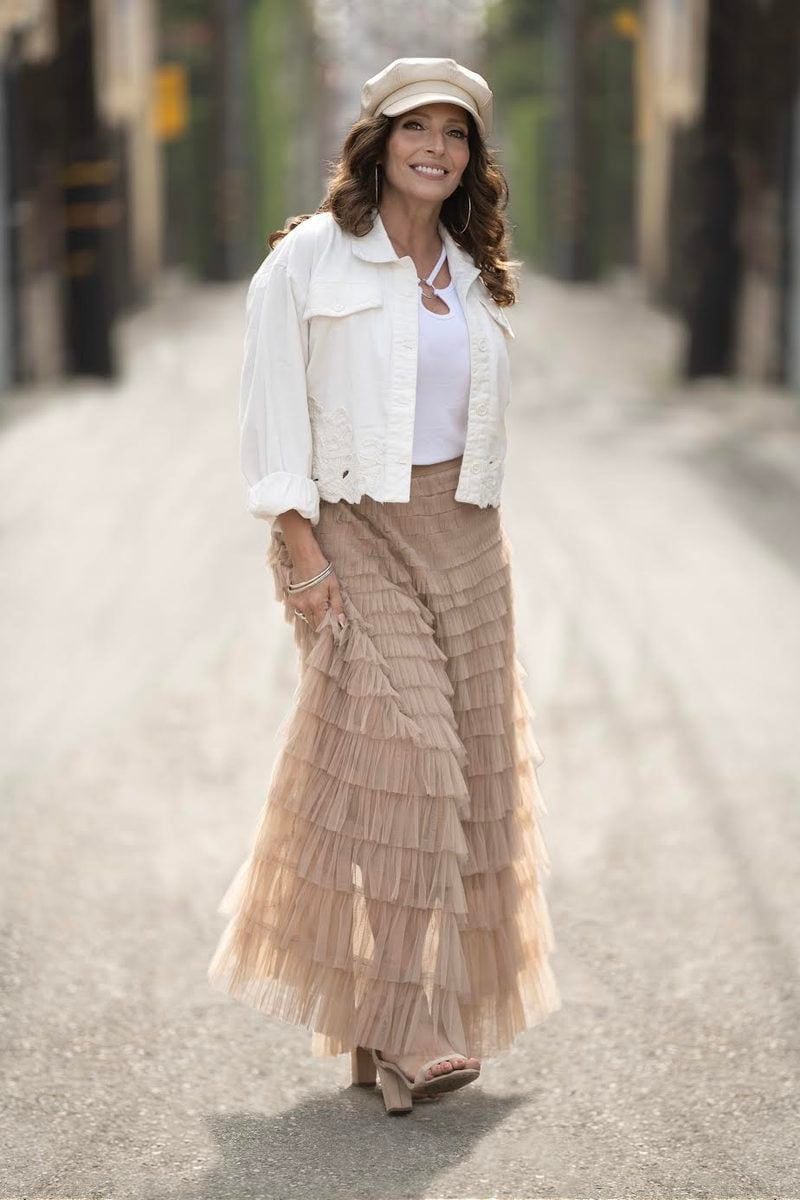
“After Quincy had asked me to sit at the piano and perform that song, he called his attorney and a major record and publishing deal was faxed to me the very next morning,” she recalled. “He believed in me from the start and was excited to fully support the vision.”
The experience also gave her a front-row seat to an era of the record business when labels invested heavily in developing talent.
JoZee believes something has been lost along the way.
“Nowadays, I don’t see much artist development happening,” she said, arguing that the industry has become increasingly preoccupied with “social media likes, streams, and followers.”
Perhaps that is what makes “Who God Says I Am” such a fitting record for this stage of her journey.
In an industry obsessed with numbers telling artistes who they are—followers, views, streams, likes and chart positions—JoZee’s new single points toward a different source of validation.
“Who God Says I Am” puts identity, faith and purpose at the centre of the conversation.
For JoZee, the road to this moment has been anything but straight: a Sicilian-American childhood in Chicago, classical and contemporary influences colliding under one roof, formal musical training, a major-label opportunity with Quincy Jones, Christian music and, finally, an authentic Jamaican production relationship that allowed a childhood fascination with reggae to become reality.
Through it all, reggae never stopped tugging at her sleeve.
Now she isn’t merely listening to it.
She’s using it to minister.
And with “Who God Says I Am,” JoZee appears less interested in telling listeners who she is than reminding them where, in her view, the answer should come from.
Not the charts. Not the comments. Not the likes.
Who God says you are.