

Pop music’s debt to dancehall runs deeper than most listeners realize. Behind some of the biggest-selling, most-streamed records of the past two decades sits a pulsing Jamaican rhythm, the riddim, that producers and mainstream artists have borrowed, interpolated, and outright sampled to reach the top of the Billboard Hot 100.
This explainer breaks down ten genuine pop songs built on dancehall beats, names the producers who built those beats, and lays out exactly what makes each track part of the tradition.
What Is a Riddim, and Why Does It Keep Appearing in Pop?
In Jamaican music, a riddim is the instrumental track behind a song, often built around drums, bass, and melody.
The defining rhythm of modern dancehall, and the one most responsible for its infiltration of global pop, is the dembow.
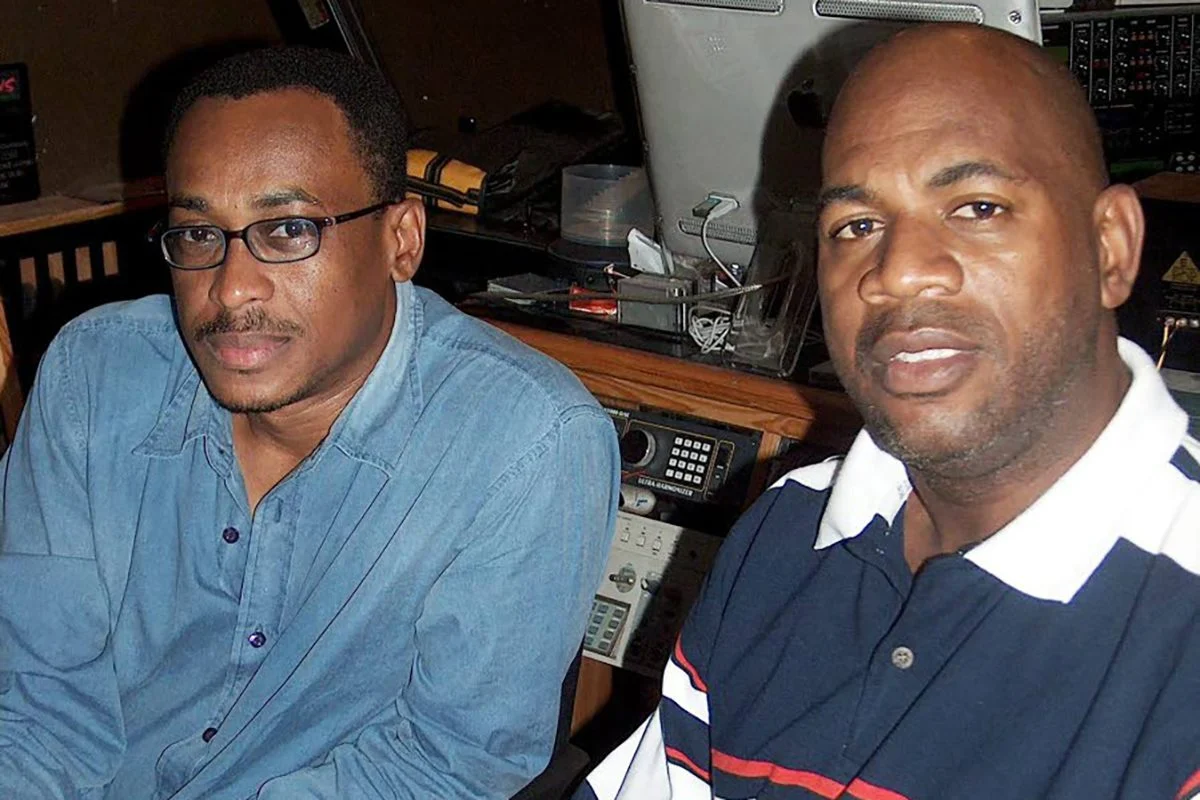
Dancehall producers Steely and Clevie are generally credited with creating the “riddim” that was first highlighted in the song “Dem Bow” by Shabba Ranks in 1991.
From that single source, a groove spread from Kingston to San Juan to London to Los Angeles, turning up in records the listening public never thought to file under Jamaican music.
The dancehall genre trend of reusing beats, also known as “reworking,” is still evident in dancehall pop, with many artists sampling old-school dancehall track instrumentals known as riddims.
The ten songs below demonstrate exactly how that process plays out at the highest levels of the pop industry.
1. Beyonce ft. Sean Paul, “Baby Boy” (2003)
Both Beyonce and Sean Paul co-wrote “Baby Boy” with Robert Waller, Jay-Z, and Scott Storch, who produced it with Beyonce.
The song is a dancehall and R&B record with Caribbean and Indian influences. The dancehall dimension is not cosmetic, Sean Paul, a Kingston-born recording artist, is a full creative partner on the track, not a guest feature added in post-production.
The song topped the US Billboard Hot 100 for nine consecutive weeks, making Sean Paul one of the most chart-dominant forces in the country across a single calendar year.
With the combined chart run of “Get Busy” and “Baby Boy,” dancehall artist Sean Paul became the most successful Jamaican-born artist in terms of chart performance on the Billboard Hot 100.
2. Wayne Wonder, “No Letting Go” (2003)
This one belongs on any list of pop songs dancehall beats built from the ground up because the riddim in question is one of the most consequential in the genre’s history.
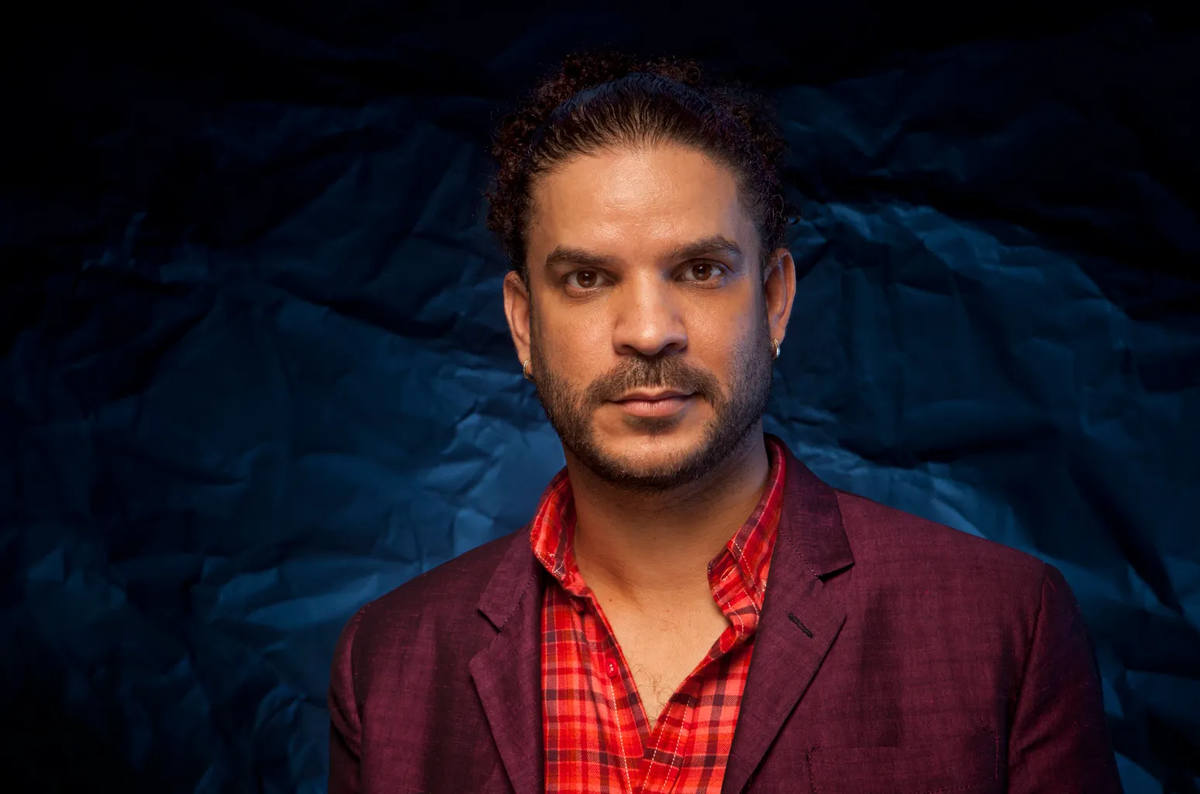
The song is built on the Diwali Riddim, a handclap riddim also produced by Steven “Lenky” Marsden. The Diwali Riddim was also used by several other artists that year, including Sean Paul, Lumidee, and Missy Elliott. The single reached No. 11 in the US and No. 3 in the UK.
The Diwali Riddim’s handclap pattern and buoyant bass line make “No Letting Go” among the clearest examples of a single Jamaican instrumental lifting multiple pop careers simultaneously.
3. Sean Paul, “Temperature” (2006)
Although Sean Paul is a dancehall artist, his records consistently crossed into mainstream pop formatting, radio playlisting, and chart performance. “
Temperature” reached No. 1 on the Billboard Hot 100 in 2006. The song’s production is a textbook example of how a dancehall riddim can be packaged for pop radio without erasing its original rhythmic identity.
Its snapping percussion and swinging bass-line follow the dembow framework that Steely and Clevie codified years earlier, carrying the groove into territories, country radio crossover attempts, NBA arena playlists, that the Kingston dancehall of the 1980s would never have predicted.
4. Rihanna, “Work” (2016)
Rihanna built “Work” on a riddim with documented Jamaican roots. The most recognizable sampling found in the “Work” riddim is from the 1998 riddim “Sail Away,” produced by Richie Stephens and Mikey 2000, interpolating Alexander O’Neal’s “If You Were Here Tonight.”
When the song’s music was finished, Boi-1da sent it to PartyNextDoor, who wrote the lyrics. “He’s an incredible writer, and he’s Jamaican as well. I think that’s how he’s able to come up with those vibes and feels,” noted Thomas.
PartyNextDoor originally wrote the record as a breakup song; after Drake heard the song and loved it, he decided to write and record a verse as well.
“Work” reached No. 1 on the Billboard Hot 100 in 2016. Its patois-inflected vocal phrasing and the repetitive, churning riddim beneath it made it among the most authentically dancehall-rooted pop chart-toppers in the Hot 100’s history.
5. Justin Bieber, “Sorry” (2015)
Written by Bieber, Julia Michaels, Justin Tranter, Skrillex, and BloodPop, and produced by the latter two, “Sorry” was released on October 23, 2015.
A dancehall pop, tropical house, and moombahton song, it contains “brassy horn bleats,” warm island rhythms, and a bouncy dembow riddim drum beat.

The pulsating boom-ch-boom-chk beat that drives the song is known as the dembow rhythm, named for the 1990 classic “Dem Bow” by Jamaican reggae artist Shabba Ranks. The song is certified Diamond in Australia, Brazil, France, Mexico, Poland, and the United States.
The syncopated groove found its way from dancehall and reggaeton music of the 1990s to pop songs of the 2010s, showing up on hits like Sia’s “Cheap Thrills,” Drake’s “One Dance,” and Ed Sheeran’s “Shape Of You.”
6. Drake ft. Wizkid and Kyla, “One Dance” (2016)
“One Dance” is an R&B song with dancehall and Afrobeats inflections from Drake’s fourth studio album Views. The sample it features is a slowed-down sample of the vocals and chord stabs from a 2008 UK funky house anthem, Kyla’s “Do You Mind,” produced by Crazy Cousinz.
Drake brought the idea of sampling “Do You Mind” to Paul Jefferies, the Canadian producer known as Nineteen85, who worked on a bunch of Drake’s biggest hits, including “Hotline Bling,” and turned that sample into a beat.
The dancehall influence is more obvious in “One Dance” as Drake sings in a Jamaican patois and also incorporates Afrobeat, with an appearance by Nigerian pop singer Wizkid.
The song reached number 1 on the singles chart in 15 different countries, including the UK, the US, and Drake’s native Canada. It became the first song to hit one billion streams on Spotify.
7. Drake, “Controlla” (2016)
From the same album that produced “One Dance,” “Controlla” makes the dancehall influence explicit in both sound and writing credits.
Listed as a dancehall song, it was written by Drake alongside Matthew Samuels, Dwayne Chin-Quee, Stephen McGregor, Moses Davis, and others, and produced by Boi-1da, Supa Dups, Di Genius, and Allen Ritter.
It reached number 27 in Canada, number 18 in the UK, and number 16 on the US Billboard Hot 100. It was the second dancehall single released from Views, alongside “One Dance” and “Too Good.”
The presence of Supa Dups and Di Genius, two of Kingston’s most respected studio architects, in the production credits ensures the riddim framework is genuine rather than approximate.
8. Sia ft. Sean Paul, “Cheap Thrills” (2016)
A dancehall and pop song from Sia’s seventh studio album This Is Acting, “Cheap Thrills” was written by Sia and Greg Kurstin, and produced by Kurstin.
The song followed the same pipeline as “Shape of You”, it was originally supposed to be a Rihanna song, just as “Shape of You” was also written with Rihanna in mind.
Sean Paul’s remix version amplified the dancehall dimension, adding the Kingston veteran’s flow directly onto Kurstin’s dembow-adjacent production.
The song is classified by Wikipedia as dancehall and pop, with the drum programming following the syncopated off-beat logic that defines riddim construction.
Its chart run placed it among the most commercially successful pop-dancehall crossovers of the streaming era.
9. Ed Sheeran, “Shape of You” (2017)
Released on 6 January 2017 as one of the double lead singles from his third studio album Divide, “Shape of You” is a dancehall and R&B infused song written by Sheeran, Steve Mac, and Johnny McDaid.
The drum pattern on “Shape of You” is a variation on the dembow riddim, the beat that has powered reggaeton tracks and had become common in mainstream American pop by the mid-2000s.
Instead of singing a clean melody over that beat, Sheeran gets into a vaguely dancehall-style vocal cadence, wordy tangles with skipping syncopation.
Despite receiving mixed reviews from music critics, “Shape of You” peaked at number one on the singles charts of 34 countries.
The track later became the most-played song ever on Spotify, ending the 11-month reign of Drake’s “One Dance.”
10. Kanye West ft. Big Sean, Pusha T, and 2 Chainz, “Mercy” (2012)
“Mercy” illustrates a different mechanism, direct sampling of a Jamaican riddim rather than production built to mimic one.
The song heavily sampled Super Beagle’s 1986 track “Dust a Sound Boy” and Reggie Stepper’s 1991 track “Cu-Oonuh,” weaving Jamaican sound-clash culture through a 2012 hip-hop landmark.
Kanye West rightly credited Super Beagle (Denzie Beagle), Reggie Stepper (Reginald Williams), and the late Winston Riley, producer of the Stalag Riddim on which both source tracks were laid, as writers on the record.
According to the RIAA, the song was certified 7x Platinum in the United States after reaching the sales and streaming equivalent of over 7,000,000 units.
The opening vocal chant became one of the most recognizable samples in 21st-century hip-hop, introducing an entire generation to sound-system culture without them ever realizing it.
The Bigger Picture: Why Riddims Keep Winning
The ten records above span two decades, six countries of artist origin, and genres from R&B to stadium pop to hip-hop. What they share is a rhythmic inheritance traced directly to Kingston, Jamaica.
The dembow beat originated in Jamaica and became notable through reggaeton during the early 2000s, then migrated into the mainstream pop vocabulary so thoroughly that, by the mid-2010s, producers were applying it almost instinctively.
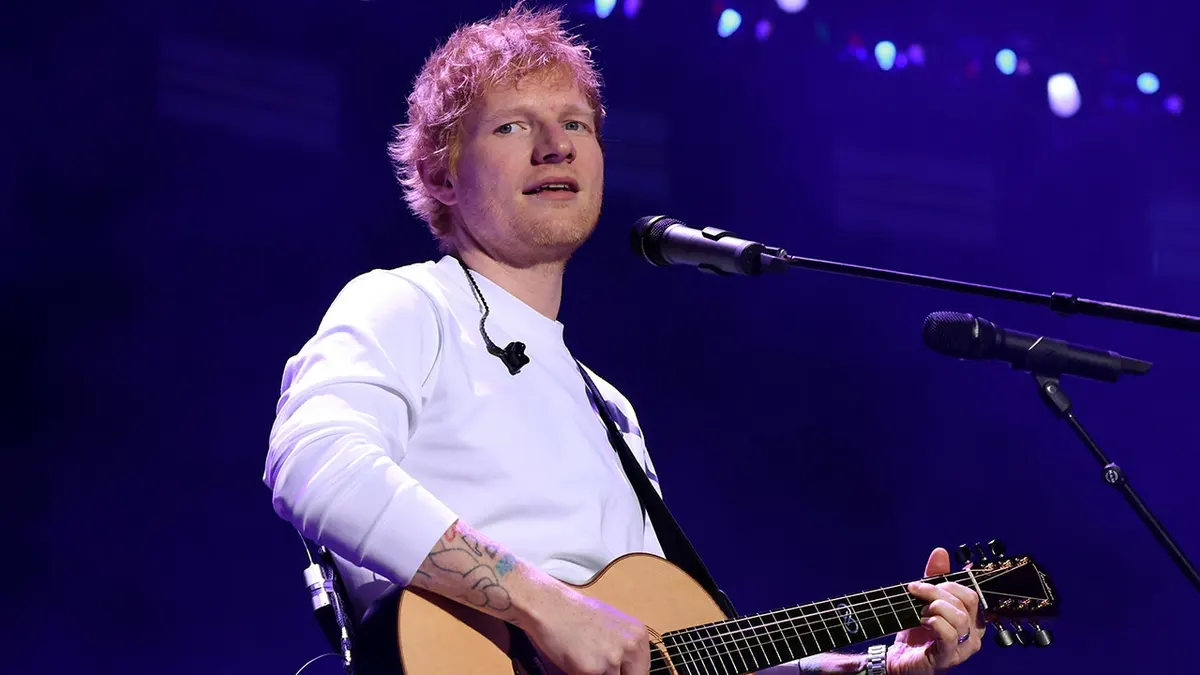
Other major pop artists continued to venture into the dancehall-pop genre in 2017, with Ed Sheeran, Katy Perry, and Calvin Harris having hits with “Shape of You,” “Chained to the Rhythm,” and “Feels” respectively.
The pattern is not coincidental. Pop producers respond to what works on dancefloors globally, and dancehall riddims, with their locked groove, forward momentum, and room for melodic vocal performance, have been working since the late 1980s.
The artists and listeners credited in this list may not always know the names Steely and Clevie, Lenky Marsden, Winston Riley, or Boi-1da. But every time one of these tracks comes through a speaker, those architects are in the room.