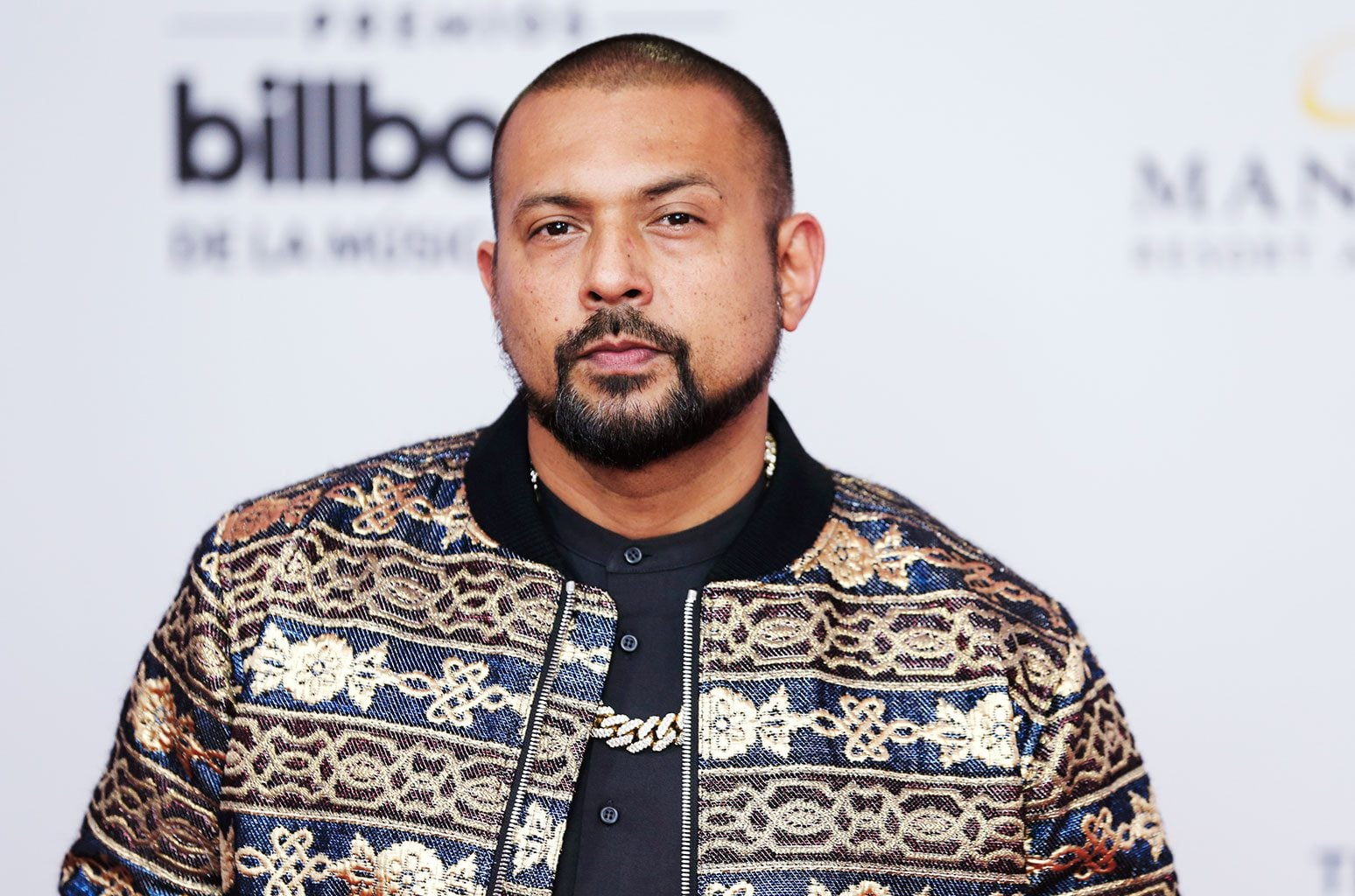
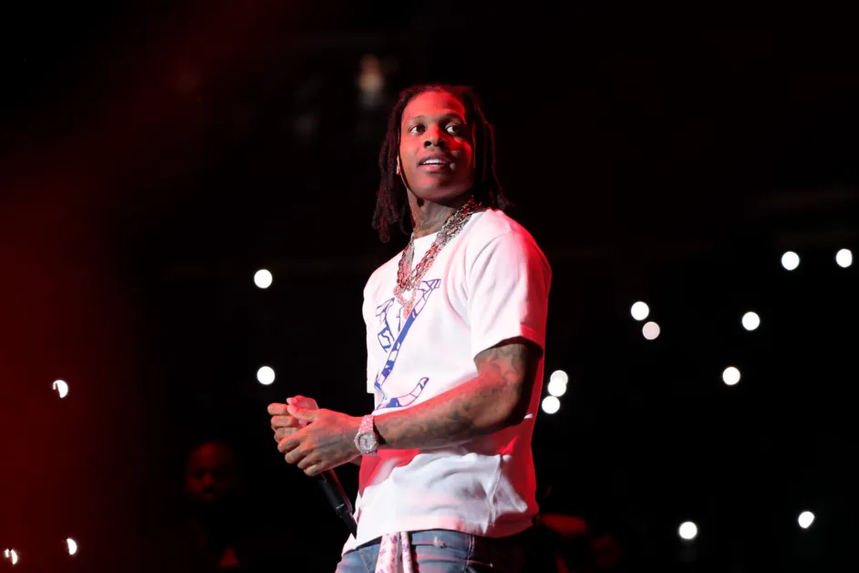

Lil Durk walked out of his murder-for-hire trial last Friday, September 11, with an acquittal on all charges, but the celebration was short-lived.
He is now staring down a civil wrongful death lawsuit filed by the mother of Saviay’a “Lul Pab” Robinson, the man whose killing sat at the center of the criminal case against him.
Andrea Robinson, Lul Pab’s mother, filed the suit back in February, and her attorney made the family’s position clear in a press release.
“The premature loss of Mr. Robinson has devastated his family and community,” the statement read. “We filed this lawsuit to hold those responsible accountable and to ensure his family receives the support they need during this difficult time.”
The key difference here is how the law works in a civil courtroom versus a criminal one. Criminal cases require proof beyond a reasonable doubt, while civil cases only need a “preponderance of the evidence,” meaning the plaintiff just has to show their claim is more likely true than not, a much lower bar to clear.
This is not even the only civil wrongful death suit Durk is dealing with right now. In October 2024, LaSheena Weekly, the mother of FBG Duck, sued Durk over Duck’s death, even though Durk was never criminally charged in connection with that killing.
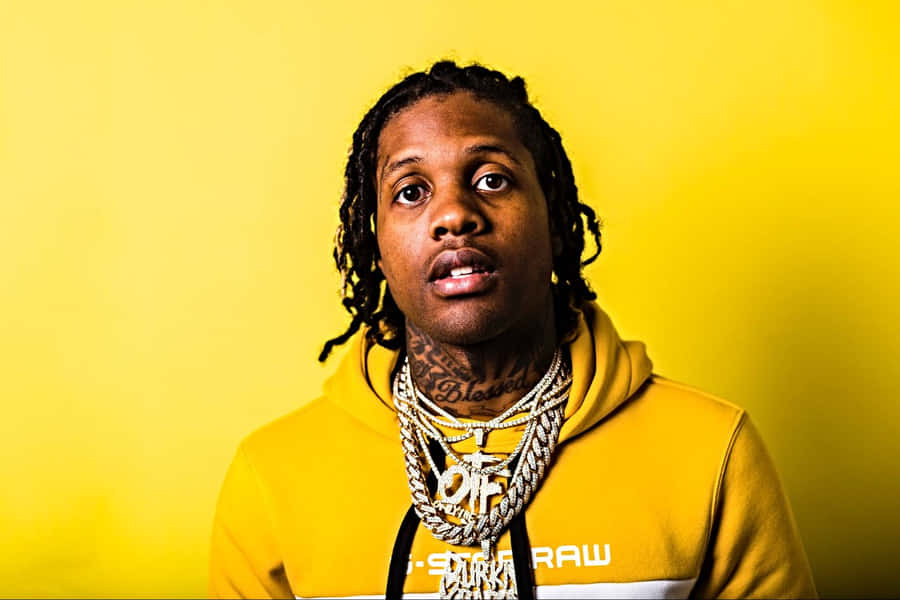
So while the acquittal last week was a real legal win for the Chicago rapper, it did not clear his plate by any stretch. He is still sitting behind bars, and a second criminal trial is already scheduled to begin on October 5.
That second trial stems from a racketeering and murder charge that was originally part of the Quando Rondo murder-for-hire case.
Durk was hit with the VICAR charge, which stands for violent crimes in aid of racketeering activity, in a third superseding indictment back in June.
His legal team managed to get those charges severed from the first case, which is why he beat that trial but still has to face these new ones separately.
The 33-year-old is now looking at two active civil lawsuits and a second criminal trial, all running at the same time.
That is a lot of legal exposure for someone who just scored what most people would consider a major courtroom victory.

His supporters are pointing to the acquittal as proof that the government’s case against him was weak, and that the same pattern could play out again in October.
Critics, on the other hand, are watching the civil cases closely, knowing that the lower evidentiary standard could produce a very different outcome even if the criminal trial goes his way again.
The October 5 trial date is coming up fast, and the civil suits are still working their way through the courts.