
Jamaicans speak two languages: English and Jamaican Patois. Jamaica is regarded as a bilingual country. English is the official language, used in all domains of public life, including the government, the legal system, the media, and education.
However, the primary spoken language is an English-based creole called Jamaican Patois, or Patwa. For most people on the island, Patois is not a slang register or broken grammar; it is a mother tongue, a marker of identity, and a living linguistic system with its own rules.
This guide explains what Jamaican Patois is, where it came from, how it works, and why the debate over its official status matters in 2026.
The Short Answer
Jamaica’s official language is English, but Jamaicans also speak Patois, a colorful, descriptive, and emphatic creole dialect that has been shaped by African, Spanish, French, Portuguese, and English colonial heritage.
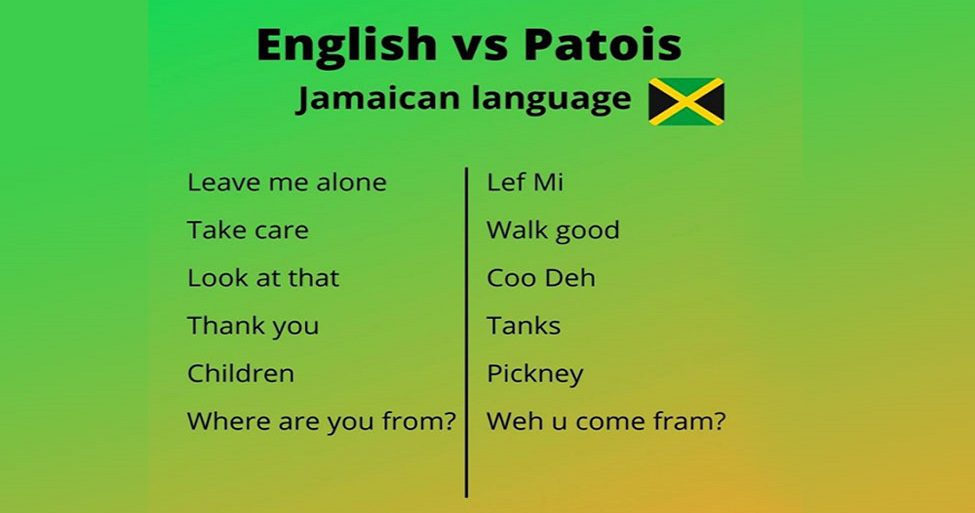
Most Jamaicans do not speak standard English as their native language. Instead, they typically learn it in school as a second language, with Jamaican Patois being their first language.
What Exactly Is Jamaican Patois?
Jamaican Patois, also known locally as Patois, Patwa, or Patwah, and referred to as Jamaican Creole by linguists, is an English-based creole language with significant West African influences.
The word “creole” has a precise technical meaning here: enslaved Africans shared their speech and a “pidgin” was formed, a way of communicating based on a combination of features from different languages. That pidgin continuously evolved to meet the needs of the people.
Eventually the grammar regularized and it became a full-fledged language, at which point linguists refer to it as a “creole.”
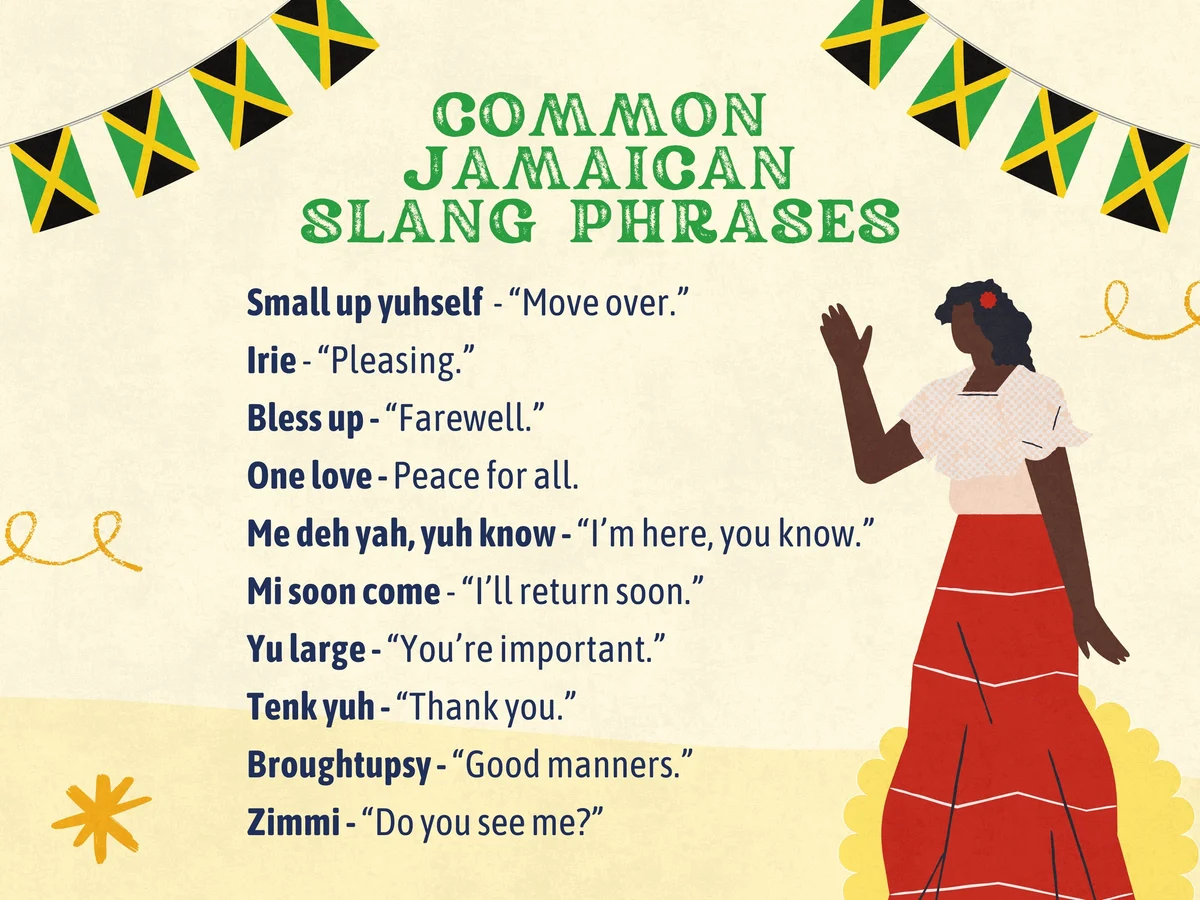
Jamaican Patois is an English-based creole spoken by over 3 million inhabitants on the island and by Jamaicans across the diaspora globally.
That figure is significant when set against Jamaica’s total population: according to official data, Jamaica’s 2024 estimated population stands at 2,824,913.
The numbers reflect how widely Patois is spoken across the diaspora, in cities such as London, New York, Toronto, and Miami.
One of the most persistent misconceptions about what language Jamaicans speak is the idea that Patois is simply corrupted or “broken” English. Linguists reject that framing. Jamaican Patois is not broken English; it is a fully developed creole language with its own grammar, phonetics, and vocabulary.
While it borrows many English words, they often have distinct meanings and usages in a Jamaican context. There is no verb conjugation by tense; instead, tense is marked by context or auxiliary words.
Jamaican Patois is significantly influenced by African languages, extending beyond vocabulary to include elements like rhythm, tone, and syntax.
Notably, it features serial verbs, tonal emphasis, and a lack of subject-verb agreement, which are characteristics aligned with African linguistic patterns.
Because Patois is a hybrid of languages, it exists on a continuum that ranges from more dissimilar to less dissimilar to English.
The terms for the classes in the continuum are the acrolect (variations closest to English), the basilect (variations furthest from English), and the mesolect (variations in between).
Speakers use different registers depending on context and whom they are speaking to. A Jamaican professional might deploy near-standard English in a boardroom and switch fluently to basilectal Patois at home, a practice linguists call “code-switching.”
A History Written in Language
The island’s original inhabitants, the Taino people, spoke Arawakan languages before European colonization began with the arrival of Columbus in 1494.
The Spanish colonization period (1494 to 1655) left some linguistic traces, but it was the British colonial era (1655 to 1962) that most significantly influenced Jamaica’s language development.
Patois developed in the 17th century when enslaved people from West and Central Africa were exposed to, learned, and nativized the vernacular and dialectal forms of English spoken by the slaveholders: British English, Scots, and Hiberno-English.
In addition to Spanish and English, the language of Irish and Scottish soldiers also contributed to the nation’s dialects.
The language emerged from African languages brought over by enslaved Africans from diverse regions of West and Central Africa.
Since these Africans spoke different languages, a new language was formed by combining aspects of African languages with English, Spanish, and Portuguese.
The vocabulary of the resulting creole was drawn primarily from English but was heavily influenced by West African languages such as Akan, Igbo, and Yoruba. Most non-English loan words in Patois are of Akan Ashanti origin.
Many of the African-derived words in Jamaican Patois relate to food, spirituality, the body, interpersonal relationships, and social behavior, reflecting the cultural priorities and lived experiences of enslaved communities.
For example, “duppy” (ghost) is believed to derive from Akan or Ga languages, while “nyam” (to eat) may come from Twi or Fula.
For much of Jamaica’s history, Patois was stigmatized as “broken English” or considered inferior to standard English.
However, the cultural renaissance that accompanied Jamaica’s independence movement in the 1960s began to change attitudes toward Patois.
Reggae music, literature, and other art forms embraced Patois as an authentic expression of Jamaican identity, helping to elevate its status.
Although standard British English is used for most writing in Jamaica, Jamaican Patois has gained ground as a literary language for almost a hundred years. Claude McKay published his book of Jamaican poems Songs of Jamaica in 1912.
Later, at the forefront of the modern movement was the renowned poet, the Honorable Dr. Louise Bennett-Coverly, affectionately known as Miss Lou, considered to be the mother of Jamaican culture. Her influential works allowed Patois to transcend barriers, captivating hearts both locally and internationally.
Who Speaks Patois, and How Many?
A 2007 survey by the Jamaican Language Unit found that 17.1 percent of the population were monolingual in Jamaican Standard English, 36.5 percent were monolingual in Patois, and 46.4 percent were bilingual.
Those figures underscore a crucial reality: the majority of Jamaicans either speak Patois exclusively or alongside English, while standard English alone is a minority position.
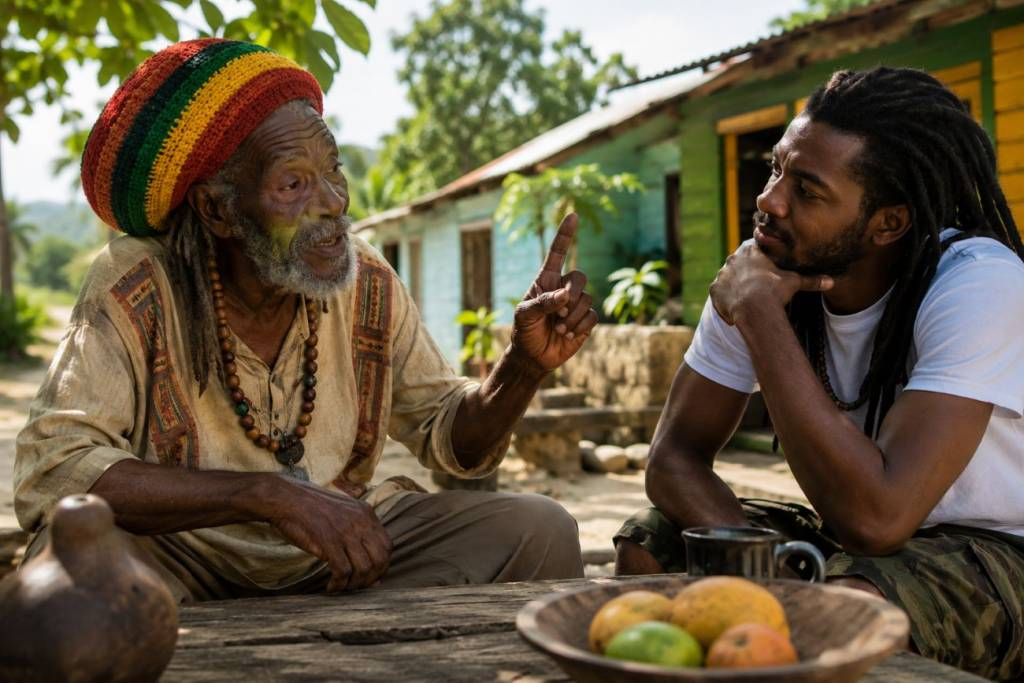
Patois is spoken primarily in Jamaica and among the Jamaican diaspora, and the majority of Jamaicans consider it their native language.
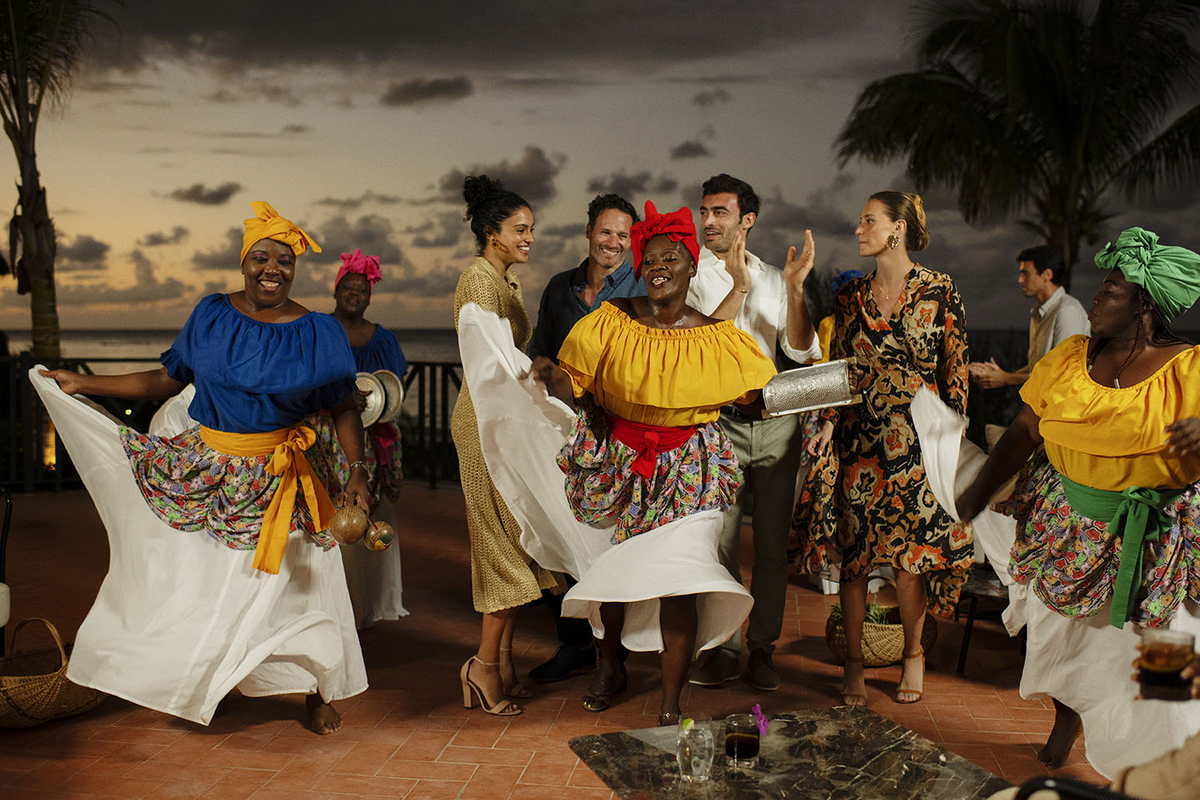
Jamaican Patois exists mainly as a spoken language and is also heavily used for musical purposes, especially in reggae and dancehall as well as other genres.
Patois in Reggae and Dancehall
No discussion of what language Jamaicans speak is complete without addressing music, the single most powerful vehicle for Patois on the global stage.
The most important driving force behind the global spread of Jamaican Creole outside the diaspora is the worldwide success of Jamaican reggae and dancehall music.
The language has played a crucial role in the evolution and development of various Jamaican music genres, including reggae, ska, and dancehall.
However, it is the music genre of dancehall that has had the most significant impact on the spread and recognition of Jamaican Patois worldwide.
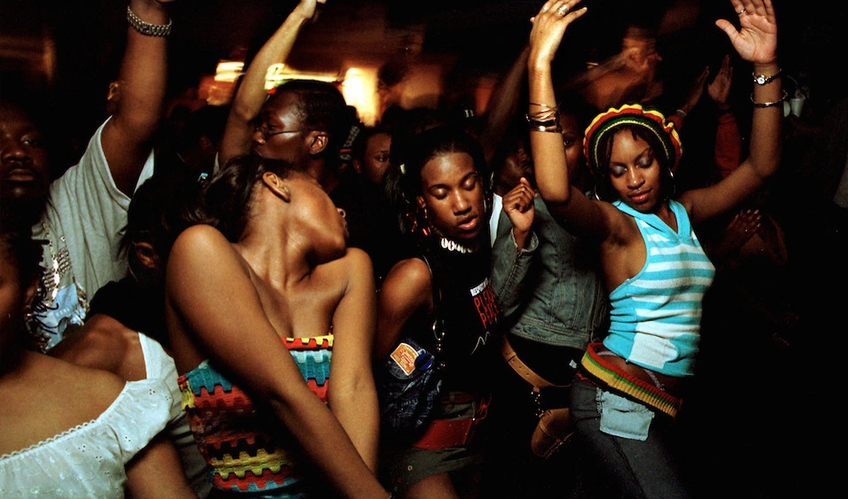
Dancehall is a genre of music that originated in the late 1970s in Jamaica and quickly became the dominant form of popular music in the country.
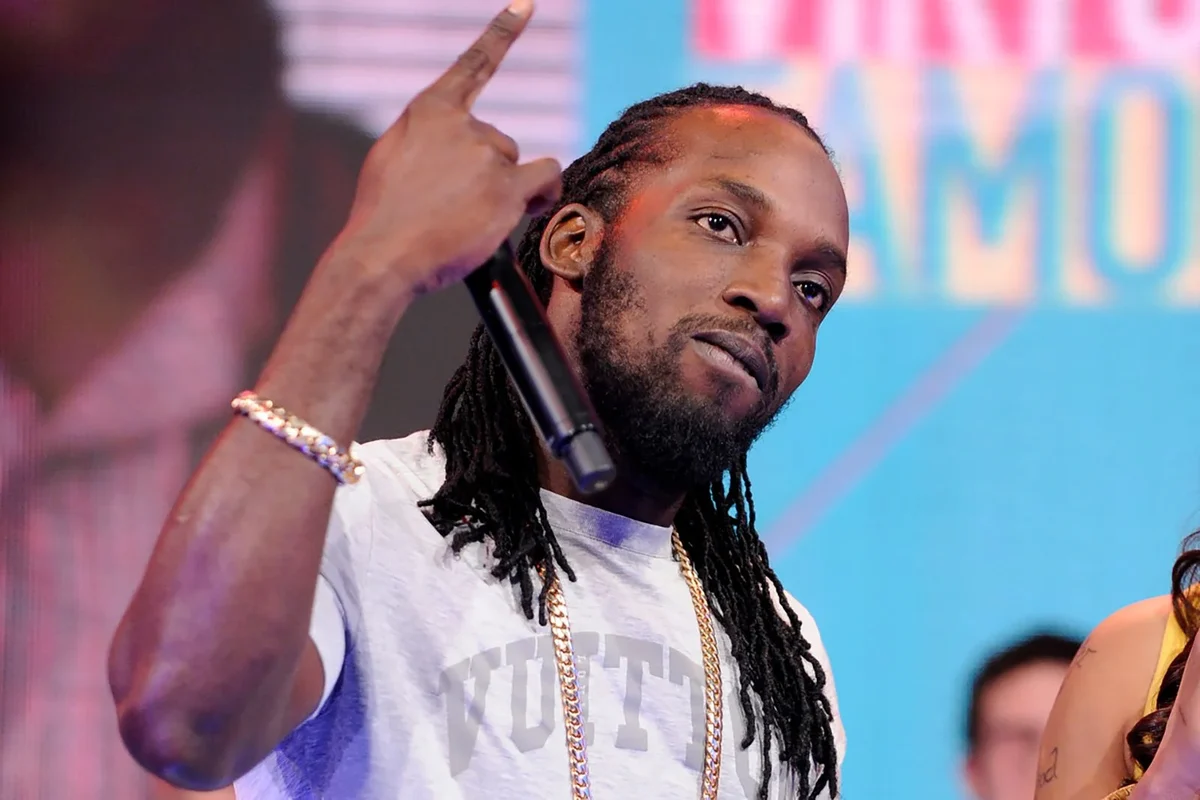
Dancehall gave a global voice to Jamaican Patois and street slang. By the late 1980s, artists like Shabba Ranks, Super Cat, and Buju Banton were carrying dancehall beyond Jamaica.
Their music traveled with the Jamaican diaspora, spreading to London, New York, Toronto, and Miami, where immigrant communities made it their soundtrack.
Over time, dancehall phrases slipped into global youth culture, influencing slang in cities from London to New York.
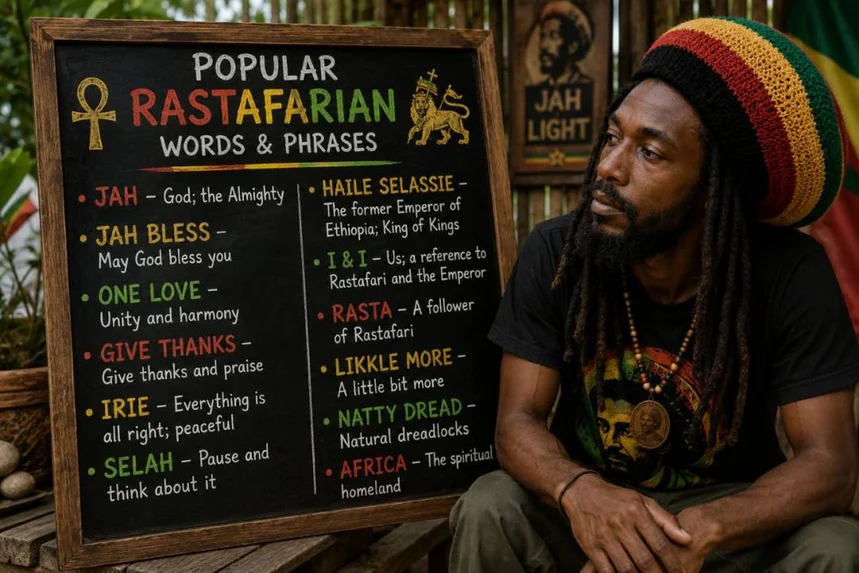
Jamaican Creole has enriched global English, with popular phrases and slang integrated into music, film, and everyday speech across diverse communities.
Today, many artists and music producers around the world incorporate Jamaican Patois into their music as a way of paying homage to the language and the country.
Jamaican dancehall music has influenced other music genres worldwide, and the use of Jamaican Patois has become a trend in pop music, especially in the United States.
The Official Language Debate
As of 2026, the question of what language Jamaicans speak is also a political one. Jamaicans locally and from the diaspora are engaged in a spirited debate over the possibility of elevating Patois to the status of an official language, alongside English.
The discussions gain momentum as the nation moves forward with plans to sever its ties to the British monarchy and transition into a republic.
Historically stigmatized and misconceived as a derivative of English, Patois has long been recognized by linguists as a distinct language with its own grammar, pronunciation, and a rich vocabulary amalgamated from African, European, Amerindian, and Asian languages.
The movement to grant official status to Patois is gaining traction, with advocates emphasizing the language’s cultural significance and the need to break free from the remnants of colonial influence.
The debate has recently entered parliament directly. Parliamentarian Nekeisha Burchell opened her intervention in Parliament’s Sectoral Debate in Jamaican Patois, which elicited a reminder from Speaker Juliet Holness that Patois was not the language of the House.
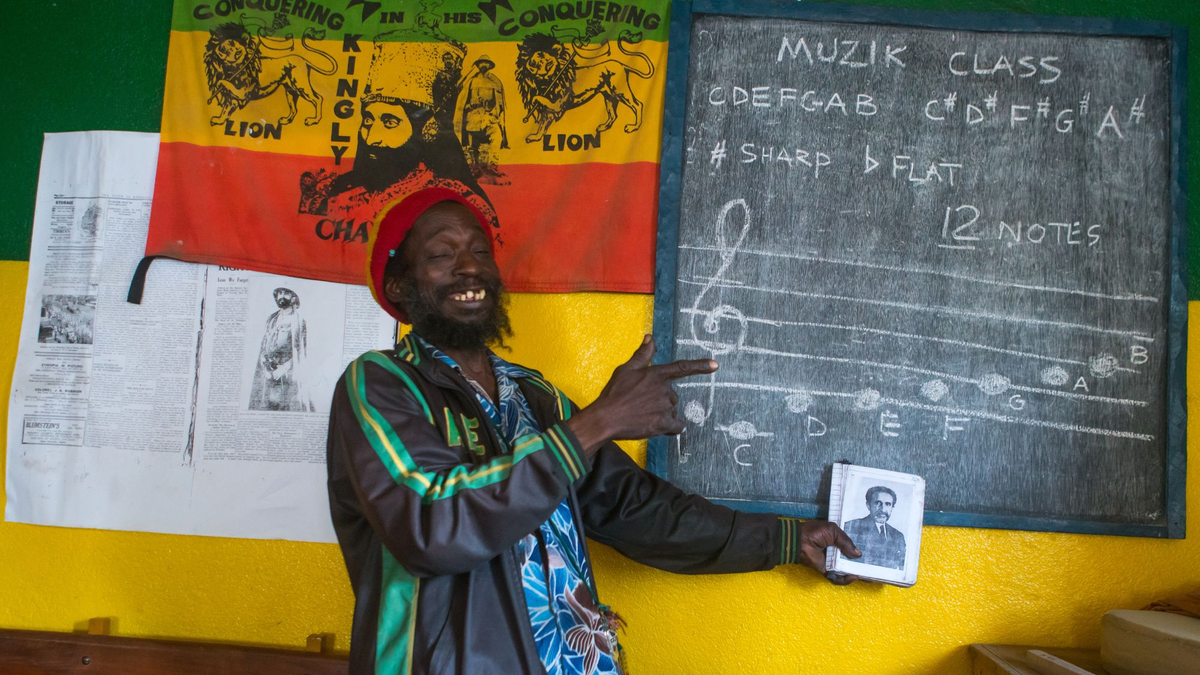
Educators have consistently called not only for the recognition of Jamaican Patois, but also for English to be taught as a foreign language, in the same way that French or Spanish is taught.
However, the proposals face strong opposition, with critics expressing concerns about the potential costs and impracticality of implementing Patois as an official language.
It is widely acknowledged that proficiency in English is crucial for international trade, tourism, and academic research.
The debate over whether Jamaican Patois should be an official language goes beyond linguistics; it touches on issues of identity, equity, and decolonization.
Many view the marginalization of Patois as a continuation of colonial hierarchies that privileged European norms over Afro-Caribbean heritage.
Key Takeaways
- Official language: English, used in government, courts, education, and formal media.
- Everyday language: Jamaican Patois (Patwa/Patwah), the mother tongue of the majority.
- Origins: A 17th-century English-based creole forged from contact between West and Central African languages, British English, and smaller contributions from Spanish, Irish, Scottish, Portuguese, French, and Taino.
- Linguistic status: A fully distinct creole language, not a dialect or corrupted form of English.
- Speakers: Over 3 million on the island and in the diaspora, with the majority of Jamaicans identifying it as their native tongue.
- Global reach: Spread worldwide through reggae, dancehall, and diaspora communities, with Patois phrases now embedded in everyday speech in cities across North America, Europe, and beyond.
- Ongoing debate: As Jamaica considers becoming a republic, pressure is mounting to grant Patois co-official status alongside English, making the language question more urgent than ever in 2026.