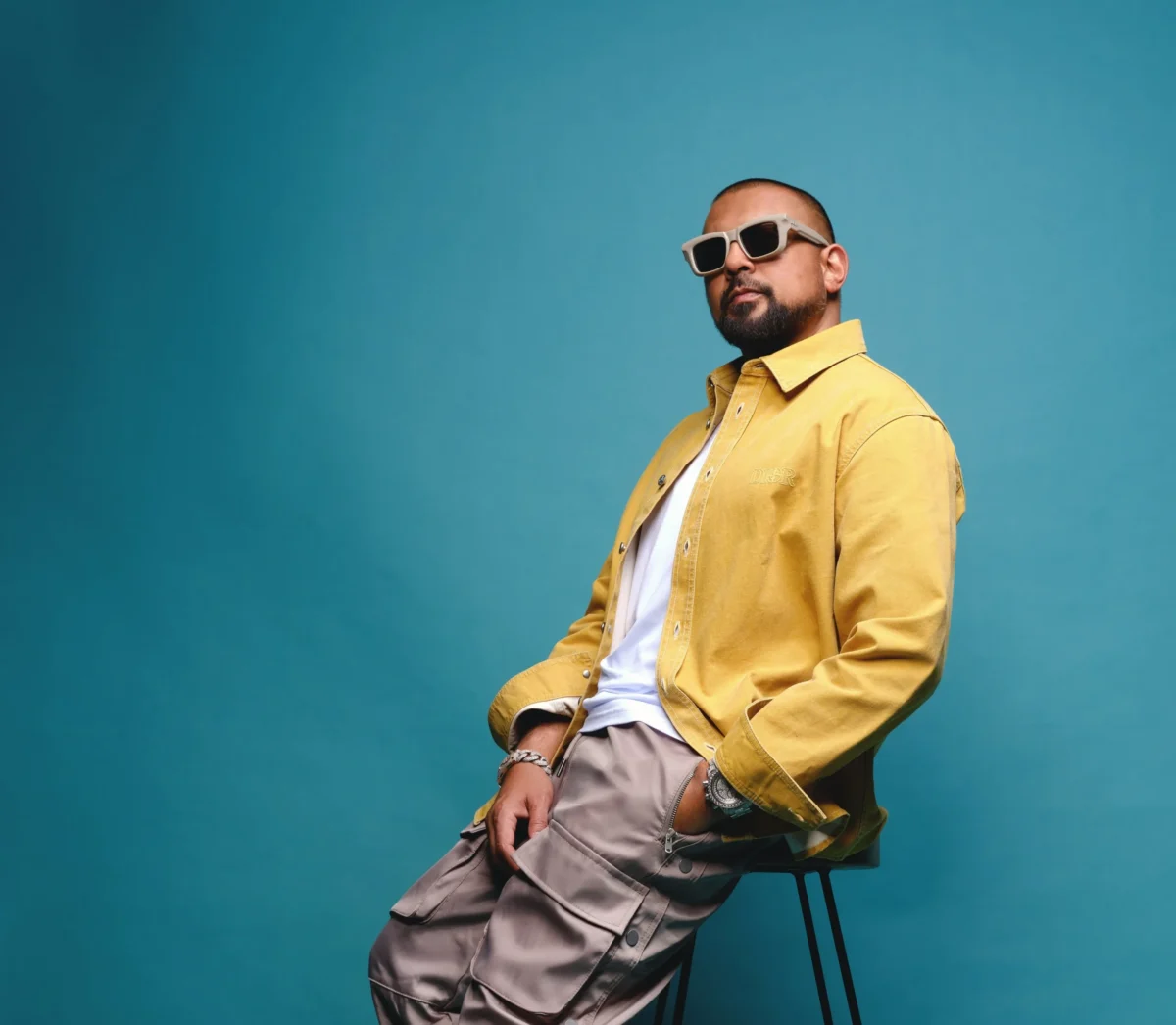
In 2003, Sean Paul had the biggest songs on the planet and still couldn’t get a room backstage at the Grammys.
Talking to Time Out South Africa, the Jamaican star remembered performing with Sting, an artist he admires, and then being sent to a trailer outside the Staples Center.
“I could still see people coming late to the red carpet and walking in,” he recalled. “This feels like a disrespect. It feels like they think that this music is not going anywhere.”
His acceptance speech didn’t make the broadcast either. He still respects the Grammys, but he thinks they sometimes get it wrong, and that experience feeds a bigger complaint about how reggae and dancehall get treated.
He’s proud of how dancehall shaped hip-hop, reggaeton and pop. What bugs him is how rarely that debt gets acknowledged when Jamaican sounds end up inside an international hit. “Where is the love?” he asks.
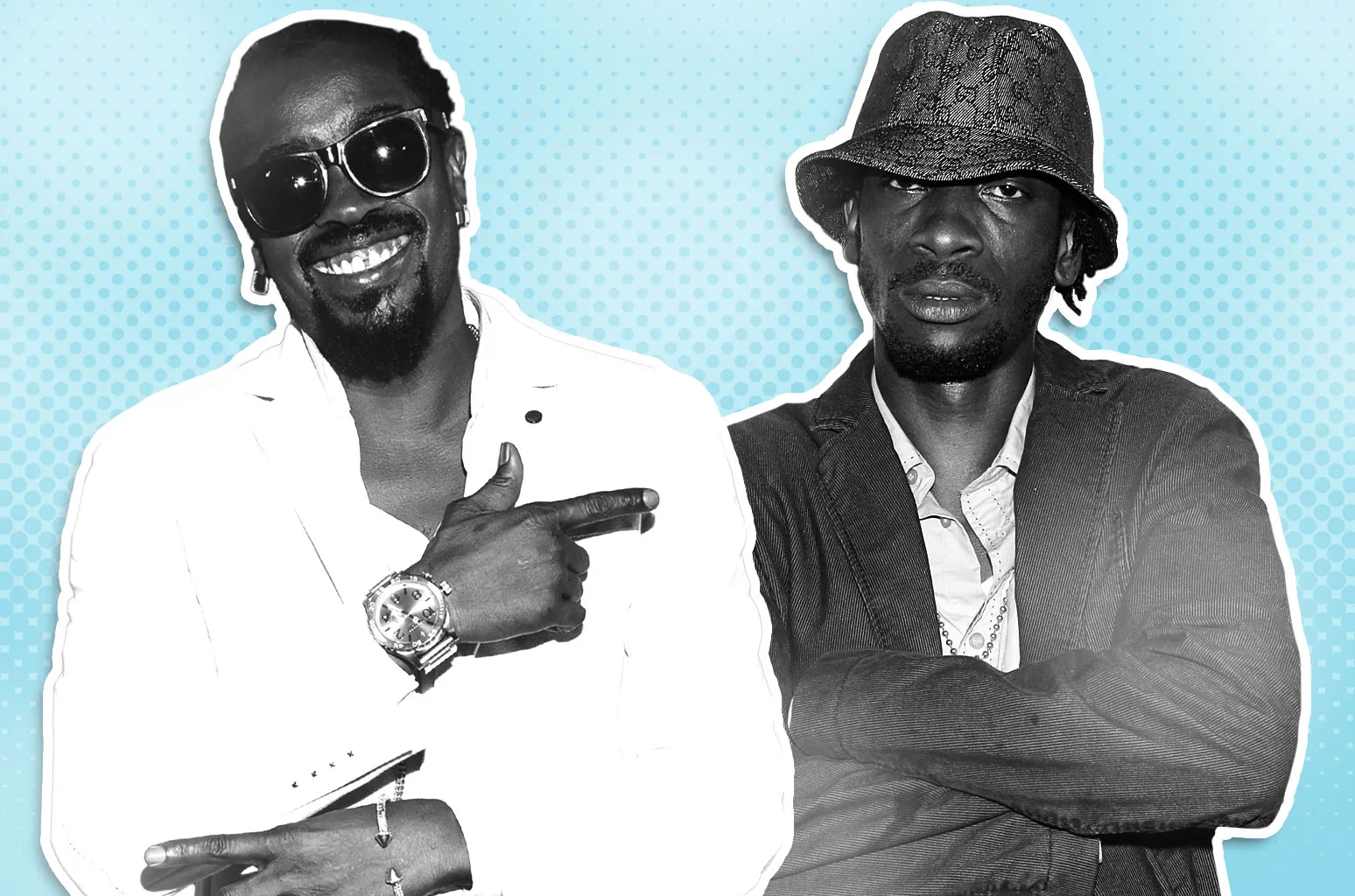
That frustration doesn’t turn into gatekeeping, though. When Buju Banton’s criticism of Afrobeats came up, Sean Paul backed the call for respect but pushed back on the idea that African artists should always be delivering a political message.
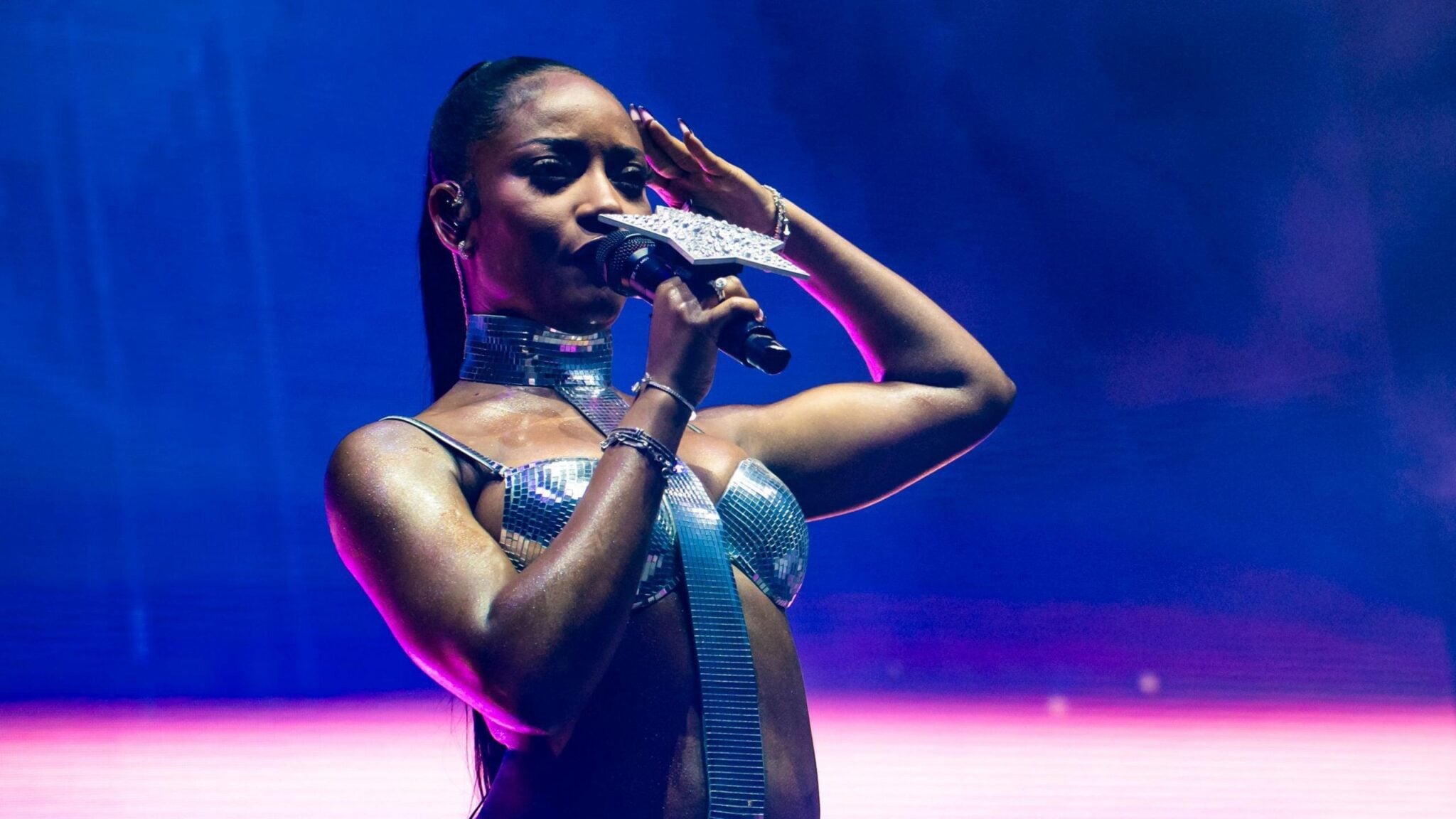
“Music is for education, it’s for entertainment, it’s for upliftment,” he said. He felt some of that criticism landed harshly on African musicians just getting their shot internationally, and he named Tyla and Ghana’s Stonebwoy as artists who came to Jamaica to work and showed real respect for the culture.
Tyla clearly made an impression. His brother put him onto her before her global breakthrough, at a time when Sean Paul was figuring out how to reach the TikTok and Instagram crowd. What he saw was someone simply having fun and being herself.
The detail he fixates on is small. She sings “motivation” in her own South African accent instead of borrowing an American one, which hits home for an artist whose Jamaican delivery is his whole signature. “An artist like Tyla sounds authentic to me, and I love that,” he said.
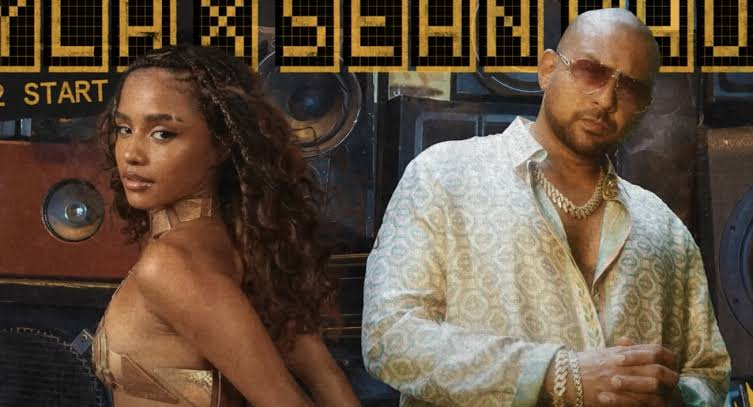
The two later teamed up on the ‘Push 2 Start’ remix, part of a loop he hears running between Africa and the Caribbean.
African traditions fed Jamaican music, reggae and dancehall fed Afrobeats, and now African production, log drums included, is filtering back into dancehall. “We need the connection to the motherland,” he said.
His tie to South Africa goes back further than any tour. Growing up in Jamaica, he heard local musicians speaking out against apartheid, and that music made a distant struggle feel personal. “That just made me feel close to the situation,” he said.
A later trip to Robben Island left him with Mandela’s resilience on his mind and a saying he still lives by: “Each one, teach one.”
He comes back to that resilience when talking about pushing on after recognition falls short. “I like what I’m doing, and that’s why I do it,” he said.
These days the high point of his day isn’t a stage. “Right now, it’s reading to my kids every evening,” he said, a routine that matters more after years of touring through Christmases away from home.
Meanwhile, women named Rebecca still come up to him claiming their shout in ‘Get Busy.