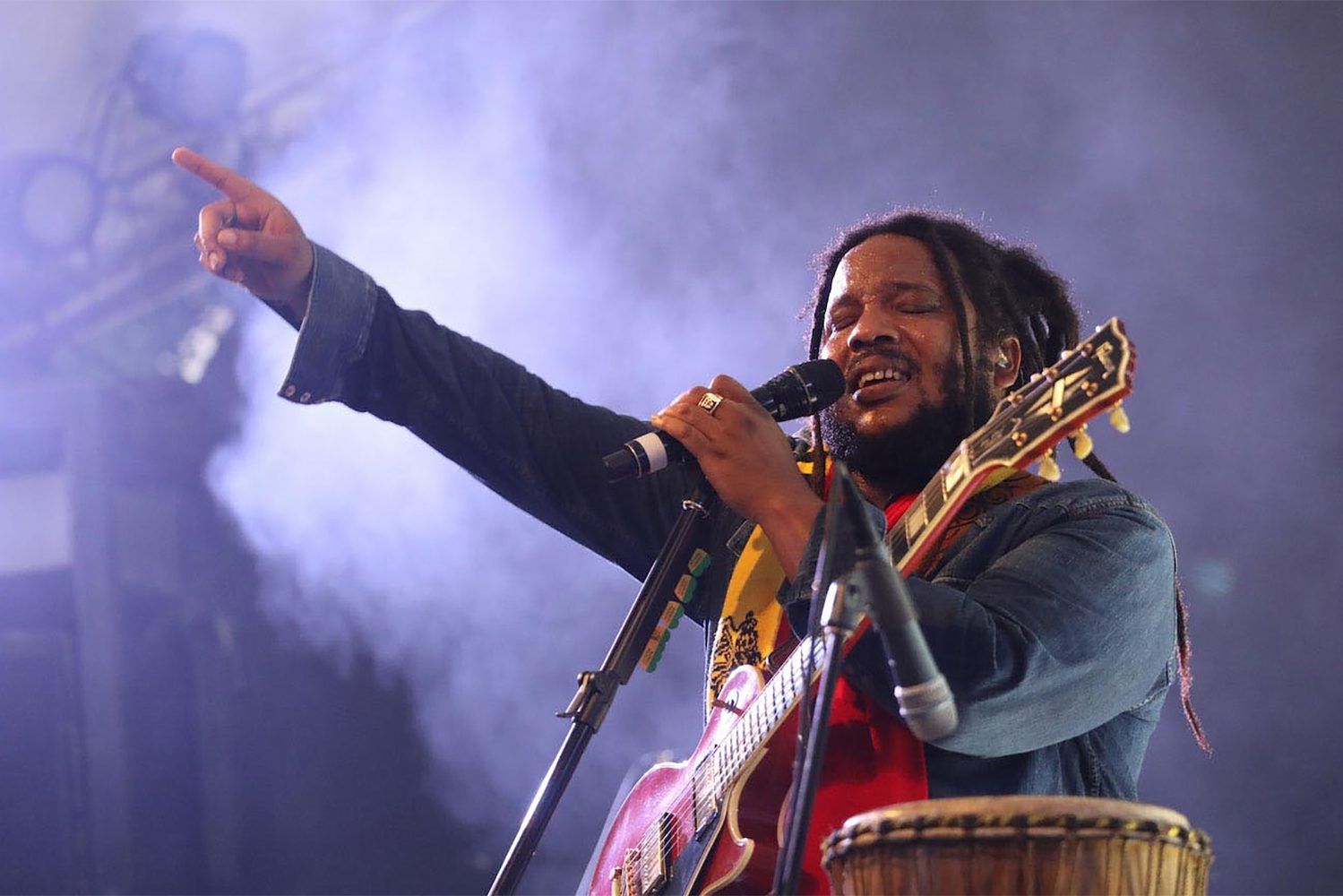


Long before he collected eight Grammys, Ziggy Marley was a Catholic schoolboy picking fights with Jesuit priests. The cause wasn’t skipped classes or bad grades. It was a record his father released in 1979.
Speaking to Uncut about the albums that mean the most to him, Bob Marley’s eldest son ran through some heavy company, including Michael Jackson’s Thriller and Miles Davis’s Bitches Brew.
But it was Survival, his dad’s most openly political album, that pulled the most personal story out of him.
“This album is what awoke in my consciousness of African, black people struggling,” he said. “It made me want to know more of Africa.”
School wasn’t offering much help on that front. I went to a Catholic high school, and a lot of the teachers were Jesuit priests.
They used to teach us about the slave trade, but we never know anything else about Africa. I had altercations with them because I was being revolutionised by my father’s album!”
You can picture how that played out in class. A teenager quoting ‘Babylon System’ probably wasn’t what the lesson plan was built to handle.
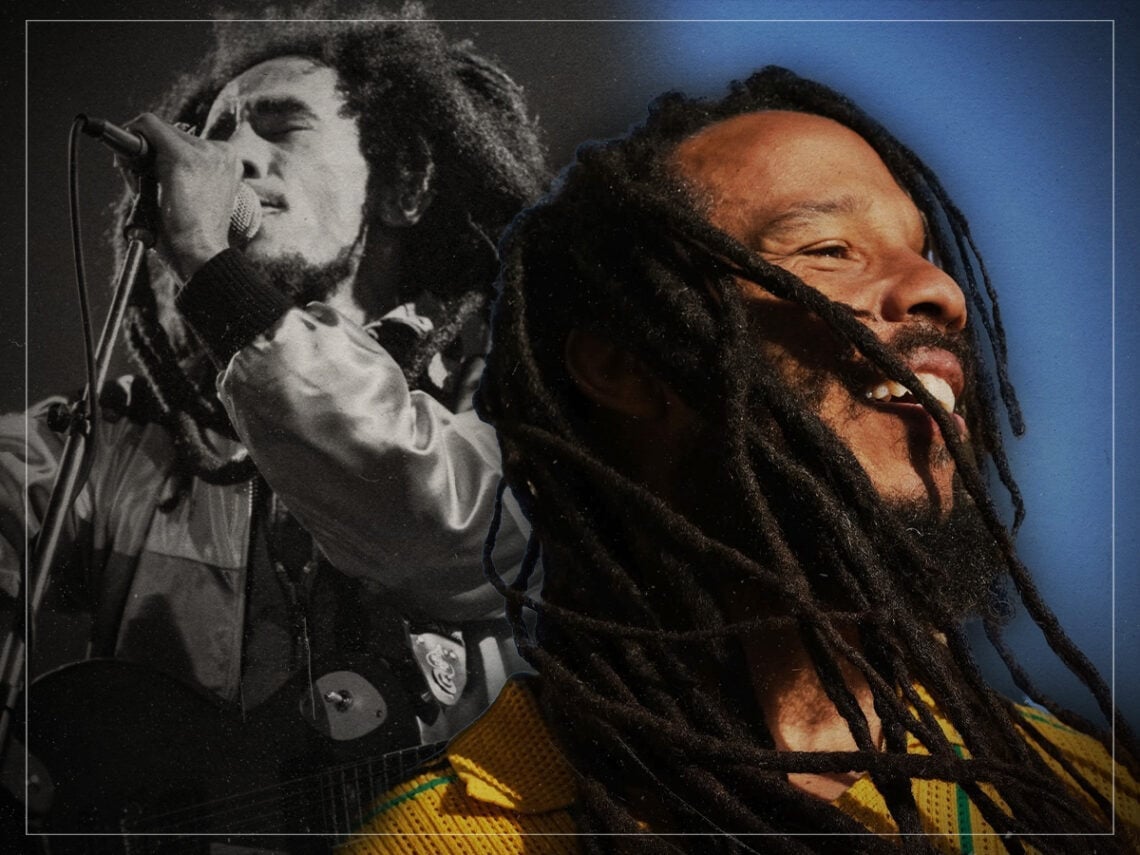
Records had shaped him from early on. Born David, he picked the name Ziggy himself because he loved David Bowie, especially The Rise and Fall of Ziggy Stardust and the Spiders from Mars.
Survival arrived in October 1979, a year after Bob’s first trip to Africa. The sleeve was a grid of African nations’ flags, and the songs worked as a rallying cry for a continent still shaking off colonial rule.
‘Zimbabwe’ was written in solidarity with the guerrilla struggle against white minority rule in Rhodesia, while ‘Africa Unite’ urged the diaspora to look homeward. Within months, ‘Zimbabwe’ had become something close to an anthem for the new nation.
Not everyone welcomed the message. Apartheid era South Africa banned the album, and actor Tim Reid had to flee the country after playing the title track on a live radio broadcast, unaware it was banned, once police showed up.
In April 1980, Bob headlined Zimbabwe’s independence celebrations in Salisbury, now Harare. Ziggy, then 11, was there with him.
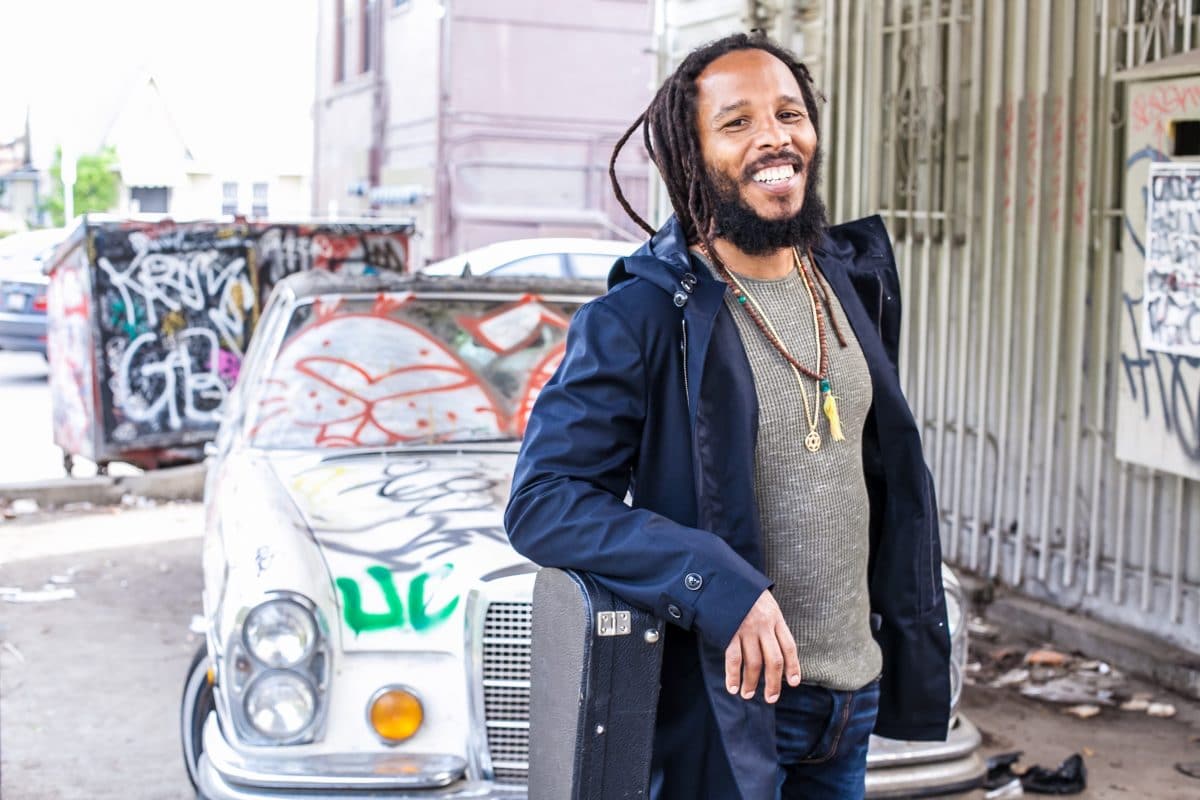
“I remember, I went to Zimbabwe with him and my brother for the Independence celebration, so when I rediscover that album, it connect Africa to me,” Ziggy said. The trip planted something, and the record later brought it back to the surface.
He also pushes back on how plenty of listeners remember his father. “A lot of people like the more commercial stuff, Kaya or Exodus, and they see him in that light. But on Survival, you see a different side to him.”
It’s a fair point. The Bob Marley of greatest hits playlists is warm and easygoing, while the man on Survival was naming liberation struggles and getting banned for it.
Nearly half a century later, the argument Ziggy started with his teachers is one he still seems happy to keep having.