
If you have ever heard the phrase “legalize it meaning” debated in the context of reggae, cannabis activism, or protest music, the conversation almost always leads back to one place: a rolling, sun-warmed roots track recorded in Kingston, Jamaica in 1975 and 1976 by a man who refused to lower his voice for anyone. Peter Tosh’s “Legalize It” is not simply a song about marijuana.
It is a document of personal suffering, Rastafarian faith, colonial resistance, and an argument for human dignity that the world is still arguing about nearly five decades after it was first pressed to vinyl.
Who Was Peter Tosh?
Peter Tosh was born Winston Hubert McIntosh on 19 October 1944 in Westmoreland, the westernmost parish of Jamaica. He, Bob Marley, and Bunny Wailer formed the Wailers in 1963 in the Kingston ghetto of Trench Town.
In addition to his rich baritone, Tosh brought to the Wailers his versatile musicianship and songs such as “Get Up, Stand Up,” written with Marley.
While Bob Marley sang of “One Love” and Bunny Wailer cultivated Rastafari’s spiritual meditations, Tosh shouldered the role of the fiery prophet, denouncing injustice, challenging colonial structures, and fearlessly advocating for equal rights and the legalization of marijuana. That militant edge was not a performance. It grew directly out of lived experience.
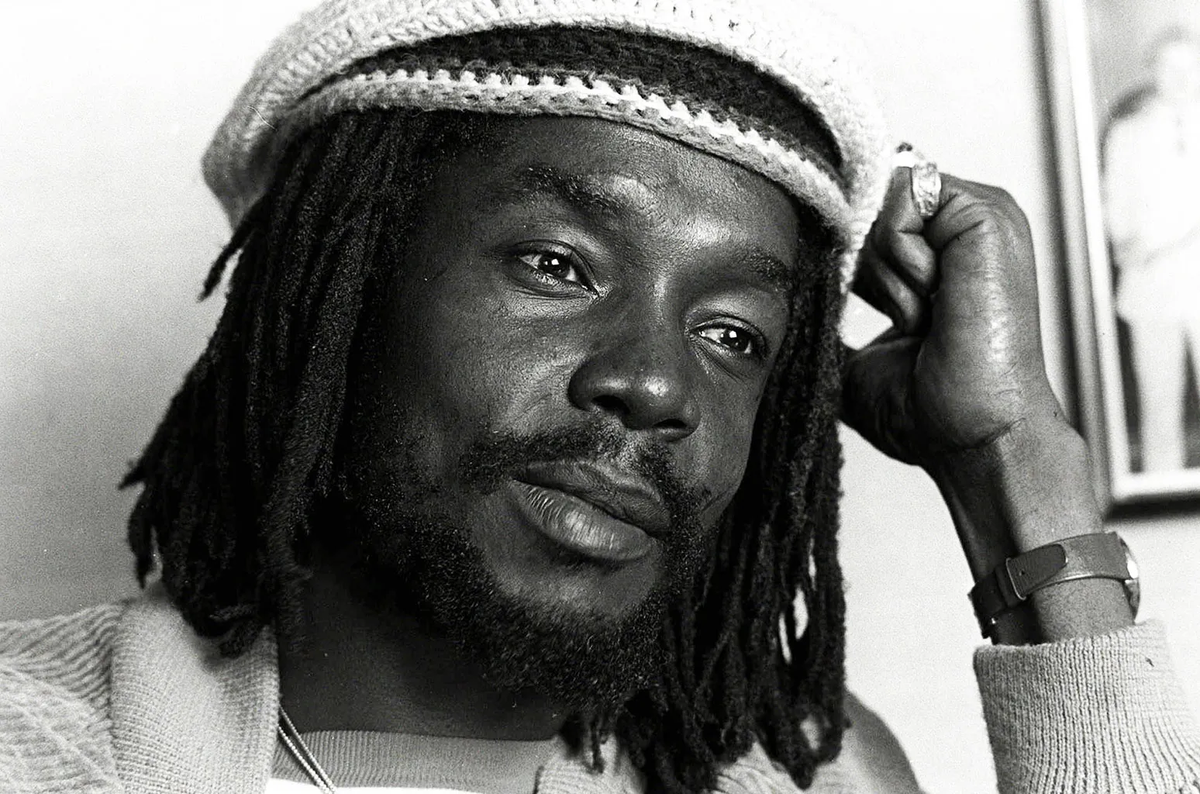
Rastafarians followed strict dietary rules, avoiding alcohol and drugs, but revered “ganja” as a holy herb that brings enlightenment to users. For Tosh this was both a spiritual conviction and a target painted on his back by the Jamaican state.
During this period, Tosh received serious beatings at the hands of the Jamaican police, stemming from his defiant use of ganja and his disdain for the “shit-stem,” his word for the system of government that seemed so unfair to Jamaican blacks. Those encounters with police brutality were the direct fuel for what would become his most famous song.
By 1974, Tosh left the Wailers to pursue a solo career. He had scores to settle and things to say that could not wait.
The Origins of “Legalize It”: A Song Born From Police Persecution
The song was written in response to his ongoing victimization by the Jamaican police and as a political piece pushing for the legalization of cannabis, particularly for medical use.
In a quote reproduced in the book Reggae Bloodlines, Tosh said: “I was taught as a boy that herb is a natural drug and medicine.
Then I am with the Wailers and sing songs and compose for Marley. But then I was terribly brutalized by the police and charged with ganja.”
The recording sessions for “Legalize It” and its parent album took place in unconventional circumstances. Tosh left the Wailers in 1973 as the group was gaining international fame, reportedly griping about the starring role given to the lighter-skinned Marley by the group’s manager, Island Records chief Chris Blackwell.
When he recorded his first solo album in 1976, he sought an alternative source of funding in the United States. Reggae historian Roger Steffens, speaking to NPR in 2011, recounted the story that has since become legend: “He approached a pot dealer in Miami to invest in the album, and the dealer agreed. ‘He said, So what are you gonna call it?’ And Peter said, ‘I’m gonna call it Legalize It.’
And the dealer got really upset and said, ‘No, man, you’re gonna put me out of business!’ But eventually he changed his mind and gave Peter the money.”
The album was recorded at Treasure Isle and Randy’s studios in Kingston, Jamaica, during 1975 and 1976, with Tosh himself serving as producer.
Bunny Wailer contributed backing vocals, alongside Bob Marley’s wife Rita Marley and others, as well as guitarist Al Anderson.
The sessions also involved overdubs done in Miami and some recording with bassist Carl Radle and drummer Jamie Oldaker, both of whom would go on to join Eric Clapton’s band.
What “Legalize It” Actually Means: A Lyrical Breakdown
The “legalize it meaning” is layered. On its surface, the song is a direct, unflinching demand for the decriminalization of cannabis. But Tosh constructs his argument on several levels simultaneously.
Over a languid pulse, Tosh speaks of cannabis’ medicinal benefits and cross-cultural impact, creating a song and slogan that have lit up decriminalization movements across countries and decades.
The song asserts that ganja has healing properties and invokes a wide cross-section of society as users, from singers to nurses, reinforcing the point that prohibition was never about public safety but about social control.
The song includes the decades-ahead-of-its-time assertion that ganja is “good for tuberculosis.” Medical authorities today would apply more nuance to such claims, but the rhetorical thrust was unmistakable: cannabis was being treated as a criminal matter when Tosh believed it belonged in the realm of medicine and spirituality.
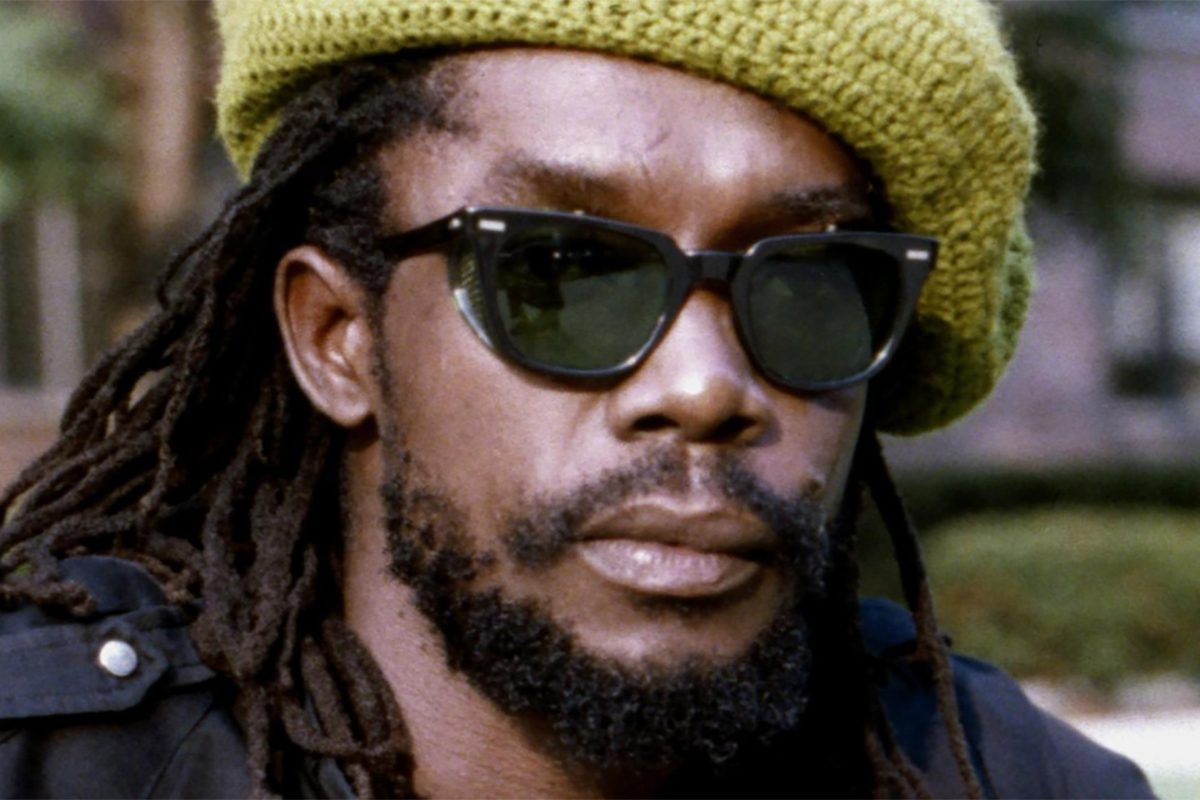
For Peter Tosh, cannabis was never just recreational; it was sacred. As a devoted Rastafarian, he saw ganja as a spiritual conduit, a means of communing with Jah and awakening higher consciousness.
This deep-rooted belief often put him at odds with the law, but it also positioned him as a powerful cultural bridge, linking Jamaica’s spiritual traditions with a growing global movement for cannabis freedom.
The song is a bold anthem advocating for the legalization of marijuana, framing cannabis not just as a recreational substance but as a medicinal and spiritual herb used by doctors, nurses, and Rastafarians alike.
“Legalize It” was a blow to the Jamaican “shitstem,” whose police arrested and brutalized Tosh in 1975 for partaking in Rastafari ceremonial smoking.
More than an ode to the green stuff, it was a protest launched by the disbanding of the Wailers as Tosh pursued his solo career. Criminalizing ganja, Tosh argued, was not just about the law; it was an attack on the people themselves.
The Album It Anchors
Legalize It” is the title track and opening statement of Peter Tosh’s debut studio album, released in June 1976 on Virgin and Columbia Records.
It is one of two solo albums released in 1976 by Wailers members, the other being Bunny Wailer’s Blackheart Man.
Top to bottom, the album is a statement of defiance: against drug laws, against police brutality on tracks like “Whatcha Gonna Do” and “Till Your Well Runs Dry.”
Released in 1976, the album was a bold statement that Peter Tosh had arrived and was a creative force in his own right.
He makes political statements with a sense of humor and a melodic infectiousness that belie his sincere concern for the issues.
The album’s personnel list reads like a who’s who of Jamaican rhythm. Peter Tosh handled guitar, keyboards, and vocals, while Al Anderson contributed guitar, and Aston Barrett and Robbie Shakespeare shared bass duties.
Banned, Copied, and Heard Everywhere: The Song’s Immediate Impact
The Jamaican authorities were not amused. The title track was banned when released in Jamaica in 1975. Attempts to suppress the song failed, however, catapulting Tosh to international fame. Jamaican radio banned it. Customs confiscated copies at the border.
Tosh responded in a fashion that has become part of reggae folklore: he printed the lyrics in an ad he took out in a Jamaican newspaper. In Britain, the song met similar resistance.
The IBA’s advertising arm rejected Virgin Radio’s efforts to air a commer
ial for the album, but Tosh cracked on with his cannabis agenda, splashing Melody Maker with a full-page ad for “Legalize It” and its provocative message.
The suppression, characteristically, only amplified the song’s reach. In ganja’s pre-emancipation era, “Legalize It” became a unifying anthem that brought like-minded exponents of the herb together from diverse countries and cultures.
Commercially, the album performed respectably for a debut from an artist outside the mainstream. The album was released in the United States in June 1976 and appeared on the Billboard 200 album chart for two weeks, peaking at No. 199.
Its long-term commercial life, however, far outpaced that early chart entry. In 1999, the album was certified platinum by the Recording Industry Association of America for over one million copies sold.
Tosh’s Defiance in Practice
The song was not a studio fantasy. Tosh lived every word of it. He openly smoked cannabis in defiance of Jamaican laws and was repeatedly arrested for it.
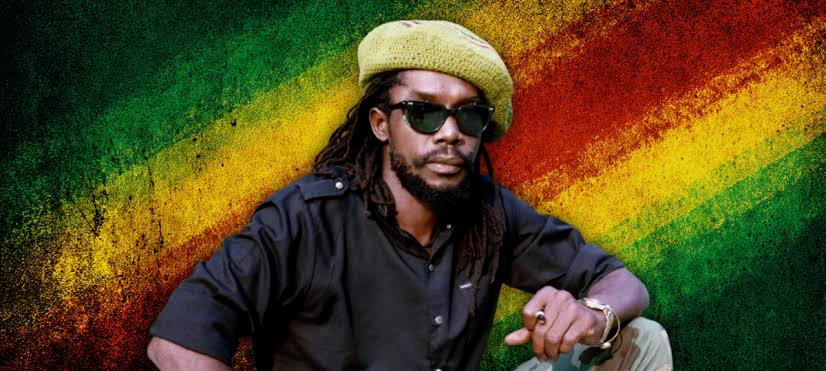
He sparked up on stage at the 1978 One Love Peace Concert in Kingston, admonishing politicians Michael Manley and Edward Seaga for their inaction on the issue, and was routinely the target of police harassment for his frequent possession.
In 1981, Tosh asked Rolling Stone magazine: “What am I without herb, and what is herb without me?” It was a rhetorical question if there ever was one. In an NME interview in 1978, Tosh also said “Herb will become like cigarettes.”
Legacy and Enduring Relevance
The word “prophetic” is overused in music writing, but in Tosh’s case the factual record supports it. Jamaica eventually decriminalized cannabis in 2015 and became more concerned with the trafficking trade at large over personal use, risking little more than a low-level ticket or a paltry fine for gratuitous public smoking.
The song itself has never left the cultural conversation. Sublime recorded “Legalize It” for Hempilation: Freedom Is NORML, a benefit album for NORML released by Capricorn Records in the 1990s.
To celebrate International Peter Tosh Day on April 20, 2017, the Peter Tosh Estate released a remix of the track.
The title track became an anthem for marijuana legalization advocates, reggae enthusiasts, and Rastafarians worldwide.
Its bold stance and catchy rhythm made it a staple at Tosh’s concerts and solidified his position as a formidable solo artist.
Though his commercial success was overshadowed by Marley, Tosh’s legacy endures as reggae’s uncompromising rebel. His name is invoked in debates on marijuana legalization, Rastafari identity, and cultural resistance.
His work earned the respect of fans and fellow musicians. He was a favourite of the Rolling Stones and recorded a duet with Mick Jagger, “(You Gotta Walk) Don’t Look Back,” in 1978.
Tosh was murdered in 1987 during a home invasion, cut down at 42, but the song he made as a newly solo artist continued its work without him.
Why “Legalize It” Still Matters in 2026
The “legalize it meaning” in 2026 is the same as it was in 1975: that a plant used for centuries in spiritual, medical, and recreational contexts should not be the basis for arresting, brutalizing, or imprisoning human beings.
Tosh made that argument in a groove so hypnotic that the world could not shut it out, no matter how many times broadcasters tried.
Fifty years after Peter Tosh first pressed “Legalize It” to vinyl, the track still lands like a dare you cannot refuse, because the dare is simply the truth.
The song remains the definitive statement of what reggae, at its most powerful, sounds like when it refuses to be polite: rooted, righteous, and entirely unwilling to wait.