

The song was already a TikTok and Facebook fixture before it even had a proper release. Snippets of “Owo Oluwa” had been circulating since around May and June, building a real audience for the track long before the mastered version arrived.
The title translates to “The Hand of God,” and that framing sets up everything the song is trying to do. Kizz Daniel leans into gratitude, divine protection, and faith here, which is a deliberate shift from where a lot of his recent output has sat.
Krizbeatz handles production, and the result is groovy percussion and rich melodies layered over dance-ready instrumentation. It keeps the record commercial enough to move through mainstream Afrobeats playlists while still carrying the communal, praise-oriented energy the concept calls for.
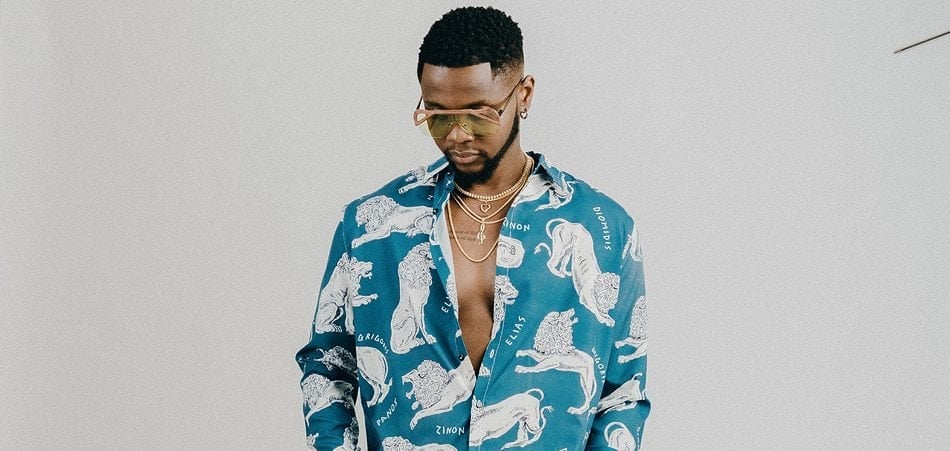
Young Jonn adds another melodic layer without crowding Kizz Daniel out of the centre, and Wave Choir does exactly what a choir should do in this context.
They deepen the collective-praise feeling without pulling focus from the lead performances, which is a harder balance to strike than it sounds.
The two have history together, going back to earlier collaborations like “Mama,” so there is a shorthand between them that shows up in how the song breathes.
Young Jonn has also built a strong solo profile in recent years, so his presence here carries weight beyond just a feature credit.
Kizz Daniel’s trajectory since “Woju” broke him out in 2014 has involved a lot of pivots, and this one feels considered rather than random.
The Afro-gospel lane has been growing steadily across the continent, with artists finding that spiritual themes and Afrobeats production are not mutually exclusive audiences.
The release also follows his June appearance alongside Naira Marley on “Ijoba,” which means he has been fairly active in the second half of the year.
That kind of momentum matters when you are trying to get a record with a pre-release life to convert casual listeners into actual streams.

What is interesting is how the song sits between two distinct listener groups without fully committing to either.
It is too groove-forward to be strictly gospel, and too spiritually centred to be brushed off as a standard Afrobeats club record. That ambiguity could work in its favour across playlists that do not usually overlap.
The built-in audience from the viral snippets gives “Owo Oluwa” a head start that most singles do not get. Whether the full version holds the same grip as those early clips is the real question now that it is out in the world.