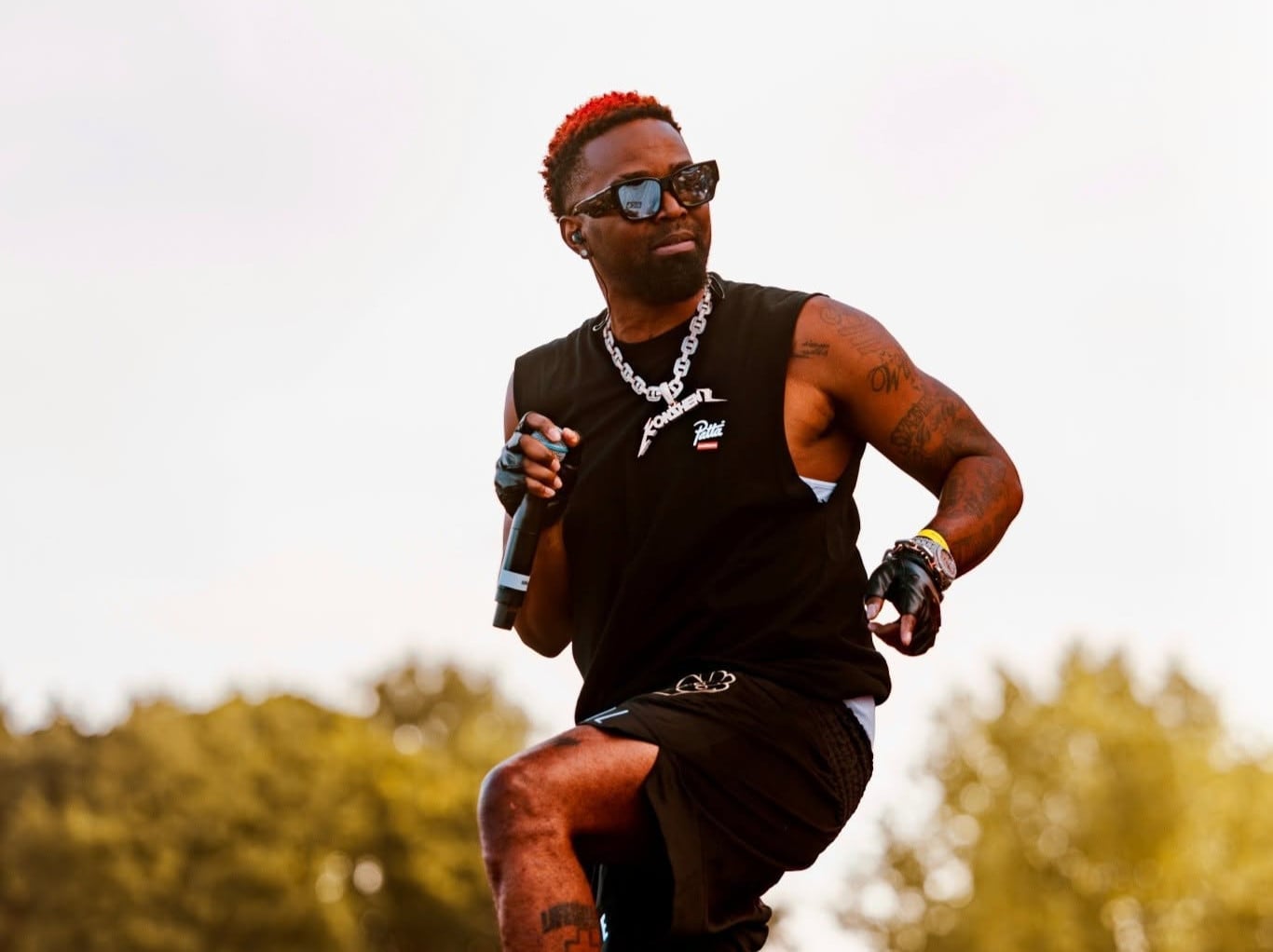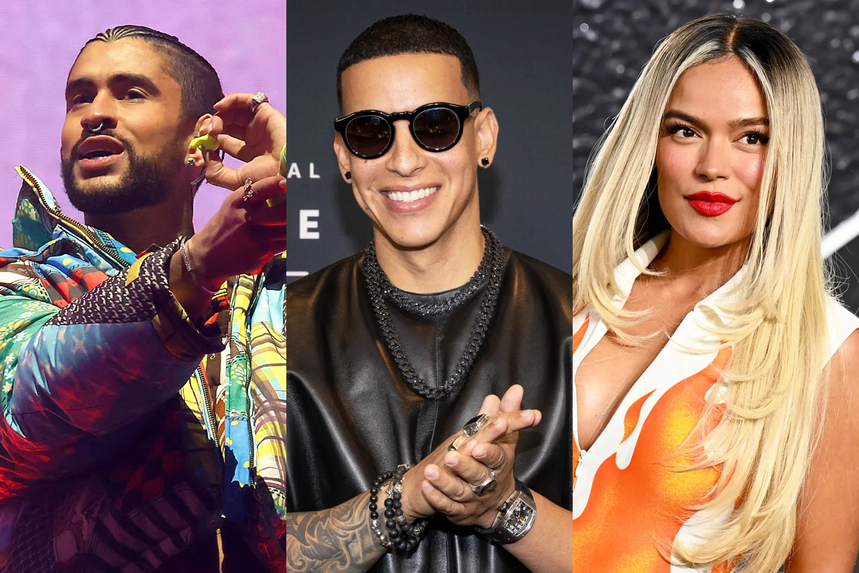

Daddy Yankee says he’s the one who gave reggaeton its name, back in 1992. The Puerto Rican star made the claim during a sit-down with Jack Coyne on “Track Star,” but the DJ who was in the studio with him remembers it as less of a christening.
A 2023 history published by El País traced Yankee’s use of the word to a DJ Playero recording from around 1991 or 1992.
Asked why Yankee said it, Playero put it plainly: “Nobody knows, neither him nor me. It was part of a song we were putting together.” He called it “a pure coincidence.”
The naming question was only part of the conversation. Yankee spent much of the interview handing out credit, naming The Notorious B.I.G. and Shabba Ranks as the artists who shaped him most.
On Biggie, he didn’t hold back. He’s a great legend and he inspired me a lot,” Yankee said, before listing Super Cat, Buju Banton and Beenie Man among the Jamaican artists who left a mark on Puerto Rican musicians.
He also called New York “the biggest bridge to reggaeton” and pointed to Héctor Lavoe’s “El Cantante.” “I’m a salsa boy, man, from the heart,” he said.
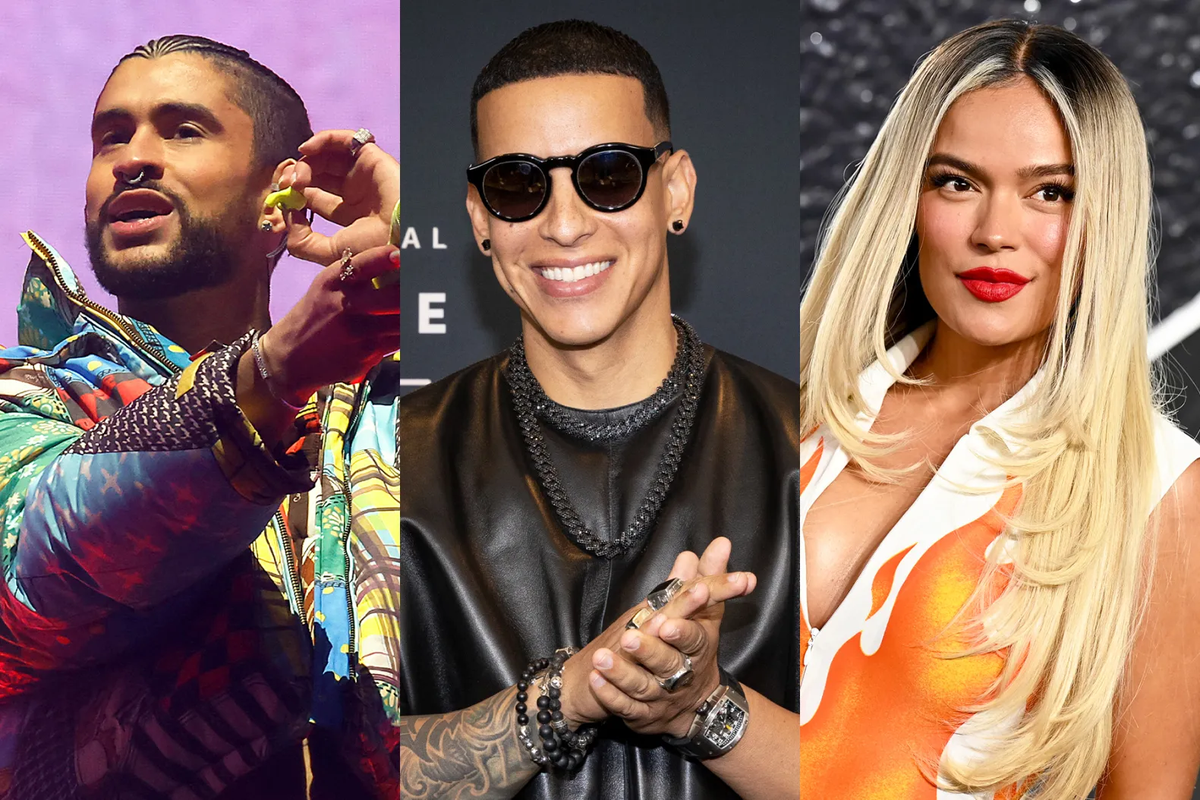
None of this is new territory for Yankee. In a 2007 interview with AllHipHop, he was asked if he saw himself as a reggaeton or Hip-Hop artist, and his answer was simple: “Both. Both of them.”
He explained back then that he started out as a Latin Hip-Hop artist before Playero, whom he called “the reggaeton godfather,” introduced him to reggae and dancehall. So thanks to him, I discovered reggaeton music,” he said.
Historians tend to describe the genre’s birth as a group effort rather than a single moment. Scholar Petra Rivera-Rideau, writing for the Library of Congress, traced the early sound, then known as underground, to Puerto Rican DJs in the early 1990s.
Pioneers like DJ Negro and Playero “combined sounds from US hip-hop, Jamaican dancehall, and Panamanian reggae en español” with ideas of their own, she wrote. That mix lines up neatly with the influences Yankee keeps naming.
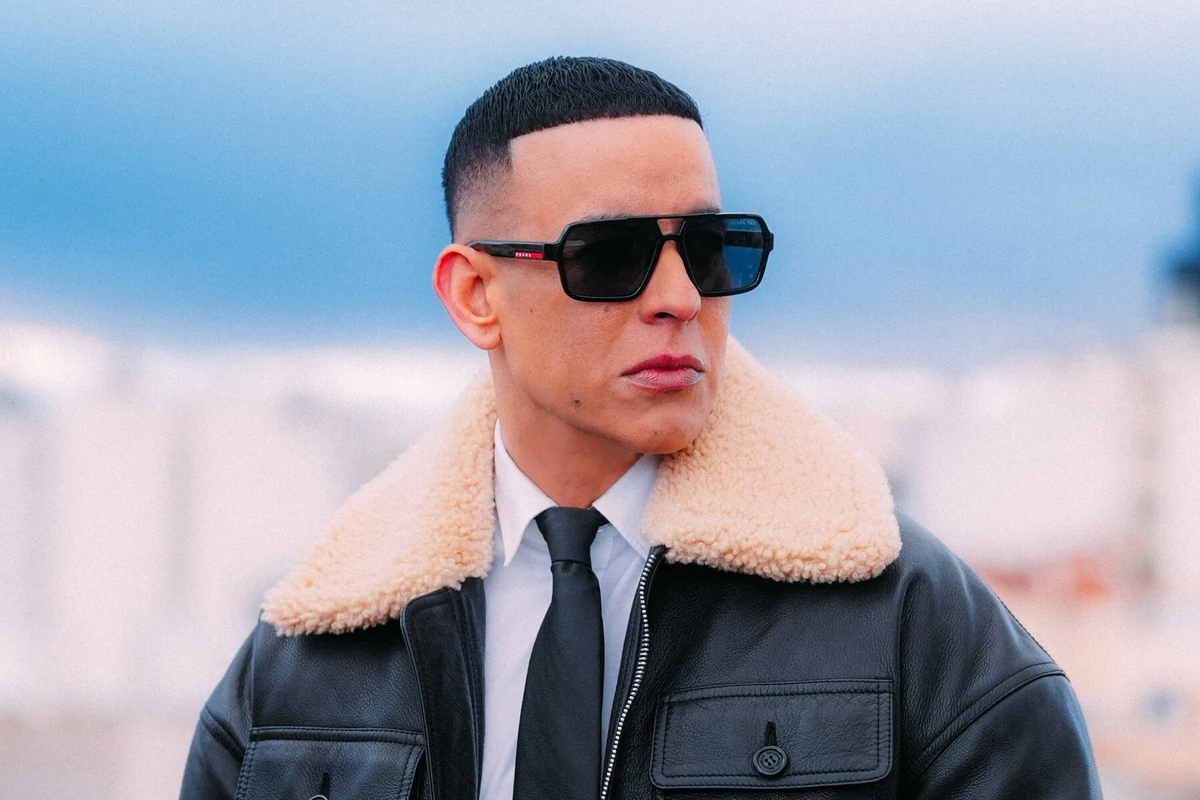
The scene itself lived on cassettes sold on Puerto Rican streets. DJ Adam Avilés recalled to El País that the music was called underground before it had a place on radio, television or store shelves.
DJs recorded young rappers over beats, moving the sound outside the usual industry channels.
Yankee eventually became the artist who carried that sound into the mainstream. “Gasolina,” from his 2004 album Barrio Fino, reached American rap and pop radio, MTV and BET, according to Rivera-Rideau, and in 2023 it entered the Library of Congress’ National Recording Registry.
The “Track Star” interview adds another layer to an origin story the genre’s founders are still telling in their own words. Playero calls it chance, Yankee calls it his, and fans are left weighing both versions.