

Jamaican proverbs are among the most vivid, layered, and enduring expressions of folk wisdom in the Caribbean world.
Short, powerful, and passed down through generations, they reflect the island’s deep cultural roots and are often delivered with wit, wisdom, and rhythm.
Whether you grew up hearing them from a grandmother in the country or you are encountering them for the first time, understanding what these sayings actually mean unlocks something essential about Jamaican identity.
This guide collects 60 of the most widely known Jamaican proverbs, explains their meanings in plain English, and groups them by theme so you can navigate them with ease.
Where Jamaican Proverbs Come From
Jamaican proverbs are a rich, expressive part of the island’s culture, deeply rooted in African heritage, and influenced by indigenous Taino, European (primarily British), and East Indian cultures.
Proverbs are an important element in folk tradition, used in everyday conversation. They serve an educational and social function, used to teach, inspiring caution, courage, and common sense.
Many of Jamaica’s proverbs show parallels with those of the two main sources from which they originate: the Asante culture of West Africa and the European influences.
However, many are purely Jamaican in origin, reflecting the innate wit and wisdom of the Jamaican people.
Expressed in the island’s distinctive Creole (Patois), they carry the wisdom of enslaved Africans who preserved their cultural heritage through storytelling, song, and the trickster figure Anansi the spider, a West African folk hero who uses wit to overcome the powerful.

Jamaican proverbs are passed down orally and are part of everyday conversations, celebrations, and even conflicts.
They are frequently used in storytelling and are integral to the performance of Jamaican folklore and Anansi stories, which originated from West African storytelling traditions.
One of the earliest formal collections of these sayings is Jamaica Negro Proverbs and Sayings Collected and Classified According to Subjects, published by the Institute of Jamaica in 1910 by Izett Anderson and Frank Cundall. That volume includes 1,383 proverbs and sayings, along with 72 riddles.
More than a century later, these sayings remain very much alive. Proverbs are frequently used by Jamaicans as road maps for life.
When said, Jamaican proverbs might be amusing, but there is always some lesson or another to be learned or some piece of knowledge to be imparted.
60 Jamaican Proverbs and Their Meanings
1. “If yuh want good, yuh nose haffi run.”
Translation: If you want good, your nose has to run.
To achieve good things, you must endure hardship. The image of a runny nose evokes the physical reality of hard labor in the tropical heat.
2. “One one coco full basket.”
Translation: One by one, the coco (a root vegetable) fills the basket.
Little by little, progress is made. Equivalent to “Rome wasn’t built in a day,” this proverb counsels patience with incremental effort.
3. “Every mickle mek a muckle.”
Translation: Every little makes a lot.
Small things add up over time. In Jamaica, language is more than just communication. A saying like “Every mikkle mek a mukkle” speaks to the resilience and resourcefulness of the people.

4. “No wait till drum beat before you grine you axe.”
Translation: Do not wait until the drum beats before you sharpen your axe.
Prepare before the moment comes. Readiness and foresight are valued above reactive scrambling.
5. “Tek time mash ant, yuh get im guts.”
Translation: Take your time to crush the ant, and you will get its insides.
Be gentle and patient, and you will succeed. Brute force is not always the answer; deliberate action produces results.
6. “A nuh want a fat mek nightingale.”
Translation: It is not wanting that fattens the nightingale.
Desire alone doesn’t bring success. Wishing for something changes nothing; only consistent action does.
7. “Patient man ride jackass.”
Translation: The patient man eventually rides the donkey.
Patience pays. The donkey represents opportunity, and it comes to those who wait their turn rather than forcing their way.
8. “Mi cum yah fi drink milk, mi no cum yah fi count cow.”
Translation: I came here to drink milk, I didn’t come here to count cows.
This is a reminder that we should conduct business in a straightforward manner. It also means that you should deliver what you promise and not waste time talking about it.
9. “Rockstone a river bottom nuh know sun hot.”
Translation: The rock at the river bottom doesn’t know how hot the sun is.
This is a reminder that if our circumstances are not similar to those of another person, we cannot exactly relate to their experience.
10. “Yuh ‘fraid fi yeye, yuh neber nyam head.”
Translation: If you are afraid of the eye, you will never eat the head.
This Jamaican saying means that you shouldn’t care too much about the opinions of others, because it will hold you back.
11. “Who cyaan hear, mus feel.”
Translation: Who cannot hear must feel.
If you don’t listen, you’ll suffer the consequences. One of the most frequently cited Jamaican proverbs, it is a classic warning from parents and elders to the young.
12. “Every day bucket go a well, one day di battam drop out.”
Translation: Every day the bucket goes to the well, one day the bottom will drop out.
You can’t get away with wrong forever; it will catch up. Repeated reckless behavior eventually meets its breaking point.
13. “You cyaan plant corn and reap peas.”
Translation: You cannot plant corn and reap peas.
You reap what you sow. Actions have direct and proportional consequences.
14. “Hard ears pickney nyam rockstone.”
Stubborn children suffer the most. Those who refuse guidance eventually learn their lessons the painful way.
15. “If yuh mek yuh bed hard, yuh haffi lay pon it.”
Translation: If you spread your bed hard, you must lie on a hard bed.
You must accept responsibility for your actions, and whatever you sow, you will surely reap.
16. “Trouble nuh set like rain.”
Translation: Trouble doesn’t arrive with warning the way rain does.
Trouble comes unexpectedly. Unlike rain, which gives visible cues, misfortune strikes without announcement.
17. “After laugh come cry.”
Good times can be followed by sorrow. A warning not to become too comfortable or complacent during joyful periods.
18. “De longest rope ha an end.”
Everything eventually ends. No situation, good or bad, lasts indefinitely.
19. “Man a plan, God a wipe.”
Human plans often fail without divine will. Humility before a higher power is built into this one.
20. “What is fi yuh cyaan be un-fi yuh.”
Translation: What is yours cannot be un-yours.
What’s meant for you will come to you. A proverb of faith and patience rooted in spiritual belief.
21. “Cockroach no business inna fowl fight.”
Translation: A cockroach has no business in a chicken fight.
Stay out of trouble that doesn’t concern you. Getting involved in the conflicts of others can get you crushed.
22. “See and blind, hear and deaf.”
Translation: See and be blind, hear and be deaf.
Sometimes it’s best to ignore what you see or hear. Discretion, particularly in other people’s affairs, is a virtue.
23. “Weh eye nuh see, heart nuh leap.”
Translation: What the eye doesn’t see, the heart doesn’t leap.
The proverb means that people often don’t worry about things they aren’t aware of or can’t see. It’s similar to the English saying “out of sight, out of mind.”
24. “Yu cyaan hide an buy land.”
Translation: You can’t hide and buy land.
The meaning behind this saying is that you cannot keep secrets if you are involved in public affairs.

25. “Nuh mek yuh lef han know weh yuh right han a do.”
Translation: Don’t let your left hand know what your right hand is doing.
Do good quietly; don’t boast. Generosity and good deeds need no audience.
26. “Finger neber say ‘look here,’ him say ‘look yonder’.”
Translation: The finger never says “look here,” it only says “look there.”
People avoid pointing at their own faults. People tend to point out other persons’ flaws and ignore the same flaws within themselves.
27. “A nuh everyting good fi eat, good fi talk.”
Translation: Not everything that is good to eat is good to talk about.
Some matters are best kept private. This proverb stresses how much privacy and discretion matter to Jamaicans. It also serves as a reminder that some matters are best kept private.
28. “Chicken merry, hawk deh near.”
Translation: When the chicken is merry, the hawk is nearby.
Enjoyment can be followed by danger. When things seem most carefree, it is often the moment to be most alert.
29. “If yuh get yuh han’ inna di devil mout’, tek it out gently.”
Translation: If you get your hand in the devil’s mouth, take it out carefully.
Handle dangerous situations carefully. When you find yourself in a bad spot, a calm exit beats a reckless one.
30. “Nuh call alligator long mout til yuh cross di river.”
Translation: Don’t call the alligator long-mouthed until you’ve crossed the river.
Don’t provoke trouble before you’re safe. Save the critique for when you are out of harm’s reach.
31. “No matta how kokkuch junk, im noh waak pass fowl yaad.”
Translation: No matter how drunk the cockroach becomes, he will never walk past the fowl’s yard.
This proverb teaches us to not put ourselves in situations where we will likely get hurt.
32. “Yu nebba see sumoke widout fiyah.”
Translation: You never see smoke without fire.
This Jamaican proverb means that there is usually some truth to all rumors.
33. “Sugar and salt favor.”
Translation: Sugar and salt look alike.
Not everything sweet is good; appearances deceive. Things that look identical on the surface can be very different in practice.
34. “De same sun weh melt butter, harden clay.”
Translation: The same sun that melts butter hardens clay.
The same situation affects people differently. Resilience is a matter of character, not circumstance.

35. “Old fire stick easy fi ketch.”
Translation: An old fire stick is easy to catch.
Old flames or habits return easily. Past relationships and entrenched behaviors are never entirely extinguished.
36. “Di higher de monkey climb, di more him expose.”
Translation: The higher the monkey climbs, the more it is exposed.
The more you rise, the more scrutiny you’ll face. Public success comes with public examination.
37. “Every dog have him day, and every cat have him four o’clock.”
Translation: Every dog has its day, and every cat has its four o’clock.
Everybody’s good fortune arrives at a different time. This proverb reminds us that we shouldn’t act as though we are better than other people, or allow our position to blind us to the fact that even those we least expect might be given tremendous opportunities.
38. “Jackass seh di world no level.”
Translation: The jackass says the world is not level.
Life isn’t always fair. Even the most hardworking creature can feel the weight of an uneven playing field.
39. “Rain a fall but dutty tough.”
Translation: The rain is falling but the ground is tough.
Even with resources, progress can be slow. Having the right conditions does not guarantee an easy outcome.
40. “Cowad man kip soun’ bone.”
Translation: A cowardly man keeps sound bones.
This Jamaican proverb means that it is better to be thought of as a coward than to put yourself into danger and get hurt. Discretion and self-preservation are rational choices.
41. “De dawta follow mumma footstep.”
Translation: The daughter follows in the mother’s footsteps.
Children often imitate their parents. Values, habits, and patterns are transmitted within families whether spoken or not.
42. “Every hoe have dem stick a bush.”
Translation: Every hoe has a stick in the bushes.
Meaning there is someone out there for everyone. This proverb is meant to inspire people who might be on the verge of giving up on their search for true love.
43. “Dawg wid too much owna go a bed widout suppa.”
Translation: A dog with too many owners goes to bed without supper.
When too many people share responsibility for something, no one takes real ownership and the task goes undone.
This maxim, documented in the Jamaica Information Service collection, warns against diffuse accountability.
44. “Nuh cook yuh goat inna di same pot wid lion.
Translation: Don’t cook your goat in the same pot with the lion.
Don’t mix with dangerous company. The company you keep determines your outcome.
45. “Hungry mek monkey swing pon wire.”
Translation: Hunger makes the monkey swing on wire.
Desperation drives risk-taking. When basic needs are unmet, people will attempt things they otherwise would not.
46. “Tek whey yuh get tell yu get whey yu want.”
Translation: Take what you can get until you get what you want.
This proverb teaches us to take every opportunity and use it as a stepping stone to get your ultimate goal.
47. “New broom sweep clean, but old broom know di corners.”
New people may be efficient, but the experienced know the ins and outs. Experience cannot be replaced by enthusiasm alone.
48. “Cow neva know di use a him tail til him lose it.”
Translation: The cow never knew the use of its tail until it lost it.
You don’t know the value of something until it’s gone. Appreciation rarely precedes loss.
49. “Patience cyaan spoil.”
Translation: Patience cannot spoil.
Good things come to those who wait. Unlike food, patience never goes bad and never works against you.
50. “You cyaan see di whole worl’ through a keyhole.”
Translation: You cannot see the whole world through a keyhole.
Don’t be narrow-minded. A limited vantage point produces a limited understanding.
51. “Ef yu cyaan get turkey, yu haffi satisfy wid Jancro.”
Translation: If you can’t get turkey, you have to be satisfied with John Crow (a vulture).
This proverb means that we should be prepared to accept a situation that may not be to our liking if we cannot get what we truly want.
52. “What sweet goat mouth, sour him belly.”
Translation: What tastes sweet to the goat will eventually upset its stomach.
Be careful of pleasures that feel good now but cost you later. Temptation and instant gratification frequently carry hidden costs.
53. “Death nuh have calendar.
Death is unpredictable. This proverb urges people to live fully and not delay what matters.
54. “If yu bawn fi heng, yu caan drown.”
Translation: If you were born to hang, you cannot drown.
A man cannot be killed in any manner other than that in which he was destined to die. Fate is fixed; fear of the wrong thing is wasted energy.
55. “Trouble deh pon top di roof and people a look through di window.”
Translation: Trouble is on top of the roof and people are looking through the window.
Obvious problems are often ignored. The tendency to look in the wrong direction when the answer is visible is a universal human failing.
56. “Every hoe have dem stick a’ bush, and every proverb has its partner.”
The practical wisdom of traditional local sayings is an endearing and integral part of Jamaican culture.
The proverbs organically give well-heeded guidance, while reflecting and encouraging the people’s resourcefulness and resilience.
57. “Di Mug nuh bruk, so di coffee nuh waste.”
Translation: The mug is not broken, so the coffee is not wasted.
Even in the most difficult of times, if total devastation has not occurred, one should count his or her blessings.
58. “Ole time ting come back again.”
Translation: Old-time things come back again.
While novelty can be exciting and have its merits, it’s essential to recognize the value of experience, which often provides a more stable and reliable foundation for decision-making and problem-solving. We should aim to achieve a harmonious fusion of the old and new.
59. “Still river run deep.”
Translation: A still river runs deep.
Never underestimate a quiet person. As humans, we tend to make assumptions about people based on our initial interactions with them. If someone is quiet or reserved, we perceive them to be weak or incapable.
This proverb teaches us that quietness does not equate to weakness, as it can often conceal hidden strengths. It reminds us that judging people solely by their outward demeanor is unwise.
60. “Jackass tired but im tail nah stop shake.”
Some people never learn or slow down. No matter how exhausted or beaten by life, some individuals keep repeating the same patterns.
Why Jamaican Proverbs Still Matter in 2026
In Jamaican life, storytelling traditions are still celebrated through folk gatherings, family gatherings, and educational programs where elders use proverbs to impart wisdom to younger generations.
British colonial rule left an indelible mark, and early Jamaicans often used proverbs to subtly criticize or resist authority, expressing their values and aspirations.
The Rastafarian movement of the 20th century reintroduced African spiritual beliefs, language, and proverbs into mainstream culture, celebrating ideas of freedom, self-worth, and respect for nature.
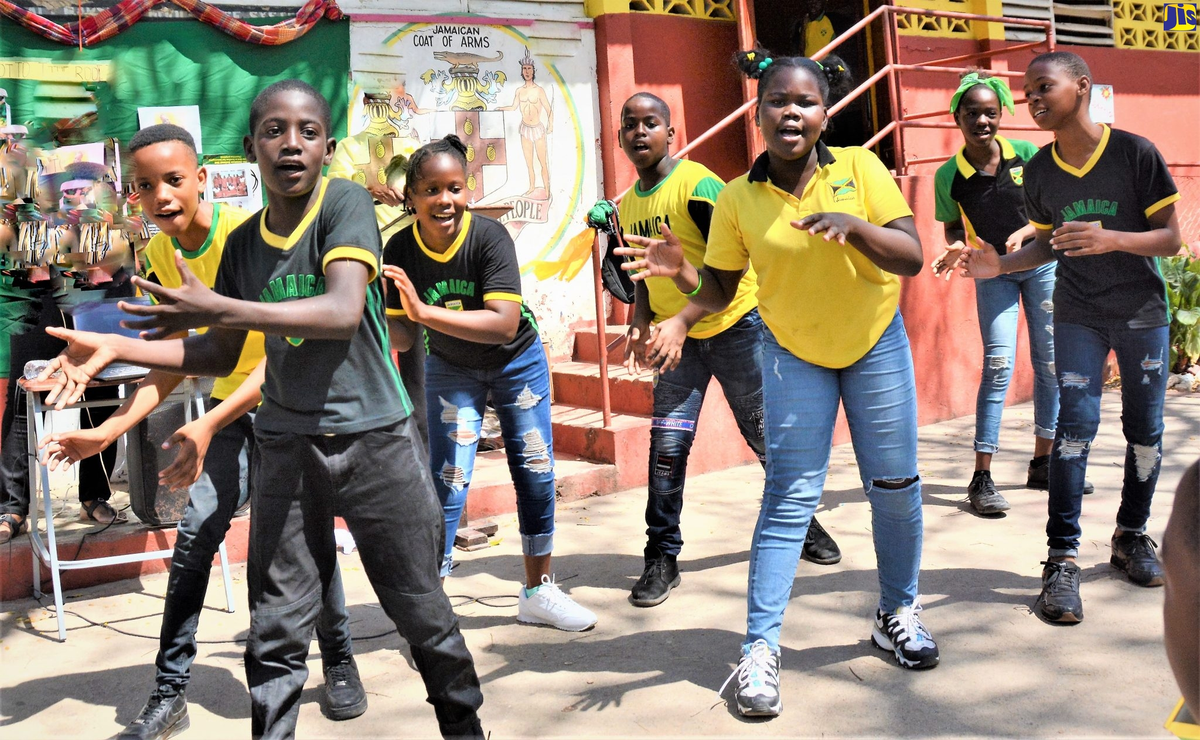
Today, these sayings travel far beyond the island. The Jamaican concept of ‘likkle but tallawah’ (small but mighty) captures the spirit of a tiny island that has produced outsized global cultural influence through reggae, dancehall, Rastafari, and athletic achievement. Jamaican proverbs continue to shape how Jamaicans speak, teach, and understand life.
Whether heard from a grandmother in the countryside or dropped casually in conversation in Kingston, these sayings remain one of the most powerful expressions of Jamaican culture and language.
Jamaican Patois isn’t just slang. It is a survival language, and every proverb is a one-line summary of a life lesson learned the hard way.
That compression of hard-won truth into a single sentence is why Jamaican proverbs endure, passed from mouth to ear across generations and across the globe.