

Wyclef Jean has a simple message for veterans of the rap game: your championship rings mean nothing to a 19-year-old trying to take you into the paint.
In a conversation with AllHipHop’s Chuck Creekmur and DJ Thoro, the Fugees co-founder made it plain that past greatness is not a free pass to present-day respect.
“If you compete and beat him by three points, his whole conversation changes,” Wyclef said, framing the elder-versus-younger dynamic as something that has to be settled on the court, not in interviews.
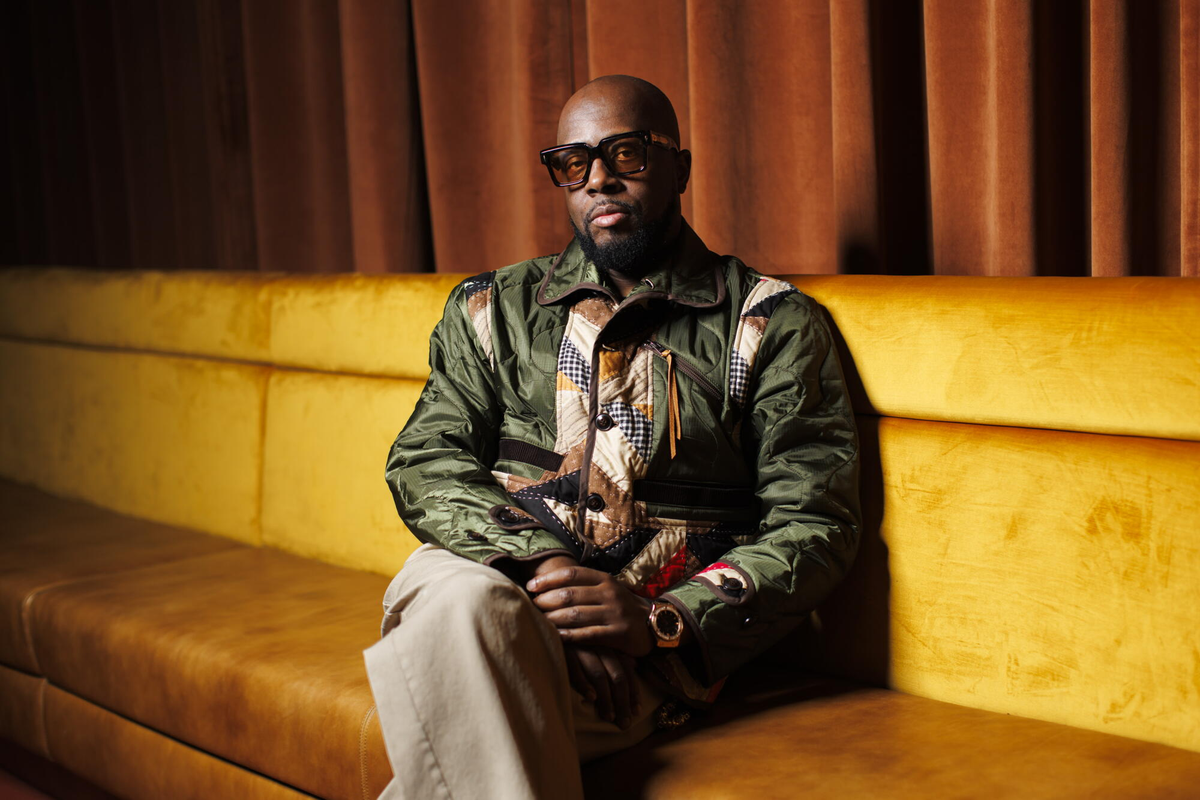
He backed it up with a direct personal standard: “Any young artist who meets me in the paint, I’m going to out-bar him.”
The conversation came as Wyclef prepares to release Clef Notes: Quantum Leap, Vol. 1, the opening chapter of an ambitious seven-part musical series dropping in 2026.
The project arrives with a lot of history behind it, including the fact that he co-wrote and produced Whitney Houston’s “My Love Is Your Love,” which he described as coming directly from a church headspace.
“If tomorrow is judgment day, and I’m standing on the front line,” he said, quoting the lyric. “That is the church. That is a cheat code for me.”
The song has since become one of Houston’s most recognized recordings, yet Wyclef brushes off the idea of leaning on that legacy.
He is openly skeptical about chasing accolades at all. When asked if he ever feels underappreciated, his response was almost philosophical: “I don’t think geniuses get credit while they are alive.
That is why they are geniuses.” He pointed to Young Thug naming a song after him and G Herbo calling to sample “911” for a track called “Emergency” as the kind of recognition that actually matters to him.
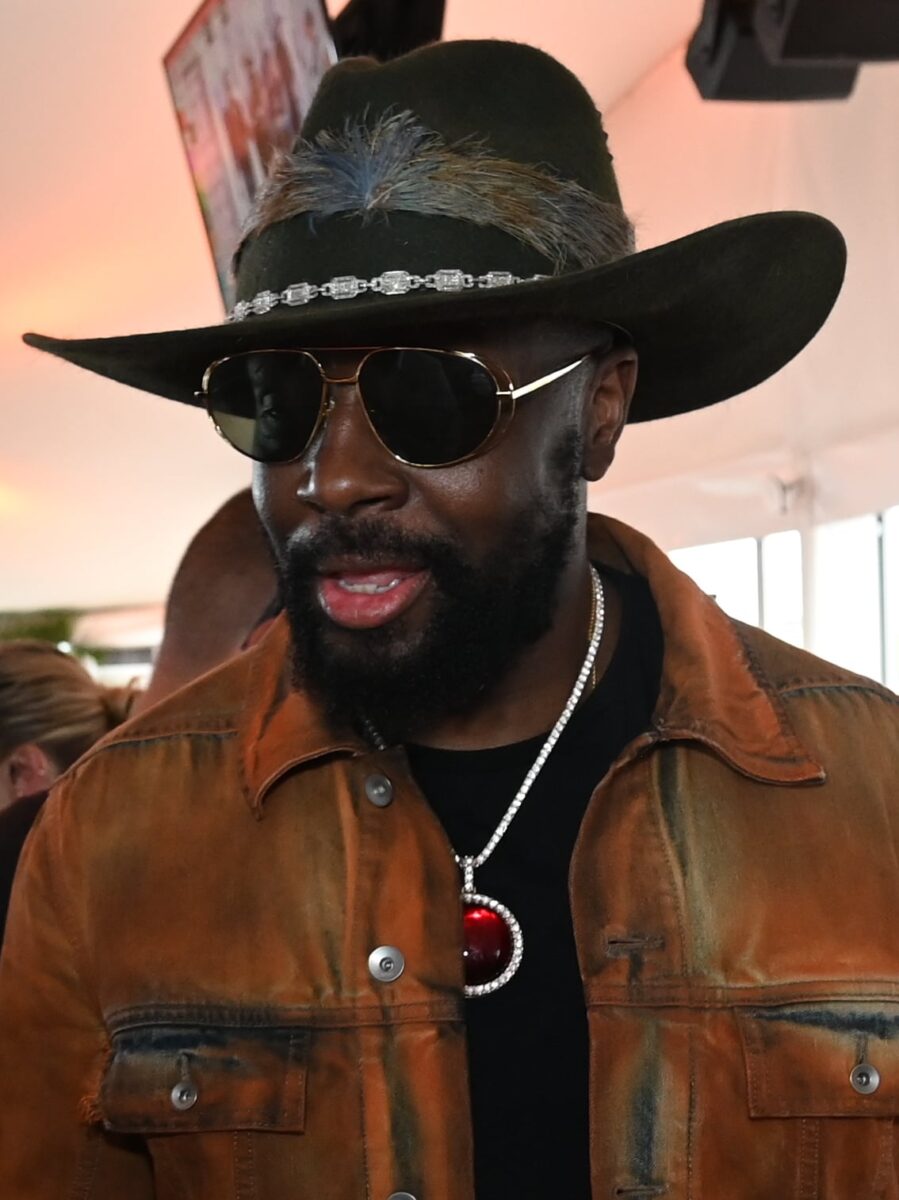
The algorithm question came up too, and Wyclef was just as blunt there. He said he came up in 1994 being told he was not on the radio, not popping, and his answer was that there was something bigger than radio.
“The world,” he said. Whatever wasn’t banging in the tri-state was playing in Nigeria. Whatever wasn’t playing in Nigeria was playing in South America.”
That global perspective shapes how he talks about making music now. He told veterans not to wait for algorithmic approval, and to take five, six, or seven years on a project if that is what it needs. “Don’t let it be trash,” he said, with no softening around the edges.
The interview also moved into territory that surprised even the hosts, with Wyclef confirming that “Perfect Gentleman” remains one of the biggest strip-club records in the world.
He traced it back to a real girl named Maxine and a spot called Go-Go near his high school, and said women in those clubs have thanked him personally for the song. He framed it as proof that a musician willing to touch every corner of culture will always find an audience somewhere.
On the film side, Wyclef made a case for a serious Hollywood production about the Haitian Revolution, specifically about Toussaint Louverture, the general who helped establish the first Black republic in the Americas.
He mentioned that Lauryn Hill sent him an old film on the subject, and that Danny Glover once tried to make it happen. With generative AI changing what is financially possible, Wyclef believes the moment has finally arrived. I see it as something serious, like when we watched Roots,” he said.

Shottas came up, as it always does. Wyclef said he cannot escape it regardless of what else he accomplishes, and he credited director Cess Silvera’s willingness to improvise on set as the reason the film feels so real. “When you watch Shottas, it doesn’t feel like anybody is acting,” he said. “Everybody feels like someone you would actually know.”
He also spoke about the Haitian community’s presence throughout the music industry, not just as artists but as executives, managers, and, in his words, bodyguards.
“They are the ones who let the rappers talk because the rappers know the Haitians are watching them, especially in Florida,” he said, with a laugh in his voice but a point underneath it.
Wyclef also connected the film Sinners to his own upbringing as a preacher’s kid, saying the church gave young people fear instead of logic.
He described being told he could not serve two masters after getting kicked out for secular music, and said what the church should have done was have a straight conversation about the real situations people end up in. “Can we find a middle ground and have a conversation about logic?” he asked. “I didn’t say you aren’t going to burn. I’m just saying, let’s talk.”
He closed the elder-versus-younger conversation with a warning that cuts both ways. If a veteran rapper cannot keep up with Lil Wayne or match G Herbo’s energy, they are, in his words, dead in the water.
A legend once approached him at an awards show wanting to collaborate, and the story of what happened next was left unfinished, hanging in the air.