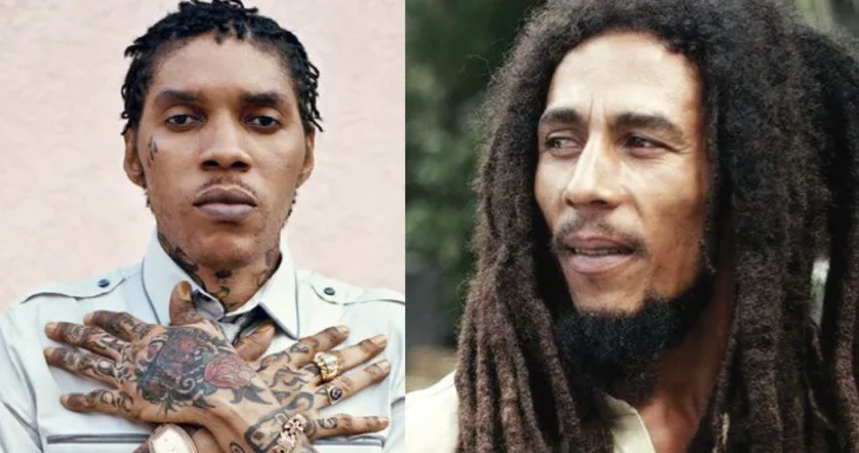

Skatta Burrell just said something that a lot of people are going to have strong feelings about.
In a recent interview with TVJ News, the veteran producer and industry figure claimed that no artist, dead or alive, has matched Vybz Kartel’s influence over the last decade, and that he genuinely believes the Worl’boss story will eventually grow bigger than Bob Marley’s.
That kind of statement does not land quietly, and it did not.
Anthony Miller pushed back almost immediately, pointing to the fact that Bob Marley still holds positions on Billboard and international charts years after his death, which for Miller is the clearest possible evidence that Marley remains the greatest reggae artist of all time, full stop.
Skatta Burrell did not back down, but he did add some important context to his position.
He acknowledged that Kartel is an independent artist who does not have the kind of industry machinery behind him that would push him onto those global charts, and that alone changes the comparison significantly.
What makes Burrell’s argument interesting is the point he made about Marley’s own timeline.
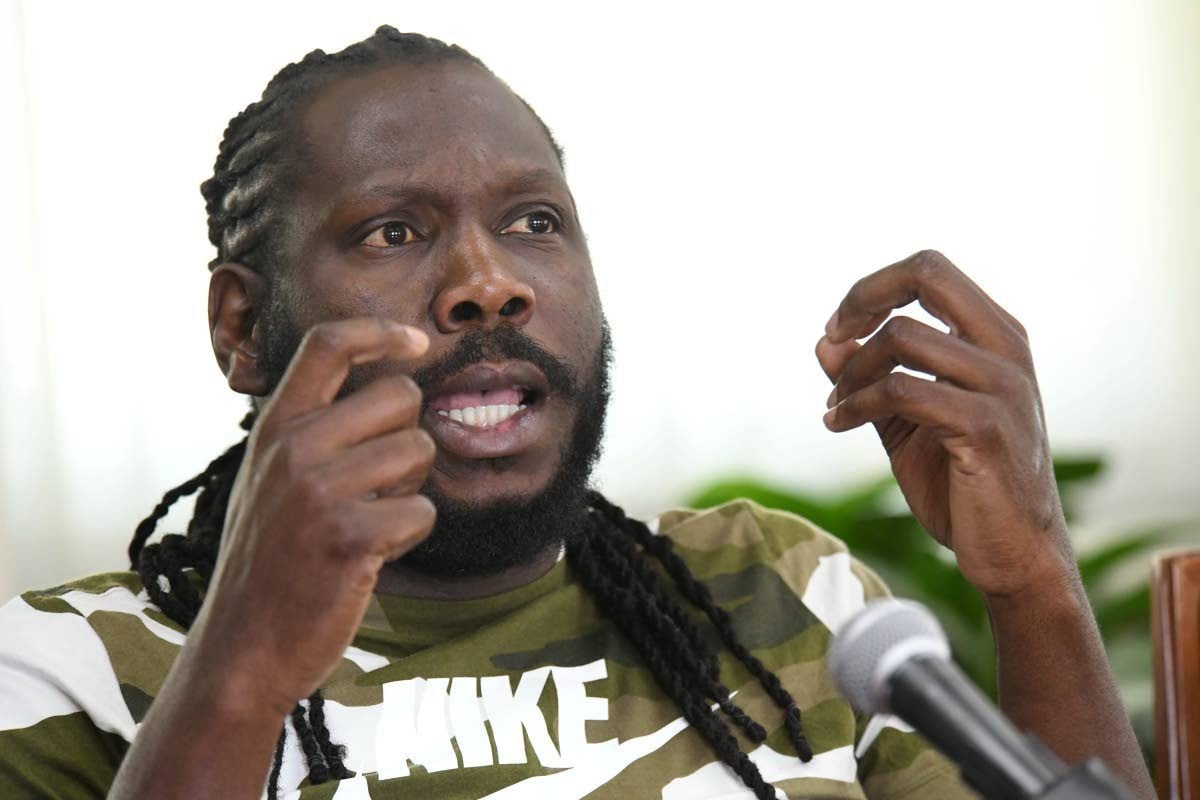
He noted that Marley truly cemented himself as a legend after his death, and that his family played a huge role in building and protecting that legacy over the decades, which raises a real question about how Kartel’s story might develop from here.
Kartel’s situation is unlike almost anything else in music history. He recorded an enormous amount of music while incarcerated, maintained a fanbase that never really cooled off, and recently walked free after his murder conviction was overturned, a moment that sent shockwaves through the Caribbean and the diaspora worldwide.
The Marley comparison will always be a difficult one to make in reggae and dancehall circles, because Marley’s reach crossed cultural and language barriers in a way that very few artists in any genre have ever managed.
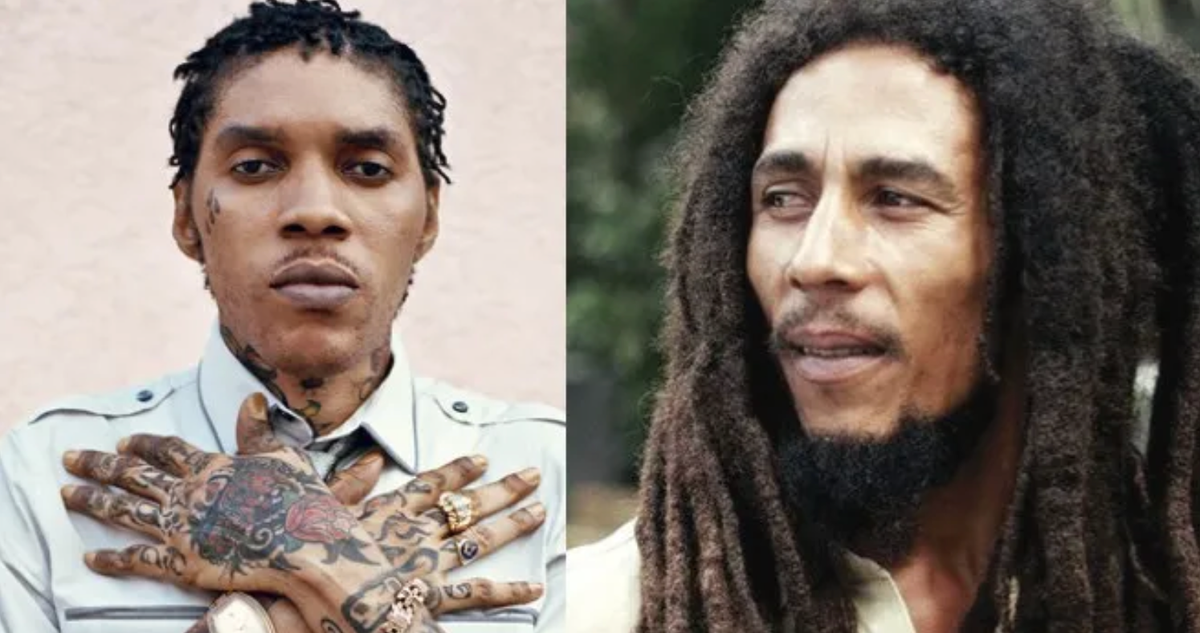
His music became tied to political movements, spiritual identity, and a global image of Jamaica that still defines how much of the world sees the island.
Kartel’s influence, on the other hand, is deep in a different way. He reshaped the sound, the slang, the fashion, and the culture of dancehall so thoroughly that artists coming up today still carry his fingerprints whether they acknowledge it or not. That kind of cultural grip is hard to measure on a chart.
Burrell’s framing, that legacy is something built over time and often accelerated after an artist’s death, is worth sitting with.
Marley passed at 36 and his story has only grown in the four decades since. Kartel is alive, free, and still very much in the game.
The conversation between Burrell and Miller reflects a wider debate that fans and critics in the dancehall world have been having for years, quietly and not so quietly.
Now that Kartel is out and the world is watching what he does next, that debate is only going to get louder.