

The detail that might actually decide Lil Durk’s fate has nothing to do with whether he pulled a trigger. It comes down to a single agreed instruction buried in an 82-page filing that tells jurors a defendant can be convicted of murder-for-hire resulting in death even if they never personally committed the act, as long as they aided and abetted in its commission.
That one line is the prosecution’s clearest path to a guilty verdict. Instead of proving Lil Durk fired a weapon, they only need to convince the jury he financed, ordered, or helped coordinate the alleged plot targeting Quando Rondo after King Von was killed in 2020.

The current Los Angeles trial covers five counts, including stalking conspiracy, stalking Rondo with a dangerous weapon, stalking resulting in death, murder-for-hire conspiracy, and murder-for-hire resulting in death.
Lil Durk is being tried alongside co-defendants DeDe and Browneyez, with the 59 proposed instructions filed on August 12 laying out the legal framework that will guide the jury through each count and each defendant separately.
The problem for prosecutors is that the person who died was not Quando Rondo. The 2022 shooting killed Saviay’a Robinson, known as Lul Pab, which creates a disputed legal question about whether that wrong-target killing counts against each defendant under co-conspirator liability rules.
That dispute is still unresolved, and Judge Michael W. Fitzgerald has to settle the exact wording before the jury gets its final instructions.
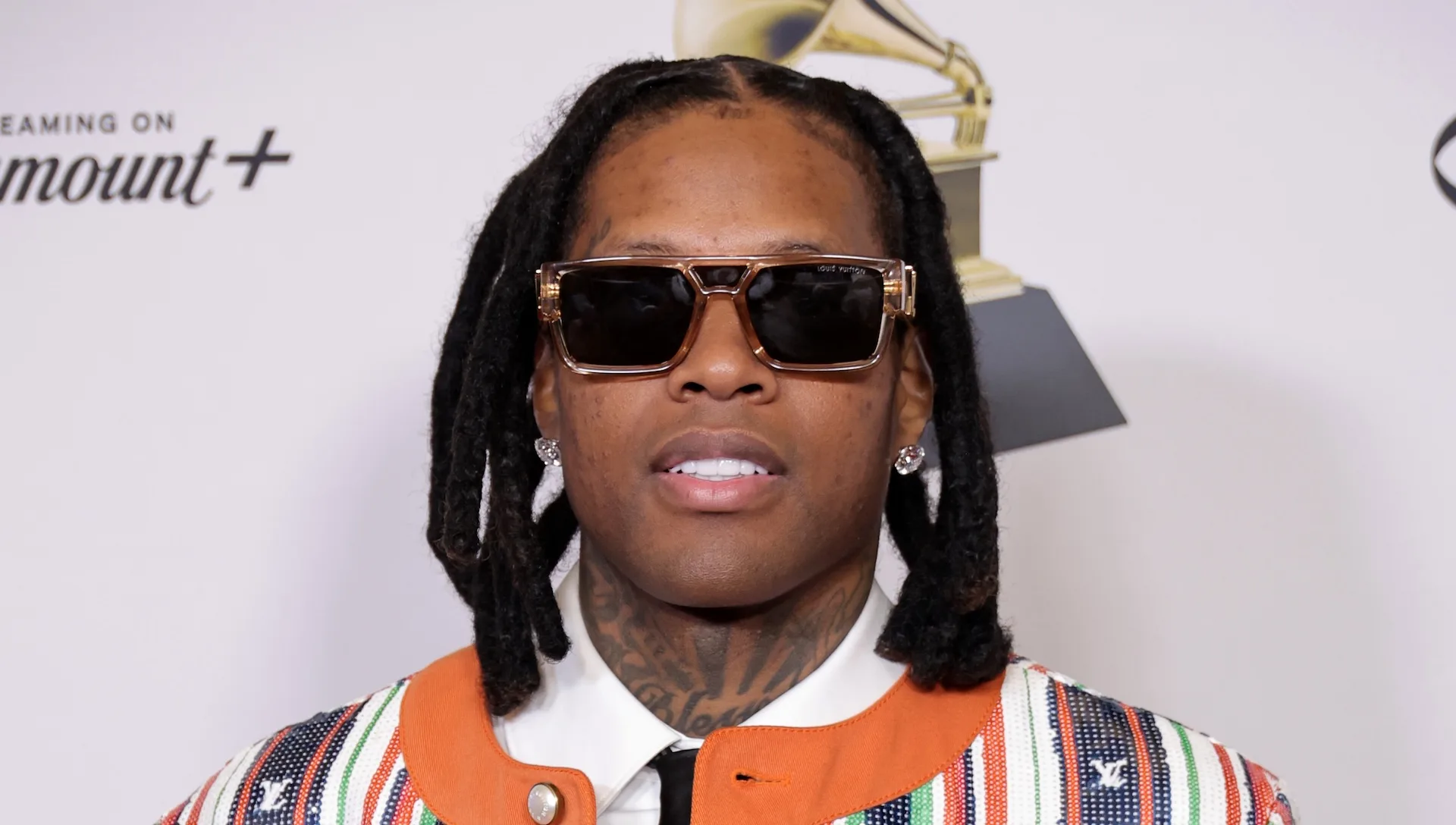
Lil Durk’s defense gets its own foothold in another agreed instruction, one that explicitly separates criminal participation from simply being around people who commit crimes.
The instruction states that mere presence at the scene of a crime, or mere knowledge that a crime is being committed, is not enough to establish guilt, and that the defendant must be a participant and not merely a knowing spectator.
That language directly supports the argument his legal team has been pushing throughout the trial, which is that OTF Vonni organized the entire operation while carrying out what he described as routine duties for the rapper.
The cooperating witnesses are where things get genuinely complicated. OTF Vonni, OTF Jam, and Flacka all pleaded guilty before agreeing to testify against Lil Durk, and defense lawyers have spent considerable time during cross-examination pointing to shifting accounts, recorded prison calls, and the obvious incentive each witness has to cooperate in exchange for a lighter sentence.
The jury instruction on witness credibility gives jurors explicit permission to reject everything a witness said if they decide that person deliberately lied about something important, or to pick and choose which parts they believe.
That instruction could carry enormous weight given how much of the prosecution’s case appears to rest on cooperator testimony.
Lil Durk has maintained throughout that he is not guilty, and his defense has framed OTF Vonni as someone who ran the alleged operation independently and then pointed the finger at his former employer to avoid mandatory life imprisonment.
Whether the jury finds that believable after hearing from witnesses who had every reason to cooperate is one of the central questions the trial has not yet answered.

Instruction 32, which deals with cooperator credibility specifically, is listed as disputed in the joint filing, though neither side’s proposed wording is reproduced in the document.
That means one of the most consequential pieces of language the jury will hear is still being argued over behind the scenes.
Judge Fitzgerald’s rulings on the disputed instructions will shape how much room jurors have to discount the testimony they’ve already heard.
The trial is still moving, and the final instructions have not been delivered yet.