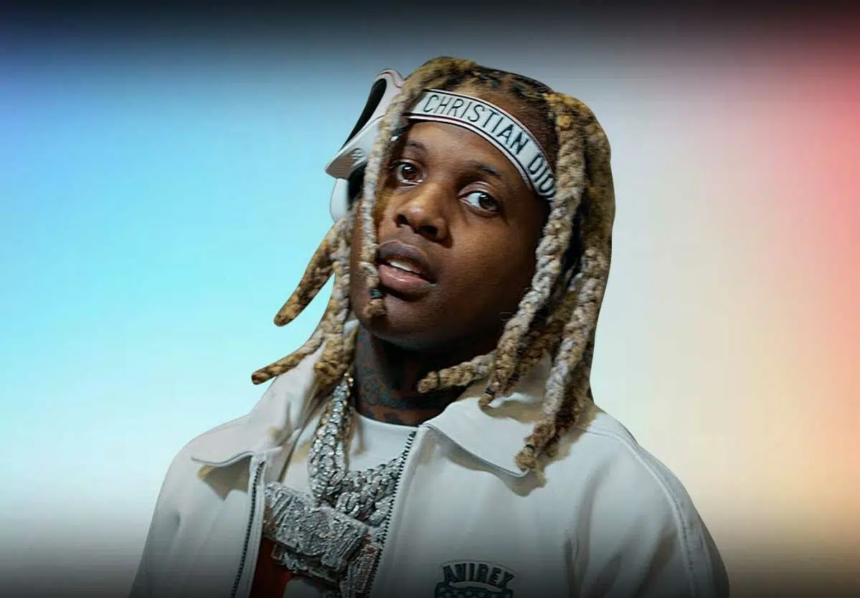

Jury selection in Lil Durk’s murder-for-hire trial kicked off Thursday, August 20, and the list of evidence the court has greenlit is a lot to take in.
A judge spent the days leading up to trial ruling on what the jury will and won’t be allowed to see, and some of those decisions are going to shape this case in ways that go well beyond a simple criminal proceeding.
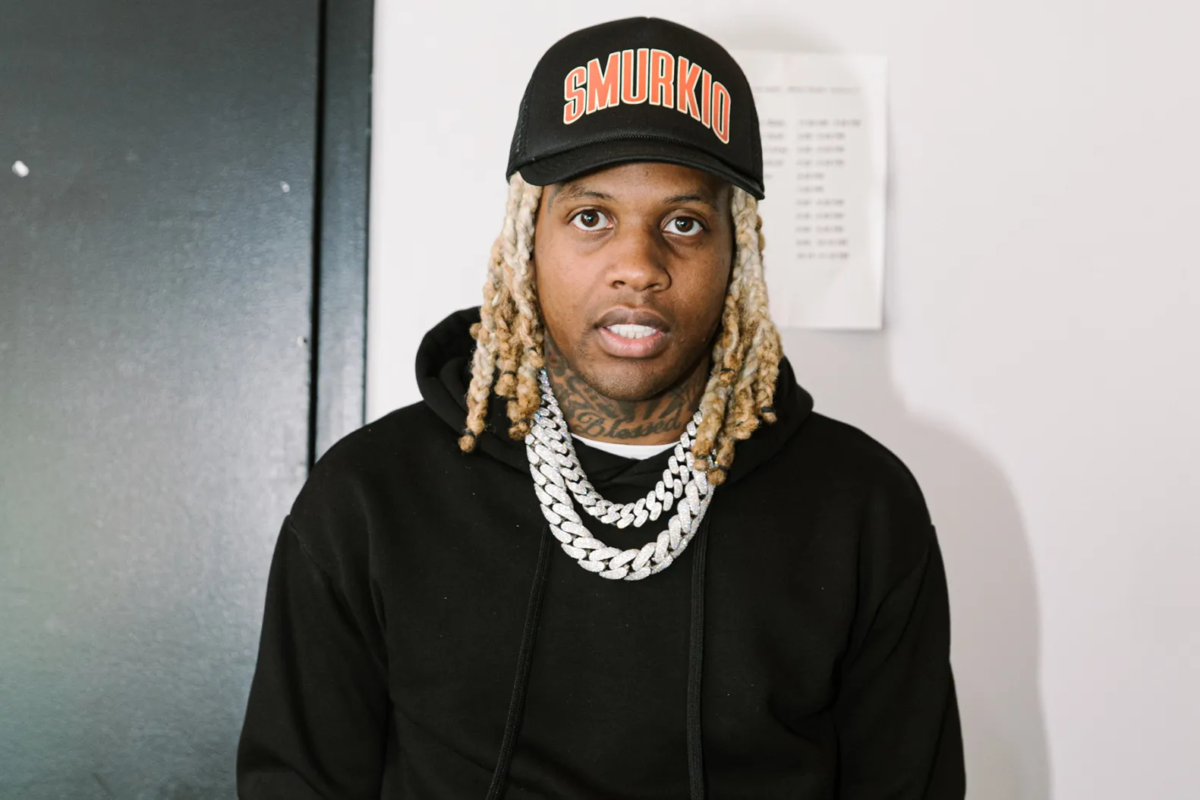
Two DJ Akademiks interviews are in. One features Durk himself, and the other is a separate sit-down with 6ix9ine and Wack 100, where the two publicly called out Durk for not retaliating after King Von was killed in November 2020.
The prosecution reportedly has a witness lined up to testify that Durk felt real pressure from that public criticism, which goes directly to motive.
That motive, according to prosecutors, led to an August 2022 shooting targeting Quando Rondo, the rapper whose associate killed King Von.
The alleged plan went wrong, and instead of Quando being shot, his cousin, who was riding in the car with him, was killed. Durk and five associates now face life in prison over that death.
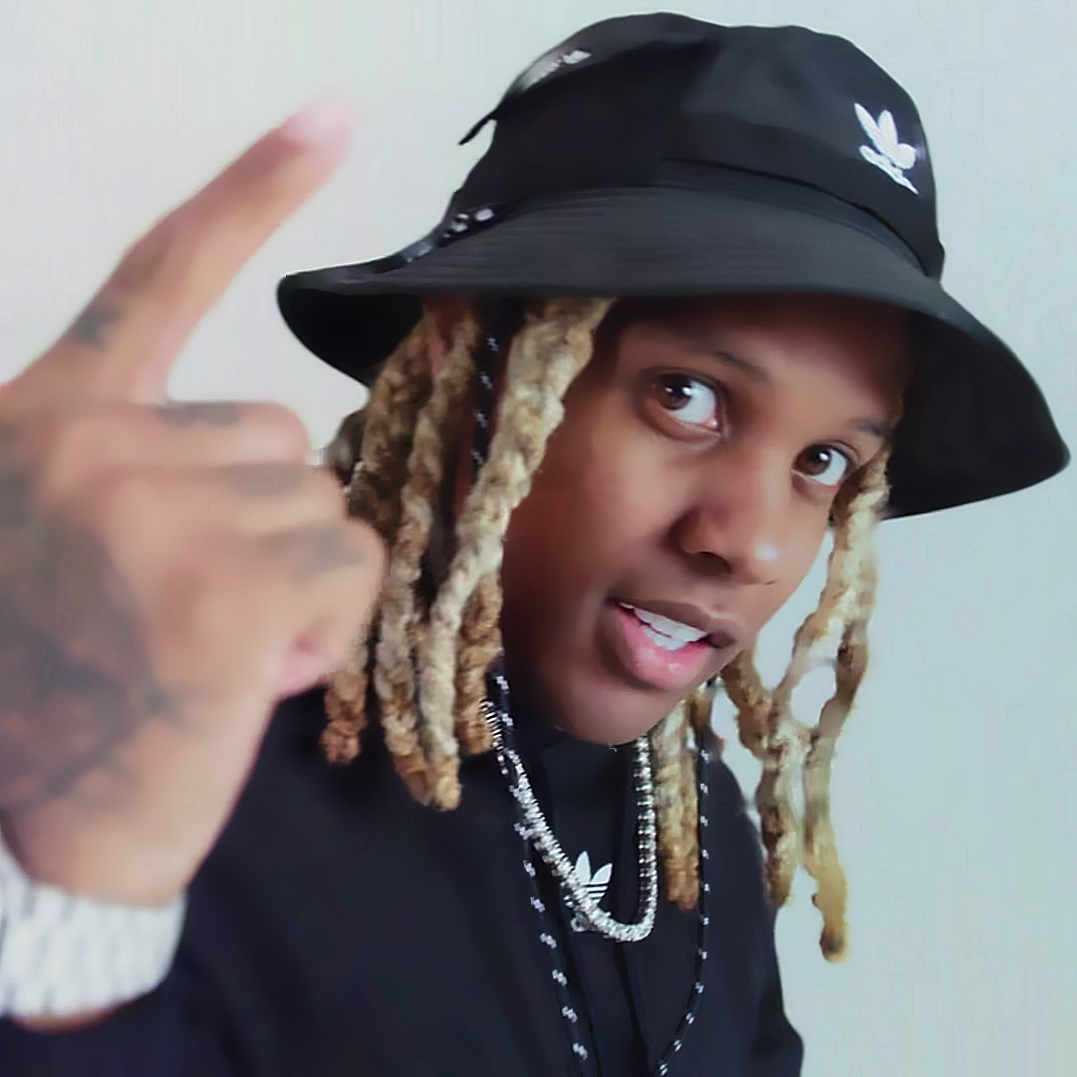
The evidence list approved by the judge runs deep. It includes a 911 call from a witness to the attempted murder, multiple music videos, a video of Quando Rondo’s own reaction to the shooting, clips from Durk’s appearance on the Million Dollaz Worth of Game podcast, photos pulled from his iCloud account, and a collection of text messages. That is a wide net, and it covers everything from Durk’s public persona to his private communications.
The music videos being admitted is a detail worth sitting with. Courts have been wrestling for years with how rap lyrics and visuals should be treated as evidence, and using them in criminal cases remains genuinely controversial among legal scholars and civil rights advocates.
Critics argue that allowing music into a courtroom risks punishing artistic expression rather than actual conduct, while prosecutors tend to frame those same videos as direct windows into a defendant’s state of mind and associations.
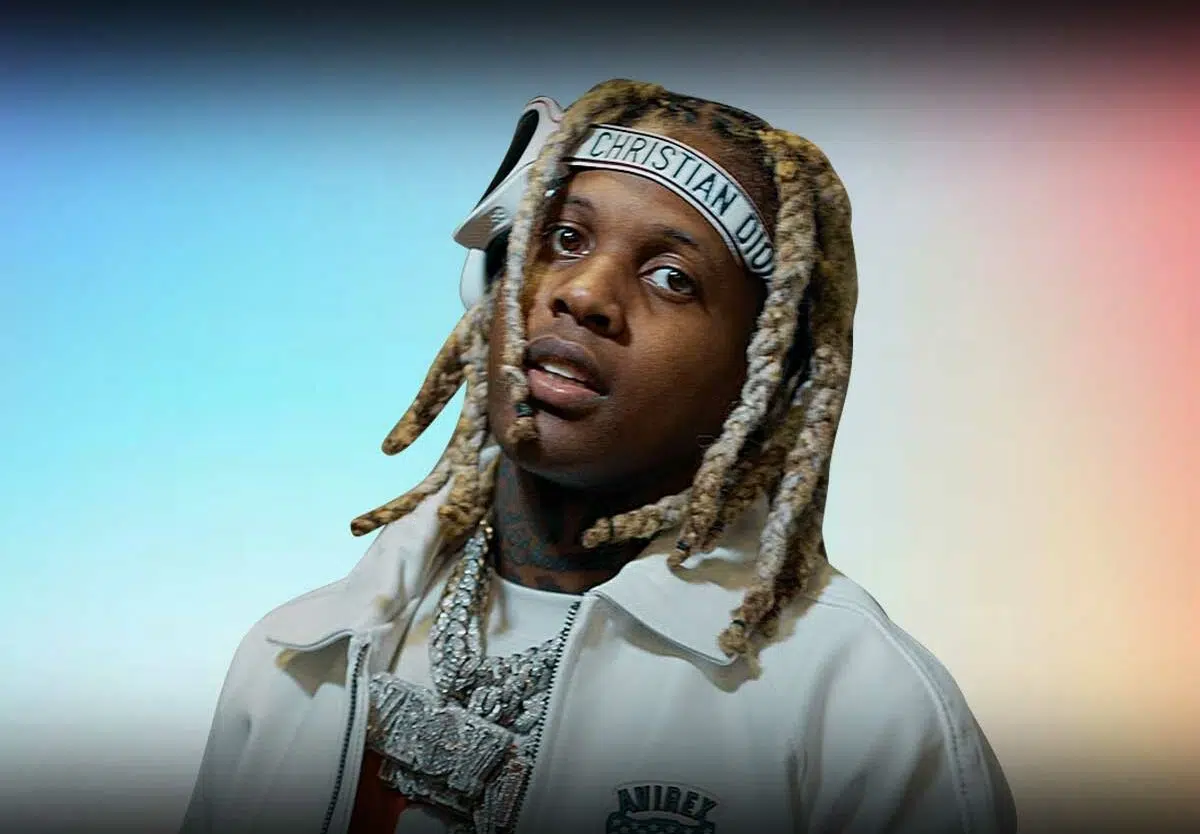
The DJ Akademiks angle adds another layer to this. Those interviews were public, widely watched, and generated real conversation in rap circles about loyalty and street credibility.
The prosecution leaning on them suggests they want to show the jury a man who felt his reputation was on the line, not just someone grieving a friend. Whether that framing lands with a jury is a different question entirely.
Durk, born Durk Derrick Banks, has been one of the most commercially successful rappers of the past decade. His legal situation has cast a long shadow over his career since the charges became public, and the trial is drawing attention far beyond the courtroom. The stakes for him personally could not be higher, and the case is far from settled.