

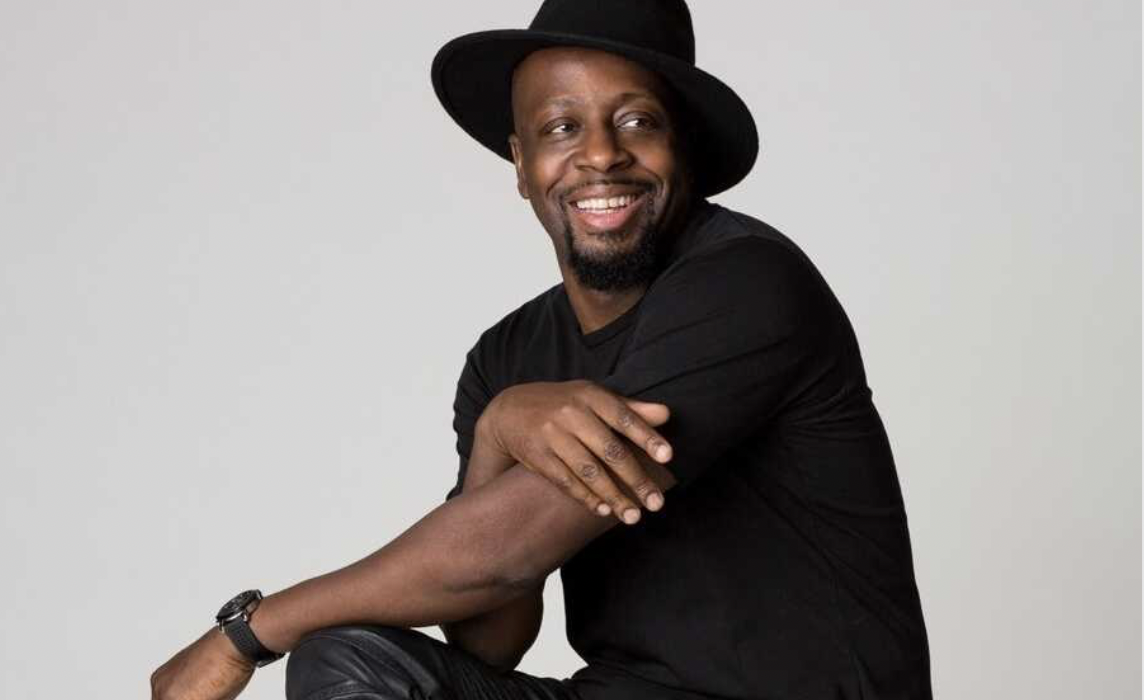
Wyclef Jean has made his first reggae album, and he says leaving the genre out of his latest milestone was never an option.
The project, titled One Night in Kingston, was recorded in Jamaica at The Compound, the studio run by producer Panic.
It is one of seven albums Wyclef is releasing across seven genres to mark the 30th anniversary of The Score.
Wyclef framed the series as a tribute to his own musical roots, modelled on the approach of his mentor Quincy Jones and his Back on the Block era.
Because I’m celebrating 30th anniversary of the score,” he said when asked why reggae, and why now. He described the moment as a creative step forward.
“Right now we leveling up,” he added, explaining that he could not tell the story of the seven genres that has influenced him without reggae among them.
The Jamaican connection runs deep for the Fugees co-founder. “I’ve been coming here since I’ve been a teenager,” he said, recalling that one of the early videos that helped break the group was shot on the island.
He called Jimmy Cliff a “de facto godfather” and remembered the reggae legend visiting his small apartment in 1993, “before I blew up.
According to Wyclef, the Jamaican influence in the Fugees’ sound was so strong that listeners initially assumed the group was Jamaican, before learning its members were Haitian.
He traced that sound back to where he grew up. You can’t be between Brooklyn and Jersey and don’t get that Caribbean,” he said. “So for us that’s where it started.”
He pointed to his production and writing on records such as Whitney Houston’s My Love Is Your Love, his own 911, and his work with Shakira as evidence that the island’s DJ style had shaped his music long before this album. Over the years he has also collaborated with dozens of Jamaican artists.
The album itself came together through Panic, who said he and Wyclef have known each other for more than 20 years and connected musically when Panic was still a young man.
Panic spoke openly about serving time in federal prison. When he came home, he reached out to Wyclef with a plan. “I’m doing this thing called the compound,” he recalled telling him. “I got the best musicians in Jamaica around me.”
Wyclef answered the call quickly. “So he flew here just on the whim of checking me,” Panic said, explaining that Wyclef first came to visit him and his co-defendants after their release. Once Wyclef saw the studio, his response was simple. “Let’s go,” he said.
The title reflects how fast the foundation of the record was laid. Panic explained that the team worked through the tracks back to back.
“We just started one song, it got to a point, we save it, get to the next song,” he said, adding that the basis of the album was built right there in that session.
In a quickfire round about his Jamaican tastes, Wyclef chose reggae over dancehall if he had to play one genre for an entire night. He also said he would rather be at a dancehall party than in a studio session.
Asked for his favourite meal, he picked ackee and saltfish with rice and peas over jerk chicken. Given the chance to do one collaboration with any Jamaican artist, he named Bob Marley.
For Wyclef, One Night in Kingston reads less like a detour and more like a homecoming. It brings an artist who has long carried Jamaican sounds through his work back to the island where so much of that influence began.