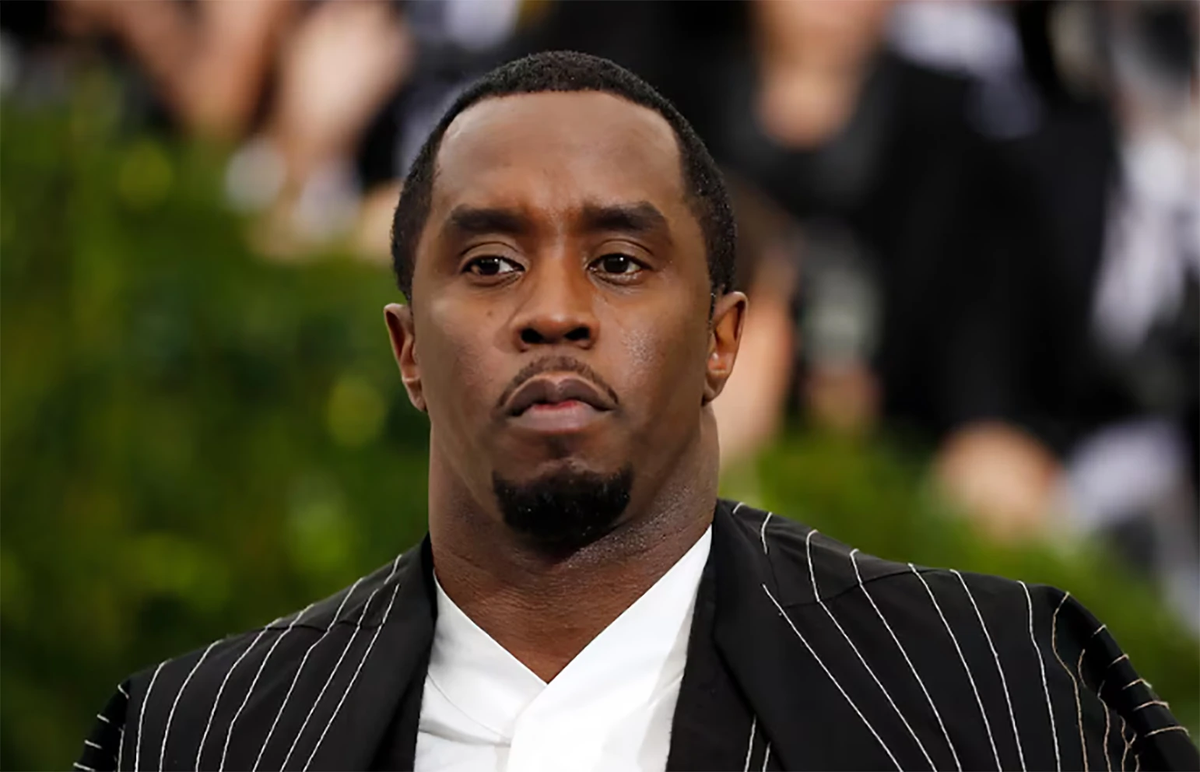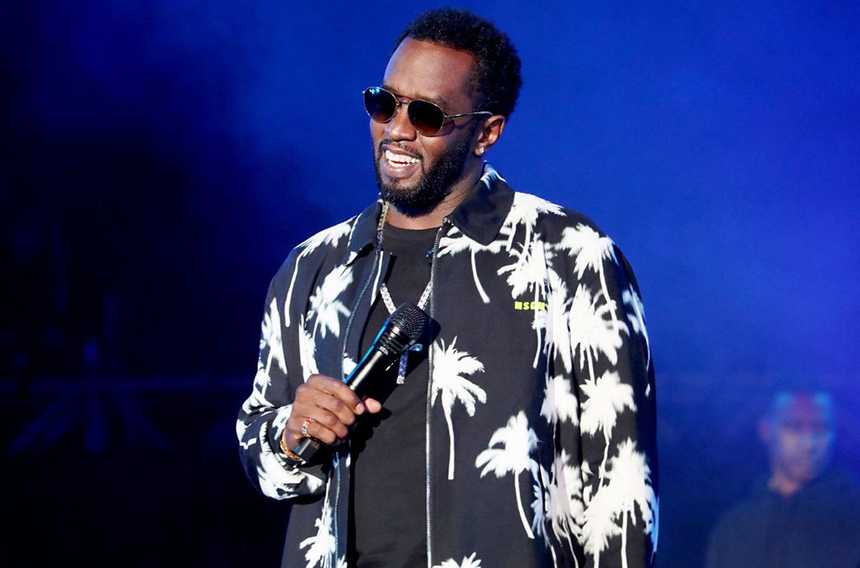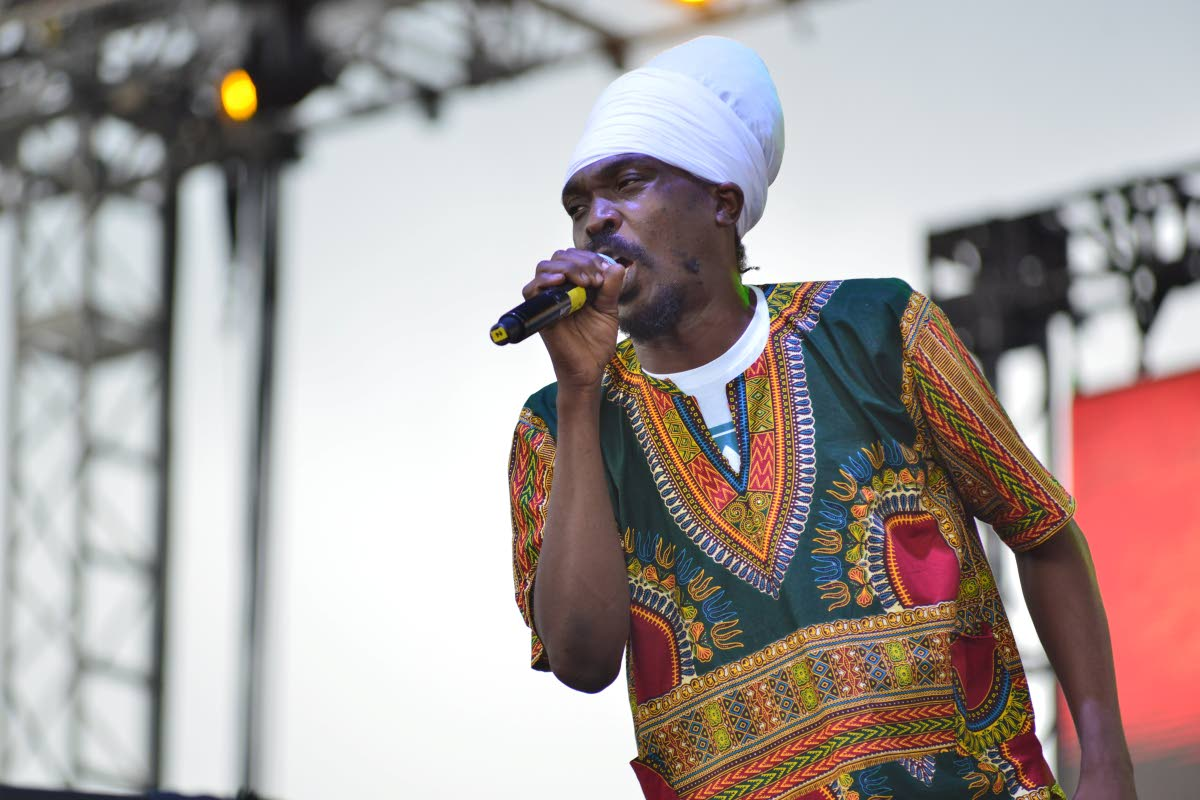

Wayne Wonder net worth is a question that reflects more than four decades of work in Jamaican music. Wayne Wonder is a Jamaican singer and songwriter who has a net worth of $1 million, according to Celebrity Net Worth.
That figure is echoed across multiple entertainment finance trackers: Wayne Wonder net worth is estimated at $1 million by Kahawatungu, and Namso Gen also places Wayne Wonder’s net worth at an estimated $1 million.
No higher or more granular figure has been publicly confirmed by any audited source.
The estimate should be read as a floor, not a ceiling, given that streaming catalogues, touring income, and publishing rights are rarely captured in full by third-party celebrity wealth aggregators.
Who Is Wayne Wonder?
Von Wayne Charles, born 26 July 1972 and better known by his stage name Wayne Wonder, is a Jamaican reggae and dancehall artist.
Born in Buff Bay, Portland, Jamaica, he came up in the island’s sound system and recording culture, where his early work already showed the melodic, emotional style that would become his trademark.
As a child Wayne and his family moved all over eastern Kingston, living in areas such as Dunkirk, Franklin Town, and Rae Town, home of the weekly Sunday night Reggae/R&B oldies street dance.

The exposure to vintage 45s at these dances would provide Wayne with a richer, more soulful vocal approach to a reggae rhythm track than many of his contemporaries.
Writing his first songs at the age of 13, Wonder launched his career when he accepted an invitation to perform every Wednesday night at Metro Media in Allman Town.
Although he impressed Sly Dunbar during an audition at Sonic Sounds, Dunbar’s commitment to touring with Black Uhuru prevented him from signing the young singer.
The first producer Wayne recorded for was the legendary creator of dub, the late King Tubby. Wayne voiced three original songs for Tubby, but the one that caught the public’s attention was his cover version of Rick Astley’s “Never Gonna Give You Up.”
Career Timeline and Key Milestones
He achieved success with the production of his first single produced by King Tubby in 1985, which was entitled “Long and Lasting Love.”
Wonder and King Tubby had two more hits, but when the producer was killed in 1988, Wonder’s career suffered a setback.
In 1989, he released his debut studio album, “One More Chance,” which marked the beginning of his rise in the Jamaican music industry.
He moved to the Penthouse Records label in 1989, a relationship that would sharpen his sound considerably throughout the following decade.
Wonder played an important role in the success of Buju Banton, writing Banton’s early hits “Murderer,” “Deportee,” and “Boom Bye Bye”; recording a duet (“Bonafide Love [Movie Star]”); and touring the world together.
When Banton signed with United States-based Mercury Records, his decision to work as a soloist was a severe setback for Wonder.
Attempting to resurrect his career, Wonder formed a band, Alias, with each musician performing under a pseudonym.
Wayne and Dave Kelly continued their successful musical relationship when Kelly founded his own Madhouse and Xtra Large labels.
Wayne recorded many hits for Madhouse spanning the mid to late 1990s, including “Joyride,” “Bashment Gal,” and “Keep Them Coming.”
Wonder launched his own record label, Singso, in 2000. In addition to his own work, Wonder’s record label produced recordings by many other artists, including Baby Cham, Alley Cat, Frankie Sly, and Mr. Easy.
Ownership of a label, even a boutique one, represents a revenue stream entirely separate from artist royalties, and Singso has remained active in various configurations throughout Wonder’s career.
This is the year that defines Wayne Wonder’s commercial ceiling and anchors any serious discussion of his career earnings.
Wonder’s career exploded globally in 2003 when his album No Holding Back and the single “No Letting Go” were released on major-label Atlantic.
The smooth single dominated urban radio in America, and a slew of compilations featuring old Wonder tracks flooded the market.
“No Letting Go” was written by Wonder and Steven “Lenky” Marsden, and produced by Marsden. It was included on Wonder’s 2003 studio album No Holding Back and was released as the lead single from the album.
The single was released worldwide on 21 January 2003 and charted at a peak position of number three in the UK Singles Chart. It also peaked at number 11 in the Billboard Hot 100 in the United States.
No Letting Go ultimately spent eight weeks on the UK Singles Chart, peaking at No. 3, and enjoyed a 31-week run on the US Billboard Hot 100, where it reached No. 11.
The song also achieved Top 40 status in multiple countries, including Belgium, Canada, the Netherlands, Sweden, Switzerland, and Germany.
The parent album matched that momentum. No Holding Back peaked at No. 29 on the Billboard 200 and No. 40 on the UK Albums chart. It quickly earned a Silver certification in the UK in 2003, after it surpassed 60,000 units sold in the country.
As of March 2023, the album had sold and streamed the equivalent of 471,000 units in the US, Billboard’s sales tracker Luminate told DancehallMag. This included 326,000 copies in pure album sales.
The album earned Wayne his only Grammy Award nomination for Best Reggae Album in 2004.
Beyond pure record sales, Wonder accumulated income through high-profile collaborations and sync licensing.
Throughout his career, Wayne Wonder has collaborated with an impressive list of global artists including Wyclef Jean, LL Cool J, Foxy Brown, Fat Joe, Shaggy, Mya, Gocho, Yandel, and the late Lisa “Left Eye” Lopes.
His inspired version of “Hold Me Now” (originally recorded by the Thompson Twins) appeared on the 2004 film 50 First Dates (starring Adam Sandler and Drew Barrymore) as part of the movie soundtrack, and was produced by No Doubt’s Tony Kanal.
Soundtrack placements of this kind generate upfront sync fees and ongoing royalties, and the broad theatrical release of 50 First Dates would have provided meaningful exposure.
Wayne’s global breakthrough led to major accomplishments including a live performance on NBC’s Saturday Night Live, multiple BMI Urban Awards, a MOBO Award in the UK, and extensive world tours across North America, Europe, Asia, Africa, and the Caribbean with his Singso Band.
In 2012, his feature on the Latin hit “Amor Real” with Gocho and Yandel reached No. 1 on Billboard Latin Airplay, showcasing his versatility and influence beyond reggae music.
His album Foreva climbed into the Top Five on Billboard’s Reggae Album chart in 2007, confirming that his commercial relevance did not end with the 2003 peak.
“No Letting Go”: A Streaming and Certification Timeline
The most durable income-generating asset in Wayne Wonder’s catalogue is, by a wide margin, “No Letting Go.”
Its certification and streaming history tells the story of a song that keeps paying out decades after its initial release.
- 2020: No Letting Go was certified gold in the United Kingdom in November 2020 for sales exceeding 400,000 copies.
- August 2022: The song received its Gold certification from the Recording Industry Association of America (RIAA). The CEO of VP Records, Christopher Chin, presented Wonder with the gold plaque from the RIAA in New York’s Central Park at the 2022 SummerStage concert.
- October 2023: Wayne Wonder’s “No Letting Go” surpassed 100 million streams on Spotify on October 9, 2023. It was his first song to hit the milestone.
- October 2024: Wayne Wonder’s “No Letting Go” was certified Platinum in the United Kingdom. The British Phonographic Industry (BPI) announced the certification on Friday, October 18, recognizing the track’s sales and streaming figures, which have now surpassed 600,000 units.
The Platinum UK certification in late 2024 is the most recent major commercial milestone confirmed by an official certifying body and represents a meaningful, ongoing royalty stream for both Wonder and his co-writer Steven “Lenky” Marsden.
Income Streams: Where Does Wayne Wonder’s Money Come From?
Because no public financial disclosures exist for Wayne Wonder, income sources must be assessed from confirmed career facts rather than invented figures.
“No Letting Go” passing 100 million Spotify streams in 2023 and receiving a UK Platinum certification in 2024 confirms that the song continues to generate active streaming royalties.
His long-running music career, which began in the late 1980s, has generated income through album sales, chart-topping singles, and global performances.
His back catalogue, which spans multiple decades and labels including Penthouse, Atlantic, and VP Records, generates passive royalty income, though the precise split between Wonder and those labels is not publicly available.
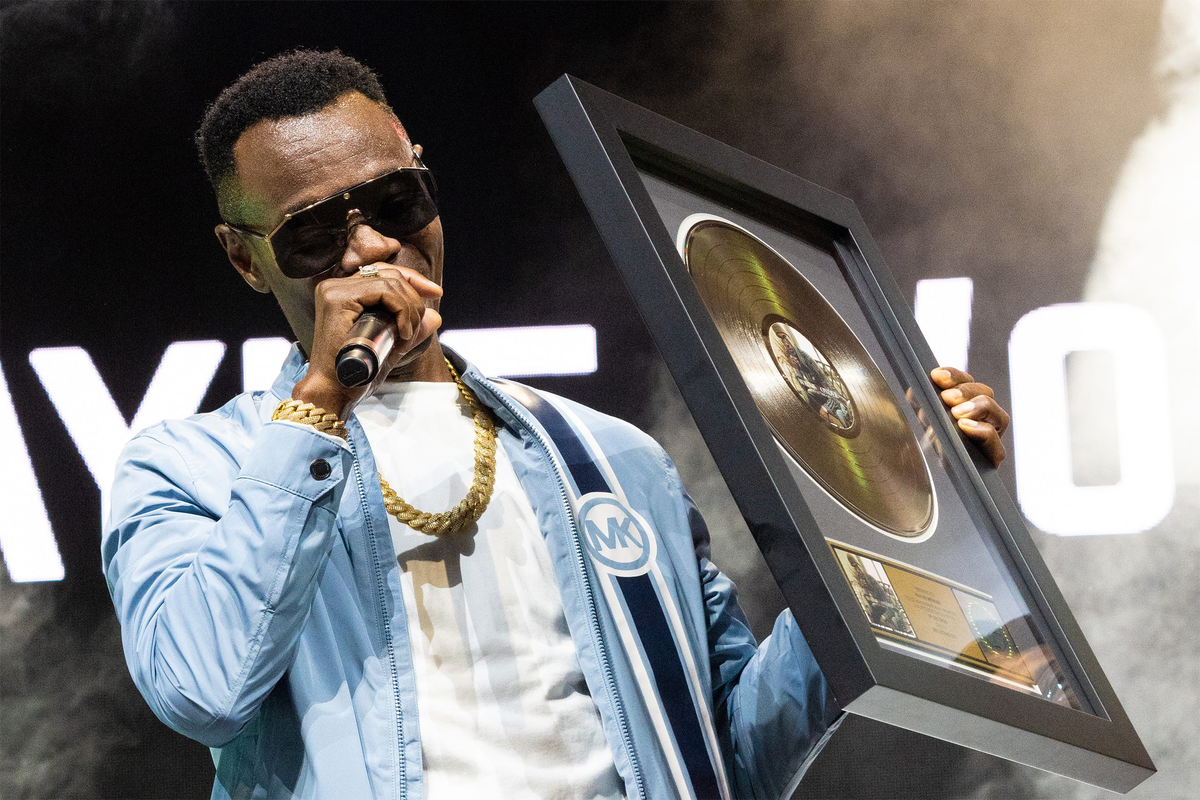
Extensive world tours across North America, Europe, Asia, Africa, and the Caribbean with his Singso Band have been a consistent part of Wonder’s working life since his 2003 breakthrough.
Live performance income for an artist of his stature in the reggae and dancehall circuit is not publicly reported, but touring remains among the most significant revenue channels for working musicians outside the mainstream pop tier.
Wayne launched his own record label Singso in 2000 and has released singles by several artists including Baby Cham, Alley Cat, Frankie Sly, and Mr. Easy.
Operating a label, even a small independent one, gives an artist access to a share of master recording revenues rather than only artist royalties.
Additionally, Wayne wrote or co-wrote all of the songs on No Holding Back, which means he holds co-publishing income on his most commercially successful album, a category of earnings that compounds over time as the catalogue is streamed and licensed.
Wonder had a significant role in the successful career of major dancehall artist Buju Banton. Writing early hits for Banton generated songwriting royalties that, depending on the publishing arrangement, would have continued accumulating across Banton’s career.
The value of those credits is unconfirmed publicly but represents a non-performance income layer that many fans do not account for when estimating an artist’s total wealth.
Net Worth Estimate: What the Sources Say
All traceable third-party estimates of Wayne Wonder net worth converge on the same figure. Wayne Wonder is a Jamaican singer and songwriter who has a net worth of $1 million, according to Celebrity Net Worth.
This figure is repeated by Kahawatungu and Namso Gen without meaningful variation. No source consulted for this article produced a figure higher than $1 million, and no source provided documented evidence of real estate holdings, investment portfolios, or business valuations that would allow for independent verification or upward revision.

It is worth noting that celebrity net worth estimates for artists outside the mainstream pop tier are notoriously imprecise.
They typically account for estimated album sales and public-facing endorsements while missing private publishing royalties, touring settlement payments, label profit shares, and property holdings in markets like Jamaica that are not captured by US-centric tracking tools.
The $1 million figure should therefore be understood as the lowest credibly cited estimate, not a confirmed audited number.
Key Facts at a Glance
| Category | Detail |
| Full Name | Von Wayne Charles |
| Date of Birth | 26 July 1972 |
| Birthplace | Buff Bay, Portland, Jamaica |
| Active Since | 1985 |
| Estimated Net Worth (2026) | ~$1 million (Celebrity Net Worth, Kahawatungu) |
| Biggest Hit | “No Letting Go” (2003) |
| US Billboard Hot 100 Peak | No. 11 |
| UK Singles Chart Peak | No. 3 |
| Spotify Streams (Milestone) | 100 million+ (October 2023) |
| US Certification | RIAA Gold (2022) |
| UK Certification | BPI Platinum (October 2024) |
| Grammy Nominations | 1 (Best Reggae Album, 2004) |
| Own Label | Singso Records (founded 2000) |
| Current Label | VP Records |
Bottom Line
Wayne Wonder net worth in 2026 is estimated at approximately $1 million across all major third-party sources, though no audited disclosure exists to confirm or expand that figure.
What is documented is a career of unusual durability: a debut in 1985, a global pop breakthrough in 2003, and a catalogue anchored by “No Letting Go” that continues earning certifications and accumulating streams more than two decades after its release.
The UK Platinum certification in October 2024 and the 100-million-stream milestone on Spotify in October 2023 confirm that the song remains an active commercial property.
For a reggae and dancehall artist operating largely outside the mainstream pop economy, that catalogue longevity is his most verifiable financial asset.