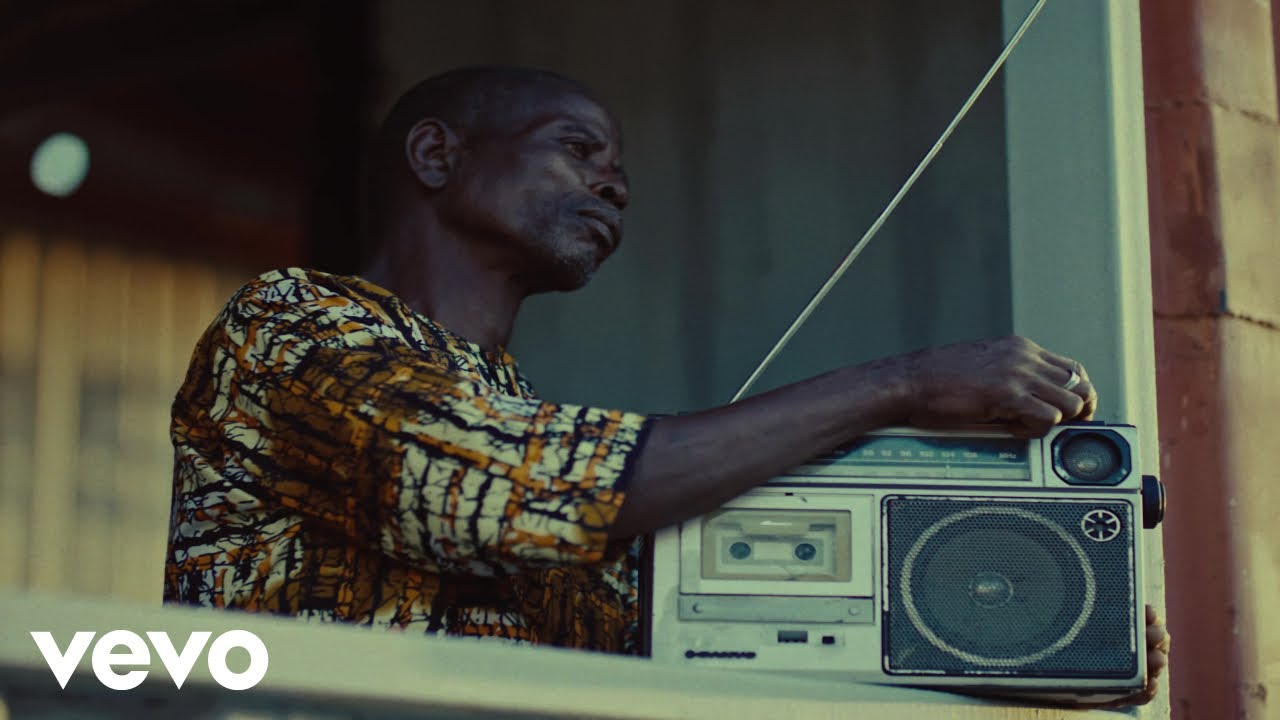


Most artists making their third album play it safe. Ayra Starr did the opposite, and the result is 46 minutes of music that genuinely refuses to sit still long enough for you to pin it down.
“StarrGirl,” released August 14, is the 24-year-old Nigerian singer’s most daring project to date. It pulls from Congolese bouyon, house, techno, soft rock, R&B, and Afro-pop, and somehow holds all of that together without feeling scattered or desperate to impress.

What makes this work is that Ayra is not cosplaying global sounds. She is entering them from a firmly Nigerian perspective, using pidgin and English to navigate genres that were never built with her in mind, and making them feel like they were.
The album opens with “Dangerous,” where she is unapologetically self-assured, laying out exactly who she is and why that matters.
By the time you reach “Heaven Baby,” a collaboration with ZAYN, she has completely dropped the armor and let something rawer through.
That contrast is not accidental. Ayra has spoken openly about her recent move to New York, the loneliness of landing in a city that does not know your name yet, and the slow process of building a new self inside all that noise.

“Midnight In New York,” a house and techno-laced track, captures that experience not through sadness but through the strange liberation of losing yourself in a city that never stops moving.
“Ms Paper,” featuring French-Congolese artist Theodora, is where the bouyon influence hits hardest. It is focused, money-minded, and rhythmically relentless, a very different energy from the album’s more vulnerable moments, but it fits because Ayra never sounds like she is performing a mood. She sounds like she is living one.
Terry Apala shows up on “Dangerous” and brings a contemporary Nigerian Apala energy that grounds the track in something deeply local even as the production reaches outward. That tension, between the local and the global, is basically the thesis of the whole album.
Critics and listeners who have been watching the Nigerian music scene closely have noted that the industry is in a transitional moment, still figuring out what comes after the first wave of Afrobeats going fully global.
Ayra’s answer, at least on this record, is not to chase what is already working but to build something that reflects her actual life and taste.
That approach has its risks. Albums this genre-fluid can alienate fans who came for one specific sound. Some listeners expecting the Ayra of “Rush” or “Bloody Samaritan” may need a moment to adjust to how much ground she covers here.

But the worldbuilding on “StarrGirl” is strong enough to hold everything together. You get a clear picture of her headspace across the 46 minutes, the parties she gravitates toward, the romantic situations she finds herself in, the kind of late nights that blur into mornings in a city that is still new to her. It is vivid without being overly explained.
“Dance” is a highlight for a different reason. It is pure house music guided by a rap-sing delivery that Ayra leans into throughout the project, and it shows just how comfortable she has become with her own voice as an instrument that can shift registers without losing its core identity.
The ZAYN collaboration on “Heaven Baby” was always going to attract attention, and it delivers. Two artists from very different worlds finding a shared frequency on a track about vulnerability is not easy to pull off, and the fact that it works says something about how clearly Ayra understood the emotional architecture she was building.
At a time when the conversation about the future of African pop is loud and often circular, Ayra Starr has made a record that does not just join that conversation. It moves it somewhere new, and the rest of the industry is going to have to catch up.