

Somewhere in Pretoria this December, a crowd that once wore out cassettes of It’s About Time is going to share a dancefloor with fans who learned every word of Temperature on their phones.
Boom Shaka, one of the groups that built kwaito from the ground up, have been named the opening act for Sean Paul’s Pretoria show.
It’s a booking that makes more sense the longer you think about it. Both acts made their names on music meant for moving, and both carry a lot of memories for people who were young when those songs first landed.
Boom Shaka came up in the early 1990s, just as kwaito was taking shape in the townships and on local radio.
The original lineup of Lebo Mathosa, Thembi Seete, Junior Sokhela and Theo Nhlengethwa brought a bold, loud, unapologetic energy that a lot of South African pop hadn’t seen before.
That energy is a big part of why the group still matters to fans. Their sound and their stage shows became the soundtrack of a generation, the kind of music people tie to a very specific time and place in the country’s history.
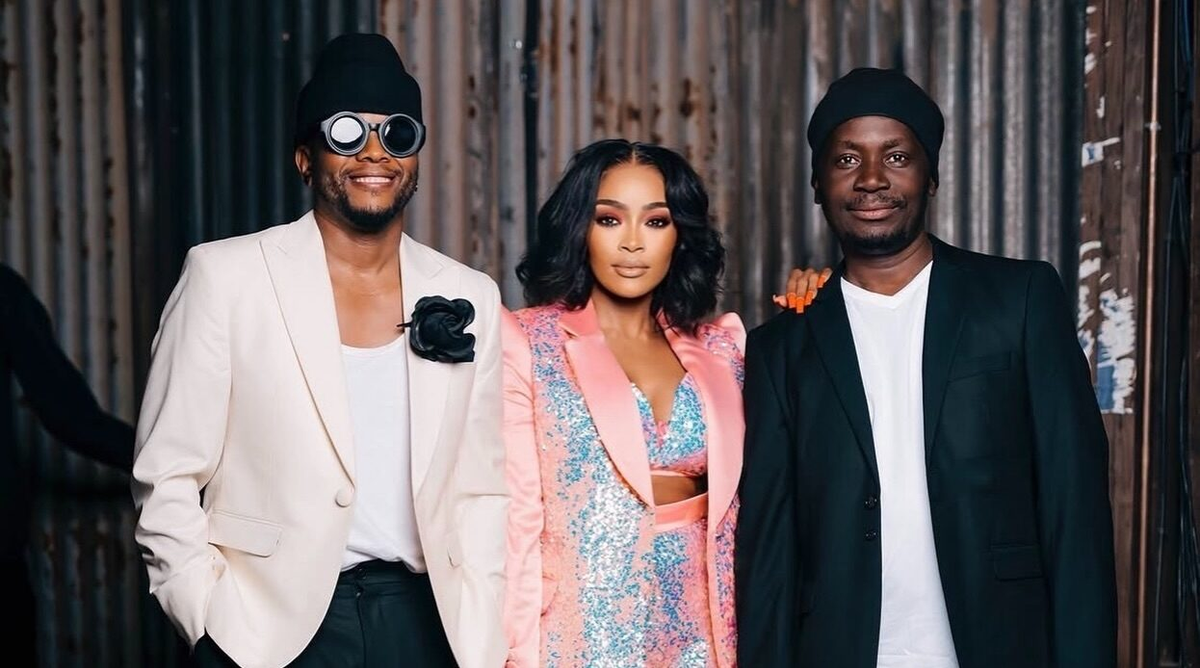
Any Boom Shaka performance also carries the weight of absence. Lebo Mathosa, whose voice and presence defined so much of the group’s appeal, died in a car accident in 2006, and longtime fans will feel that gap when the old songs come on.
Then there’s the headliner. Sean Paul has spent more than two decades as dancehall’s most familiar face outside Jamaica, with Get Busy, Temperature, We Be Burnin’ and No Lie keeping him on dancefloors across continents.
His album Dutty Rock earned him a Grammy for Best Reggae Album, and later collaborations like Cheap Thrills with Sia introduced him to a younger pop audience. That reach is exactly why his crowd in Pretoria is likely to be so mixed.
From a promoter’s angle, adding Boom Shaka gives the Pretoria leg a local flavour that a standard international lineup wouldn’t have.
Organisers are clearly betting on nostalgia to pull in older fans who might otherwise have skipped a dancehall show.
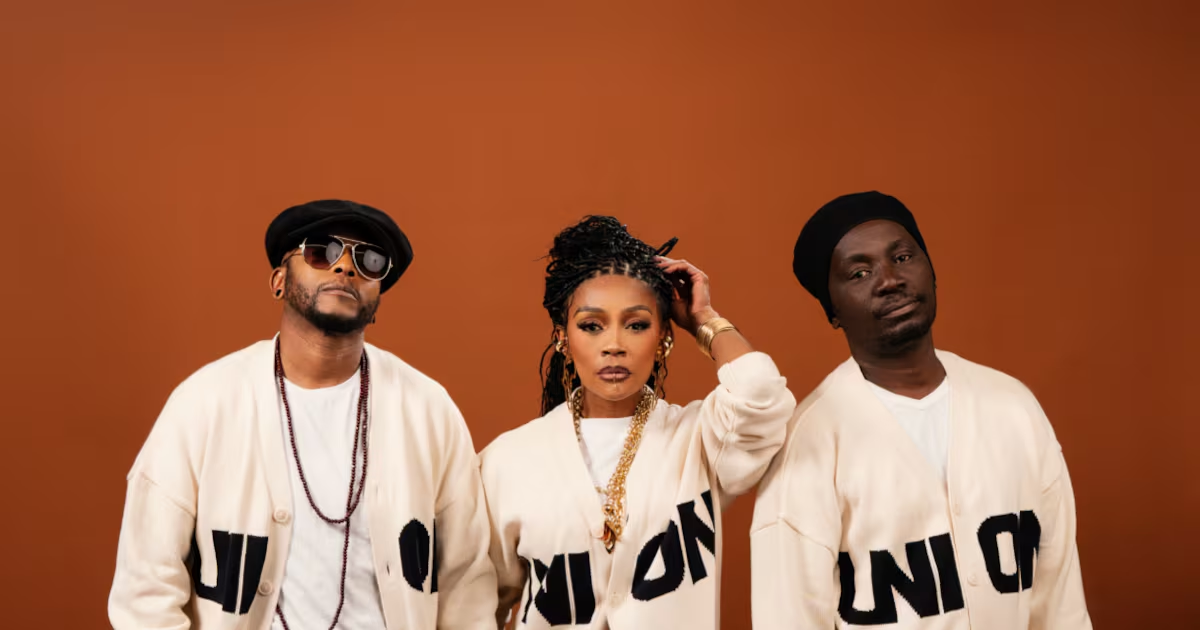
For younger concertgoers, the pull could run the other way. Plenty of them know Sean Paul’s hits inside out but may only know kwaito secondhand, through older siblings, parents or the local sounds that grew out of it.
That’s what makes the pairing interesting rather than just convenient. Kwaito and dancehall have long shared DNA, from the slowed down grooves to the call and response energy, so hearing them back to back on one stage feels less like a stretch and more like a family reunion.
Setlist details are still under wraps, but fans can reasonably expect It’s About Time to get an airing before Sean Paul takes over.
How the crowd splits its energy between the two, and how many people turn up early just for the opener, is the part everyone will be watching.